

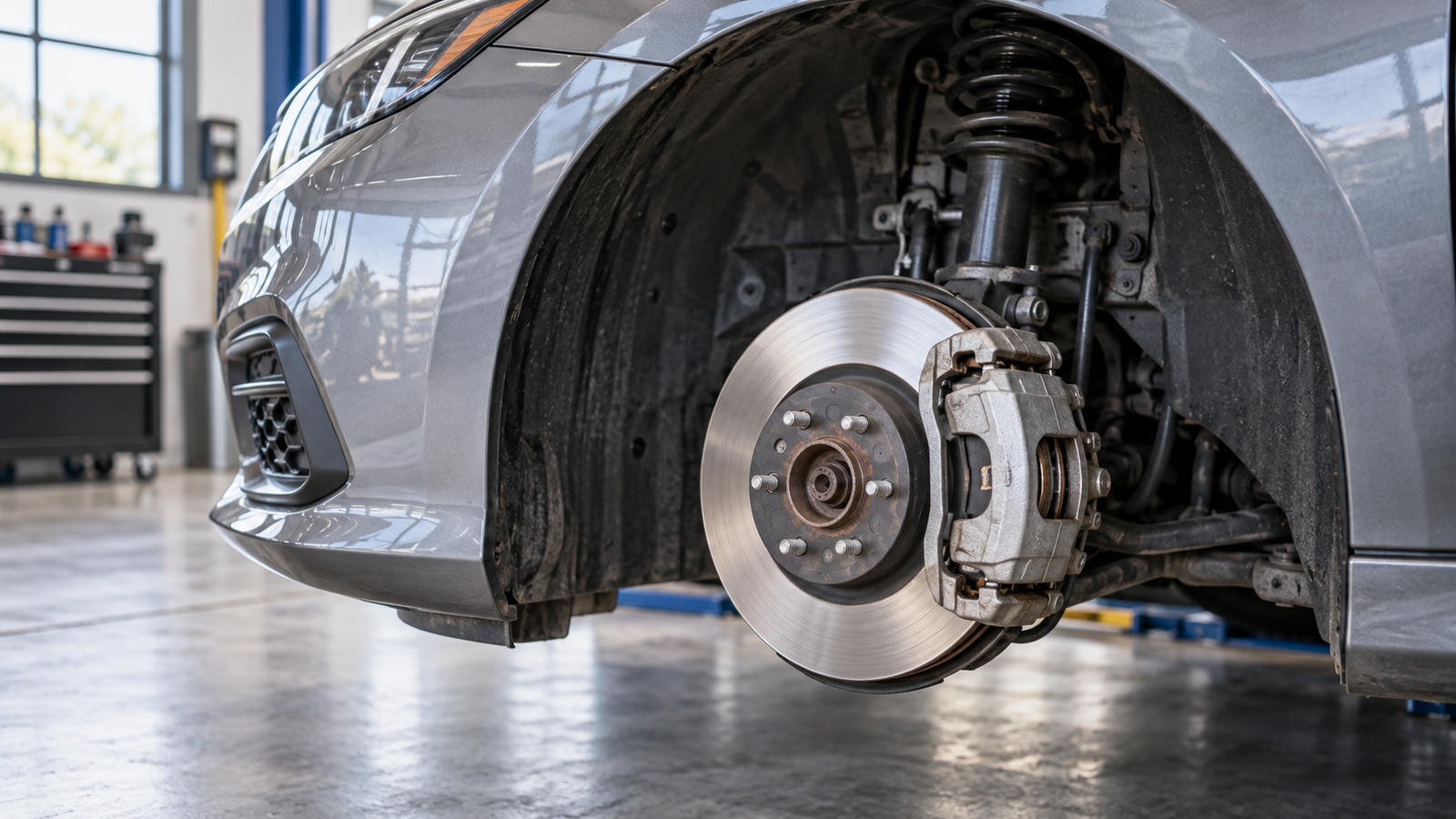
If you have ever looked through a car wheel and wondered, what do car brakes look like, you are not alone. Brake parts can seem confusing because some are easy to see while others are hidden inside the wheel or brake assembly.
Knowing what brakes look like can help you understand basic car maintenance. It can also make it easier to explain a problem to a mechanic. However, a visual check is only a basic inspection. Brake safety cannot always be judged by appearance alone.
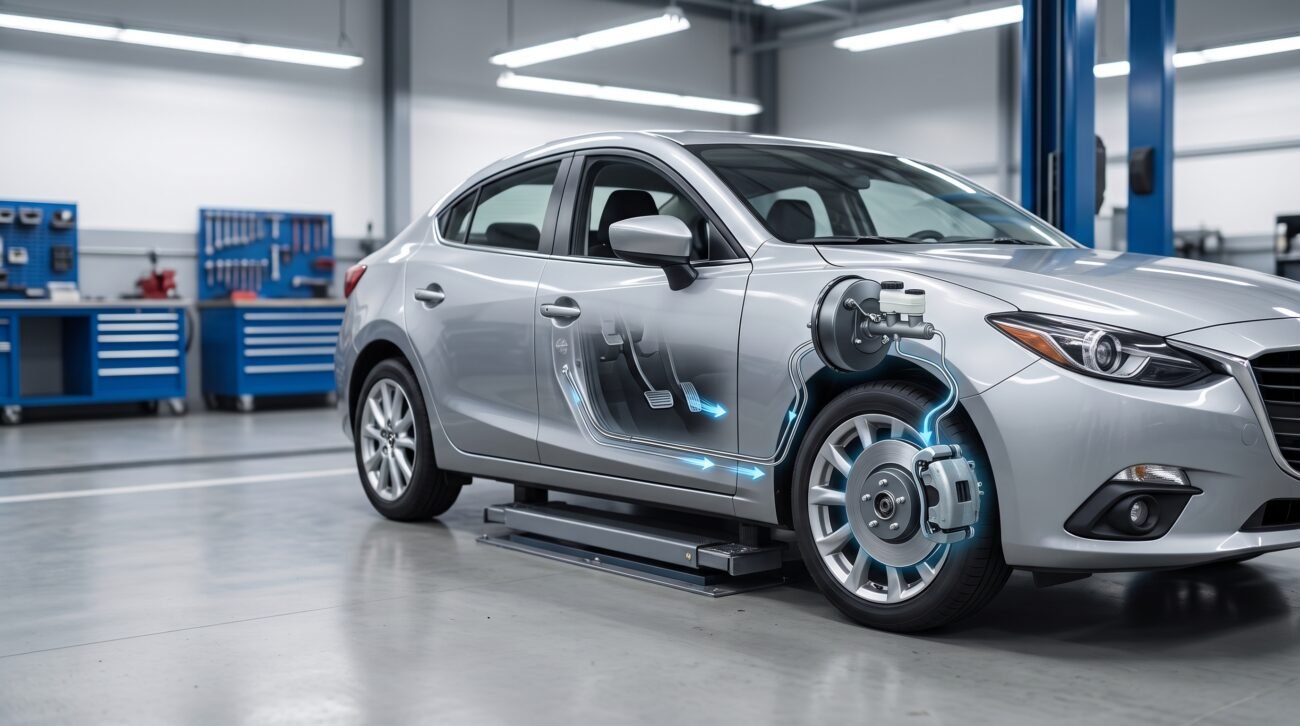
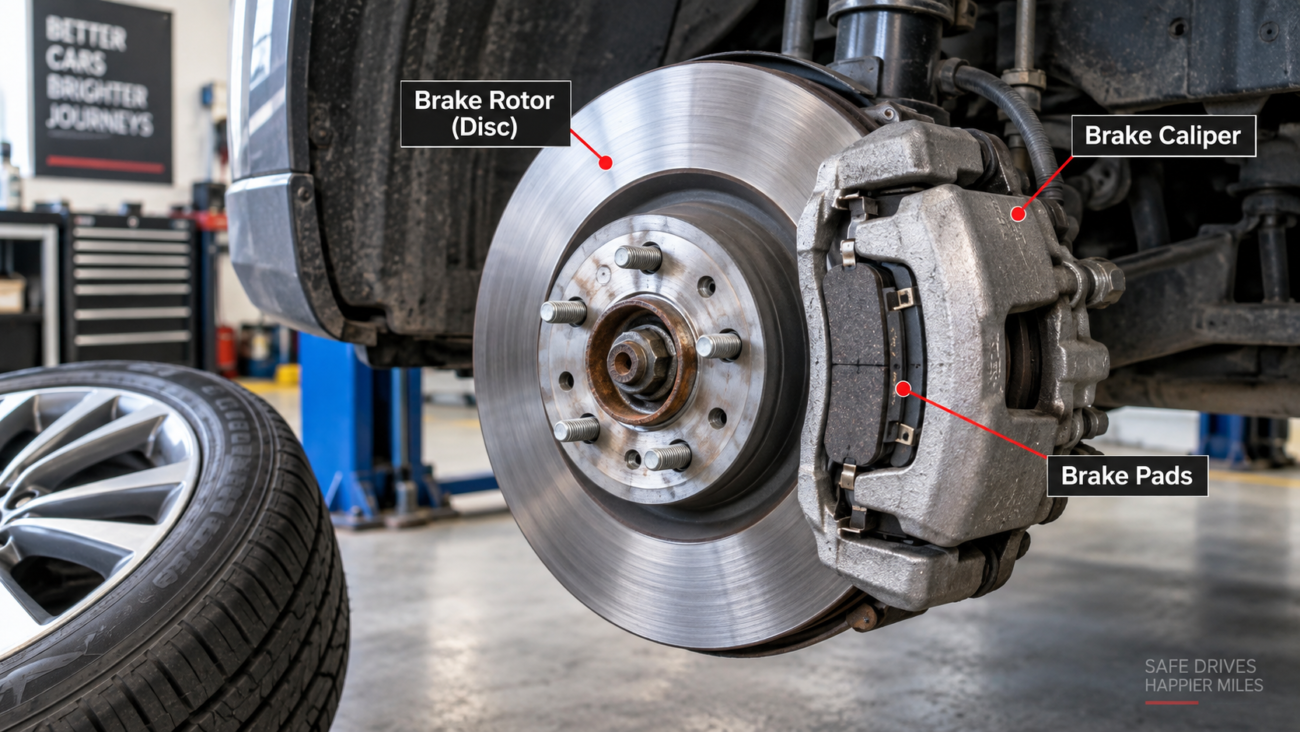
On many modern cars, you will see a disc brake system behind the wheel. It usually includes a round metal brake rotor, a brake caliper, and brake pads. Some vehicles use drum brakes, especially on the rear wheels of certain cars. Drum brakes have a round enclosed drum with brake shoes inside.
So, what do car brakes look like in simple terms? A disc brake usually looks like a large flat metal disc with a clamp-like caliper around part of its edge. A drum brake looks more like a metal cylinder or enclosed round housing.
Brake designs vary by vehicle, so your car may not look exactly like another car. Wheel size, brake design, trim level, and the vehicle’s age can all affect what you see.
What Do Car Brakes Look Like?
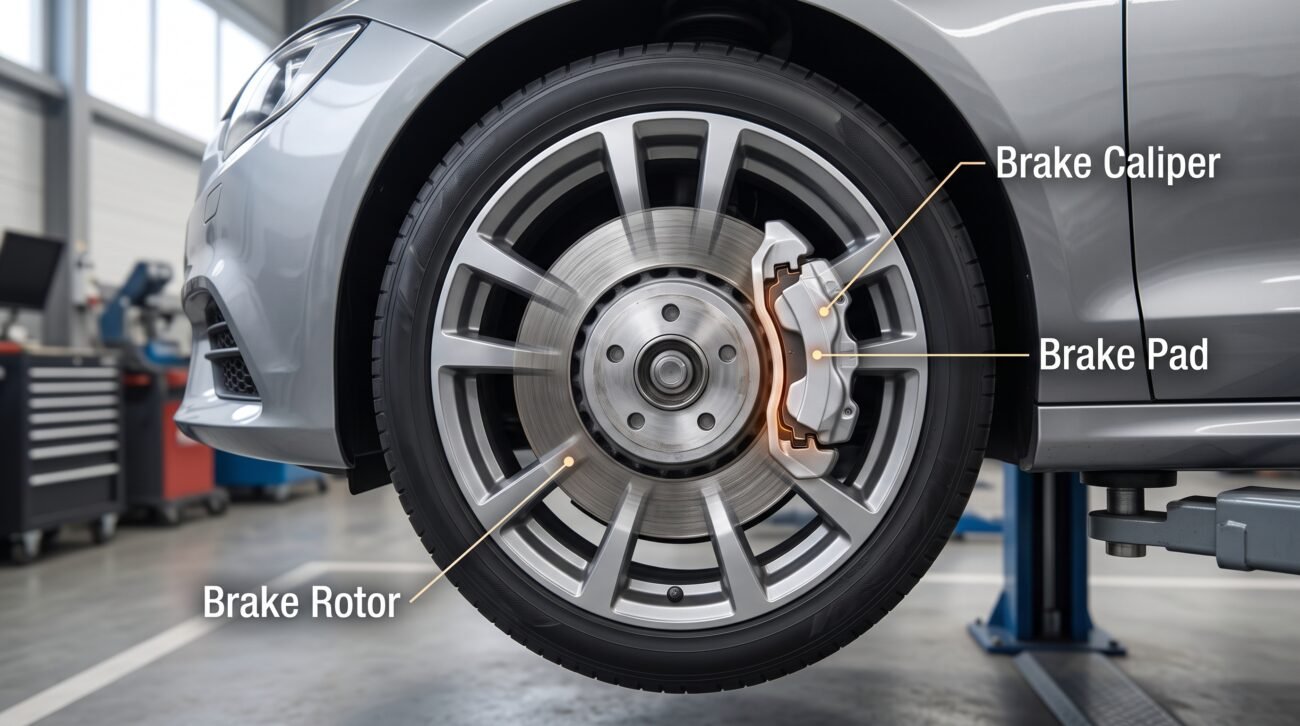
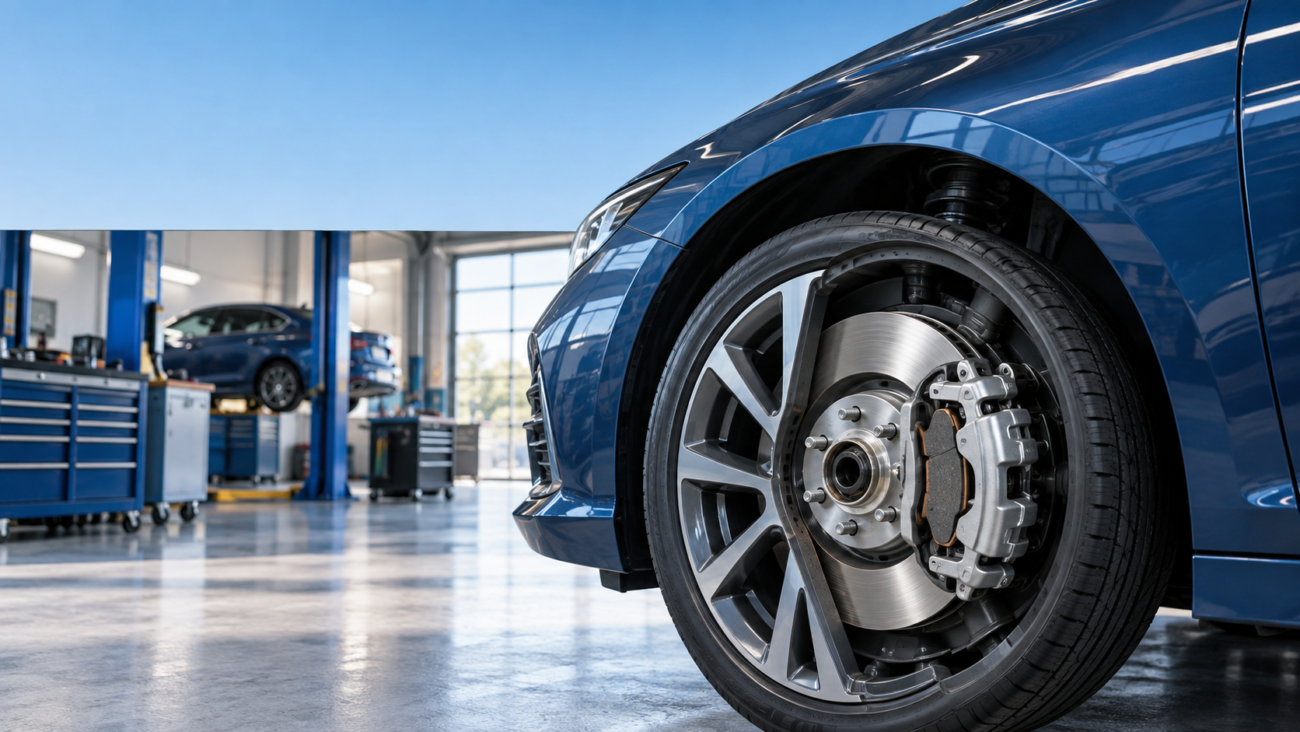
A typical car brake assembly is located directly behind each wheel. When you look through an alloy wheel, you may be able to see a large circular metal rotor and a caliper positioned around part of it.
Most modern passenger vehicles use disc brakes on at least the front wheels. Many also use disc brakes at the rear. Other vehicles use drum brakes on some wheels.
If you are asking what do car brakes look like, imagine the brake system as two main types:
- Disc brakes: A flat, round rotor with brake pads held by a caliper.
- Drum brakes: A round metal drum containing brake shoes and other hardware.
- Brake pads: Flat friction parts used with disc brakes.
- Brake shoes: Curved friction parts used inside many drum brakes.
- Caliper: The component that holds and moves the brake pads against the rotor.
The wheel can hide part of the brake assembly. Large wheels often make disc brakes easier to see, while smaller or more closed wheel designs may block your view.
What Do Disc Brakes Look Like?
Disc brakes have a simple appearance once you know what to look for.
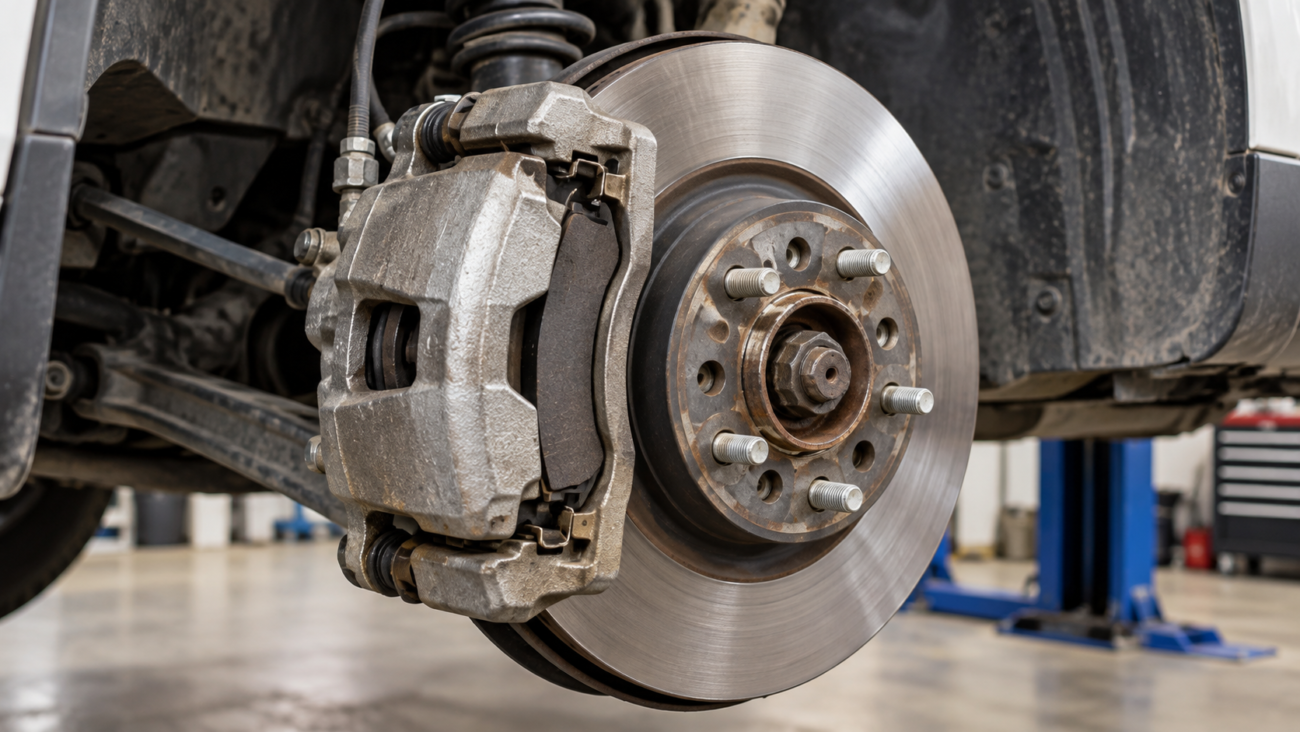
The most obvious part is the rotor. It is a flat, round piece of metal that rotates with the wheel. Depending on the vehicle, the rotor may have a shiny, dull, painted, or slightly rusty appearance.
Around part of the rotor is the caliper. It often looks like a thick metal housing or clamp. Inside the caliper are the brake pads.
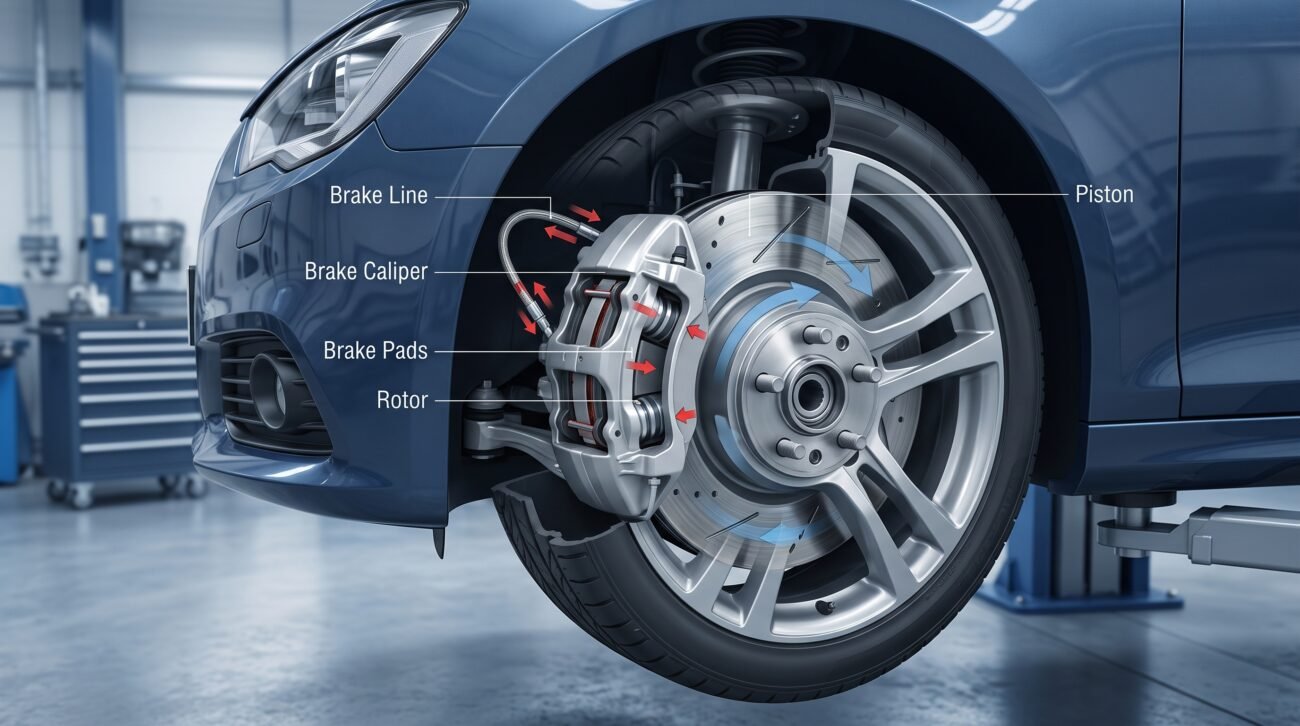
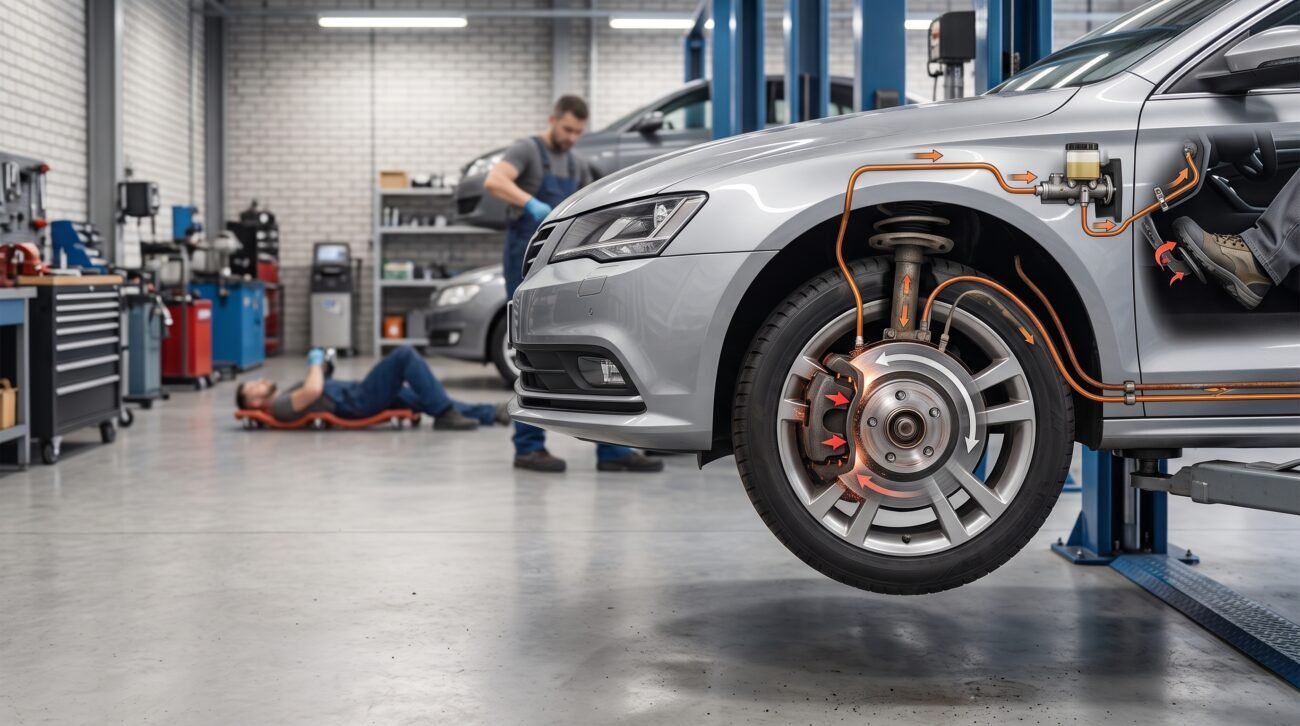
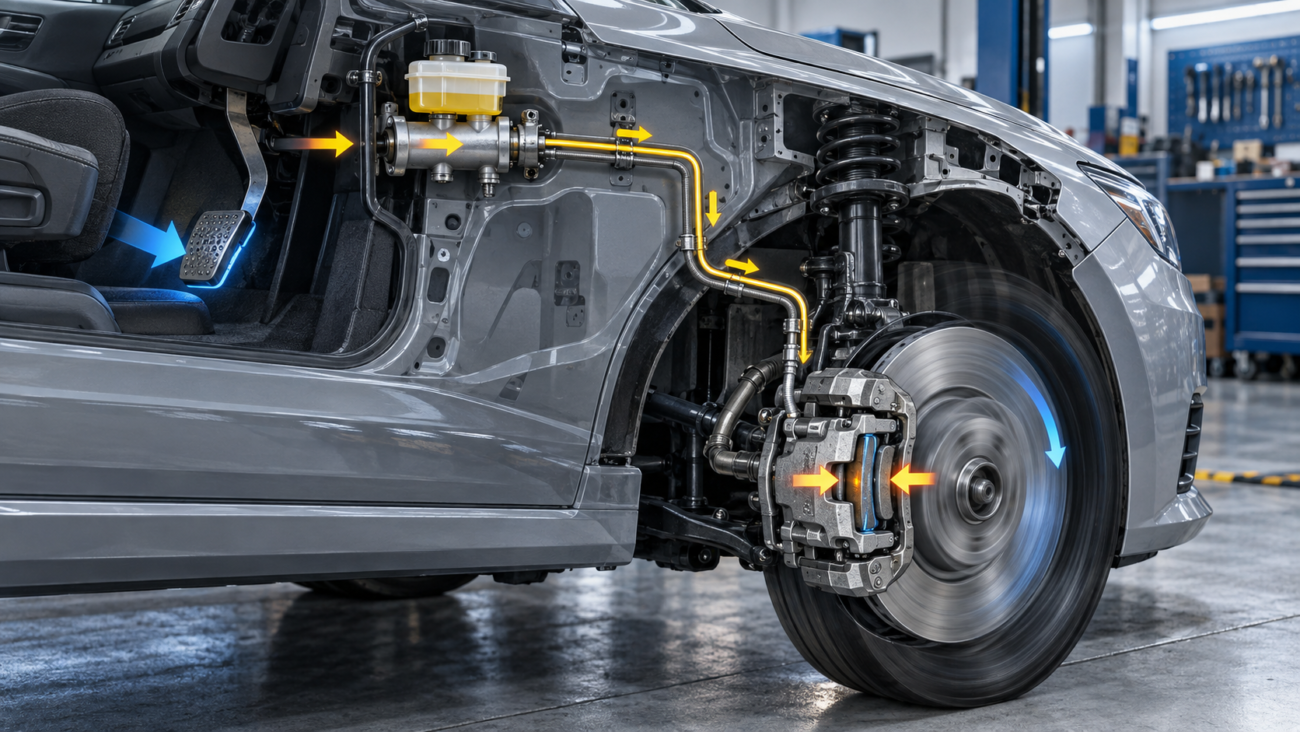
When you press the brake pedal, the brake system creates hydraulic pressure. The caliper moves the pads against the rotating rotor. Friction between the pads and rotor slows the wheel.
In a visual guide to what do car brakes look like, you can think of the disc brake like this:
Wheel → Rotor → Brake pads → Caliper
The rotor is usually the easiest part to identify because of its large circular shape.
What Do Drum Brakes Look Like?
Drum brakes have a different appearance.
Instead of an exposed flat rotor and visible caliper, a drum brake has a round metal drum that surrounds the internal brake components. The drum rotates with the wheel.
Inside the drum are brake shoes and other parts. Because these components are enclosed, you normally cannot see the brake shoes simply by looking through the wheel.
This is one reason what do car brakes look like can have different answers depending on the vehicle.
A drum brake may look like a large round metal housing behind the wheel. The internal friction material is hidden inside the drum.
Drum brakes can work reliably for many vehicles, but their design is different from disc brakes.
What Are the Main Parts of Car Brakes?
To understand what do car brakes look like, it helps to learn the names of the main components.
Brake Rotor
A brake rotor is a round metal disc attached to the wheel hub. It rotates whenever the wheel rotates.
When viewed through the wheel, the rotor often appears as a large circular metal surface. Some rotors are smooth, while others may have drilled holes or slots, depending on the vehicle and brake design.
The brake pads press against the rotor when the brakes are applied.
A normal rotor can develop a thin layer of surface rust after the car sits, especially in damp conditions. Light surface rust can often disappear as the brakes are used.
However, deep grooves, cracks, severe corrosion, or other unusual damage require attention.
When someone asks what do car brakes look like, the rotor is usually the first component they notice.
Brake Caliper
The brake caliper sits around part of the rotor.
It is commonly made from metal and may look like a thick clamp or housing. Some vehicles have painted calipers, but the color is not what makes a caliper a caliper.
The caliper holds the brake pads and helps apply pressure to them.
When the brake pedal is pressed, hydraulic pressure moves components inside the caliper. The pads are pushed toward the rotor, creating friction and slowing the vehicle.
From outside the wheel, you may see the caliper covering a section of the rotor’s edge.
Brake Pads
Brake pads are friction components used with disc brakes.
They are relatively small compared with the rotor. Each pad contains a friction material attached to a backing plate.
The pads sit on opposite sides of the rotor inside the caliper assembly.
When you press the brake pedal, the pads move toward the rotor. They press against the rotating disc and create friction that slows the wheel.
Because the pads sit inside the caliper, only part of a brake pad may be visible without removing the wheel.
If you are researching what do car brakes look like, remember that brake pads are not the large circular part. The large circle is normally the rotor.
Brake Drum and Shoes
Drum brakes use a different set of friction components.
The brake drum is a round metal housing that rotates with the wheel. Inside it are brake shoes, springs, adjusters, and other hardware.
Brake shoes have a curved shape that matches the inside of the drum. When the brakes are applied, the shoes move outward and press against the inner surface of the rotating drum.
This differs from disc brakes, where flat brake pads press against the outside surfaces of a rotor.
That difference is important when learning what do car brakes look like because a drum brake may not show an obvious rotor or caliper.
What Do Car Brakes Look Like Behind the Wheel?
Looking through a wheel is often the easiest way to get a basic idea of what do car brakes look like.
If your vehicle has disc brakes, you may see a large circular rotor. A caliper usually covers part of its outer edge.
The amount you can see depends on the wheel design. Open-spoke alloy wheels can provide a clearer view. A wheel with many closely spaced spokes may hide much of the brake assembly.
The brake rotor may appear silver, gray, dark, or slightly rusty. Its appearance can change with use and weather.
The caliper may be silver, black, gray, or another color. Some vehicles have decorative or performance-oriented caliper finishes.
What You Can See Without Removing the Wheel
A basic visual inspection may allow you to see:
- The outer surface of a brake rotor
- Part of the brake caliper
- A small portion of the brake pad
- Surface rust on exposed metal
- Obvious cracks or unusual damage
- Uneven-looking rotor surfaces
However, visibility is limited.
You should not put your hands inside the wheel area just to inspect brake parts. A visual check should be done with the vehicle parked securely.
If the car has recently been driven, brake components can also become very hot. Avoid touching them.
What You Usually Cannot See
Even if you have a clear view through the wheel, several brake parts may remain hidden.
You usually cannot see the complete inner and outer surfaces of the brake pads. Brake lines can also be difficult to see because they may run behind other components.
With drum brakes, the shoes and internal hardware are generally enclosed inside the drum.
Therefore, a quick look cannot provide a complete brake inspection.
This is an important part of understanding what do car brakes look like: seeing the outside does not mean you can see every component.
What Do New Car Brakes Look Like?
New brake components often have a clean and even appearance, but there is no single color or exact look that defines a new brake.
A new brake rotor is generally a smooth, round metal disc. Its friction surfaces may have a clean metallic appearance.
New brake pads usually have a substantial amount of friction material between the backing plate and the rotor.
A new caliper should be properly mounted and free from obvious damage.
After a vehicle is driven, the rotor will no longer necessarily look brand new. Heat, moisture, road dust, and normal braking can change its appearance.
For example, a car parked outside after rain may develop light surface rust on an exposed rotor. That does not automatically mean the brake is failing.
Likewise, the rotor may develop a darker band where the brake pads contact it.
So, when considering what do car brakes look like when new, focus more on general condition and even surfaces than on a particular color.
What Do Worn-Out Car Brakes Look Like?
Brake components wear over time because braking involves friction.
The appearance of worn brakes can vary. Some problems are easy to see, while others require measurement or inspection.
Worn Brake Pads
Brake pads become thinner as their friction material wears away.
A very worn pad may have only a small amount of friction material remaining. Depending on the wheel and caliper design, you may be able to compare the visible pad thickness with the backing plate.
Some brake pads also have wear indicators.
However, visual inspection through the wheel is not always accurate enough to determine whether replacement is needed. The inner and outer pads can sometimes wear differently.
If the pad appears extremely thin or you notice a braking problem, have the brakes inspected by a qualified mechanic.
When asking what do car brakes look like when worn, thin brake pads are one of the main things to understand.
Damaged or Worn Brake Rotors
Brake rotors can develop wear marks over time.
Possible visible signs include:
- Deep grooves
- Heavy scoring
- Uneven-looking friction surfaces
- Severe rust or corrosion
- Cracks
- Obvious physical damage
Minor marks or discoloration do not automatically mean a rotor needs replacement.
Brake condition depends on the amount and type of wear, the manufacturer’s specifications, and other factors.
A mechanic can measure rotor thickness and inspect the surface more accurately than a simple visual check.
If a rotor has cracks or serious damage, professional inspection is important.
Rusty Brake Components
Light surface rust on exposed brake metal is common, especially after moisture or when a vehicle has been parked.
A thin orange-brown layer on a rotor does not always indicate a serious problem. Normal brake use can remove some surface rust from the friction area.
More serious corrosion is different. Heavy rust, flaking metal, deep pitting, or corrosion that affects the braking surface can require professional attention.
This is why what do car brakes look like cannot be answered by color alone.
A rusty-looking rotor may be normal surface oxidation, or it may indicate a larger problem. Context matters.
What Do Car Brakes Look Like When They Need Attention?
Some visual signs should make you take a closer look.
These can include:
- Very thin brake pads
- Deep rotor grooves
- Cracked brake components
- Severe corrosion
- Uneven wear
- Missing hardware
- Damaged caliper components
- Unusual deposits or physical damage
Uneven wear can be especially important. For example, one pad may appear much thinner than another. That can indicate an issue that needs inspection.
A rotor with deep scoring or other severe surface damage should also be checked.
However, appearance is only one part of brake condition.
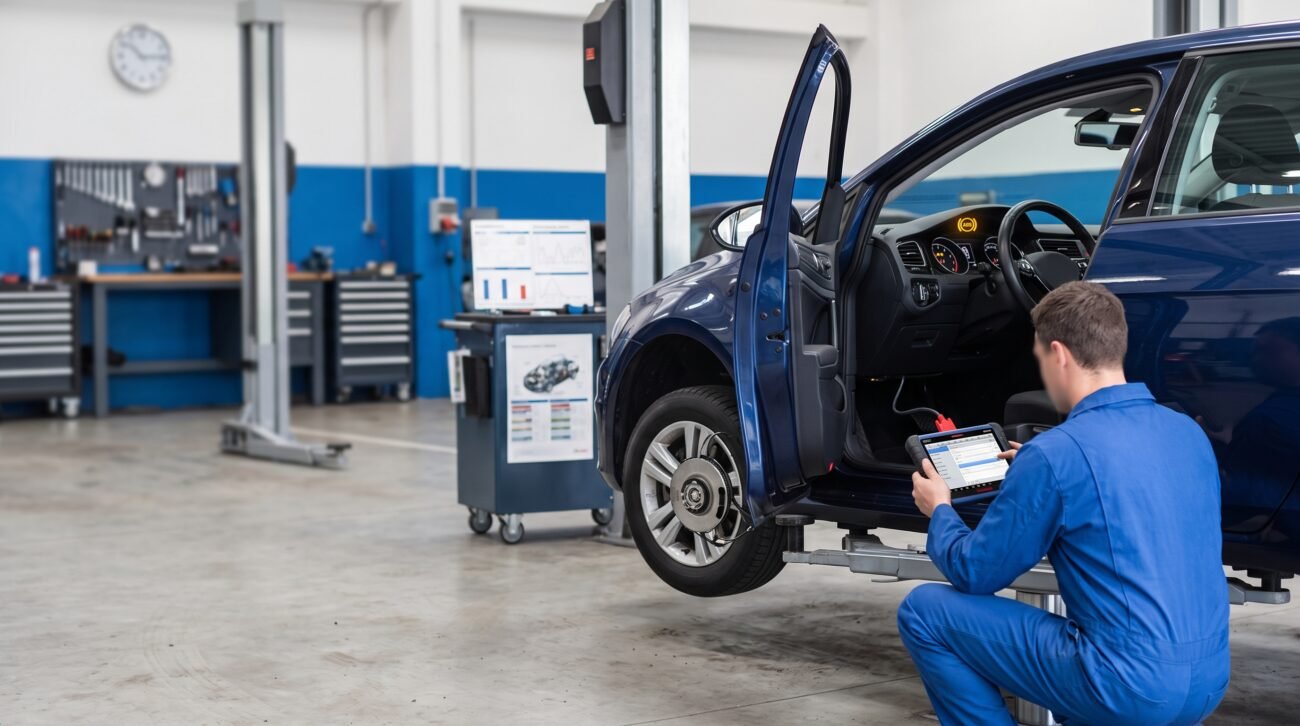
Brake problems can also occur without obvious visible signs. A brake system may have a hydraulic, mechanical, or electronic issue that cannot be identified simply by looking through the wheel.
If the vehicle has warning lights, unusual braking behavior, pulling during braking, or other safety concerns, have it checked by a qualified professional.
Disc Brakes vs. Drum Brakes: What Do They Look Like?
The easiest way to understand the visual difference is to compare their major components.
| Feature | Disc Brakes | Drum Brakes |
|---|---|---|
| Main visible part | Rotor | Drum |
| Friction component | Brake pads | Brake shoes |
| Caliper | Yes | No |
| Common location | Front and rear | Often rear on some vehicles |
| Visibility | More visible | Mostly enclosed |
Disc brakes have a flat rotor that is relatively easy to identify through an open wheel.
Drum brakes have a round enclosed drum. Their shoes and internal hardware are hidden inside.
Vehicle manufacturers may use different combinations depending on the vehicle’s design.
Therefore, what do car brakes look like depends heavily on whether the vehicle uses disc brakes, drum brakes, or a combination.
How to Identify Your Car’s Brake Type
You can often identify the brake type with a simple visual check.
First, park the vehicle securely and allow the brakes to cool.
Look through the wheel without touching the brake components.
If you see a large, flat circular disc with a caliper around part of its edge, the wheel is using a disc brake.
If you see a mostly enclosed round housing without the exposed rotor-and-caliper arrangement, it may be a drum brake.
The wheel design can make this difficult to determine.
If you are unsure, check the vehicle owner’s manual or ask a qualified mechanic.
Another useful clue is the vehicle’s specifications. However, brake configurations can vary between model years, trim levels, and individual versions of the same model.
Learning what do car brakes look like on your own vehicle is easier when you know exactly which brake design it uses.
Can You Check What Your Car Brakes Look Like at Home?
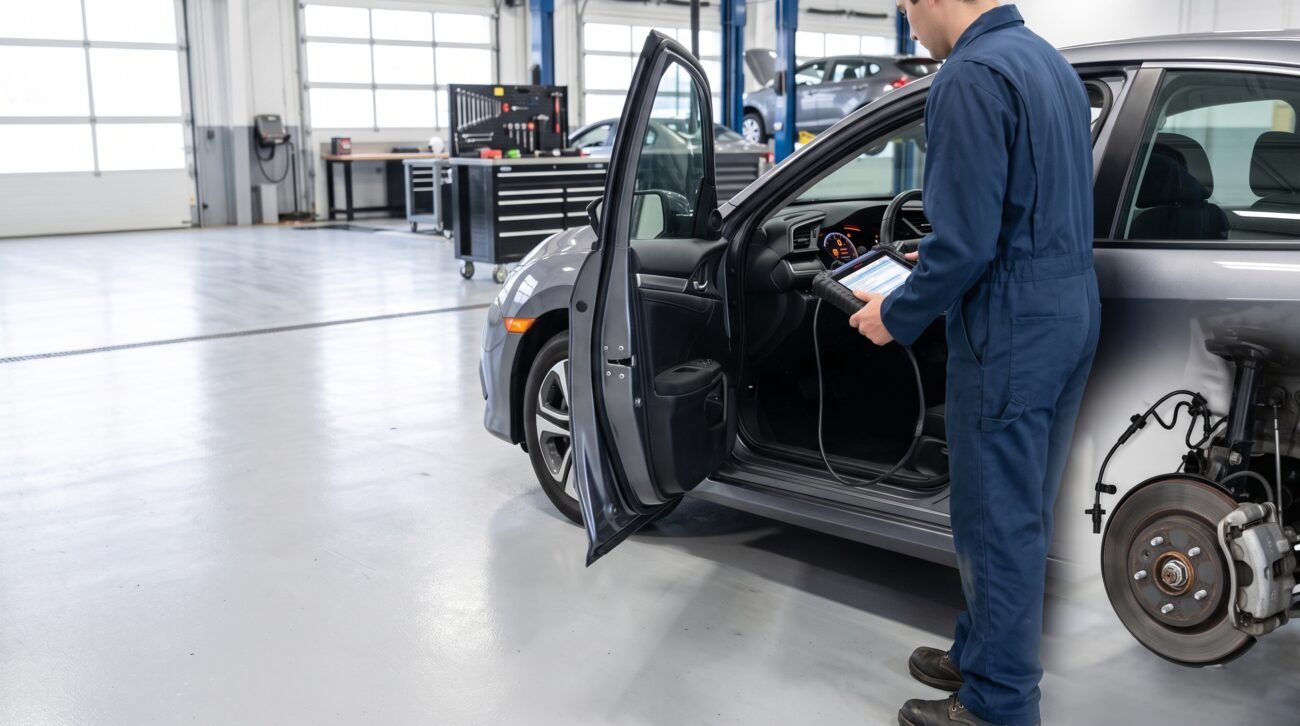
Yes, you can perform a basic visual inspection from a safe position.
Start by parking the car on a stable surface. Put the vehicle in the correct parked or secured position according to the owner’s manual.
Do not inspect the brakes while the vehicle is moving.
You can look through the wheel to identify the rotor and caliper if the vehicle has disc brakes.
Do not place your fingers between brake components or try to move brake parts.
Also, remember that brake components can become extremely hot after driving. Allow them to cool before getting close to them.
A home visual inspection is useful for learning what do car brakes look like, but it is not a substitute for a complete brake inspection.
If you notice serious corrosion, cracks, very thin pads, damaged parts, or a braking problem, ask a qualified mechanic to inspect the vehicle.
For younger drivers, it is also sensible to ask a trusted adult for help with any inspection involving the vehicle.
FAQ
What do brakes look like in a car?
Car brakes are located near the wheels and are designed to slow down or stop the vehicle. In many modern cars, you can see a round metal disc called a brake rotor behind the wheel. A brake caliper sits around part of the rotor and contains brake pads. When you press the brake pedal, the pads press against the rotor to create friction and slow the wheel. Some cars, especially on the rear wheels, use drum brakes instead. Drum brakes have a round metal housing that covers the internal brake parts. The exact appearance depends on the car’s brake system.
Do cars have 4 or 2 brakes?
Most modern cars have brakes on all four wheels, so they have four braking assemblies. Each wheel usually has its own brake mechanism that helps slow the vehicle. However, the front and rear brakes may use different designs. For example, a car may have disc brakes on the front wheels and drum brakes on the rear wheels. The front brakes usually handle more of the braking force because the vehicle’s weight shifts forward when slowing down. Some older or specialized vehicles can have different setups. Therefore, whether a car has four disc brakes, four drum brakes, or a combination depends on the vehicle’s design.
Is the brake the left or right pedal?
In a typical automatic car, the brake pedal is located to the left of the accelerator pedal. The accelerator is the pedal on the far right. You normally use your right foot to press the brake or accelerator, rather than using both feet. In a manual car, there are three pedals: the clutch on the far left, the brake in the middle, and the accelerator on the right. Pedal positions can vary slightly between vehicles, so always check your car’s controls before driving. Learning the correct pedal position is important because confusing the brake and accelerator can create a dangerous situation.
Is a brake job easy?
A brake job may look simple, but it requires the right tools, knowledge, and careful installation. Common brake work can include replacing brake pads, brake rotors, or other components. An experienced mechanic can often complete routine brake repairs efficiently. For someone without mechanical experience, however, brake work can be difficult because the braking system is essential for vehicle safety. A mistake during installation may affect how well the car stops. It is also important to inspect the brake system properly and follow the vehicle manufacturer’s specifications. If you are not confident with automotive repairs, having a qualified mechanic perform the brake job is the safer choice.
Final Thoughts
So, what do car brakes look like?
On most vehicles with disc brakes, the brake assembly behind the wheel looks like a large round metal rotor with a caliper positioned around its edge. The brake pads sit inside the caliper and press against the rotor when you brake.
Drum brakes look different. They use an enclosed brake drum with curved brake shoes and other hardware inside.
Learning these basic shapes makes it much easier to recognize brake components. Still, a visual inspection cannot confirm that a brake system is fully safe or working correctly.
If you see severe wear, cracks, deep grooves, heavy corrosion, or damaged parts—or if the car does not brake normally—have the vehicle inspected by a qualified professional.
In short, what do car brakes look like depends on the brake design, but disc brakes usually show a round rotor and caliper, while drum brakes have an enclosed round drum.



One thought on “What Do Car Brakes Look Like? A Simple Visual Guide”