

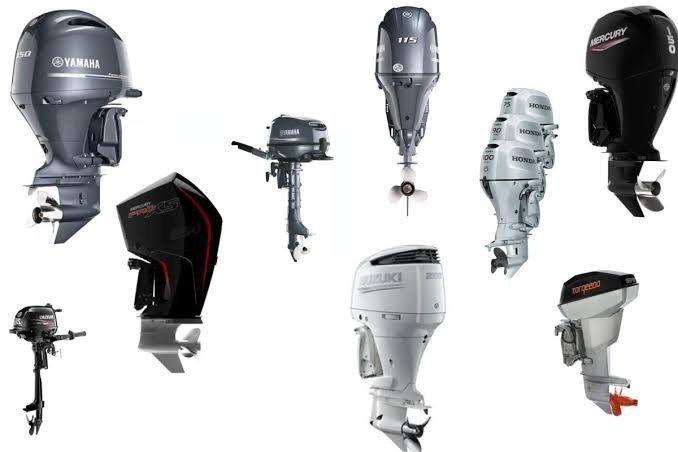
Choosing the right outboard motor can completely change the way you experience your boat. A good engine can make launching easier, cruising smoother, fishing more enjoyable, and long days on the water much less stressful. But with so many brands, horsepower ratings, technologies, and engine styles available, deciding which motor deserves your money can feel surprisingly complicated.
If you have been searching for what are the best outboard motors, the first thing to understand is that there is no single engine that is perfect for every boat. The best choice depends on your boat’s size, weight, hull design, intended use, budget, and the kind of performance you expect.
A motor that is excellent for a lightweight fishing boat may not be the right option for a large pontoon. Likewise, a high-performance engine designed for speed may be unnecessary for someone who mainly enjoys relaxed family cruises.
Modern outboard motors have also become much more advanced. Today’s engines can offer impressive fuel efficiency, smooth acceleration, quieter operation, improved corrosion protection, digital controls, and sophisticated monitoring systems. Electric outboards are also becoming an interesting alternative for certain boating applications.
This guide explores the major factors that matter when choosing an outboard motor. We will look at leading brands, different engine types, horsepower, fuel economy, maintenance, pricing, and the best choices for different types of boats.
What Is an Outboard Motor?
An outboard motor is a complete propulsion system mounted on the outside of a boat. Unlike an inboard engine, which is installed inside the hull, an outboard combines the engine, transmission components, propeller, steering mechanism, and related systems into one external unit.
This design has several advantages. An outboard can be relatively easy to access for maintenance, and the entire motor can often be tilted out of the water when the boat is stored or transported.
Outboards are available in a huge range of sizes. Small portable engines can power lightweight boats, while large modern outboards provide enough power for substantial recreational boats.
The right engine should always be selected according to the boat manufacturer’s specifications. Installing an engine that exceeds the boat’s rated capacity can create serious handling and safety problems.
How Does an Outboard Motor Work?
Although modern engines can contain sophisticated electronics, the basic concept is fairly straightforward.
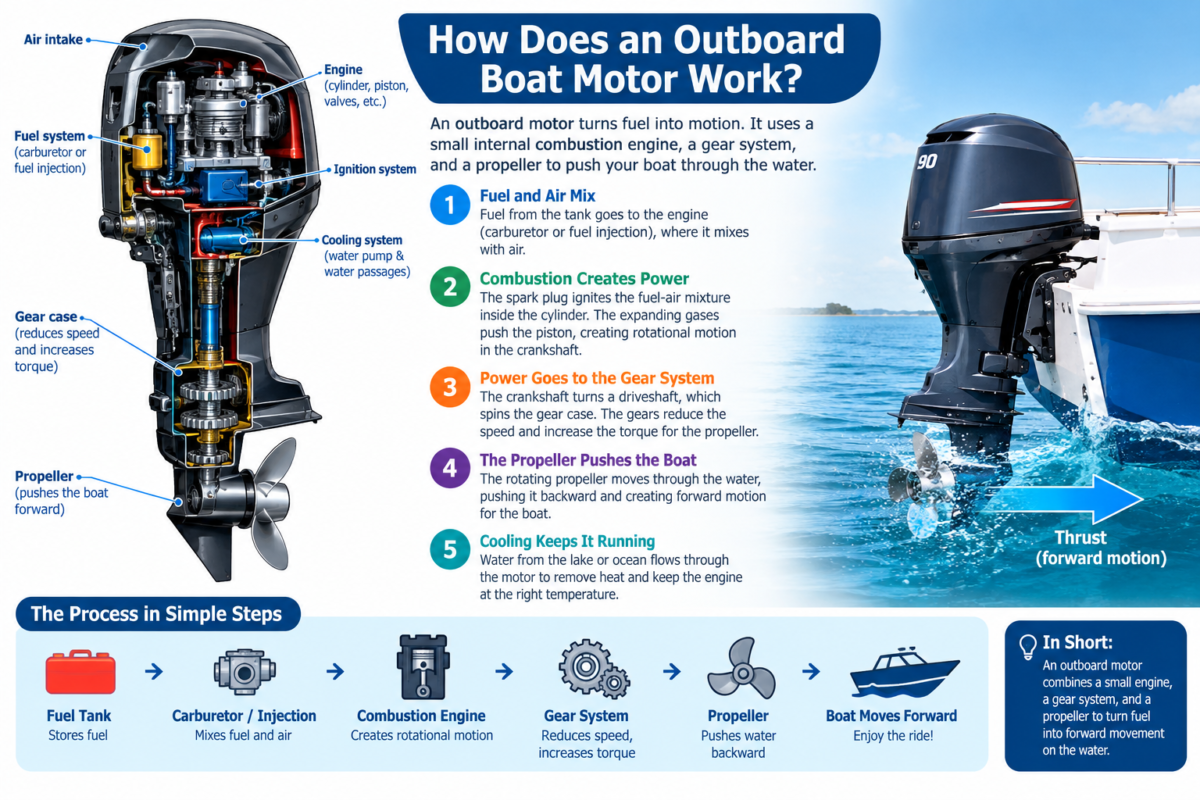
A gasoline outboard burns fuel and air inside an engine to produce mechanical power. That power is transferred through the driveshaft to the lower unit, where gears turn the propeller.
The propeller pushes water backward, creating thrust that moves the boat forward. Turning the outboard changes the direction of the thrust and helps steer the boat.
Many modern outboards also include electronic fuel injection, computerized engine management, digital gauges, and other technologies designed to improve performance and efficiency.
Electric outboards work differently. Instead of burning gasoline, they use an electric motor powered by batteries. They can be particularly attractive for smaller boats, short trips, quiet-water applications, and users who value low noise and simple operation.
What Are the Best Outboard Motors?
When people ask what are the best outboard motors, they are usually looking for engines that combine reliability, performance, efficiency, durability, and good ownership value.
Several manufacturers have established strong reputations in the marine industry. Mercury, Yamaha, Honda, Suzuki, and Tohatsu are among the major names that boat owners commonly consider.
However, choosing a brand should not be the only consideration. Dealer support, availability of replacement parts, warranty coverage, local servicing, engine weight, horsepower, fuel consumption, and compatibility with your boat can be equally important.
Let’s take a closer look at some of the major options.
Mercury Outboard Motors
Mercury Marine is one of the best-known names in the outboard industry. The company offers engines across a very broad horsepower range, making its lineup relevant to everything from small recreational boats to larger performance-oriented vessels.
Mercury engines are known for offering modern technology, strong acceleration, and a wide selection of configurations.
One advantage of choosing a major manufacturer such as Mercury is the availability of dealers and service networks in many boating markets. This can make routine servicing and finding replacement components easier.
For boat owners who want a combination of performance, technology, and broad product choice, Mercury is certainly a brand worth considering.
Yamaha Outboard Motors
Yamaha has built a strong reputation among boat owners for dependable marine engines. Its four-stroke outboards are widely used for fishing, cruising, family boating, and many commercial applications.
One of the qualities that attracts many owners to Yamaha is smooth operation. Modern Yamaha outboards are designed with fuel efficiency, durability, and comfortable operation in mind.
Yamaha also offers engines in different sizes, allowing boat owners to select a motor that matches their particular application.
As with any brand, local dealer support should be considered before purchasing. A great engine becomes much more convenient to own when qualified service and genuine parts are readily available.
Honda Outboard Motors
Honda is another major name in marine propulsion. The company’s background in four-stroke engine technology has helped establish its reputation among boaters who value smooth operation and dependable performance.
Honda outboards are available for a variety of recreational applications. Many boat owners appreciate their quiet running characteristics and efficient operation.
Honda can be especially appealing to users who want a four-stroke engine from an established manufacturer.
Before buying, compare the specific Honda model with competing engines based on horsepower, weight, price, features, warranty, and local service availability.
Suzuki Outboard Motors
Suzuki Marine has become another important competitor in the modern outboard market.
Suzuki offers a wide range of four-stroke outboards, including compact engines and powerful models designed for larger boats.
Fuel efficiency is an important part of modern outboard design, and Suzuki has developed technologies intended to help engines deliver useful performance without unnecessary fuel consumption.
For boaters comparing major Japanese outboard manufacturers, Suzuki deserves a place on the shortlist.
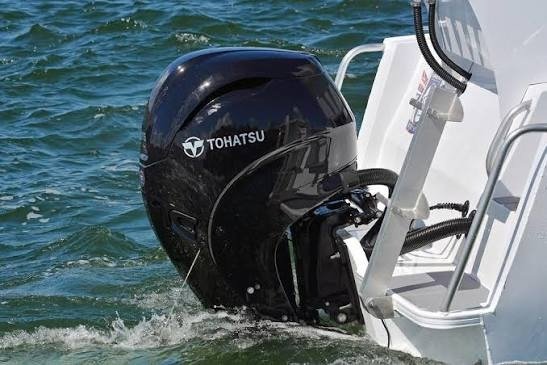
Tohatsu Outboard Motors
Tohatsu is another established manufacturer that produces a range of marine engines. The brand is particularly relevant to people looking at smaller and mid-range outboards.
Smaller Tohatsu motors can be attractive because portability and simplicity are often important for owners of small boats.
For a person who does not need a large, expensive engine, comparing Tohatsu with other manufacturers can be a smart way to find a practical option.
Choosing the Best Outboard Motor for Your Boat
The most important rule when selecting an outboard is simple: choose the motor for the boat, not just the motor you like most.
Start by checking the manufacturer’s recommended horsepower range. This information is usually provided on the boat’s capacity plate or in the owner’s documentation.
Then consider how you actually use the boat.
Someone who spends most weekends fishing may prioritize low-speed control, fuel economy, reliability, and quiet operation. A family that spends afternoons cruising may care more about smooth acceleration and comfortable performance.
A performance-focused boater may have completely different priorities.
Why Horsepower Matters
Horsepower is one of the most important specifications when shopping for an outboard.
An engine with too little power may struggle to move the boat effectively, especially when carrying several passengers or operating against wind and waves.
On the other hand, choosing more horsepower than the boat is designed to handle is not a good solution. The boat manufacturer establishes maximum power ratings for important reasons related to structural design, balance, and handling.
Therefore, don’t assume that the biggest engine is automatically the best engine.
The goal is to find an appropriate horsepower level that fits the boat and the way you use it.
What Is the Best Outboard Motor for a Small Boat?
Small boats generally benefit from lightweight and easy-to-handle engines.
Portable outboards are particularly useful for inflatable boats, dinghies, small fishing boats, and other lightweight craft. An engine that is too heavy can affect the boat’s balance and make transportation difficult.
For small boats, consider:
- Engine weight
- Horsepower
- Portability
- Starting system
- Fuel consumption
- Ease of maintenance
- Local parts availability
A smaller engine can also be easier to store and transport, which is valuable for boaters who frequently move their boat between locations.
What Is the Best Outboard Motor for Fishing?
Fishing boats have unique requirements.
A fishing-focused boater may spend hours on the water at relatively low speeds. That means smooth low-speed operation, precise control, reliability, and reasonable fuel consumption can be more important than maximum speed.
A dependable motor is especially valuable during long fishing trips. Nobody wants an engine problem to turn a relaxing day on the water into an unexpected return trip.
When comparing engines for fishing, also consider the availability of service in the areas where you normally boat.
What Is the Best Outboard Motor for a Pontoon Boat?
Pontoon boats are generally heavier and have a different hull design from narrow fishing boats or speedboats.
Because pontoons are often used for carrying families and groups, the engine needs to provide suitable thrust for the boat’s size and typical load.
Consider how many passengers you normally carry. A motor that feels adequate with two people may perform differently when the boat is loaded with passengers, coolers, equipment, and other gear.
Again, the manufacturer’s horsepower recommendation should be the starting point.
What Is the Best Outboard Motor for Family Boating?
For family boating, smoothness and reliability can be more important than raw speed.
A good family-boating engine should provide predictable acceleration and comfortable cruising. Noise level may also matter because a quieter motor makes conversation easier while underway.
Fuel efficiency is another useful consideration. If your family spends many hours cruising, an efficient engine can help reduce operating costs.
Simple maintenance and strong dealer support can also make ownership easier.
Four-Stroke vs. Two-Stroke Outboard Motors
One of the classic questions when shopping for an outboard is whether to choose a two-stroke or four-stroke engine.
Modern four-stroke outboards are extremely common in recreational boating. They are generally recognized for smooth operation, good fuel efficiency, and lower emissions compared with older conventional two-stroke designs.
Traditional two-stroke engines have historically been appreciated for their relatively simple construction and strong power-to-weight characteristics.
However, marine engine technology has changed significantly over the years. Modern direct-injection two-stroke designs differ substantially from older carbureted engines.
For a new purchase, compare the specific models rather than assuming that one engine type is always better.
Are Electric Outboard Motors Worth Considering?
Electric outboard motors are attracting increasing attention.
They offer some obvious advantages. Electric motors can operate very quietly, have fewer moving mechanical components than combustion engines, and can be convenient for certain short-distance applications.
They can be especially interesting for small boats used on calm lakes, ponds, canals, and other locations where long-range operation is not required.
The biggest consideration is energy storage.
Battery capacity, charging time, operating range, and battery weight all need to be considered before selecting an electric motor.
For longer trips or high-power applications, gasoline outboards may still be more practical.
Fuel Efficiency and Outboard Performance
Fuel efficiency is an important part of ownership cost.
Two engines with similar horsepower ratings may not necessarily consume fuel at the same rate under every operating condition. Boat weight, hull design, propeller choice, speed, weather, load, and throttle position all influence consumption.
One of the easiest ways to improve efficiency is to operate the boat at a sensible cruising speed rather than constantly running at maximum throttle.
Keeping the engine properly maintained also matters.
A damaged propeller, poor engine condition, incorrect setup, or excessive load can reduce overall efficiency.
Why Propeller Selection Matters
The propeller is sometimes overlooked when people compare outboard motors, but it plays an important role in how an engine performs.
Propellers are available in different materials, diameters, pitches, and blade configurations.
The right propeller helps the engine operate within its recommended operating range while delivering appropriate acceleration and cruising performance.
A propeller that is not properly matched to the boat and engine can negatively affect performance.
If you’re unsure which propeller to use, consult the engine manufacturer, boat manufacturer, or a qualified marine technician.
What Makes an Outboard Motor Reliable?
Reliability isn’t determined by one component.
A dependable outboard is the result of good engineering, quality manufacturing, proper installation, regular maintenance, and appropriate operation.
Corrosion protection is particularly important for boats used in saltwater. Saltwater environments can be harsh on metal components and electrical connections.
Cooling-system maintenance is also essential. An outboard relies on proper cooling to control engine temperature.
Following the manufacturer’s service schedule can help identify potential issues before they become major problems.
New vs. Used Outboard Motors
Buying a new outboard provides several advantages.
You typically receive a manufacturer’s warranty, the latest available technology, and an engine with no previous operating history. You can also select the exact configuration you want.
However, new engines can be expensive.
Used outboards may provide excellent value when purchased carefully. A well-maintained older engine can continue to provide useful service for many years.
When considering a used motor, ask about:
- Engine age
- Operating hours
- Maintenance records
- Previous repairs
- Saltwater exposure
- Storage conditions
- Propeller condition
- Lower-unit condition
- Availability of replacement parts
A professional marine inspection can be worthwhile before purchasing an expensive used engine.
How Much Does an Outboard Motor Cost?
Outboard motor prices vary enormously.
A small portable engine can cost far less than a large, high-horsepower model. Electric outboards also vary significantly depending on motor power and battery capacity.
Remember that the engine price is not necessarily the total installation cost.
Depending on your boat, you may also need controls, cables or electronic controls, a propeller, battery equipment, fuel-system components, rigging, mounting work, and professional installation.
Maintenance and fuel costs should also be included when calculating the long-term cost of ownership.
Instead of asking only, “How much does the engine cost?” consider asking, “What will this engine cost me to own and operate over several years?”
Maintenance Tips for Long-Lasting Outboard Performance
Even an excellent engine needs regular care.
One of the simplest habits is flushing an outboard properly after saltwater operation according to the manufacturer’s instructions.
You should also inspect the propeller regularly. Fishing line, rope, debris, or impacts can damage the propeller and affect performance.
Engine oil and filters should be serviced according to the manufacturer’s schedule.
The cooling system should also be monitored. A motor that is not receiving proper cooling water can develop serious problems.
Fuel should be stored and managed appropriately, and the engine should be prepared correctly for periods of extended storage.
Always follow the maintenance procedures specified for your particular model.
Common Outboard Motor Problems
Even reliable engines can experience problems.
One common complaint is difficulty starting. Possible causes can include fuel-system problems, electrical issues, battery problems, or other mechanical faults.
Overheating can also occur when the cooling system is not functioning correctly.
Loss of power may be caused by several factors, including fuel delivery problems, propeller damage, engine faults, or incorrect setup.
Unusual vibration may indicate a damaged propeller or another mechanical issue.
If an engine begins behaving differently from normal, it is better to investigate the problem rather than continuing to operate it without understanding the cause.
How to Compare Outboard Motors Before Buying
A simple comparison checklist can make your decision much easier.
Start with horsepower and make sure the engine is appropriate for your boat.
Next, compare engine weight. Two engines with similar power can have different weights, and weight matters when determining boat balance.
Mercury section:
Mercury Marine is one of the most recognized names in the outboard motor industry, offering engines for everything from small recreational boats to larger performance-oriented vessels. The company focuses on performance, reliability, technology, and a wide range of horsepower options. If you want to explore the manufacturer’s current engine lineup and specifications, you can visit Mercury Marine for more information.
Then look at fuel efficiency, warranty coverage, service availability, parts availability, controls, technology, and purchase price.
Finally, think about your own boating habits.
The best engine on paper may not be the best engine for you if there is no convenient service network in your area.
Should You Choose the Most Powerful Engine?
Not necessarily.
More horsepower can provide stronger acceleration and higher potential performance, but it can also mean greater weight, higher purchase cost, and potentially greater fuel consumption.
Your boat has been designed around certain performance and capacity parameters.
The smartest approach is to select an engine that provides appropriate power without exceeding the boat’s specifications.
For many boat owners, balanced performance is more valuable than maximum horsepower.
Why Dealer and Service Support Matter
A motor is a long-term investment, so after-sales support deserves serious attention.
Before purchasing, find out where you can get routine servicing.
Ask whether replacement parts are readily available. Check whether technicians in your area are familiar with the engine brand and model.
A slightly less expensive engine can become frustrating if obtaining basic parts requires long delays.
Strong local support can therefore be one of the most important advantages of choosing a particular brand.
Outboard Motor Technology Is Getting Smarter
Modern outboards are becoming increasingly sophisticated.
Electronic fuel injection can improve fuel delivery and starting performance. Digital engine monitoring can provide useful information about engine operation.
Some modern systems also integrate engine data with multifunction displays and other onboard electronics.
These features can make boating more convenient, but they also mean modern engines can be more electronically complex than older designs.
That makes qualified servicing even more important.
How to Find the Right Balance Between Price and Quality
It can be tempting to choose the cheapest engine available.
However, the lowest purchase price does not always mean the lowest overall cost.
A motor with good fuel efficiency, reliable performance, readily available parts, and reasonable maintenance requirements may provide better long-term value.
Think about how frequently you use your boat.
If you boat only a few times a year, your priorities may be different from those of someone who spends hundreds of hours on the water annually.
The right purchase is the one that matches your actual needs.
A Simple Outboard Motor Buying Checklist
Before making a final decision, consider these questions:
- What is my boat’s maximum rated horsepower?
- How much does the boat normally weigh when loaded?
- How many passengers will I usually carry?
- Will I use the boat in freshwater or saltwater?
- How far do I typically travel?
- Do I prioritize speed or fuel economy?
- Do I need a portable motor?
- Is an electric motor practical for my use?
- Is local service available?
- Are replacement parts easy to obtain?
- What warranty does the manufacturer provide?
- What will installation and long-term maintenance cost?
Answering these questions can narrow down the choices considerably.
FAQs
What are the best outboard motors for reliability?
There are several well-established manufacturers with strong reputations for reliable marine engines, including Mercury, Yamaha, Honda, Suzuki, and Tohatsu. The specific model, maintenance history, installation, and operating conditions are just as important as the brand.
What is the best outboard motor brand?
There is no universally best brand. Mercury, Yamaha, Honda, Suzuki, and Tohatsu all offer different models and strengths. The best brand for you depends on your boat, budget, preferred engine size, and local dealer support.
What horsepower outboard do I need?
The correct horsepower depends on your boat. Always start with the manufacturer’s recommended or maximum horsepower rating. Never exceed the boat’s rated capacity.
Are four-stroke outboards better than two-stroke outboards?
Modern four-stroke engines are popular because of their smooth operation, efficiency, and emissions characteristics. However, specific engine design matters more than simply choosing based on the number of strokes.
Are electric outboard motors good?
Electric outboards can be excellent for certain applications, especially smaller boats and shorter trips. Battery capacity and range are the main considerations.
How long can an outboard motor last?
Service life varies depending on the engine, operating hours, maintenance, storage, and environment. A properly maintained motor can provide many years of useful service, but there is no universal lifespan that applies to every engine.
Is a used outboard motor worth buying?
A used outboard can be a good value if it has been properly maintained and inspected. Maintenance records, engine hours, condition, and parts availability should all be considered before buying.
Does a bigger outboard make a boat faster?
More horsepower can increase performance when the boat is designed to handle it. However, speed also depends on hull design, boat weight, propeller selection, water conditions, and other factors. Never exceed the boat’s rated capacity.
Final Thoughts
Finding the answer to what are the best outboard motors is less about choosing the biggest or most expensive engine and more about finding the right match for your boat. Mercury, Yamaha, Honda, Suzuki, and Tohatsu all offer compelling choices, but the ideal motor depends on your specific boating needs.
Start with your boat’s horsepower rating and weight. Then think about how you actually spend time on the water. A fishing enthusiast may prioritize efficiency and smooth low-speed control, while a family boater may want quiet cruising and dependable performance. Someone with a small boat may care most about portability and simplicity, while a larger boat may require substantially more power.
Fuel economy, engine weight, warranty, maintenance requirements, corrosion protection, and local service support should also influence your decision. Electric outboards are another option worth exploring when their range and power suit the application.
Most importantly, don’t choose an engine based only on specifications printed on a brochure. Consider the complete ownership experience. The best outboard motor is the one that fits your boat correctly, performs reliably, remains practical to maintain, and helps you enjoy more confident and comfortable days on the water.

One thought on “What Are the Best Outboard Motors? Discover Powerful, Reliable & Exciting Choices for Every Boat”