

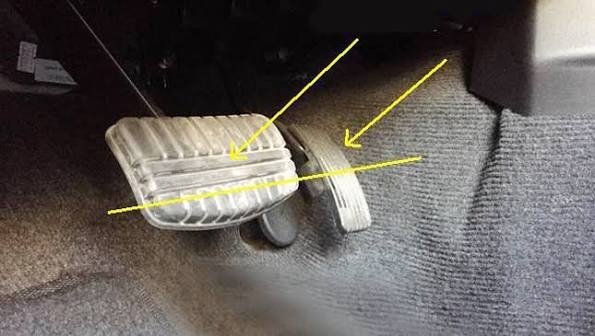
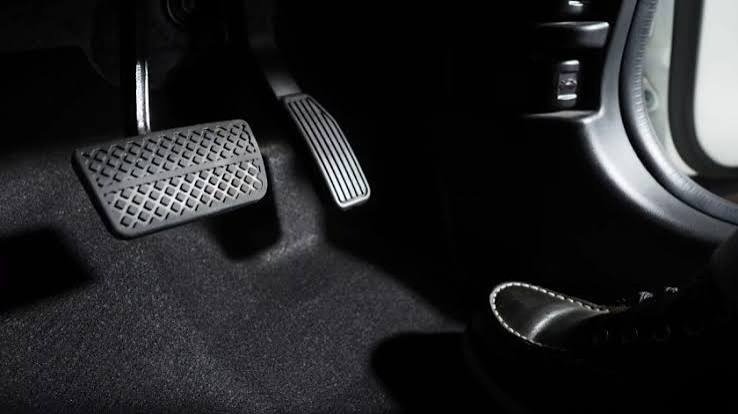
When you press the brake pedal, your car can slow down or come to a complete stop within seconds. It may feel like a simple action, but behind that pedal is a carefully engineered system involving mechanical movement, hydraulic pressure, friction, heat, and modern electronic technology. Every time you drive, the braking system works quietly in the background to help you control speed and stop when necessary.
Understanding how do brakes work in a car can help drivers appreciate one of the most important safety systems in a vehicle. From the brake pedal and master cylinder to brake fluid, calipers, pads, rotors, and anti-lock braking systems, every component has a specific job. When these parts work together correctly, the driver can slow the vehicle smoothly and maintain better control.
The basic principle is surprisingly easy to understand. Your foot applies force to the brake pedal. That force is amplified and transferred through the hydraulic system. Brake fluid carries pressure toward the wheels, where brake pads and other components create friction against rotating parts. That friction reduces the wheels’ rotational speed and converts some of the vehicle’s kinetic energy into heat.
Modern vehicles can make the process even more sophisticated with ABS, electronic brake-force distribution, traction control, and stability-control technology. However, the fundamental idea remains the same: controlled friction is used to reduce motion safely and predictably.
What Are Car Brakes?
Car brakes are a system of components designed to slow down or stop a moving vehicle. They also allow the driver to control the vehicle’s speed while traveling downhill, approaching traffic, entering a corner, or dealing with changing road conditions.
A typical braking system contains several connected components. These can include the brake pedal, brake booster, master cylinder, brake fluid, brake lines, calipers, brake pads, rotors, wheel cylinders, and brake shoes. Depending on the vehicle, electronic sensors and control modules may also play an important role.
The braking system does not simply “grab” the wheels and stop them instantly. Instead, it carefully reduces wheel rotation while maintaining enough tire contact with the road to help the driver retain control.
This is important because the tires are ultimately what interact with the road. The brakes act on the wheels, but the tires transfer the braking force to the road surface.
How Do Brakes Work in a Car?
The easiest way to understand how do brakes work in a car is to follow the process from the driver’s foot to the wheels.
When you press the brake pedal, the pedal moves a mechanical linkage connected to the brake booster and master cylinder. The booster helps multiply the force created by your foot, making it much easier to generate sufficient braking pressure.
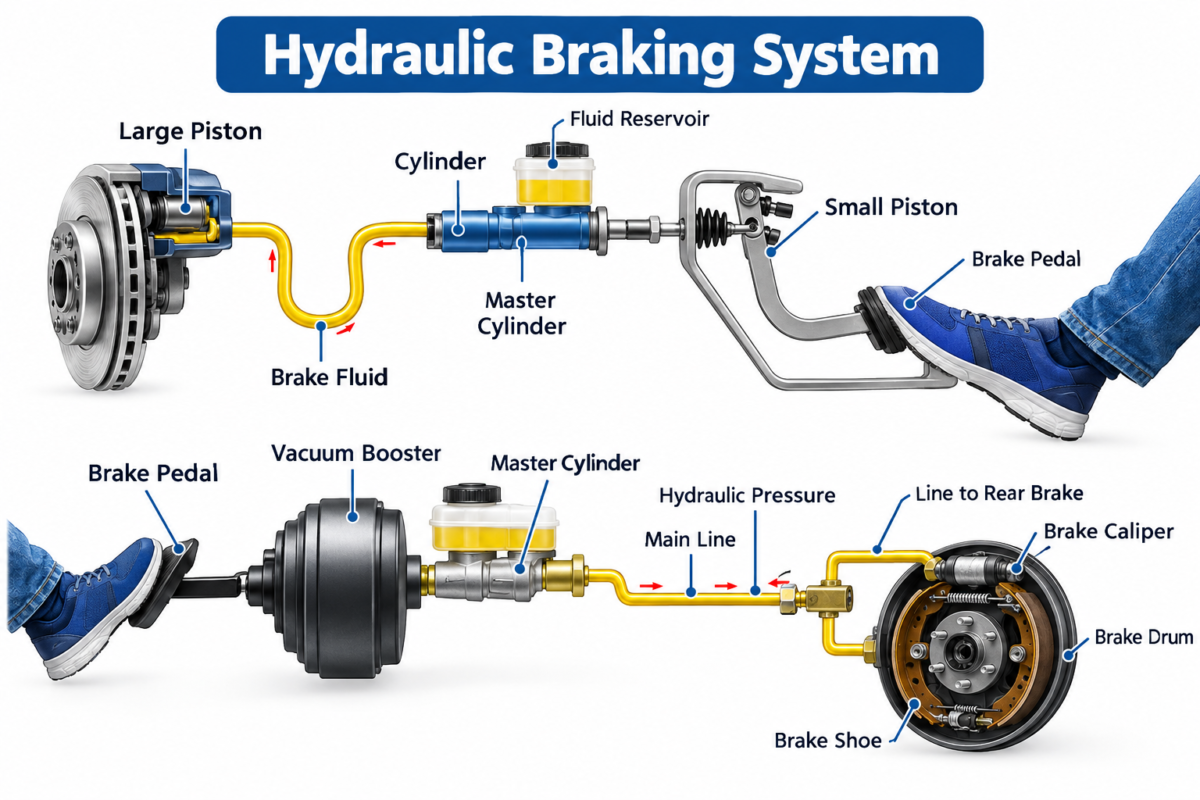
The master cylinder then converts this mechanical force into hydraulic pressure. Brake fluid inside the hydraulic system carries that pressure through brake lines and hoses toward the individual wheels.
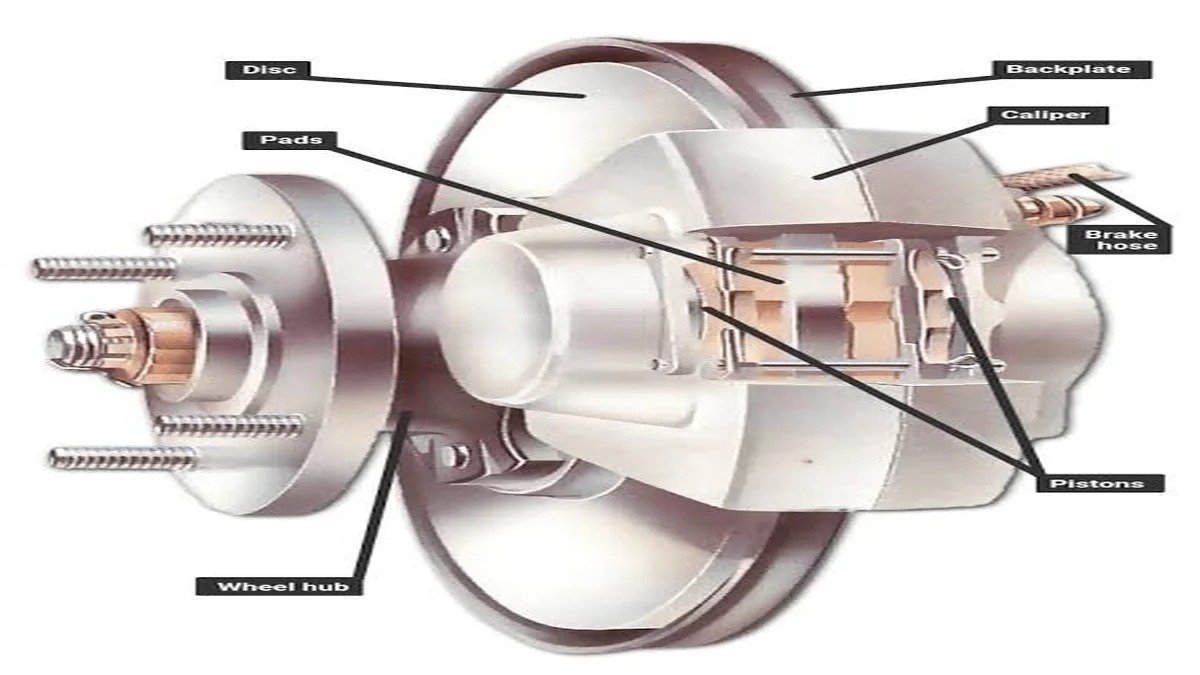
At the wheels, the hydraulic pressure activates the braking mechanism. In a disc-brake system, brake fluid pushes pistons inside the caliper. The pistons move the brake pads against the rotor.
The rotor is attached to the wheel and spins as the vehicle moves. When the brake pads press against the spinning rotor, friction is created. This friction resists rotation and slows the wheel.
As the wheels slow, the tires’ movement against the road also decreases. The vehicle’s speed falls until the car eventually comes to a stop.
It is a coordinated process involving several forms of energy and force. Mechanical force begins the process, hydraulic pressure transfers it, and friction produces the braking effect.
The Step-by-Step Process of Car Braking
Step 1: The Driver Presses the Brake Pedal
Everything starts when the driver presses the brake pedal.
The amount of pressure applied to the pedal affects how strongly the braking system responds. A light pedal press may gently slow the vehicle, while stronger pressure produces greater braking force.
Modern brake systems are designed to make this process responsive and predictable. The driver does not need to manually control hydraulic valves or mechanical components. The system handles those functions automatically.
Step 2: The Brake Booster Increases Force
Most modern vehicles use a brake booster to assist the driver’s pedal effort.
Without assistance, stopping a heavy vehicle would require significantly more force from the driver’s leg. The brake booster uses a pressure difference to amplify the force applied to the pedal.
Depending on the vehicle, the booster may use engine vacuum or an electronically controlled system.
The result is a brake pedal that feels manageable while still generating enough force for effective braking.
Step 3: The Master Cylinder Creates Hydraulic Pressure
The master cylinder is one of the most important components in a hydraulic braking system.
When the brake pedal pushes the master cylinder’s internal pistons, brake fluid is pressurized. This pressure travels through the hydraulic brake lines.
Because brake fluid is designed to transmit pressure effectively, a relatively small movement at the master cylinder can produce controlled movement at the wheel brakes.
Many modern vehicles use a dual-circuit master cylinder. This design provides separate hydraulic circuits, improving system reliability if one circuit develops a problem.
Step 4: Brake Fluid Carries the Pressure
Brake fluid acts as the working medium inside the hydraulic braking system.
When pressure is generated at the master cylinder, the fluid moves through brake lines and flexible hoses toward the wheels.
Brake fluid needs to withstand high temperatures and operate reliably across a wide range of conditions. It also needs to resist excessive compression because hydraulic systems depend on pressure being transmitted efficiently.
Regular inspection and proper maintenance are important because contaminated or deteriorated brake fluid can affect braking performance.
Step 5: The Brakes Apply Friction
Once hydraulic pressure reaches the wheel-end components, the actual braking action begins.
In disc brakes, caliper pistons push brake pads against a rotating rotor. The contact between the pads and rotor produces friction.
That friction opposes the rotor’s rotation and reduces the speed of the wheel.
This is the central principle behind most modern braking systems.
Step 6: Kinetic Energy Becomes Heat
A moving vehicle contains kinetic energy. The brakes cannot simply make that energy disappear.
Instead, braking converts much of the vehicle’s kinetic energy into heat through friction.
This is why brake components can become extremely hot during repeated or heavy braking. Brake rotors, pads, drums, and other components are designed to handle substantial temperatures.
Effective heat management is essential for maintaining consistent braking performance.
Understanding Hydraulic Pressure in Brakes
Hydraulic pressure is one of the most important ideas behind modern car brakes.
A hydraulic system uses fluid to transmit force. When the master cylinder pressurizes the brake fluid, the pressure travels through the brake lines to the wheel brakes.
This allows the driver’s relatively small pedal movement to create a much larger braking force at the wheels.
The concept is based on Pascal’s principle, which states that pressure applied to a confined fluid is transmitted throughout the fluid.
In practical terms, the braking system uses this principle to transfer your foot’s force from the brake pedal to the brake pads or shoes.
The design also allows braking force to be distributed between different wheels. This helps the vehicle slow down in a controlled manner rather than relying on a single mechanical connection.
What Is Friction and Why Is It Important?
Friction is the force that resists motion between surfaces that interact with each other.
In a car’s braking system, friction is essential because it allows the brakes to resist the rotation of the wheels.
When brake pads press against a rotor, the surfaces interact and generate friction. The rotor slows down, the wheel slows down, and the vehicle loses speed.
However, friction also produces heat. That means brake components must be manufactured from materials that can tolerate repeated heating and cooling.
The effectiveness of braking depends on many factors, including the condition of the brake components, tire grip, road surface, temperature, vehicle weight, and driving conditions.
How Disc Brakes Work
Disc brakes are widely used on modern passenger vehicles.
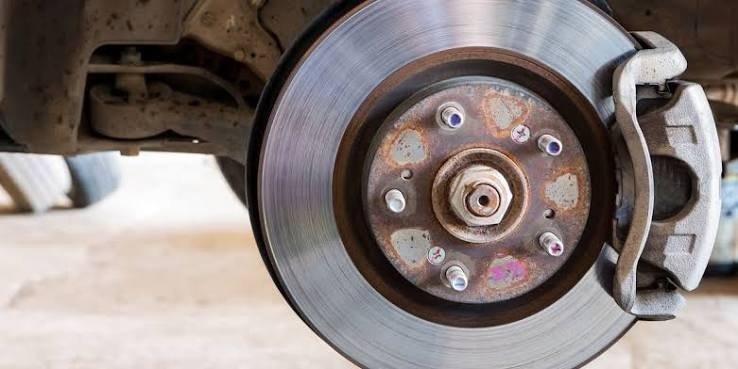
A disc-brake assembly generally consists of a rotor, caliper, brake pads, and related hardware.
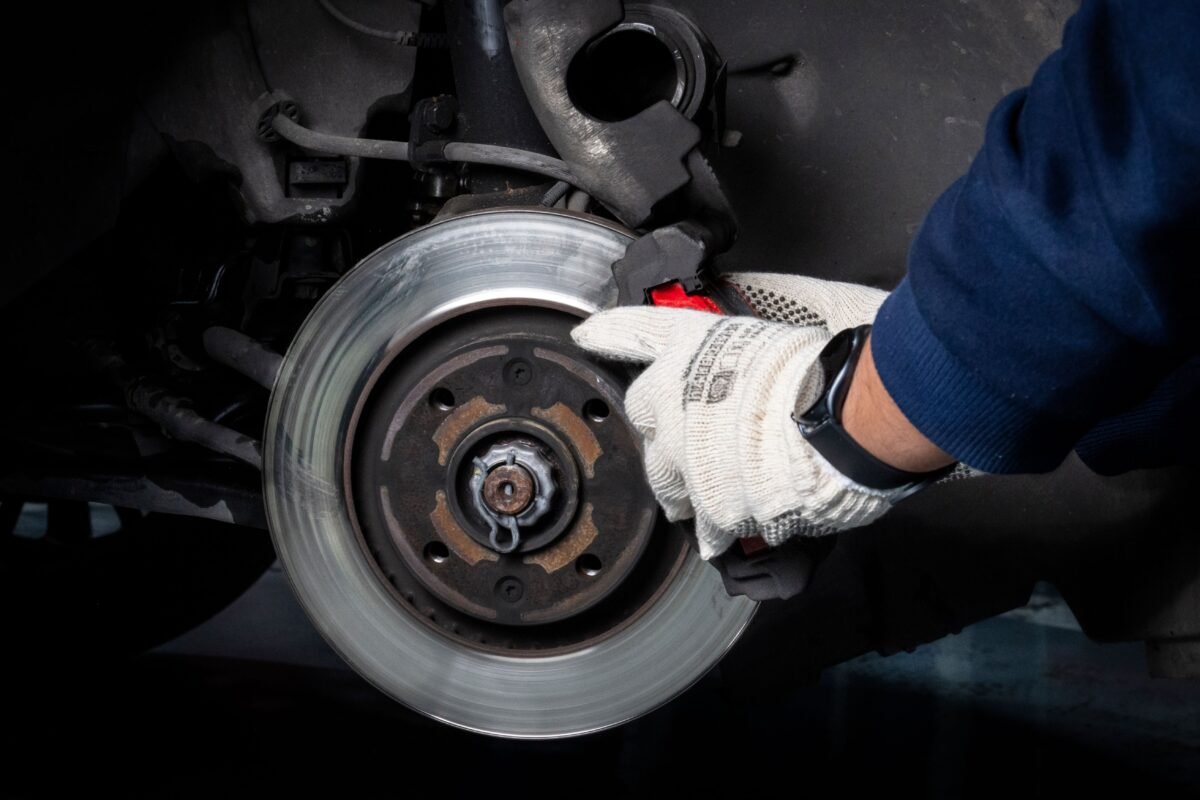
The rotor rotates with the wheel. The caliper sits around part of the rotor, and brake pads are positioned inside the caliper.
When the driver presses the brake pedal, hydraulic pressure reaches the caliper. Pistons inside the caliper move the brake pads toward the rotor.
The pads squeeze the rotor from both sides, creating friction and reducing its rotational speed.
Disc brakes are popular because they can dissipate heat effectively and provide consistent braking performance when properly designed and maintained.
How Drum Brakes Work
Drum brakes use a different arrangement.
Instead of a flat rotor and caliper, a drum brake contains a rotating drum and brake shoes. The drum rotates with the wheel.
When the brake pedal is pressed, hydraulic pressure can activate a wheel cylinder. The wheel cylinder pushes the brake shoes outward against the inside surface of the drum.
Friction between the shoes and drum slows the wheel.
Drum brakes can still be found on many vehicles, particularly on rear wheels of certain cars and trucks. Their design has advantages, including the ability to integrate parking-brake mechanisms relatively easily.
Disc Brakes vs. Drum Brakes
Disc and drum brakes both use friction to slow a vehicle, but their designs are different.
Disc brakes place brake pads against a rotor, while drum brakes push brake shoes against the inside of a rotating drum.
Disc brakes generally provide strong heat dissipation because the rotor is exposed to surrounding air. Drum brakes enclose much of the braking hardware inside the drum.
The choice between disc and drum brakes depends on vehicle design, cost, performance requirements, packaging, and other engineering considerations.
Both systems can provide reliable braking when properly designed and maintained.
What Is the Brake Rotor?
The brake rotor is a rotating metal disc used in a disc-brake system.
Because the rotor is connected to the wheel, it rotates whenever the vehicle moves.
When you press the brake pedal, the brake pads clamp onto the rotor. Friction between the pads and rotor reduces rotational speed.
Rotors must tolerate repeated heating and cooling. Their condition can affect braking feel and performance.
A rotor that is excessively worn, damaged, or uneven may contribute to vibration, noise, or other braking concerns.
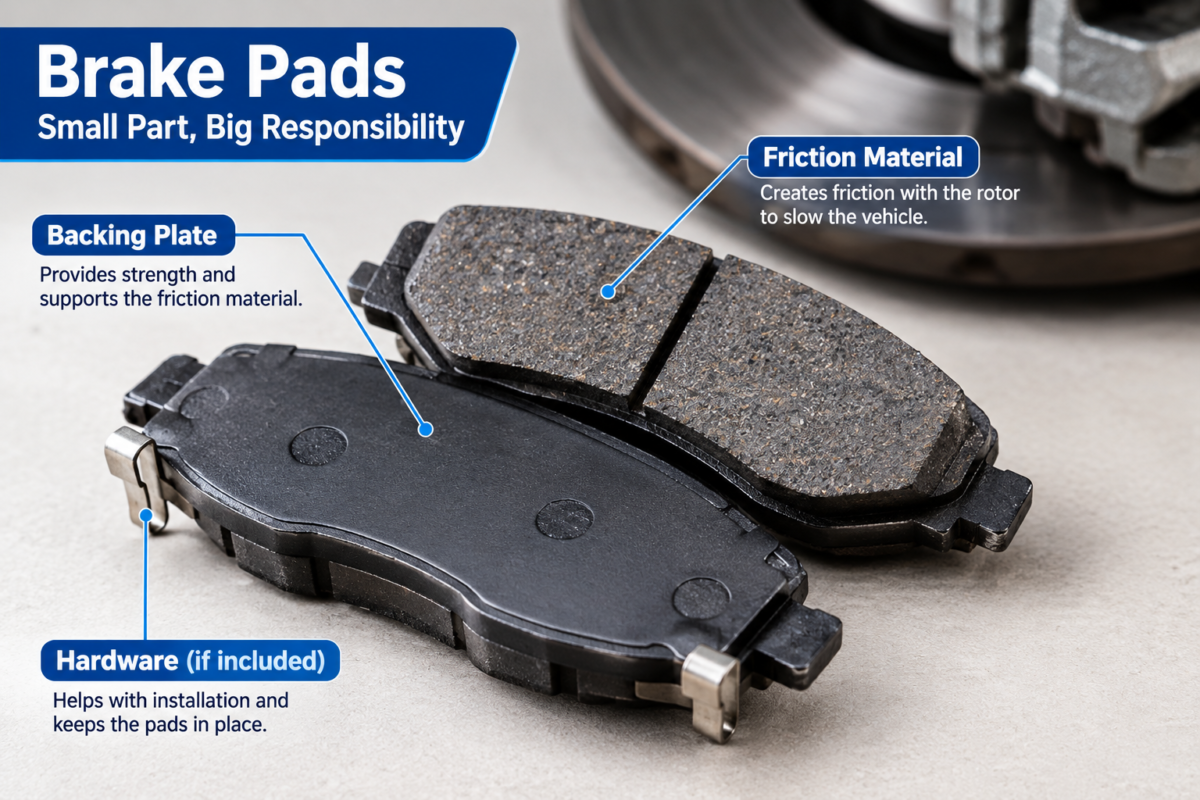
What Are Brake Pads?
Brake pads are friction components used in disc-brake systems.
They are designed to press against the rotor when the brakes are applied. The friction material on the pads gradually wears away with use.
Brake-pad life varies considerably. Driving habits, traffic conditions, vehicle weight, road conditions, brake design, and pad material can all influence how quickly pads wear.
Regular inspection helps determine whether the remaining friction material is adequate.
What Does the Brake Caliper Do?
The brake caliper is the component that holds and operates the brake pads around the rotor.
When hydraulic pressure reaches the caliper, its pistons move the pads toward the rotor.
The caliper must apply pressure evenly enough to produce effective braking without creating unnecessary problems.
A properly functioning caliper is important for balanced and predictable braking.
If a caliper becomes stuck or develops another problem, it can affect brake-pad wear, heat generation, braking performance, or vehicle behavior.
How Does ABS Work?
Anti-lock braking systems, commonly called ABS, are designed to help prevent excessive wheel lock during hard braking.
During heavy braking, a wheel can approach a condition where it stops rotating while the vehicle is still moving. This can reduce the driver’s ability to steer effectively.
ABS uses wheel-speed sensors and electronic control components to monitor wheel behavior.
If the system detects that a wheel is approaching lock-up, it can rapidly adjust hydraulic brake pressure at that wheel. This process can happen many times per second.
The purpose is not simply to make the vehicle stop instantly. Instead, ABS is designed to help maintain useful tire-road interaction and steering control during hard braking.
Why Tires Matter to Braking Performance
Even the best braking system depends heavily on the tires.
The brakes slow the wheels, but the tires must transfer that braking force to the road.
If tires have poor traction, excessive wear, improper inflation, or unsuitable characteristics for the conditions, stopping performance can be affected.
Road conditions matter as well. Dry pavement generally provides different levels of tire grip than wet, icy, sandy, or loose surfaces.
This is why safe braking depends on more than just brake pads and rotors.
Why Does a Car Need a Brake Booster?
A brake booster reduces the physical effort needed to operate the braking system.
Without assistance, a driver would need to press much harder on the pedal to create the same hydraulic pressure.
The booster amplifies pedal force, making braking easier and more comfortable.
If a brake booster develops a problem, the pedal may feel noticeably harder than normal. Because brake-pedal changes can indicate an important braking-system issue, unusual pedal behavior should not be ignored.
What Happens During Emergency Braking?
Emergency braking places significant demands on the entire vehicle.
The driver may apply substantial pressure to the brake pedal. The hydraulic system responds by generating strong braking pressure, while ABS may intervene if wheel lock becomes a concern.
At the same time, the vehicle’s tires, suspension, steering, and road surface all influence the outcome.
Stopping distance is affected by vehicle speed, tire condition, road conditions, vehicle weight, brake condition, driver reaction time, and many other factors.
This is why maintaining a safe following distance remains important even when a vehicle has advanced braking technology.
Why Do Brakes Get Hot?
Heat is a natural result of braking.
A moving vehicle has kinetic energy. When the brakes slow the vehicle, much of that energy is converted into thermal energy.
The harder and more frequently the brakes are used, the more heat they may generate.
For example, repeated braking on a long downhill road can place considerable thermal stress on brake components.
If brakes become excessively hot, braking performance can change. This is one reason proper vehicle maintenance and appropriate driving techniques are important.
What Is Brake Fade?
Brake fade refers to a reduction in braking effectiveness that can occur when brake components become excessively hot.
Under normal conditions, the braking system is designed to operate effectively within its intended temperature range.
Repeated heavy braking can raise temperatures significantly. If the components become too hot, their ability to produce consistent braking force may be affected.
Brake fade is one reason drivers should avoid unnecessary repeated hard braking and should follow appropriate driving practices on steep roads.
Common Signs of Brake Problems
Your car can provide several warning signs when the braking system needs attention.
Squealing or Unusual Noise
Some brake pads include wear indicators designed to create a noticeable sound when the friction material becomes low. However, not every brake noise has the same cause.
Persistent squealing, grinding, or other unusual sounds should be investigated.
Soft or Spongy Brake Pedal
A brake pedal that suddenly feels unusually soft or spongy can indicate a hydraulic-system concern or another braking-system issue.
Because the brake system is safety-critical, this type of change should be checked promptly.
Brake Vibration
A noticeable vibration during braking may have several possible causes, including brake-component issues, wheel problems, suspension concerns, or other mechanical conditions.
A professional inspection can help identify the actual source.
Vehicle Pulling During Braking
If a vehicle consistently pulls to one side while braking, it may indicate an issue involving the brakes, tires, suspension, or alignment.
It should not simply be ignored.
Longer Stopping Distance
If the vehicle seems to require more distance than usual to slow down, the braking system and tires should be inspected.
Changes in stopping performance are important warning signs.
Modern vehicles can combine conventional hydraulic braking with electronic control systems that adjust brake pressure at individual wheels. The NHTSA hydraulic braking system assessment explains how electronic control modules and brake modulators can adjust hydraulic pressure delivered to the brakes.
Brake Warning Light
A brake-related warning light on the dashboard should be taken seriously. Depending on the vehicle, it may indicate different conditions involving the brake system.
The vehicle owner’s manual can help explain the specific warning.
How to Maintain Your Car’s Brakes
Brake maintenance is an important part of responsible vehicle ownership.
Following the manufacturer’s recommended maintenance schedule is a good starting point. Brake pads, rotors, brake fluid, hoses, and other components should be inspected according to the vehicle’s requirements and actual condition.
Drivers should also pay attention to changes in brake pedal feel, unusual sounds, warning lights, vibrations, and stopping behavior.
Brake fluid should be checked and serviced according to the manufacturer’s recommendations. Using the correct brake-fluid type is important because different vehicles are designed for specific fluid specifications.
It is also useful to avoid delaying repairs when a braking problem appears. A small issue can become more complicated if a worn or damaged component continues to operate without attention.
How Long Do Car Brakes Last?
There is no single mileage number that applies to every vehicle.
Brake-pad and rotor life depends on many factors. A vehicle driven mostly on open highways may experience different brake wear than a vehicle used in heavy city traffic.
Frequent stop-and-go driving can require more brake applications. Vehicle weight, driving habits, terrain, climate, brake design, and component quality can also influence wear.
For this reason, brake condition should be evaluated based on inspection rather than relying only on a fixed mileage estimate.
How Can You Improve Brake Life?
Smooth and predictable driving can help reduce unnecessary brake wear.
Maintaining an appropriate following distance can reduce the need for repeated hard braking. Looking ahead and anticipating traffic changes can also make driving smoother.
On long descents, drivers should follow the vehicle manufacturer’s recommendations for controlling speed. Depending on the vehicle and conditions, appropriate use of lower gears can help manage speed and reduce excessive brake use.
Most importantly, brake components should be replaced or serviced according to their actual condition and the manufacturer’s recommendations.
The Role of Modern Brake Technology
Modern vehicles have introduced several technologies that work alongside traditional hydraulic brakes.
ABS helps manage wheel lock during hard braking. Electronic brake-force distribution can help manage braking force between different wheels. Stability-control systems can apply individual brakes as part of their operation to help the vehicle maintain its intended path.
Some newer vehicles also use electronically controlled braking systems and advanced driver-assistance features.
Despite these technological improvements, the basic braking principle remains familiar: the vehicle’s motion must be reduced through controlled braking forces.
Why Understanding Your Brake System Matters
Learning how do brakes work in a car is not just an interesting mechanical lesson. It can also help drivers recognize when something feels different.
For example, a driver who understands the normal relationship between the pedal, hydraulic pressure, and wheel brakes may notice when the pedal suddenly feels unusual.
Understanding friction and heat also explains why brake components wear over time.
Knowledge does not replace professional inspection or vehicle maintenance, but it can help drivers make better decisions when something changes.
A braking system is designed to be reliable, but like every mechanical system, it requires inspection and maintenance.
FAQs
How do brakes work in a car?
When you press the brake pedal, force is transferred to the master cylinder, which creates hydraulic pressure. Brake fluid carries that pressure to the wheel brakes. Brake pads or shoes then create friction against rotating components, reducing wheel speed and slowing the vehicle.
What makes a car stop when the brakes are applied?
Friction is the key factor. In disc brakes, brake pads press against rotors. In drum brakes, brake shoes press against drums. This friction resists wheel rotation and converts much of the vehicle’s kinetic energy into heat.
What is hydraulic pressure in a brake system?
Hydraulic pressure is pressure created within the brake fluid when the master cylinder is activated. The pressure travels through the brake lines and operates the wheel braking components.
Why do brake pads wear out?
Brake pads gradually wear because their friction material repeatedly contacts the rotating rotor during braking. The rate of wear depends on driving conditions, vehicle design, traffic, driving habits, and other factors.
What does ABS do?
ABS monitors wheel speed and can automatically adjust brake pressure when it detects that a wheel is approaching lock-up. Its purpose is to help maintain tire-road interaction and steering control during hard braking.
Are disc brakes better than drum brakes?
Neither system is universally best for every vehicle. Disc and drum brakes have different designs, characteristics, costs, and applications. Vehicle manufacturers choose braking systems based on the vehicle’s requirements.
Why does my brake pedal feel different?
A change in pedal feel can have several causes. A soft, spongy, unusually hard, or otherwise abnormal pedal should be inspected because it can indicate a braking-system concern.
How often should brakes be inspected?
Brake inspection schedules vary by vehicle and manufacturer. Brakes should also be checked whenever you notice unusual noise, vibration, pedal changes, warning lights, or reduced braking performance.
Final Thoughts
Understanding how do brakes work in a car gives you a better appreciation of the engineering that helps control one of the most important functions of a vehicle. What feels like a simple press of the brake pedal actually begins a carefully coordinated process involving mechanical force, hydraulic pressure, brake fluid, friction, heat, and wheel movement. The brake booster helps increase pedal force, the master cylinder creates hydraulic pressure, and the brake lines carry that pressure toward the wheels. At the wheel, brake pads or shoes create friction against rotating components, reducing wheel speed and helping the vehicle come to a controlled stop.
Modern systems such as ABS add another level of technology by monitoring wheel behavior and adjusting braking pressure when necessary. However, even advanced braking technology depends on properly maintained components and tires with suitable road grip.
The best approach is to understand your vehicle, follow its recommended maintenance schedule, and take unusual brake noises, warning lights, pedal changes, or stopping behavior seriously. A healthy braking system supports confident and controlled driving, making it one of the most valuable systems to understand and maintain in any car.




One thought on “How Do Brakes Work in a Car? 7 Learn the Powerful Secrets of Hydraulic Pressure and Friction”