

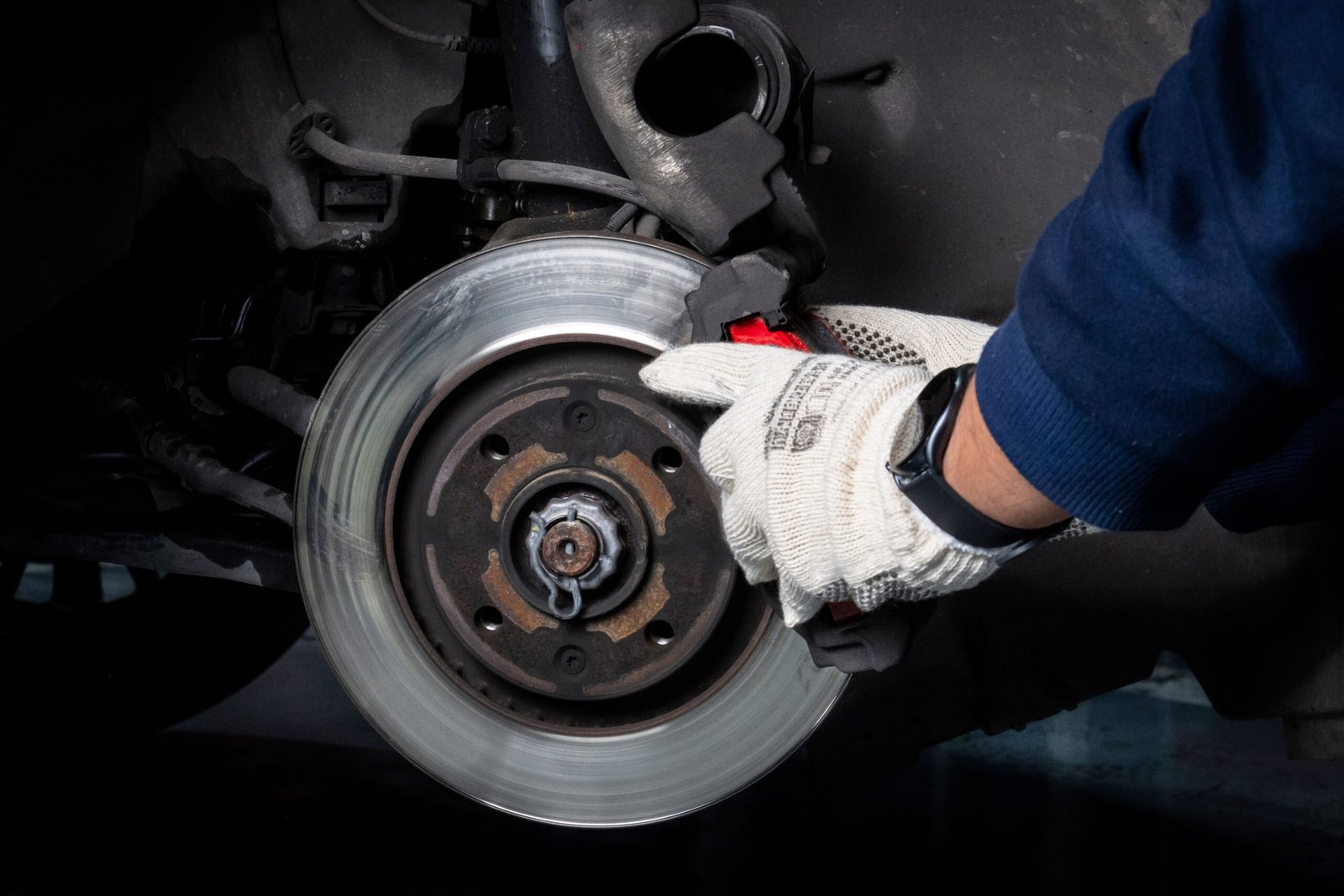
If you have noticed the ABS warning light on your dashboard, one of the first questions that probably comes to mind is: how much does it cost to fix ABS brake system problems? The answer can vary quite a bit because an ABS contains several different components, and the actual repair depends on which part has failed.
Sometimes, the problem is relatively simple, such as a damaged wheel-speed sensor, loose electrical connection, or broken wire. In other situations, the repair can become more expensive when the ABS control module, hydraulic unit, or another major component needs replacement. Your vehicle’s make, model, age, parts availability, and local labor rates can also affect the final bill.
The good news is that an illuminated ABS warning light does not automatically mean you need an extremely expensive repair. A proper diagnosis can identify the actual problem before you spend money replacing parts that are still working.
ABS is an important part of modern vehicle safety. It monitors wheel movement and helps prevent the wheels from locking during hard braking. Bosch explains that the system uses wheel-speed sensors, a hydraulic unit, valves, a pump, and an electronic control unit to regulate braking pressure when wheel lock is detected.
Understanding the system, common failure points, repair costs, and warning signs can make the process much easier. This guide explains everything you need to know before taking your vehicle to a repair shop.
What Is an ABS Brake System?
ABS stands for Anti-lock Braking System. It is an electronic braking technology designed to help prevent the wheels from locking during heavy or emergency braking.
When a wheel locks, it can stop rotating while the vehicle is still moving. This can make steering more difficult and reduce the driver’s ability to maintain control. ABS is designed to detect when a wheel is approaching lockup and adjust brake pressure rapidly.
According to Bosch, an ABS continuously monitors wheel speeds through sensors. When a wheel is about to lock, the system reduces hydraulic pressure to that wheel and then increases pressure again when the wheel regains rotation.
This process can happen extremely quickly. The driver may sometimes feel a pulsing sensation through the brake pedal when ABS activates.
Why Is ABS Important?
ABS is not designed to make a vehicle immune to accidents. Instead, it helps maintain wheel rotation and steering control during certain hard-braking situations.
This is especially useful when braking on surfaces where traction varies between wheels. The system can independently manage braking pressure at individual wheels rather than treating every wheel the same.
Because ABS is a safety-related system, a warning light should not simply be ignored. A malfunction can mean the anti-lock function is unavailable until the underlying issue is repaired.
How Much Does It Cost to Fix ABS Brake System?
There is no single price that applies to every vehicle. The answer to how much does it cost to fix ABS brake system depends primarily on which component is causing the problem.
A relatively simple wheel-speed sensor problem may cost considerably less than replacing an ABS control module. Wiring problems can fall anywhere in between, depending on where the damaged wiring is located and how much diagnostic work is required.
As a broad guide, you might encounter repair bills ranging from around $100 to well over $1,000, depending on the vehicle and failed component. Major ABS control-module replacement can be particularly expensive. For example, RepairPal currently lists an estimated average of roughly $1,181–$1,278 for ABS control-module replacement, including estimated parts and labor, before taxes and fees.
These numbers should not be treated as a guaranteed price for your vehicle. A small passenger car, luxury vehicle, pickup truck, and older model can all have very different parts and labor costs.
The most important step is getting the system diagnosed before approving an expensive replacement.
What Determines ABS Repair Cost?
Several factors can influence the final repair price.
Vehicle Make and Model
Different manufacturers use different ABS designs and components. Some vehicles have relatively accessible wheel-speed sensors, while others require more labor to reach or replace them.
Luxury and performance vehicles can also have more expensive parts.
The Failed Component
The component that fails usually has the biggest effect on the repair bill.
Replacing a sensor is generally much less expensive than replacing a complete ABS control module or hydraulic assembly.
Labor Rates
Repair shops charge different hourly labor rates. Labor can also vary significantly between cities, regions, dealerships, independent repair shops, and specialty brake shops.
Parts Availability
If a part is readily available, the repair may be completed quickly. If the component is difficult to find, discontinued, or available only through a manufacturer, the total cost can increase.
Diagnostic Complexity
Sometimes the warning light is easy to diagnose. Other times, technicians must inspect wiring, connectors, sensors, wheel bearings, and electronic modules before finding the actual cause.
A complicated diagnosis can therefore add to the initial repair cost even when the final replacement part is inexpensive.
Common ABS Problems and Their Repair Costs
ABS problems can originate from several different components. Understanding the most common possibilities can help you make sense of a repair estimate.
Faulty Wheel-Speed Sensor
Wheel-speed sensors are among the most important components in an ABS. They monitor how quickly individual wheels are rotating and send information to the ABS control unit.
Bosch describes wheel-speed sensors as key components of modern brake-control systems because they detect wheel rotation and provide that information to systems such as ABS and electronic stability control.
A damaged or malfunctioning sensor can trigger the ABS warning light.
The repair cost depends on the vehicle and sensor location. In many cases, replacing a single sensor is much less expensive than replacing the ABS module.
Damaged ABS Wiring
ABS sensors rely on electrical wiring to communicate with the vehicle’s control system. A damaged wire, corroded connector, or poor connection can interrupt the signal.
This can happen because of road debris, corrosion, moisture, physical damage, or normal aging.
Wiring problems can sometimes be inexpensive to repair, but finding the exact location of the fault can take time.
ABS Control Module Failure
The ABS control module is the electronic brain of the system. It processes information from the wheel-speed sensors and controls the braking system’s response.
A failed control module can be one of the more expensive ABS repairs.
RepairPal’s current estimate for ABS control-module replacement is approximately $1,181 to $1,278 on average, with the exact cost depending on the vehicle and location.
Some vehicles may require additional programming, calibration, or configuration after module replacement.
Hydraulic Control Unit Problems
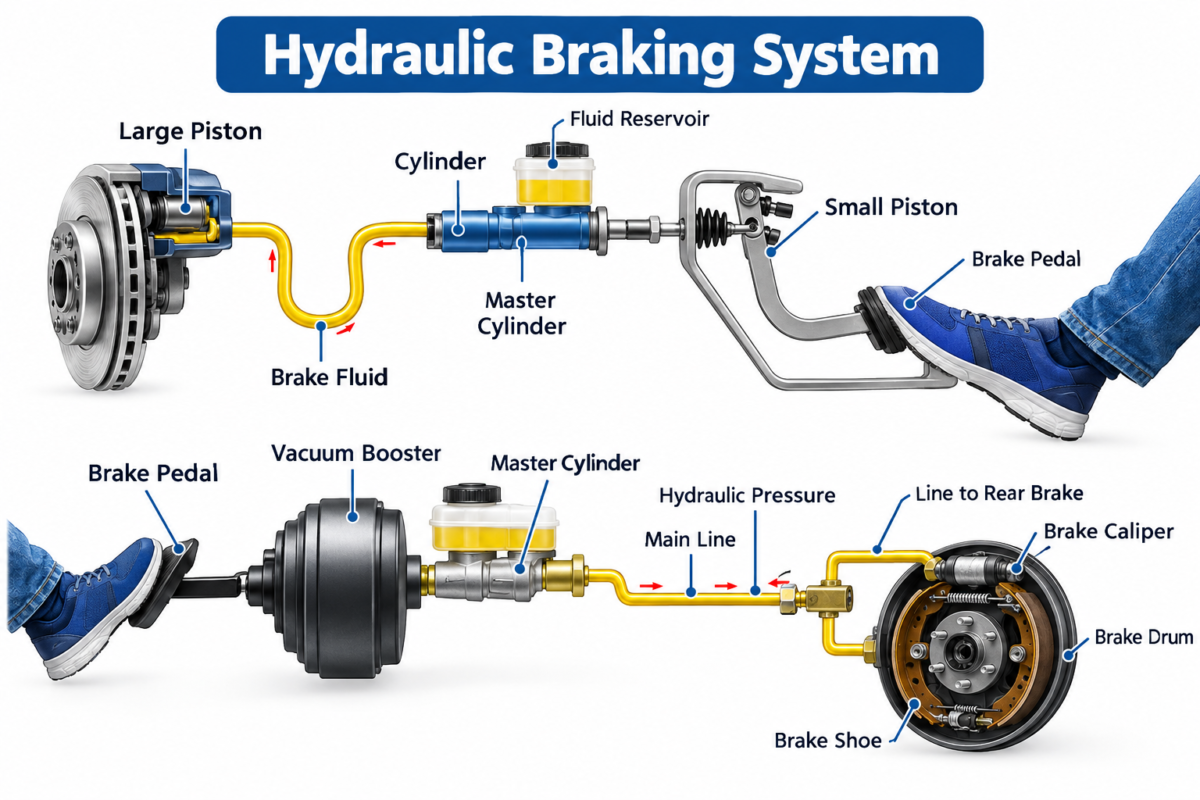
The ABS hydraulic unit manages brake pressure through valves and other hydraulic components.
Because this unit is an important part of the braking system, replacement can be expensive when it fails.
A technician should confirm that the hydraulic unit is actually defective before replacing it because other electrical or sensor-related problems can sometimes create similar warning signs.
Damaged Tone Ring or Reluctor
Some vehicles use a tone ring or reluctor ring with the wheel-speed sensor to help determine wheel rotation.
If the ring is damaged, contaminated, or otherwise producing an incorrect signal, the ABS may detect an abnormal wheel-speed reading.
The repair cost depends on how the component is designed into the vehicle. On some vehicles, access may be relatively simple, while on others the repair can involve additional wheel or bearing work.
What Causes the ABS Warning Light to Come On?
Seeing the ABS light does not necessarily tell you which component has failed. It only indicates that the vehicle’s system has detected a problem or stored an ABS-related fault.
Common causes include:
- Faulty wheel-speed sensor
- Damaged wiring
- Corroded connectors
- ABS control-module problems
- Hydraulic unit problems
- Damaged tone ring
- Electrical or voltage issues
- Wheel-bearing-related sensor problems
- Other electronic faults
Modern vehicles can also combine ABS with traction control and electronic stability systems. As a result, one ABS-related problem can sometimes cause several warning lights to appear at the same time.
A diagnostic scan is therefore often necessary to determine what is actually happening.
Signs Your ABS System May Need Repair
The ABS warning light is the most obvious sign, but it is not the only one.
ABS Warning Light
The yellow ABS warning light may remain illuminated when the vehicle detects an ABS malfunction.
NHTSA documents the importance of ABS malfunction warning indicators because they alert drivers when the system has detected a problem.
Traction-Control Warning
Some vehicles connect ABS operation with traction control and electronic stability systems. A fault in one system can sometimes cause related warning lights to appear.
Unusual Brake Pedal Sensation
A brake pedal that behaves differently than normal deserves attention. However, not every unusual pedal sensation is caused by ABS.
If braking feels significantly different, the vehicle should be inspected promptly.
ABS Activating Unexpectedly
If ABS seems to activate when you are not making a hard stop or when road conditions do not appear to justify it, the system may need diagnosis.
A faulty wheel-speed signal can sometimes confuse the electronic braking system.
Reduced Electronic Braking Assistance
Depending on the vehicle, an ABS malfunction may disable related electronic braking features.
The exact behavior varies between manufacturers, so checking the owner’s manual is useful.
How Mechanics Diagnose an ABS Problem
A good diagnosis is one of the most valuable steps when dealing with an ABS warning light.
Visual Inspection
A technician may begin by inspecting the wheel-speed sensors, wiring, connectors, wheel areas, and other visible components.
This can reveal obvious damage or corrosion.
ABS Diagnostic Scan
Modern ABS systems store diagnostic trouble codes when they detect certain faults.
A professional scan tool can communicate with the ABS control module and provide information about the stored fault.
RepairPal notes that ABS problems are typically diagnosed using professional computer scanning equipment or manufacturer-specific software, with technicians able to view fault information and real-time data.
Sensor Testing
If a sensor-related fault is suspected, the technician can test the sensor and its signal.
It is important not to automatically replace a sensor simply because a diagnostic code mentions that wheel. The actual cause could involve wiring, a connector, the tone ring, or another component.
Electrical Testing
Electrical faults can be especially challenging because the problem may not be visible.
Technicians may check wiring, voltage, grounds, connectors, and communication between the ABS components.
Road Testing
After diagnosis or repair, a technician may perform an appropriate road test to verify that the system is operating correctly.
The exact testing procedure depends on the vehicle manufacturer’s service information.
ABS Repair Cost vs. ABS Replacement Cost
There is an important difference between repairing a problem and replacing a major ABS component.
For example, if a connector is damaged, repairing the wiring may solve the problem without replacing an expensive module.
Similarly, if a wheel-speed sensor is defective, replacing that sensor may restore the ABS without touching the control unit.
On the other hand, if the control module itself has failed, replacement may be necessary.
This is why an accurate diagnosis is so valuable. Paying for diagnosis first can sometimes prevent a much larger unnecessary parts bill later.
Factors That Can Make ABS Repairs More Expensive
Multiple Problems at Once
A vehicle can have more than one ABS fault. For example, an old sensor and damaged wiring could both contribute to warning lights.
Rust and Corrosion
Vehicles exposed to moisture, road salt, or harsh environments may develop corrosion around sensors, connectors, fasteners, and other components.
Corrosion can make a straightforward repair more difficult.
Difficult Component Access
Some components are easy to reach, while others require the removal of additional parts.
More labor generally means a higher repair bill.
Specialized Programming
Some replacement ABS modules may need programming, configuration, or calibration after installation.
The exact process varies by manufacturer.
Dealership Labor Rates
Dealerships may have higher labor rates than independent repair facilities, although they can also offer manufacturer-specific diagnostic equipment and technical expertise.
Can You Drive With the ABS Light On?
This is an important question.
An ABS warning light means the anti-lock function may not be operating normally. The conventional brake system may still operate on some vehicles, but that does not mean the ABS problem should be ignored.
For example, a Ram owner’s manual document submitted to NHTSA states that when the ABS warning light remains on, the anti-lock portion is not functioning and service is required, while the conventional brake system can continue operating normally under the stated conditions.
However, braking systems differ between vehicles.
If the ABS light appears together with a red brake warning light, the brake pedal feels abnormal, braking performance changes, fluid is leaking, or another serious symptom appears, the vehicle should be treated as a more urgent brake-system concern.
The safest approach is to consult the vehicle’s owner’s manual and have the problem professionally inspected.
Does an ABS Warning Light Mean the Brakes Have Failed?
Not necessarily.
An ABS warning generally indicates a problem with the anti-lock function rather than automatically meaning the entire braking system has stopped working.
NHTSA’s materials explain that ABS is a portion of the service brake system that monitors wheel rotation and controls wheel slip during braking.
However, the distinction between ABS and conventional braking does not mean an illuminated warning light should be ignored.
The vehicle may no longer provide the same anti-lock functionality it was designed to provide.
That is why diagnosis is important even if the vehicle appears to stop normally.
How to Save Money on ABS Brake Repairs
Repairing an ABS does not have to mean spending more than necessary.
Get the Problem Diagnosed First
This is probably the most important money-saving step.
Don’t approve an expensive module replacement until the technician has confirmed that the module is actually faulty.
Compare Estimates
If the vehicle is safe to drive to a second shop, getting another estimate can help you understand whether the proposed repair is reasonable.
Ask each shop to explain what failed and what parts are being replaced.
Ask for an Itemized Estimate
An itemized estimate can separate:
- Diagnostic charges
- Parts
- Labor
- Programming
- Additional brake work
- Taxes and fees
This makes it easier to understand the total price.
Consider Quality Replacement Parts
Depending on the vehicle and repair, you may have a choice between original-equipment and aftermarket parts.
A technician can explain which options are appropriate for your vehicle.
Because ABS is a safety-critical system, choosing parts based only on the lowest possible price is not always the best strategy.
Check Warranty Coverage
If your vehicle or previous repair is still covered by a warranty, the ABS repair might qualify for coverage.
Always check the terms before paying out of pocket.
Should You Repair an ABS Problem Yourself?
Some basic visual checks may be possible for an experienced vehicle owner, but ABS repairs can involve electronic, hydraulic, and safety-critical components.
A simple visual inspection is very different from diagnosing an electronic ABS module or opening a hydraulic braking system.
If you do not have the proper technical knowledge and equipment, professional diagnosis is the safer option.
ABS systems are designed to work as part of the vehicle’s overall braking and stability-control architecture. Modern systems can involve multiple sensors and electronic modules working together.
A professional technician can also use manufacturer-specific service information when necessary.
How Long Does an ABS Repair Take?
Repair time depends heavily on the actual problem.
A straightforward wheel-speed sensor replacement may be completed relatively quickly if the component is accessible and the fasteners are not seized.
A wiring problem can take longer because the technician needs to locate the damaged section.
An ABS control-module replacement may require additional programming or calibration.
A hydraulic unit replacement can also take more time because brake-system procedures may be required afterward.
Therefore, when someone asks how long an ABS repair takes, the most accurate answer is that it depends on the diagnosis and vehicle.
ABS Brake Repair vs. Regular Brake Repair
ABS components and conventional brake components are related, but they are not the same thing.
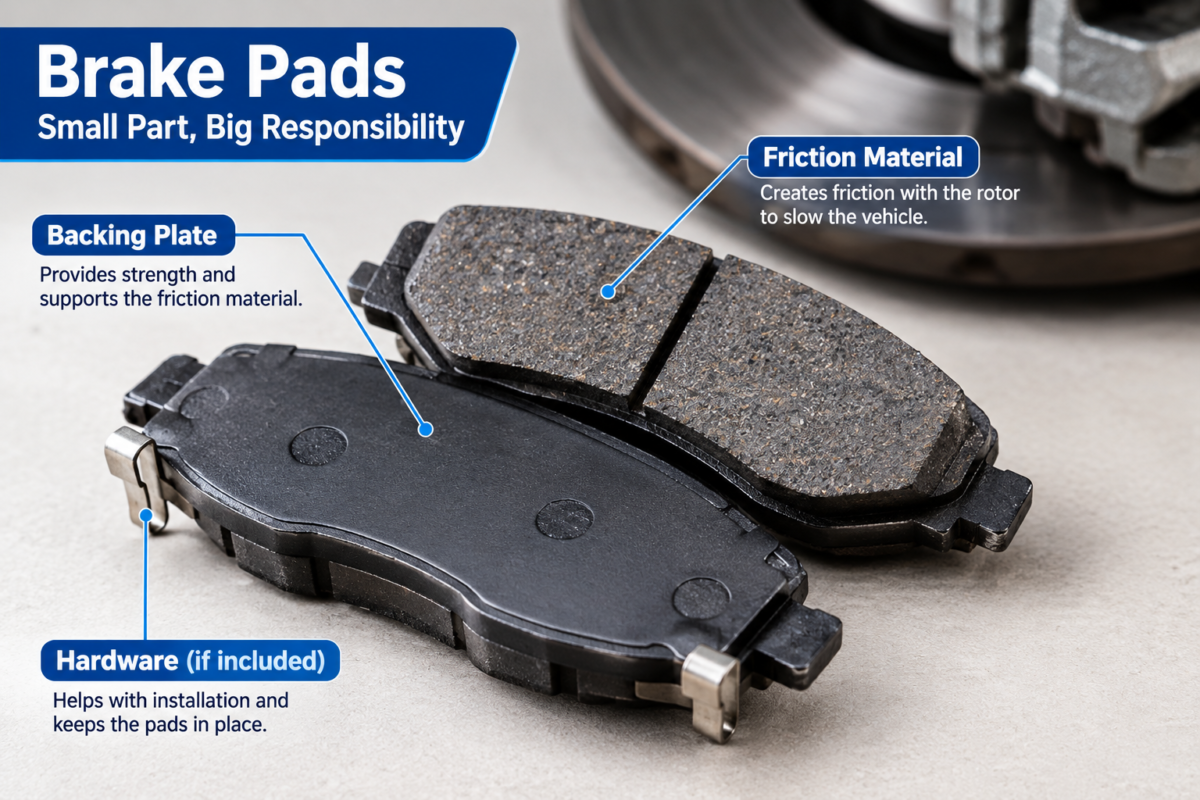
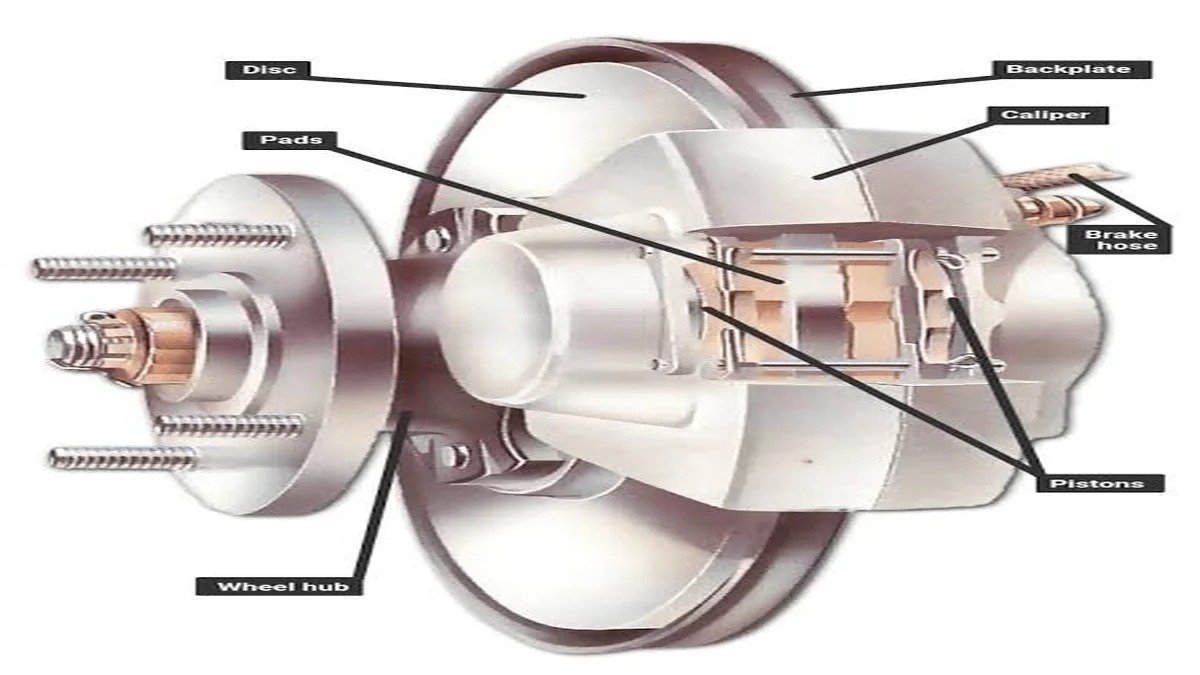
Regular brake maintenance often involves components such as brake pads, rotors, calipers, and brake fluid.
ABS adds electronic monitoring and hydraulic control to help prevent wheel lock during certain braking situations.
For example, replacing worn brake pads does not automatically repair a faulty wheel-speed sensor.
Likewise, replacing an ABS sensor does not necessarily mean the brake pads or rotors need replacement.
A complete brake inspection can help identify whether you have an ABS-specific problem, a conventional brake problem, or both.
The ABS (Anti-lock Braking System) is an important vehicle safety technology that helps prevent wheel lock during hard braking. Modern ABS systems use wheel-speed sensors and electronic controls to monitor wheel movement and regulate braking pressure when necessary. Bosch provides a detailed explanation of how an anti-lock braking system works and explains the role of wheel-speed sensors in modern braking systems.
What Happens If You Ignore an ABS Problem?
Ignoring an ABS warning can allow a relatively small issue to become more complicated.
For example, a damaged sensor wire may eventually become more severely damaged. A warning light may also indicate that an important safety feature is unavailable.
The bigger concern is that you may assume the vehicle has fully functioning ABS when it does not.
ABS is intended to help maintain steering control during certain hard-braking conditions. Bosch explains that preventing wheel lock can help keep the vehicle steerable during emergency braking.
That makes timely diagnosis a smart decision.
Questions to Ask a Mechanic Before Paying for ABS Repairs
Before approving the repair, don’t hesitate to ask questions.
What Fault Code Did You Find?
Knowing the diagnostic code can help you understand what the system detected.
Which Component Failed?
Ask whether the technician identified a specific failed component or is still investigating.
Is the Component Definitely Bad?
This question can help prevent unnecessary parts replacement.
What Is the Total Cost?
Ask for the full estimated price, including labor, parts, programming, taxes, and other charges where applicable.
Is There a Warranty?
Find out whether the replacement part and labor are covered by a warranty.
Are There Any Other Brake Problems?
An ABS warning does not necessarily mean the rest of the braking system is perfect. A complete inspection can identify additional maintenance needs.
How to Choose a Good Repair Shop for ABS Problems
Choosing the right repair shop can make a major difference.
Look for a shop with technicians experienced in modern electronic braking systems.
A good shop should be willing to explain the diagnostic process rather than simply recommending expensive parts.
It is also helpful to ask whether the shop has professional ABS scanning equipment appropriate for your vehicle.
A technician who can explain what the diagnostic results mean can make the repair process much easier to understand.
Don’t be afraid to ask for a written estimate before authorizing major work.
Can a Bad ABS Sensor Affect Other Systems?
Yes, depending on the vehicle.
Wheel-speed information can be shared with other electronic systems, including traction control and electronic stability systems.
Bosch notes that wheel-speed sensors are used in ABS as well as electronic stability systems.
That means a sensor fault can sometimes trigger more than one dashboard warning.
This does not necessarily mean several expensive components have failed. One sensor or its wiring may be responsible for multiple warnings.
Again, proper diagnosis is the key.
Does Replacing an ABS Sensor Always Fix the Problem?
No.
A diagnostic code may point toward a particular wheel-speed circuit, but the actual problem could be the sensor, wiring, connector, tone ring, bearing, or another related component.
Replacing parts without confirming the underlying fault can become expensive.
A professional technician should investigate the entire circuit and compare the sensor’s behavior with the vehicle’s diagnostic information.
This is another reason why a low-cost diagnostic appointment can potentially save money on unnecessary repairs.
Is an ABS Repair Worth the Cost?
In most cases, repairing a malfunctioning safety system is a worthwhile investment.
ABS was developed to help maintain wheel control during hard braking. It does not replace good tires, safe driving, properly maintained brakes, or appropriate following distance.
However, when the system is functioning correctly, it provides an additional layer of electronic braking assistance.
The cost of repair should therefore be viewed not simply as another maintenance bill but as part of maintaining the vehicle’s designed safety systems.
How to Prevent Future ABS Problems
You cannot prevent every ABS failure, but regular vehicle maintenance can help identify problems early.
Pay attention to dashboard warning lights rather than ignoring them.
Have your brakes inspected during routine maintenance.
Keep wheels, brakes, and surrounding components clean when appropriate.
If your vehicle has recently experienced suspension, wheel-bearing, brake, or wheel-related work, make sure the ABS components and wiring were not damaged during the repair.
If you notice an ABS warning after hitting a pothole or experiencing wheel damage, have the system inspected.
Early diagnosis can sometimes prevent a small electrical or sensor issue from becoming a more complicated repair.
FAQs
How much does it cost to fix an ABS brake system?
The cost can range from roughly $100 to more than $1,000, depending on the problem. A sensor or wiring repair may be relatively affordable, while an ABS control module or hydraulic unit can be considerably more expensive. The exact price depends on the vehicle, parts, labor, and diagnosis.
Is fixing an ABS expensive?
It can be, but not every ABS repair is expensive. A faulty wheel-speed sensor or damaged wire may cost much less than a control-module replacement.
What is the most expensive ABS component to replace?
The ABS control module or hydraulic control unit can be among the more expensive components, particularly when replacement requires programming or additional labor. RepairPal’s current estimate for ABS control-module replacement is approximately $1,181–$1,278 on average.
Can a bad ABS sensor be repaired?
Sometimes the wiring or connector associated with a sensor can be repaired. However, if the sensor itself has failed, replacement is commonly the solution.
Can I drive with my ABS light on?
An ABS warning light means the anti-lock function may not be operating correctly. Some vehicles retain conventional braking, but the problem should be inspected as soon as reasonably possible. If other brake warnings or serious braking symptoms appear, seek professional assistance promptly.
How long does an ABS repair take?
A simple sensor replacement may take much less time than diagnosing wiring or replacing a control module. The repair time depends on the vehicle, component, accessibility, and whether programming or additional procedures are required.
Why is my ABS light on but my brakes feel normal?
The ABS portion of the braking system can fail while the conventional brakes still feel normal. This does not mean the ABS is working correctly. A diagnostic scan can help identify the problem.
Can low brake fluid cause an ABS light?
Depending on the vehicle, low brake fluid or a related brake-system issue can trigger warning lights. Because braking systems vary, check the owner’s manual and have the vehicle inspected if the warning remains.
Should I replace the ABS module immediately?
Not necessarily. A module should generally be replaced only after proper diagnosis confirms that it is defective. Sensor, wiring, connector, and other problems can sometimes create similar symptoms.
Is an ABS repair covered by insurance?
Insurance coverage depends on the reason for the failure and the specific policy. Normal wear, mechanical failure, accident damage, and other situations can be treated differently. Contact your insurer if you believe the problem may be related to covered damage.
Final Thoughts
When you’re asking how much does it cost to fix ABS brake system, the most important thing to remember is that there is no universal repair price. ABS problems can range from a relatively simple wheel-speed sensor or wiring issue to a much more expensive control-module or hydraulic-unit replacement. Your vehicle’s make and model, parts availability, labor rates, diagnostic requirements, and the exact failed component all influence the final bill.
The smartest approach is to diagnose the problem before replacing anything. A warning light does not automatically mean that the most expensive ABS component has failed. Professional scanning and inspection can help identify the real cause and prevent unnecessary spending.
ABS plays an important role in maintaining wheel control during hard braking, so an illuminated warning light should not be ignored. Bosch explains that ABS monitors wheel speed and adjusts braking pressure to help prevent wheel lock, while NHTSA materials emphasize the importance of warning indicators for ABS malfunctions.
If your ABS warning light has appeared, get the system checked, request an itemized estimate, and ask exactly which component needs attention. With accurate diagnosis and sensible repair decisions, you can restore your vehicle’s braking system without spending more than necessary.




One thought on “How Much Does It Cost to Fix ABS Brake System? Discover the Smart, Safe & Money-Saving Guide to Reliable Braking”