
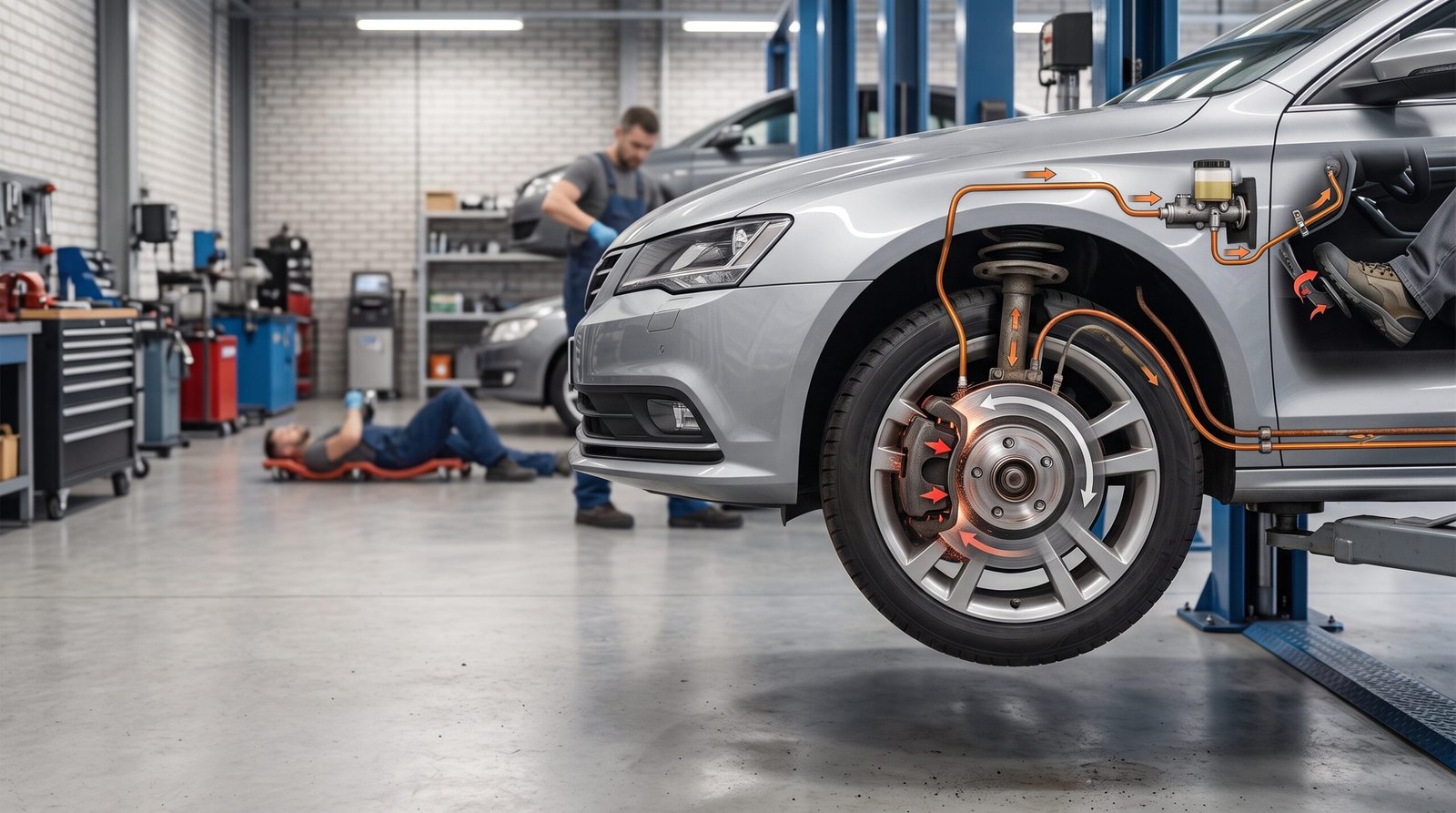
When you press the brake pedal, your car does much more than simply stop the wheels. The braking system turns the force from your foot into hydraulic pressure, transfers that pressure to the brakes at each wheel, and uses friction to slow the vehicle. Modern cars may also use electronic systems such as ABS to help maintain steering control during hard braking.
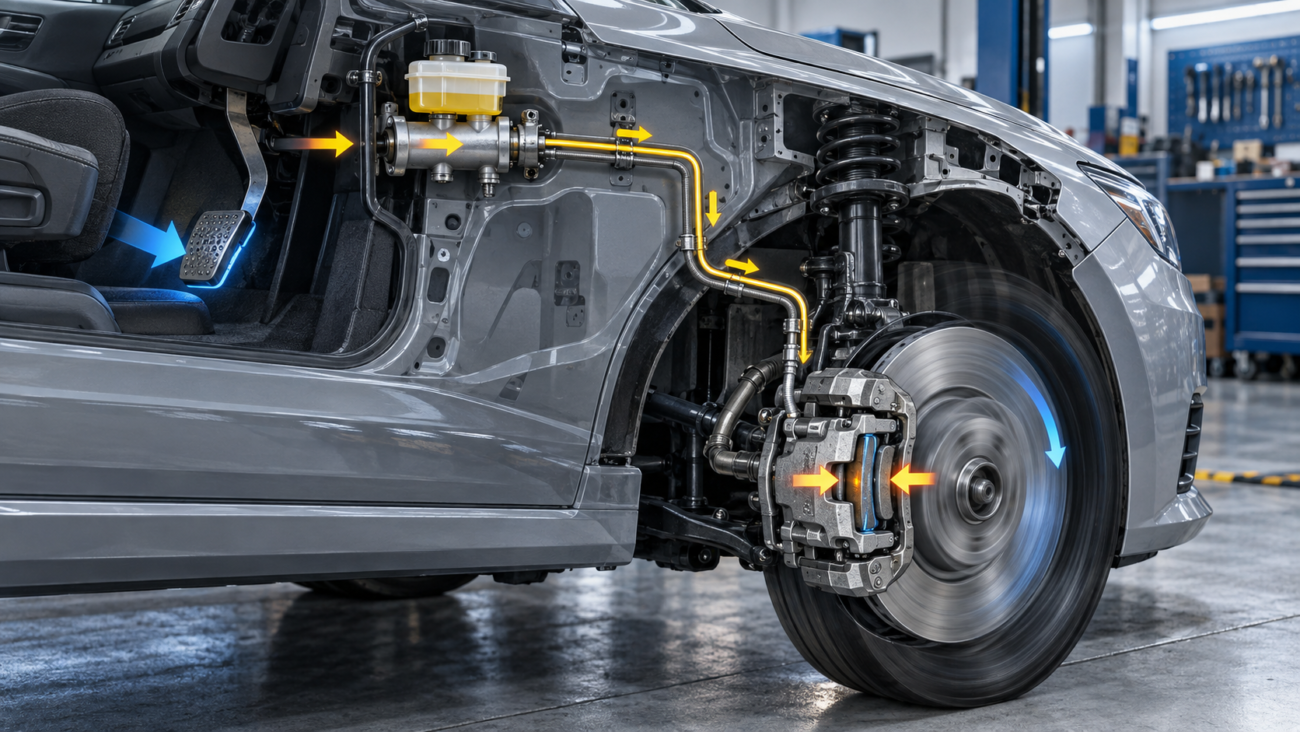
So, how do brakes work on a car? In simple terms, your foot pushes the brake pedal, the pedal moves a piston in the master cylinder, brake fluid carries pressure through the brake lines, and the calipers or wheel cylinders apply friction to the rotating parts at the wheels. That friction reduces wheel speed and converts the car’s motion into heat.
Understanding this process can help you recognize brake problems, understand routine maintenance, and make better decisions when a warning light or unusual brake noise appears.
How Do Brakes Work on a Car?
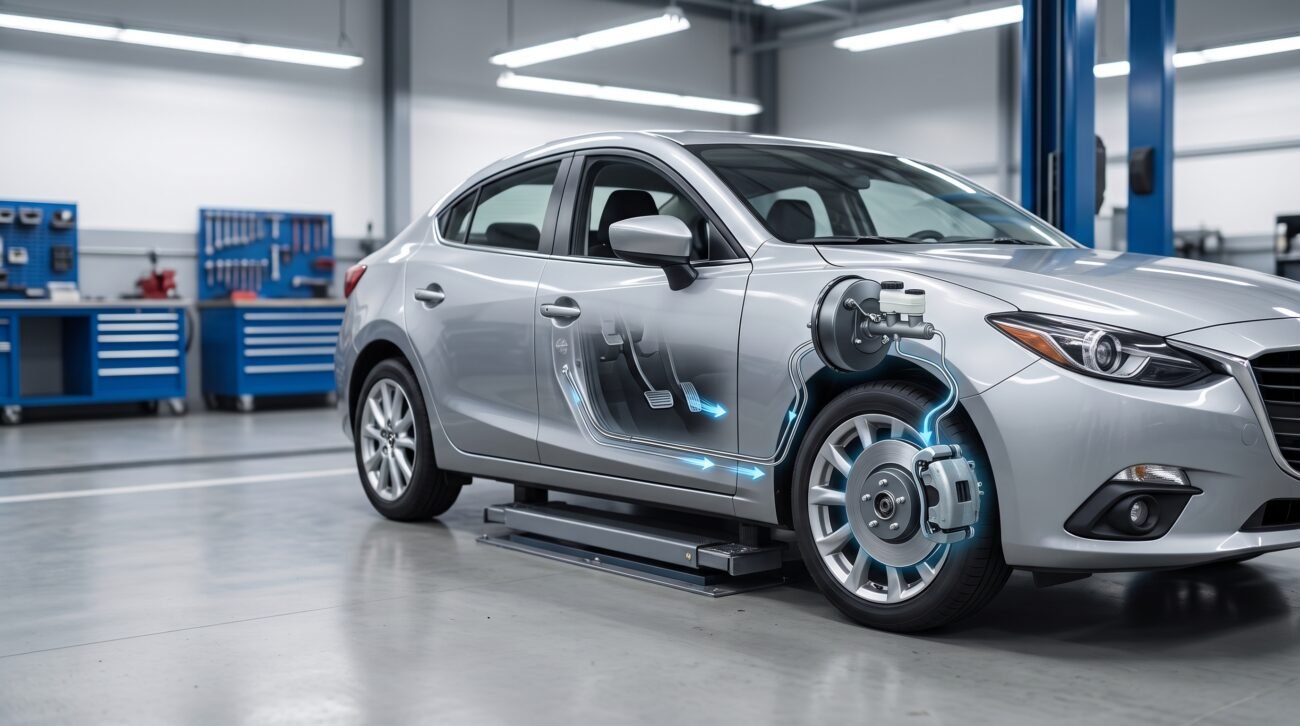
The basic braking process happens in several connected steps:
- You press the brake pedal.
- The brake booster helps increase the force from your foot.
- The master cylinder creates hydraulic pressure.
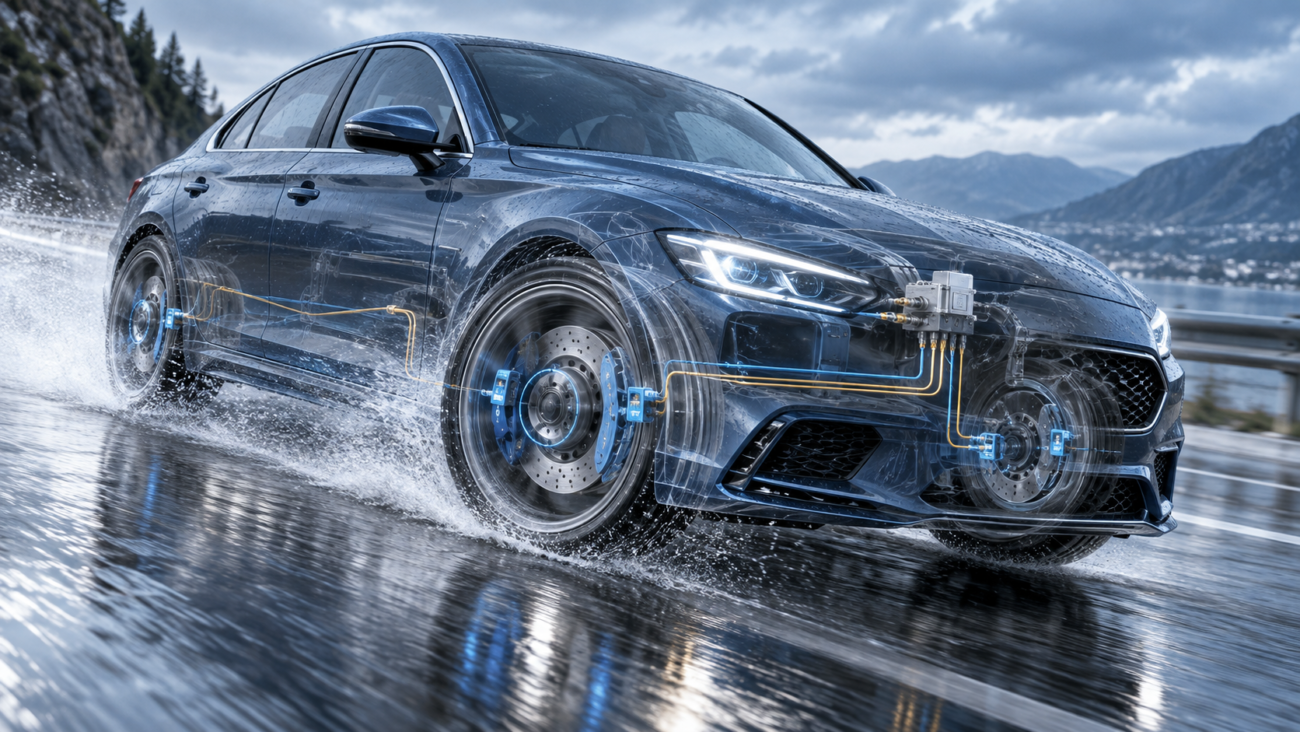
- Brake fluid carries that pressure through brake lines.
- A caliper or wheel cylinder applies force to the brake components.
- Brake pads press against rotors, or brake shoes press against drums.
- Friction slows the rotating wheels.
- The tires transfer braking force to the road.
- The vehicle slows and eventually stops.
This is the basic answer to how do brakes work on a car, but each part has an important job.
The system is designed so that a relatively small amount of force from the driver’s foot can create enough braking force to slow a heavy vehicle. Mechanical leverage, hydraulic pressure, friction, and electronic control all work together.
The Main Parts of a Car Braking System
To understand how do brakes work on a car, it helps to know the main components involved.
Brake Pedal
The brake pedal is the part you press with your foot. When you push it, the pedal moves a linkage connected to the brake booster and master cylinder.
The pedal gives you mechanical leverage. This means the force from your foot can be increased before it reaches the hydraulic system.
Brake Booster
Many modern cars use a brake booster to make the pedal easier to press. A vacuum-assisted booster is common, although some vehicles use an electric or hydraulic assist system.
The booster does not create the stopping force by itself. Instead, it helps multiply the force applied by the driver.
If the booster loses assistance, the brake pedal may feel much harder than normal. The brakes can still work in many situations, but considerably more pedal force may be required.
Master Cylinder
The master cylinder is one of the most important hydraulic components.
When you press the brake pedal, a piston inside the master cylinder moves. This creates pressure in the brake fluid.
Most passenger vehicles use a dual-circuit master cylinder. The two hydraulic circuits provide an important level of redundancy if one circuit develops a problem.
Brake Fluid
Brake fluid transfers hydraulic pressure from the master cylinder to the braking components near the wheels.
Because hydraulic fluid is difficult to compress under normal conditions, pressure can travel through the brake lines efficiently.
Brake fluid must be kept in good condition. It can absorb moisture over time, and contaminated or incorrect fluid can affect brake system performance.
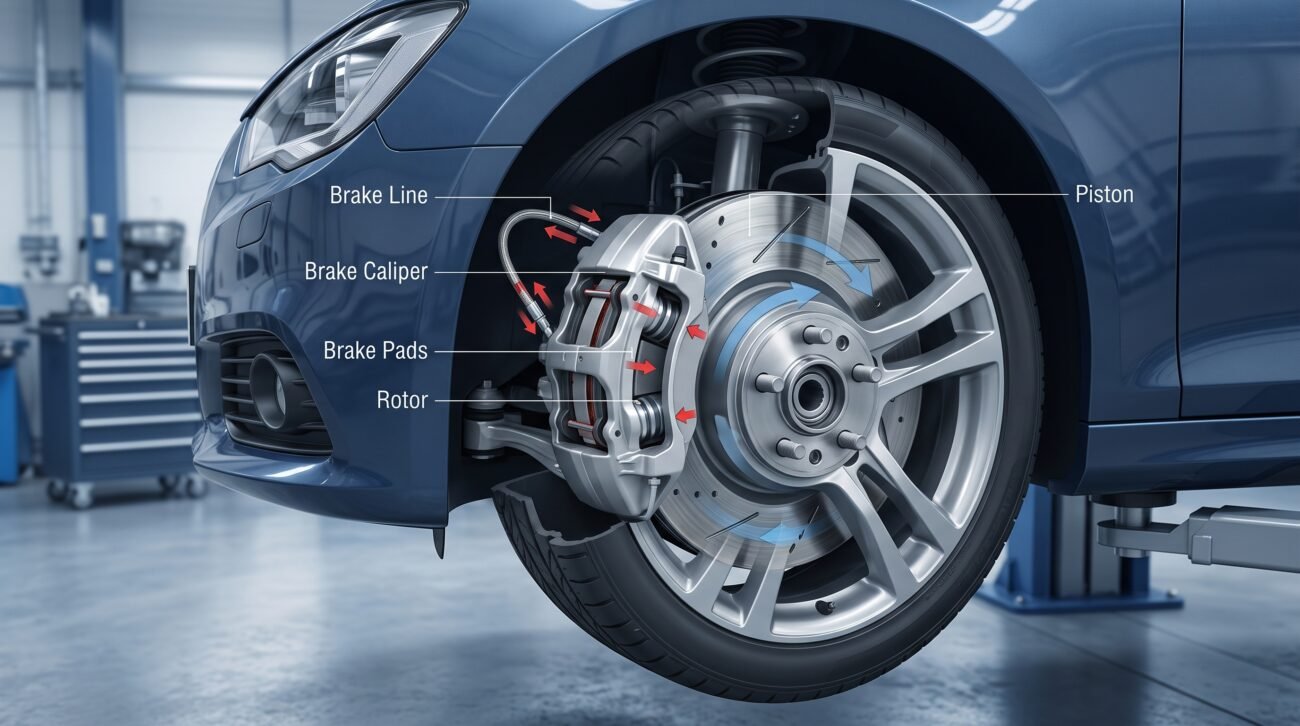
Brake Lines and Hoses
Rigid brake lines carry fluid through much of the vehicle. Flexible brake hoses are used near the wheels because the suspension and steering components move.
A damaged or leaking brake line or hose can cause loss of hydraulic pressure. This is a serious problem that requires prompt inspection.
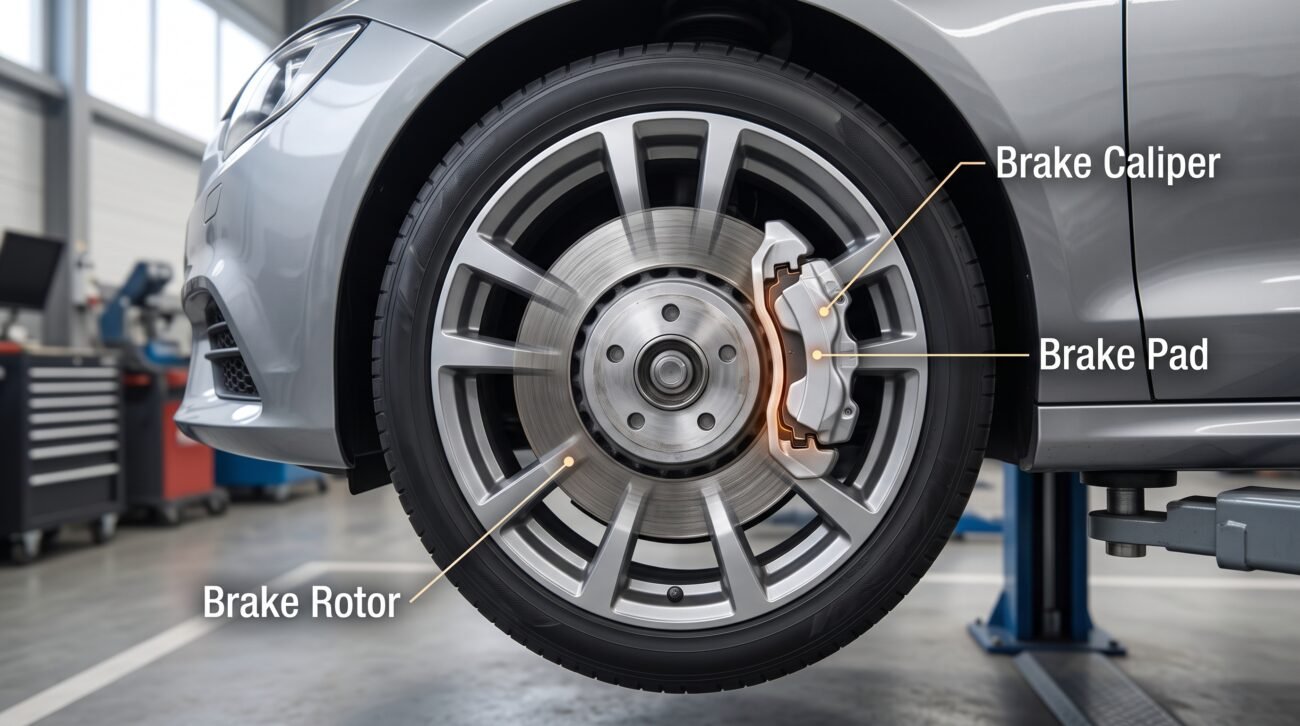
Brake Caliper
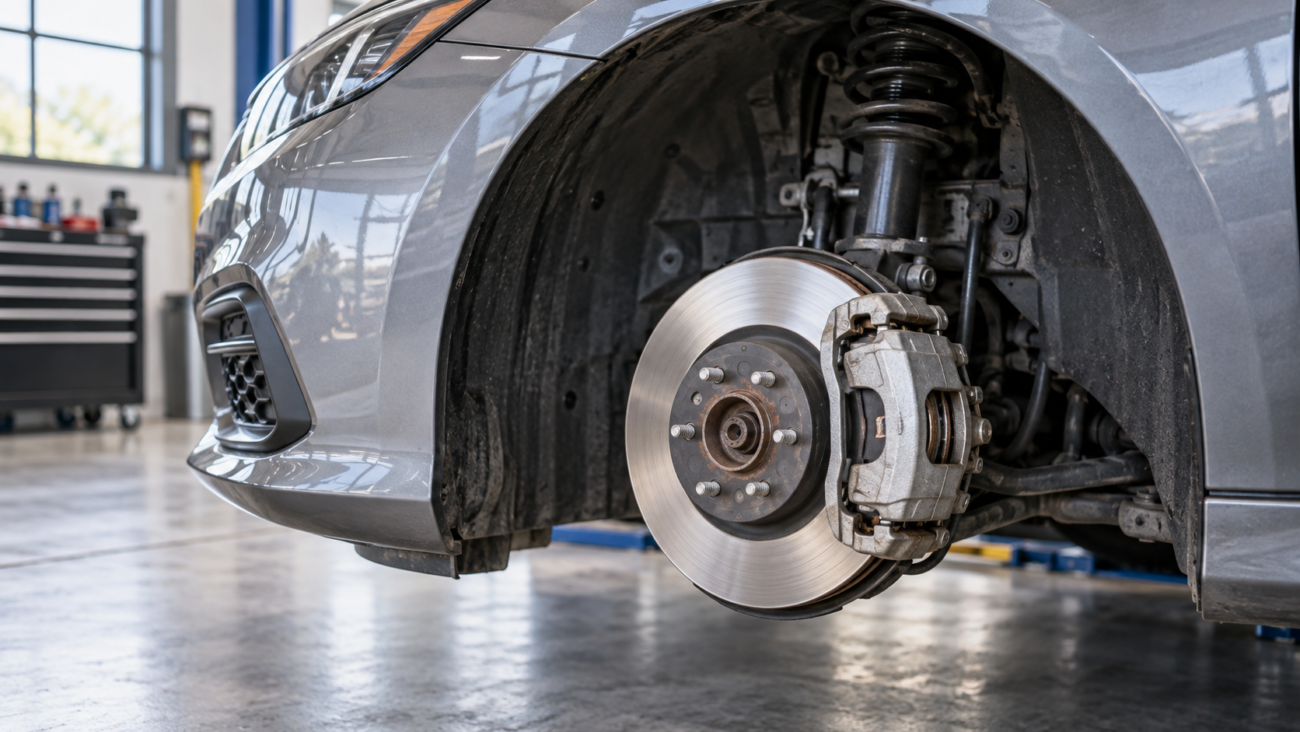
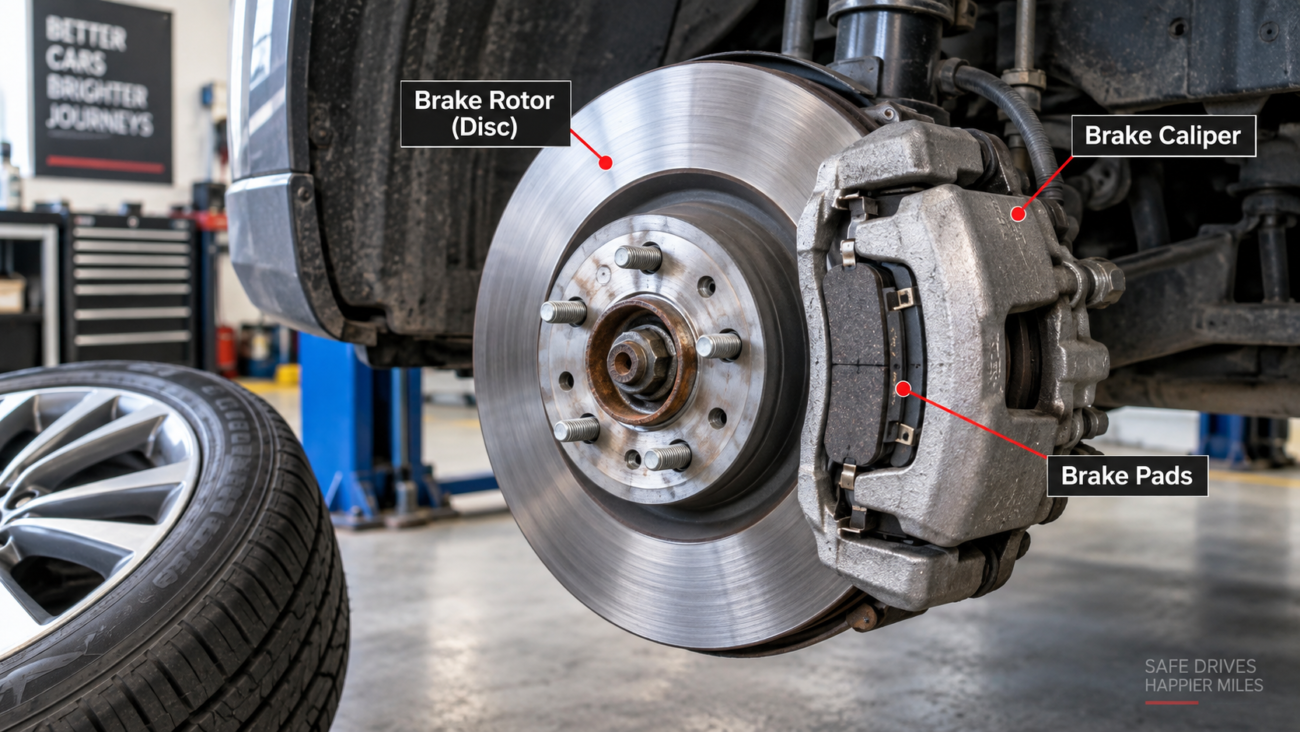
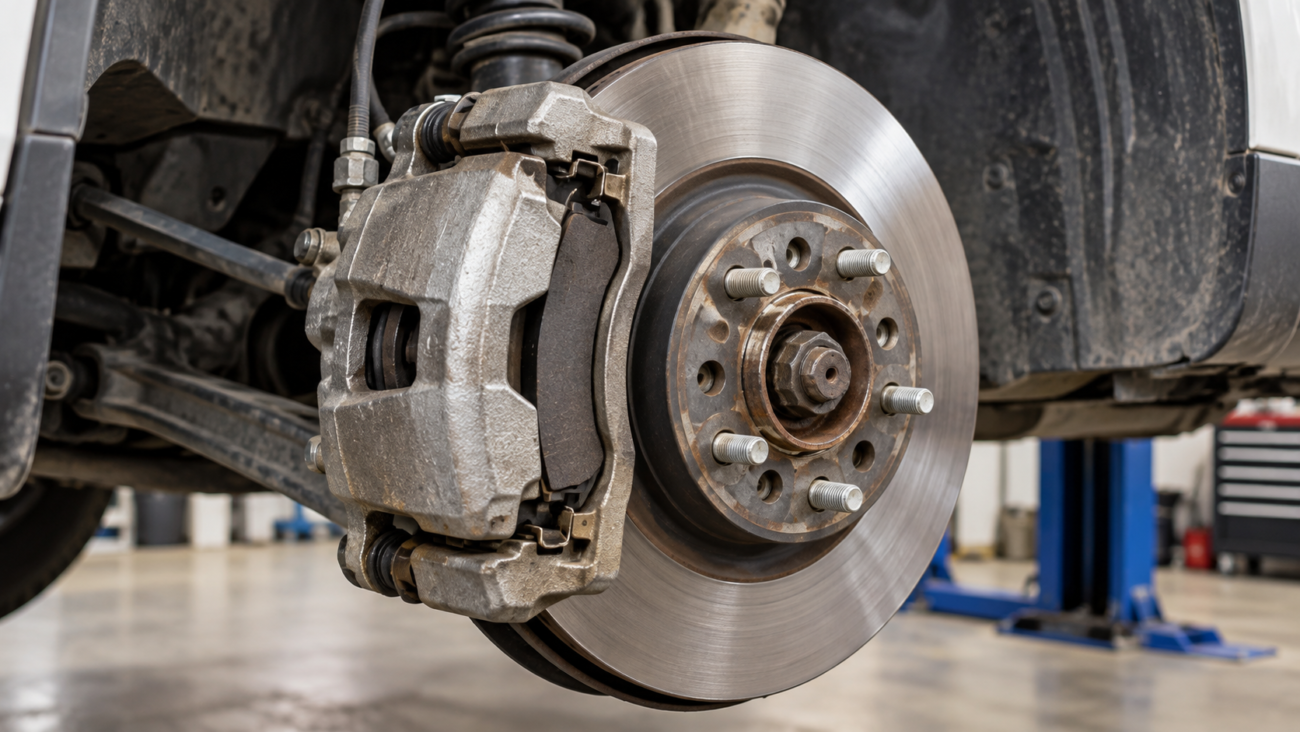
Disc brakes use a caliper. The caliper sits around the edge of the brake rotor.
When hydraulic pressure reaches the caliper, its piston pushes the brake pad against the rotor. The resulting friction slows the rotor and the wheel attached to it.
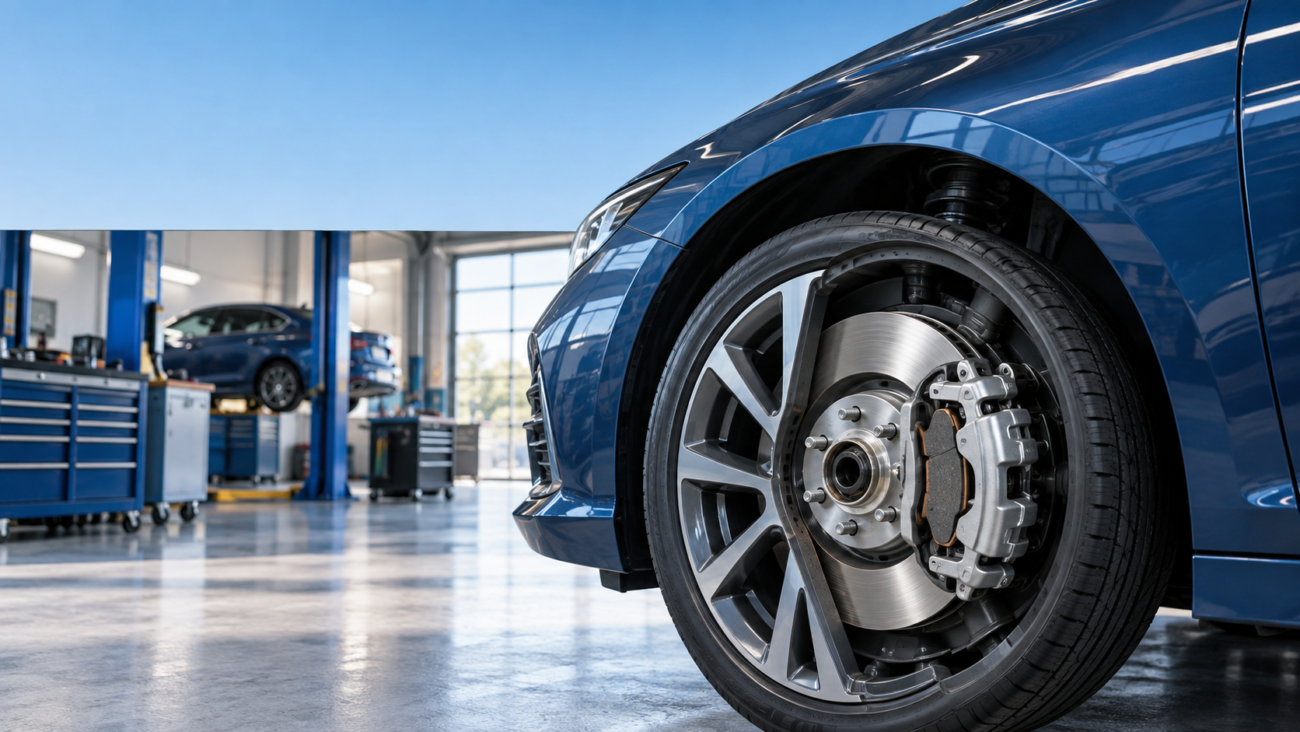
Brake Pads
Brake pads are friction components used with disc brakes.
A pair of pads normally sits on opposite sides of the rotor. When the brakes are applied, the pads squeeze the rotor.
Brake pads are wear items. Their friction material gradually becomes thinner and eventually needs replacement.
Brake Rotor
The rotor, also called a brake disc, is attached to the wheel hub and rotates with the wheel.
When the brake pads clamp onto the rotor, friction reduces its rotational speed.
The friction produces heat. The rotor helps absorb and release that heat into the surrounding air.
Brake Drum and Shoes
Some vehicles use drum brakes on the rear wheels, while others use disc brakes on all four wheels.
Inside a drum brake, brake shoes press outward against the inside surface of a rotating drum. Friction between the shoes and drum slows the wheel.
Drum brakes are mechanically different from disc brakes, but the basic idea remains the same: friction is used to reduce wheel rotation.
What Happens When You Press the Brake Pedal?
The easiest way to understand how do brakes work on a car is to follow the process from your foot to the tires.
Step 1: Your Foot Pushes the Pedal
You press the brake pedal with your foot.
The pedal moves through its mechanical linkage. This movement is transferred toward the brake booster and master cylinder.
The amount of force you apply affects the hydraulic pressure generated by the system.
Step 2: The Booster Helps Multiply Force
The brake booster assists your pedal input.
For example, if you need to stop quickly, you may apply strong pressure to the pedal. The booster helps provide the force needed to operate the master cylinder without requiring extreme effort from your leg.
Step 3: The Master Cylinder Builds Pressure
The master cylinder converts the mechanical movement into hydraulic pressure.
Its internal pistons push brake fluid into the hydraulic circuits. The pressure travels through the brake lines toward the wheels.
This is one of the key principles behind how do brakes work on a car.
Step 4: Brake Fluid Carries the Pressure
Brake fluid moves through the hydraulic system.
The pressure reaches the calipers on disc brakes or wheel cylinders on drum brakes.
Because the hydraulic system can transmit pressure through relatively small lines, the driver’s pedal input can operate brakes located several feet away at the wheels.
Step 5: Brake Pads or Shoes Create Friction
On a vehicle with disc brakes, the caliper presses the brake pads against the rotor.
On a drum brake, a wheel cylinder pushes the brake shoes against the inside of the drum.
The friction resists the rotation of the brake components.
Step 6: The Wheels Slow Down
The rotor or drum is connected to the wheel assembly. When the brake component slows, the wheel slows as well.
However, the braking system does not directly “grab” the road. The tires must transfer the braking force to the pavement.
Step 7: The Vehicle Loses Speed
The tires create forces against the road surface that reduce the vehicle’s forward motion.
The energy that was stored in the moving vehicle is mainly converted into heat within the braking system.
This explains why brakes can become very hot during repeated or heavy braking.
How Hydraulic Brakes Work
Hydraulic pressure is central to modern automotive braking.
A hydraulic brake system uses a fluid-filled circuit to transfer force. When the master cylinder creates pressure, that pressure travels through the brake fluid.
The pressure reaches pistons at the wheels. Those pistons create mechanical force at the brake pads or shoes.
This system makes it possible to control brakes at multiple wheels with one pedal.
A simple example can help explain how do brakes work on a car.
Imagine squeezing a syringe filled with fluid while another syringe is connected to it. When you push the first syringe, pressure travels through the fluid and moves the second syringe.
A car’s braking system works on a similar hydraulic principle, although it is much more complex and includes multiple pistons, valves, circuits, and control components.
How Disc Brakes Work
Disc brakes are common on modern passenger vehicles.
The wheel rotates with a flat metal rotor. A caliper sits around the rotor, holding the brake pads.
When the driver presses the pedal, hydraulic pressure moves the caliper piston. The piston pushes one brake pad toward the rotor. The caliper mechanism also creates force on the opposite side, allowing the pads to clamp the rotor.
The friction between the pads and rotor reduces rotation.
Disc brakes have several advantages. They can release heat effectively, and their design makes inspection of the pads and rotor relatively straightforward.
Why Do Brake Rotors Get Hot?
Friction creates heat.
When a moving vehicle slows down, its kinetic energy has to go somewhere. Much of that energy becomes thermal energy in the brakes.
During normal braking, this heat is controlled by the brake components and surrounding airflow.
During repeated heavy braking, however, temperatures can rise significantly. Excessive heat can reduce braking performance and may contribute to brake fade.
How Drum Brakes Work
Drum brakes use a different design.
A rotating drum is attached to the wheel. Inside it are brake shoes and other mechanical components.
When you press the brake pedal, hydraulic pressure reaches a wheel cylinder. The cylinder pushes the brake shoes outward against the inside of the drum.
Friction between the shoes and drum slows the rotation.
Drum brakes can be durable and cost-effective. They are also commonly used with parking-brake mechanisms.
The exact design varies by vehicle, but the basic answer to how do brakes work on a car remains centered on controlled friction.
What Is Brake Friction?
Friction is the resistance that occurs when two surfaces move against each other.
In a disc brake, the brake pads and rotor create controlled friction. In a drum brake, the shoes and drum create friction.
This friction slows the rotating components.
Brake materials are specially designed to operate across a wide range of temperatures. However, all friction materials wear over time.
That is why brake pads and shoes are considered maintenance items.
How ABS Changes the Braking Process
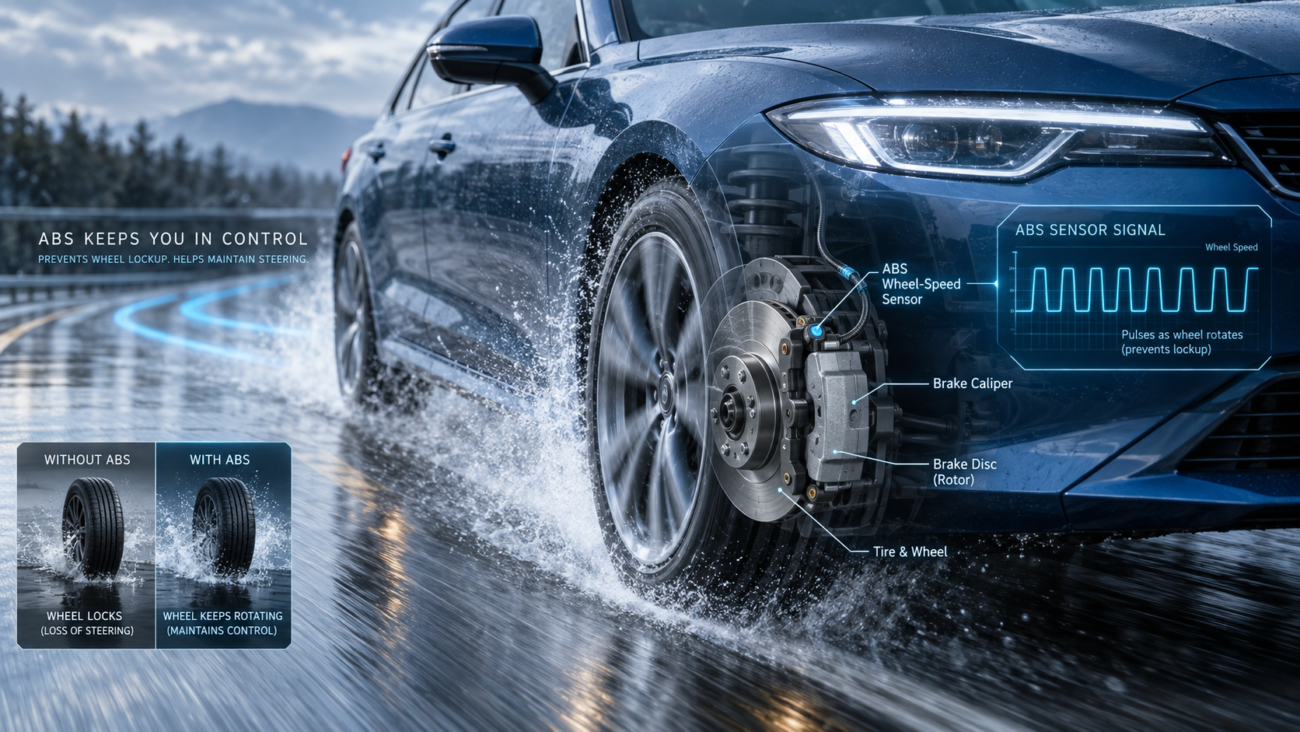
Anti-lock braking systems, commonly called ABS, are designed to help prevent the wheels from locking during hard braking.
When a wheel locks, it can lose the ability to provide effective steering control. ABS monitors wheel speed and can rapidly adjust brake pressure when it detects a wheel approaching lockup.
This is another important part of how do brakes work on a car in modern vehicles.
Wheel Speed Sensors
ABS uses wheel speed sensors to monitor the rotation of the wheels.
The system compares wheel behavior and looks for rapid changes that may indicate a wheel is about to lock.
ABS Control Module
The ABS control module processes information from the wheel speed sensors.
If the system detects a potential wheel lock, it can command the hydraulic unit to adjust brake pressure.
Hydraulic Modulator
The hydraulic modulator contains valves and other components that allow the ABS system to control hydraulic pressure.
During an ABS event, the system can rapidly reduce and restore pressure at individual wheels.
This may cause a pulsing sensation through the brake pedal. That sensation can be normal when ABS is actively operating.
Do All Four Wheels Brake at the Same Time?
In normal braking, the braking system operates at all four wheels on most modern passenger vehicles.
However, the amount of braking force at each wheel can vary.
When a vehicle slows down, weight shifts toward the front. The front tires therefore have more load available for braking than the rear tires.
Vehicle manufacturers design the brake system to account for this weight transfer.
Electronic systems can also adjust braking behavior based on vehicle speed, wheel slip, load, and other conditions.
Why Do Cars Need Brake Balance?
Brake balance is important because the tires must maintain enough traction while braking.
If the rear brakes provide too much braking force compared with the available rear-tire grip, the rear wheels could lock more easily.
If the front brakes provide too little braking force, the vehicle may not use its available front-tire grip efficiently.
Modern vehicles use carefully designed hydraulic systems and electronic controls to manage this balance.
This is one reason why replacing brake components with incorrect parts can be unsafe.
What Is Brake Fade?
Brake fade is a reduction in braking performance caused mainly by excessive heat.
It can occur after repeated heavy braking, such as during demanding downhill driving or repeated hard stops.
As temperatures rise, the braking system may not produce the same braking response as it does when cooler.
If you notice a major change in braking performance, do not ignore it. A qualified technician should inspect the vehicle.
Brake fade also shows why understanding how do brakes work on a car involves more than knowing that pads squeeze rotors.
Temperature, materials, airflow, vehicle weight, speed, and driving conditions all affect braking performance.
Why Are Front Brakes Often Larger?
Front brakes are often larger because braking causes weight to transfer toward the front of the vehicle.
The front tires can therefore handle a greater share of the braking force.
Larger front rotors and calipers can provide the required braking capacity while managing heat.
This does not mean the rear brakes are unimportant. All four wheels contribute to stable and effective braking.
How the Parking Brake Works
The parking brake, sometimes called the emergency brake, is designed primarily to hold a parked vehicle.
Traditional parking brakes use cables and mechanical linkages. Depending on the vehicle, the mechanism may operate rear brake calipers, separate drum brakes, or drum-in-hat systems.
Many newer cars use an electronic parking brake.
The parking brake is different from the normal service brake system, although the systems can share some components depending on the vehicle design.
Common Brake Problems
Knowing how do brakes work on a car can make it easier to understand common warning signs.
Squealing Brakes
A high-pitched squeal can come from brake vibration, pad material, wear indicators, contamination, or other causes.
Not every squeal means the brakes are unsafe, but persistent or new brake noise should be inspected.
Grinding Noise
Grinding can indicate severe brake wear or contact between components that should not be contacting directly.
If you hear grinding while braking, have the vehicle checked promptly.
Soft Brake Pedal
A brake pedal that feels unusually soft or spongy may indicate air or another issue in the hydraulic system.
It can also have other causes.
Because braking is safety-critical, a significant change in pedal feel should not be ignored.
Hard Brake Pedal
A hard pedal can be associated with a brake-assist problem, depending on the vehicle.
If the pedal suddenly becomes much harder than normal, have the braking system inspected.
Vehicle Pulls While Braking
If the vehicle pulls strongly to one side when braking, possible causes include uneven braking force, a sticking component, tire problems, suspension issues, or other faults.
A professional inspection can identify the cause.
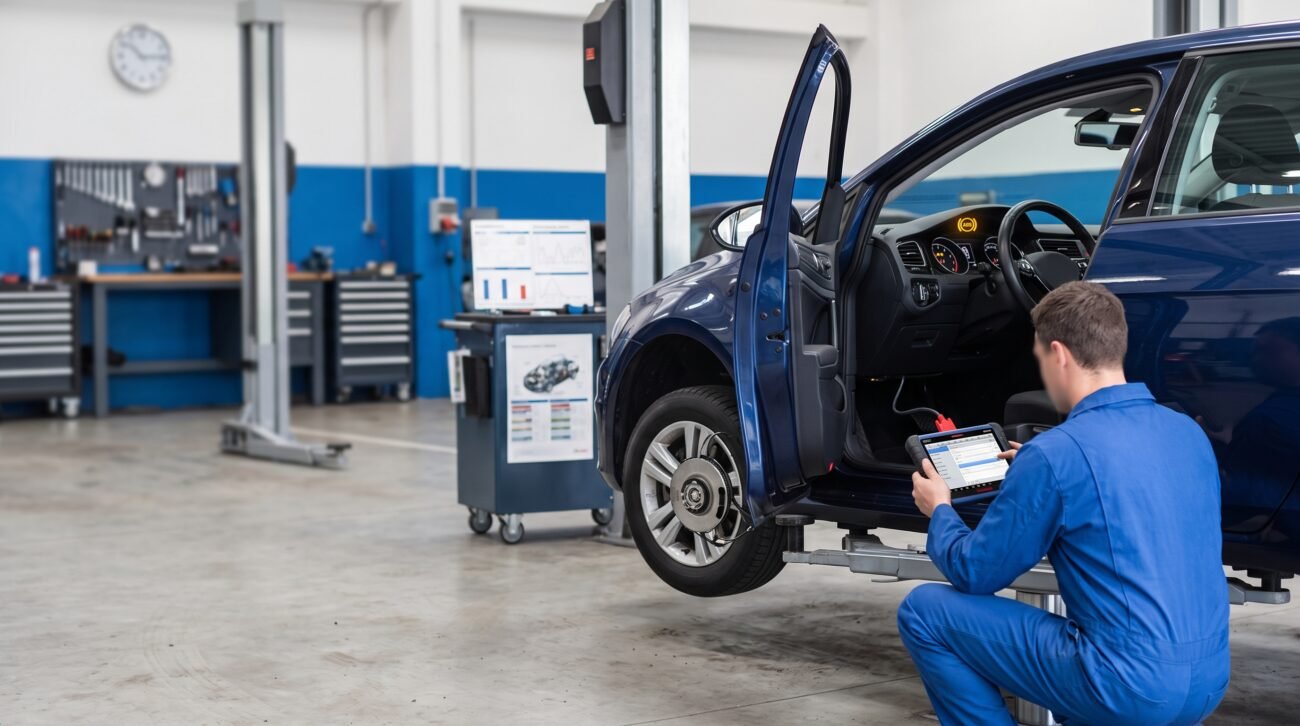
Brake Warning Light
A brake warning light may indicate different issues depending on the vehicle.
It could be related to the parking brake, low brake fluid, a hydraulic problem, or another system fault.
Always check the vehicle owner’s manual for the meaning of the warning light.
ABS Warning Light
An ABS warning light means the vehicle’s anti-lock braking system has detected a fault.
The conventional brakes may still operate in some cases, but ABS functionality may be reduced or unavailable.
The system should be diagnosed rather than simply resetting the warning light without finding the cause.
How Long Do Brake Pads Last?
There is no single mileage figure that applies to every vehicle.
Brake pad life depends on driving style, vehicle weight, traffic conditions, road conditions, brake design, pad material, and other factors.
A car driven mainly in heavy stop-and-go traffic may use its brakes differently from one driven mostly on open roads.
Regular inspection is more useful than relying only on a mileage estimate.
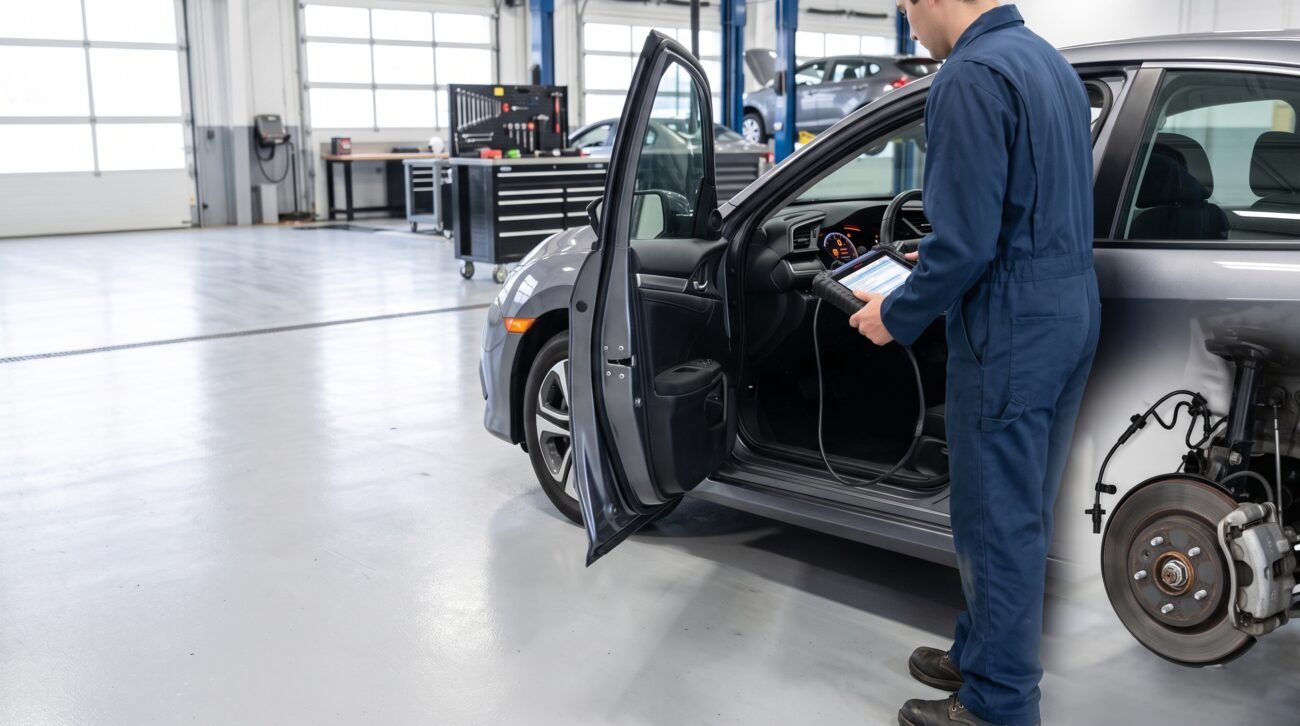
During service, a technician can measure brake pad thickness and inspect the rotors, calipers, hoses, and other components.
How to Maintain Your Car’s Brakes
Good brake maintenance begins with regular inspection.
Check Brake Fluid
Check the brake fluid level according to the vehicle manufacturer’s instructions.
Do not simply add fluid if the level is low without finding out why. A low level may be related to worn brake components or a leak.
Always use the correct fluid specified by the vehicle manufacturer.
Inspect Brake Pads
Brake pads should be inspected for remaining friction material and uneven wear.
If one pad is wearing much faster than another, there may be a problem with the caliper, hardware, guide pins, or another component.
Inspect Rotors
Rotors should be checked for excessive wear, damage, cracks, severe corrosion, or other conditions specified by the manufacturer.
Some surface marks are normal, but significant damage requires professional assessment.
Pay Attention to Warning Signs
Do not ignore changes in braking behavior.
New noises, vibrations, warning lights, fluid leaks, unusual pedal movement, or changes in stopping performance deserve attention.
Early diagnosis can sometimes prevent a smaller issue from becoming a larger repair.
How Weather Can Affect Braking
Rain does not normally prevent a properly maintained car from braking, but wet roads reduce tire grip.
That means stopping distances can increase.
Water, mud, snow, ice, and loose gravel can all affect the tire-road connection.
The brakes may be working correctly while the tires have less available traction.
This is an important distinction when considering how do brakes work on a car.
The brake system creates the braking force, but the tires and road must transmit that force.
Does Speed Affect Braking Distance?
Yes.
A vehicle traveling faster has more kinetic energy than the same vehicle traveling more slowly.
As speed increases, the vehicle generally requires more distance and energy management to stop safely.
Driver reaction time also adds distance before the brakes even begin slowing the vehicle.
For this reason, maintaining a safe following distance and adjusting speed to road conditions are important parts of safe driving.
Why Tires Matter to Braking
Good brakes cannot overcome a severe lack of tire grip.
The tires are the final connection between the braking system and the road.
Tire condition, tread depth, inflation pressure, road surface, temperature, and tire design can all affect traction.
This means how do brakes work on a car is only part of the larger stopping process.
The brakes slow the wheels, while the tires transfer that braking force to the road.
What Happens During an Emergency Stop?
During an emergency stop in a vehicle equipped with ABS, the driver should generally apply firm, steady pressure to the brake pedal and allow the ABS to operate.
The driver may feel vibration or pulsing through the pedal when ABS activates.
Do not pump the brake pedal in an attempt to operate ABS manually. The system is designed to control brake pressure electronically.
At the same time, keep the vehicle pointed where you need to go and remain alert to surrounding traffic.
Always follow the vehicle manufacturer’s instructions because braking systems and driving conditions can differ.
Can Brakes Stop a Car Without ABS?
Yes.
A vehicle can have conventional hydraulic brakes without ABS and still slow or stop.
ABS provides additional control during situations where wheel lock is possible. It does not replace the basic braking system.
A properly maintained non-ABS brake system still relies on the same core principles of pedal force, hydraulic pressure, mechanical force, friction, and tire grip.
What Happens When Brake Pads Wear Out?
Brake pads gradually lose friction material as they are used.
As the material becomes thinner, the braking system eventually needs service.
Many pads include wear indicators designed to make noise when the pad approaches a service limit. Some vehicles also use electronic wear sensors.
Do not wait for severe noise before checking the brakes.
Replacing worn pads at the appropriate time can help prevent damage to other brake components.
Why Brake Fluid Needs Attention
Brake fluid plays a critical role in the hydraulic system.
Over time, some brake fluids can absorb moisture from the environment. This can change the fluid’s properties and may affect braking performance under high temperatures.
Brake fluid can also become contaminated.
Service intervals vary by vehicle and fluid type, so follow the manufacturer’s recommended maintenance schedule.
Never mix fluids unless the manufacturer specifically states that they are compatible.
Can You Drive With a Brake Problem?
It depends on the problem, but serious brake symptoms should never be treated casually.
If the pedal suddenly becomes very soft, the vehicle has a major loss of braking power, brake fluid is leaking, or a warning indicates a serious brake fault, stop driving when it is safe to do so and arrange for professional assistance.
A minor noise may have a different level of urgency, but it still deserves inspection if it continues.
Because brakes are essential safety equipment, guessing about a serious fault is not a good approach.
Brake Maintenance vs. Brake Repair
Brake maintenance includes routine inspections and replacement of normal wear items.
Brake repair involves correcting a fault or damaged component.
For example, replacing worn brake pads is routine maintenance. Replacing a leaking brake hose is a repair.
Some brake jobs can be straightforward for trained professionals, but brake systems are safety-critical. If you are not trained to work on braking systems, professional service is the safer choice.
How Modern Cars Improve Braking Performance
Modern vehicles often combine mechanical brakes with electronic driver-assistance systems.
Depending on the vehicle, these may include:
- Anti-lock braking systems
- Electronic brake-force control
- Traction control
- Electronic stability control
- Brake assist
- Automatic emergency braking
- Electronic parking brakes
These systems do not all perform the same job.
ABS helps reduce wheel lock during braking. Stability control can help manage vehicle motion when the car begins to deviate from the driver’s intended path. Automatic emergency braking can use sensors to detect certain obstacles and apply braking in specific situations.
The exact features vary by vehicle.
FAQ
How Do Car Brakes Work Step by Step?
Car brakes work by turning the vehicle’s motion into heat through friction. When you press the brake pedal, the pedal pushes the brake master cylinder. The master cylinder sends pressurized brake fluid through the brake lines. This pressure reaches the brake calipers or wheel cylinders. In disc brakes, the caliper pushes the brake pads against the spinning rotor. In drum brakes, brake shoes press against the inside of the drum. This friction slows the wheels and reduces the car’s speed. If the car has ABS, the system can quickly adjust brake pressure to help prevent the wheels from locking during hard braking.
What Is the 30/30/30 Rule for Brakes?
The 30/30/30 rule for brakes is not a universal automotive standard, so its meaning can vary depending on the source or vehicle. In some brake-maintenance discussions, it is used as a general reminder to pay attention to brake condition, braking distance, and driving habits. However, you should not treat “30/30/30” as an official rule for deciding when brakes need replacement. Brake condition should be checked based on the manufacturer’s recommendations and the actual condition of the brake pads, rotors, fluid, and other components. If you hear grinding, feel strong vibration, notice pulling, or experience a soft brake pedal, have the braking system inspected promptly.
What Is the Common Problem of a Brake System?
One of the most common brake-system problems is worn brake pads. Brake pads gradually become thinner as they create friction against the brake rotors. When they become too thin, braking performance can decrease and the rotors may also become damaged. Other common problems include worn or warped rotors, low or contaminated brake fluid, leaking brake lines, sticking calipers, and faulty wheel-speed sensors in vehicles with ABS. Drivers may notice warning noises, vibration, pulling to one side, a soft pedal, or increased stopping distance. Regular brake inspections can help find these problems early and keep the braking system working safely.
What Is the 3 Brake System?
The phrase “3 brake system” can mean different things depending on the context. In a normal passenger car, the main braking functions are usually the service brake, parking brake, and emergency/backup braking function. The service brake is the main system operated by the brake pedal and is used to slow or stop the vehicle while driving. The parking brake helps keep the vehicle stationary when parked. Modern vehicles also have separate hydraulic circuits and electronic systems such as ABS that provide additional safety and control. Because terminology varies between vehicles, it is best to check the owner’s manual when a specific car describes its braking system as having three parts.
Final Thoughts
So, how do brakes work on a car? The process starts when you press the brake pedal. The brake booster can assist your input, while the master cylinder converts pedal movement into hydraulic pressure. Brake fluid carries that pressure through the brake lines to calipers or wheel cylinders. Brake pads and rotors, or shoes and drums, then create friction that slows the wheels. Finally, the tires transfer the braking force to the road.
Modern braking systems add technologies such as ABS and electronic controls to improve stability and help maintain control during difficult braking situations.
The most important point is that every part of the braking system has a job. Brake fluid, pads, rotors, calipers, drums, sensors, tires, and electronic controls must all work correctly for safe and predictable braking.
If your car develops a warning light, unusual noise, soft or hard pedal, fluid leak, vibration, pulling, or a noticeable change in stopping performance, have the braking system inspected promptly. Regular maintenance and early attention to problems are among the best ways to keep a vehicle’s brakes working as designed.