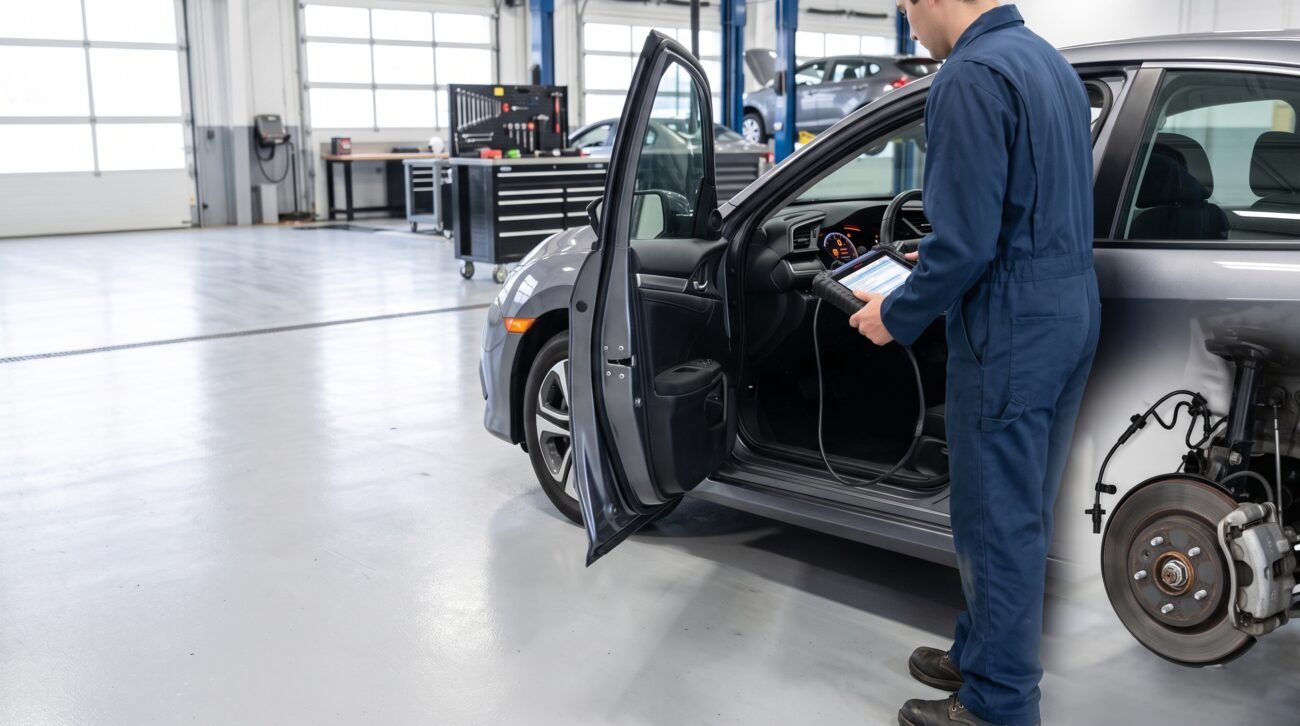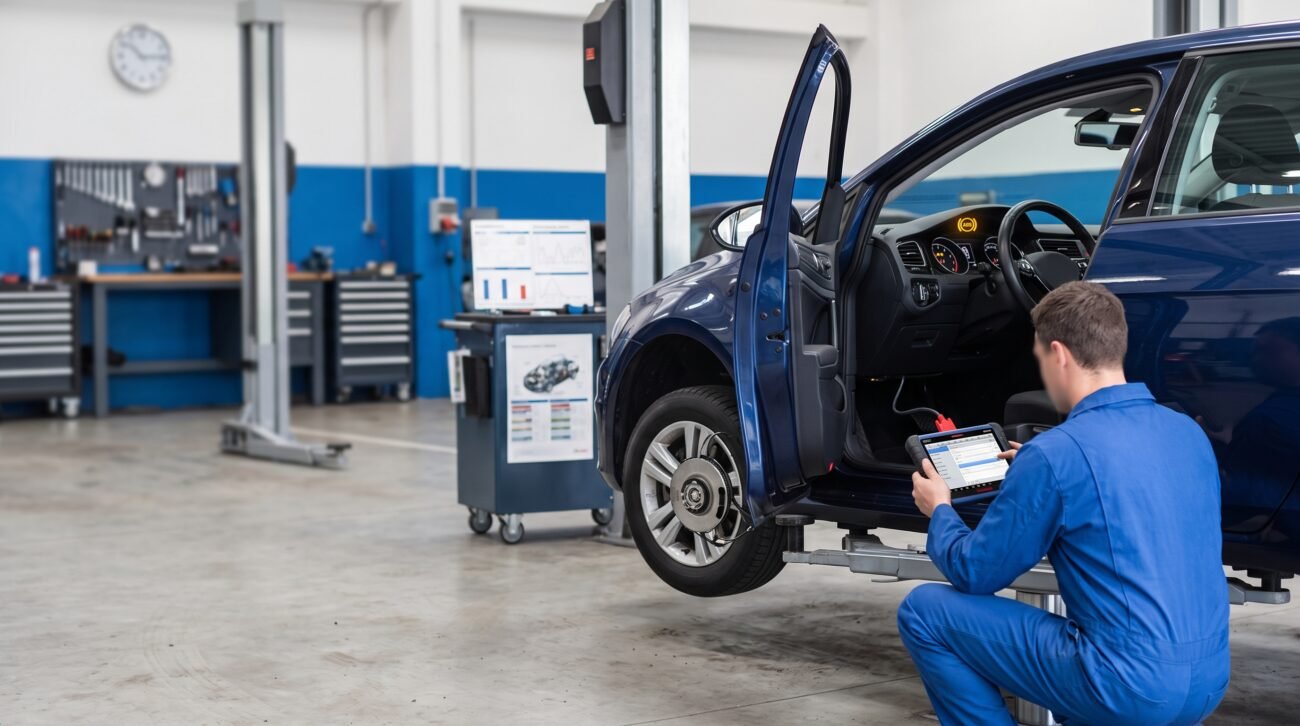

Vehicle brakes are one of the most important safety systems in any car, truck, or SUV. They allow the driver to slow down, stop, and control the vehicle in changing traffic conditions.
But how vehicle brakes work can seem complicated because several parts must work together. When you press the brake pedal, your foot starts a chain of mechanical, hydraulic, and electronic actions that turns pedal pressure into stopping force at the wheels.
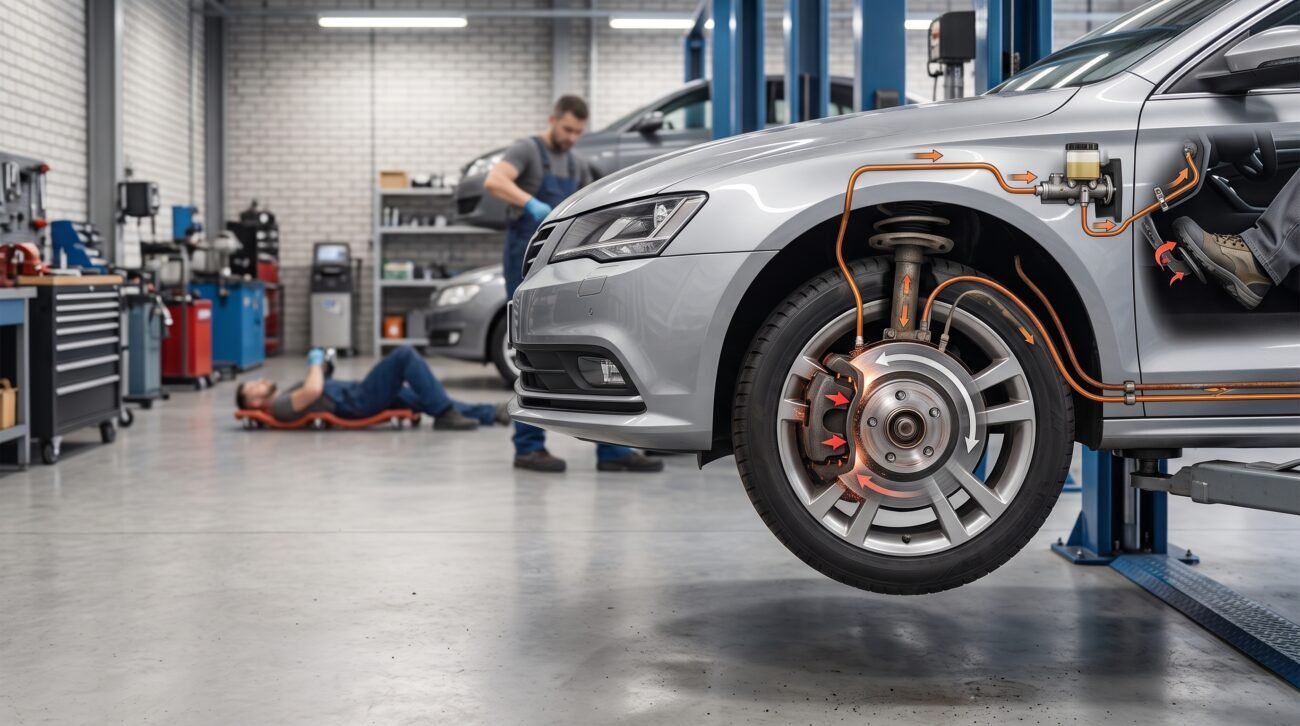
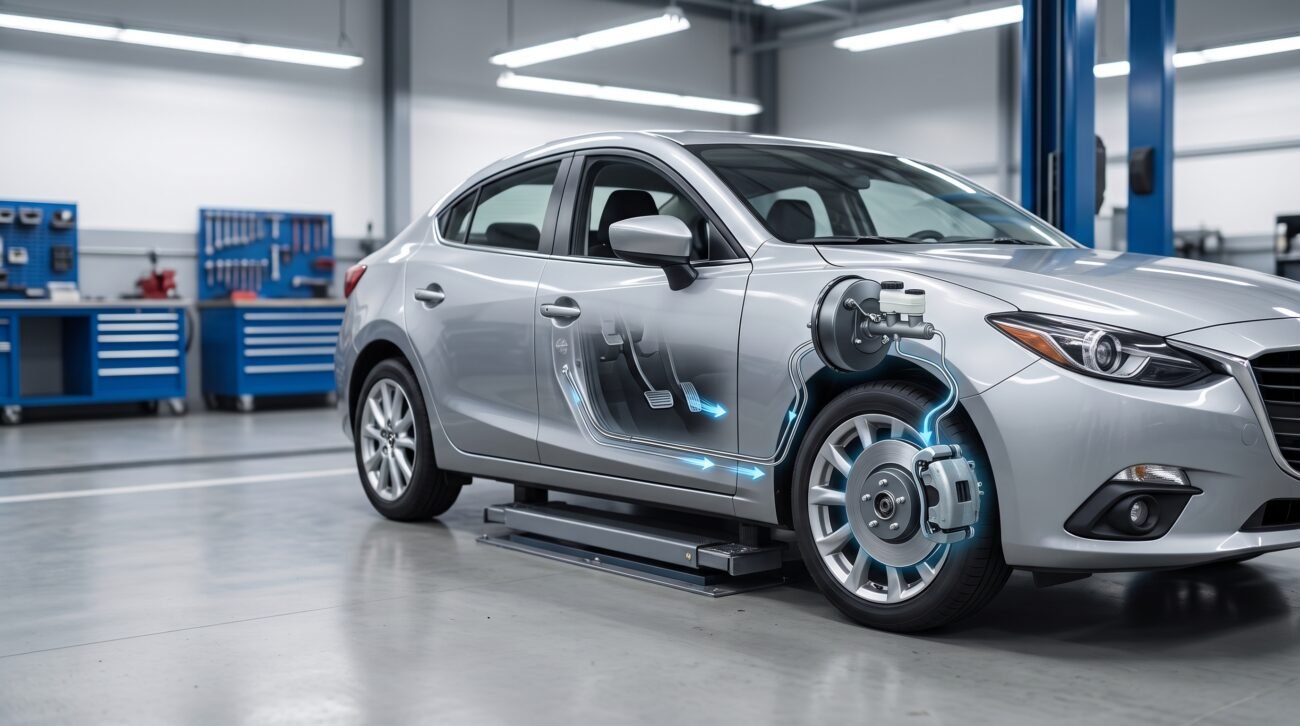
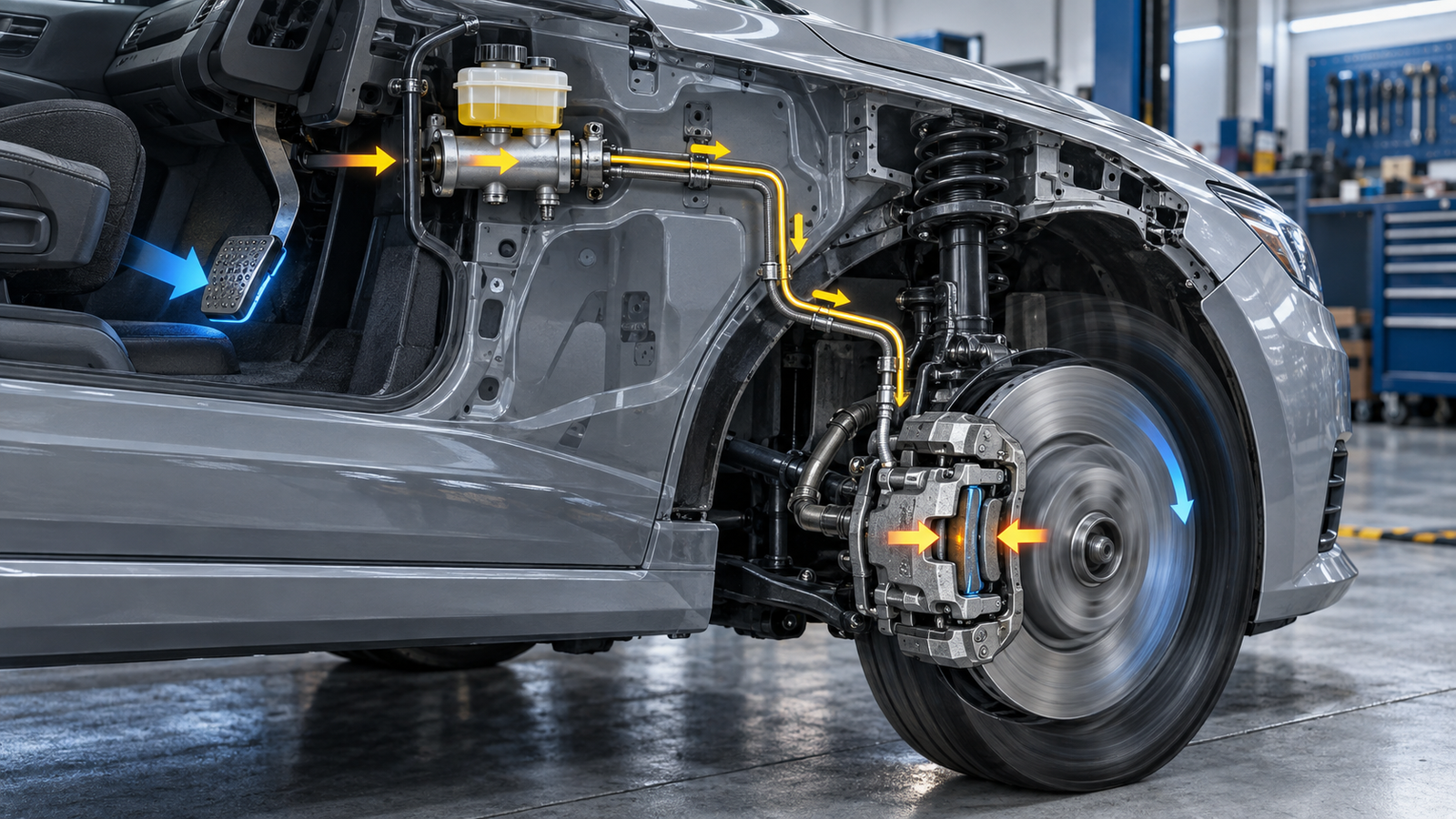
In most modern vehicles, the brake pedal operates a brake booster and master cylinder. The master cylinder creates hydraulic pressure in the brake fluid. That pressure travels through brake lines and hoses to the wheel brakes. At disc brakes, calipers push brake pads against rotating rotors. At drum brakes, wheel cylinders push brake shoes against the inside of rotating drums. Friction then slows the wheels and, through the tires, slows the vehicle.
This guide explains how vehicle brakes work step by step. It also covers disc brakes, drum brakes, ABS, brake wear, warning signs, maintenance, and common questions.
How Vehicle Brakes Work
Understanding how vehicle brakes work starts with one simple idea: brakes convert the vehicle’s motion into heat through friction.
A moving vehicle has kinetic energy. When the brakes are applied, friction at the wheel brakes resists rotation. Much of the vehicle’s kinetic energy is converted into heat. The tires then transfer the remaining braking force to the road.
This process happens very quickly.
What Happens When You Press the Brake Pedal?
When you press the brake pedal, you apply force with your foot. The pedal is designed to multiply and transfer that force through the braking system.
In a conventional hydraulic brake system, the pedal moves a pushrod connected to the master cylinder. The master cylinder then pressurizes brake fluid.
The pressurized fluid travels through the brake lines and flexible hoses toward the brakes at the wheels.
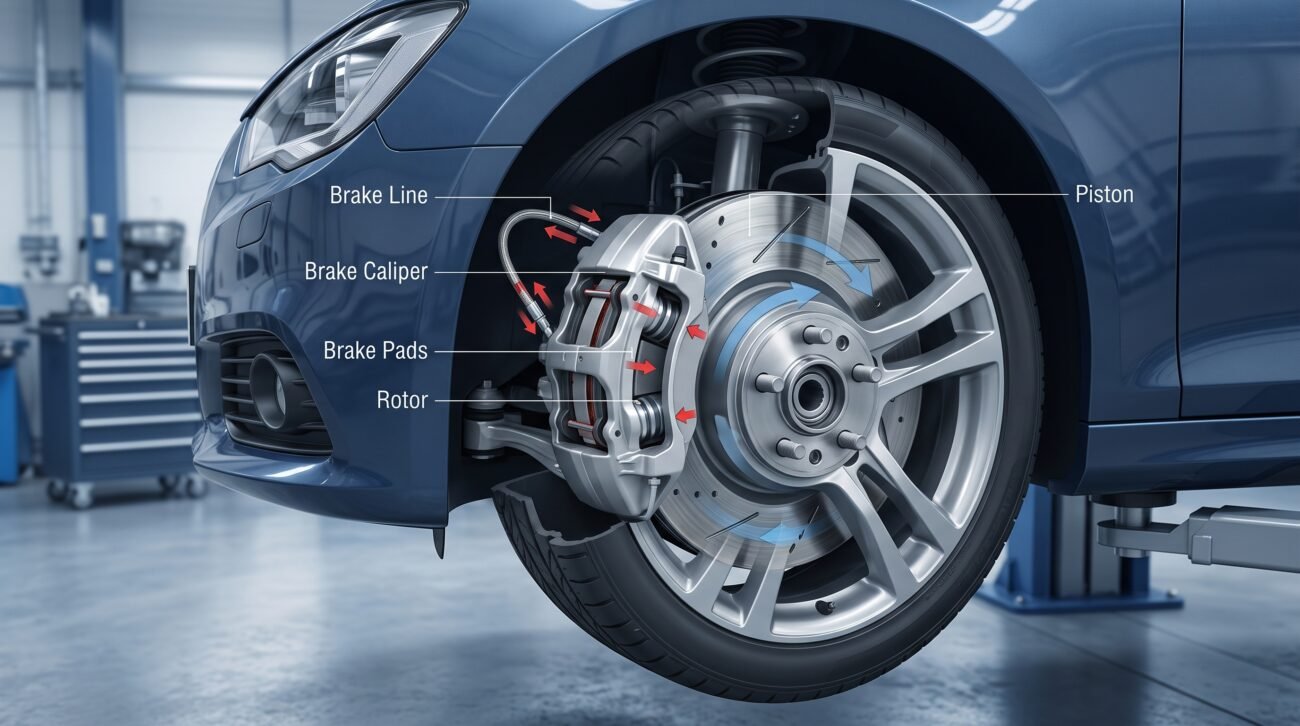
At a disc brake, hydraulic pressure moves a piston inside the caliper. The piston pushes a brake pad toward the rotor. Depending on the caliper design, the other pad is also pressed toward the rotor.
The pads grip the rotor and create friction.
That friction slows the rotor, which is connected to the wheel. As the wheels slow, the tires interact with the road to slow the entire vehicle.
This is the basic sequence behind how vehicle brakes work.
How Brake Fluid Transfers Pressure
Brake fluid is a specially designed hydraulic fluid. Its main job is to transfer pressure from the master cylinder to the wheel brakes.
When the master cylinder piston moves, it creates pressure inside a sealed hydraulic circuit. Because brake fluid is nearly incompressible, pressure can be transmitted through the fluid.
The system uses rigid brake lines in many areas and flexible brake hoses near moving suspension and steering components.
The master cylinder can supply pressure to separate hydraulic circuits. This design helps maintain some braking ability if one circuit develops a problem.
Brake fluid must remain clean and suitable for the vehicle’s brake system. Water contamination can lower its boiling point and may contribute to corrosion inside the hydraulic system.
How Brake Pads and Rotors Stop a Car
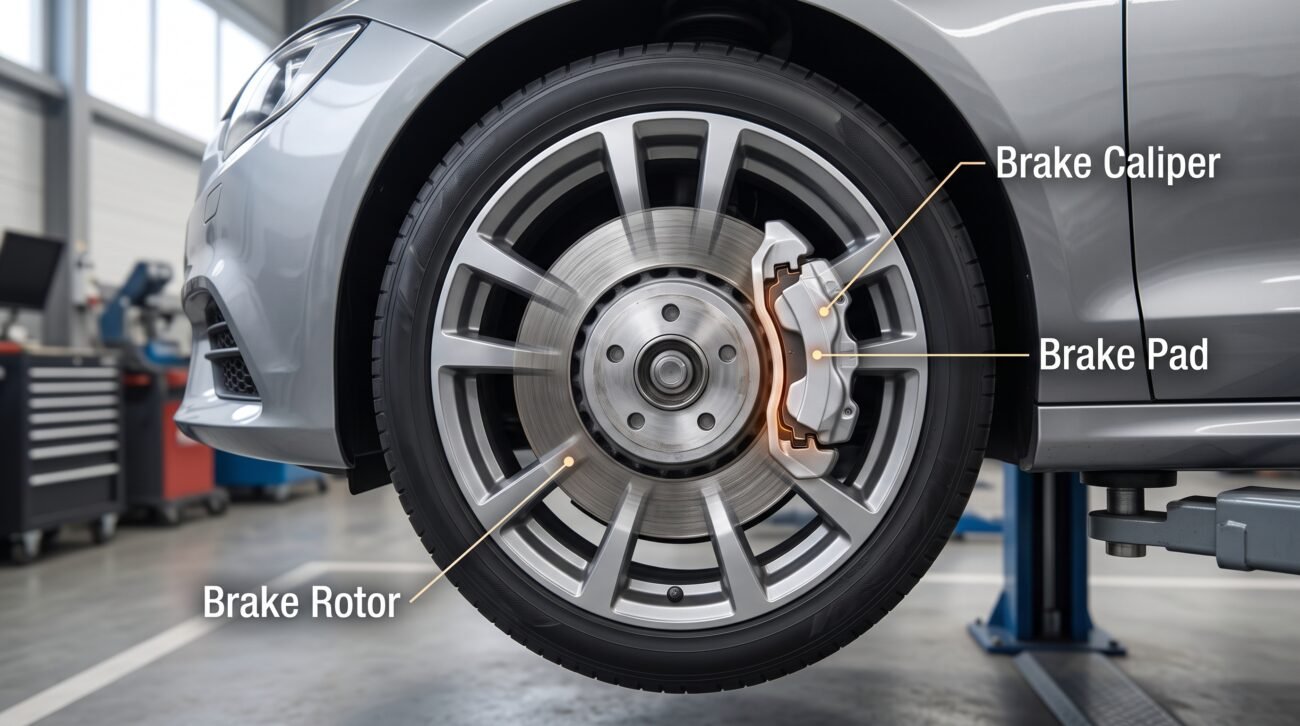
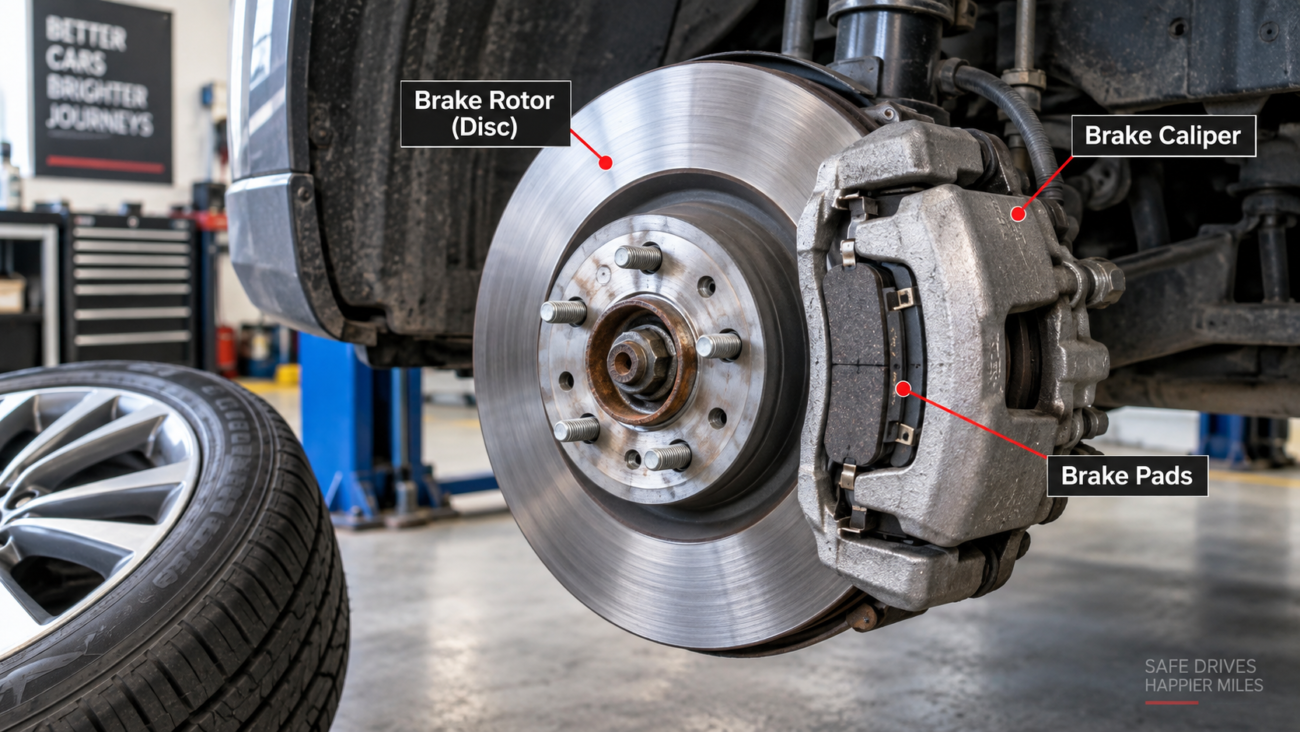
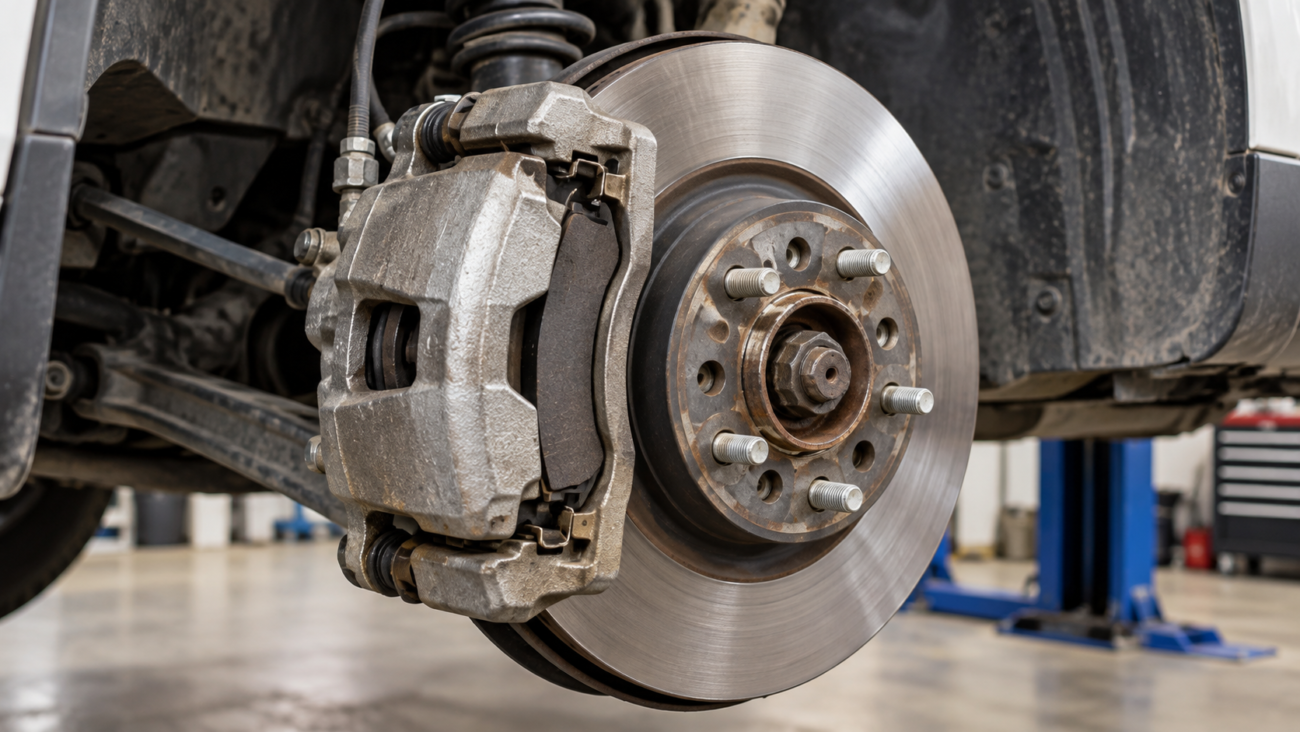
Disc brakes use two major friction components: brake pads and a brake rotor.
The rotor is a metal disc attached to the wheel hub. It rotates with the wheel.
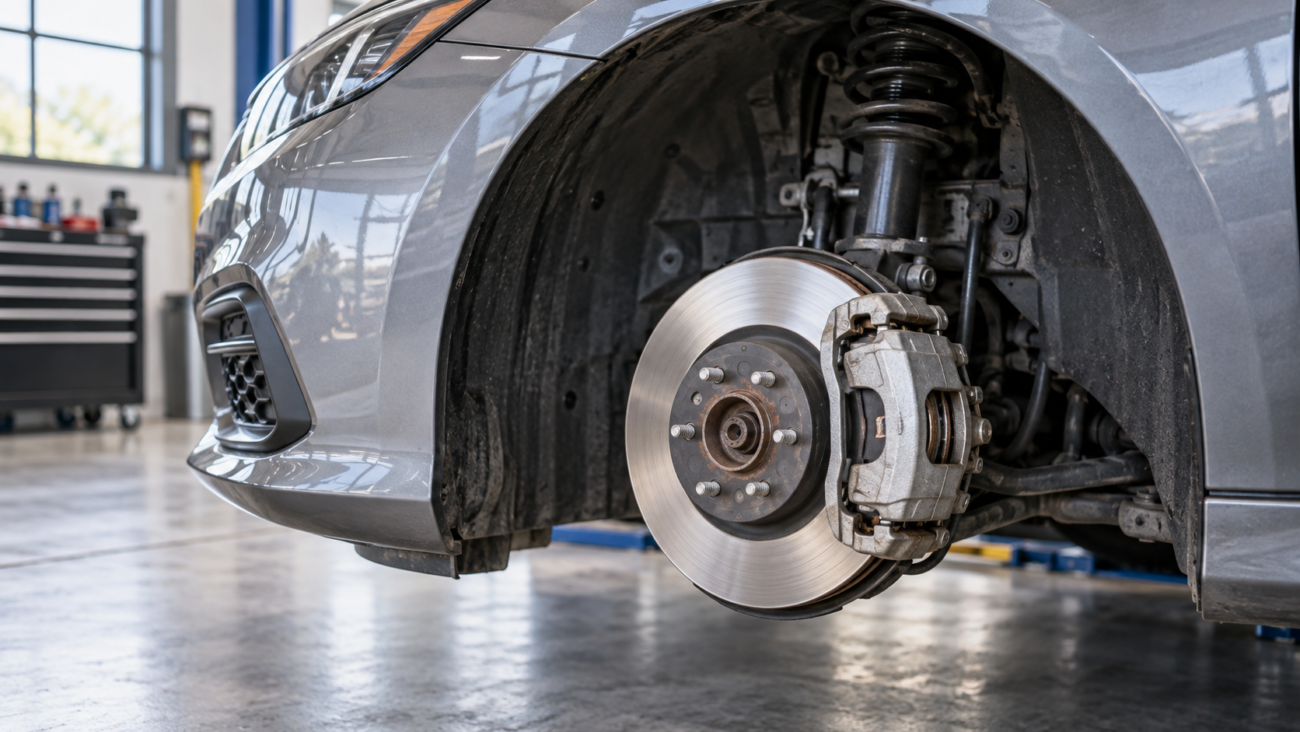
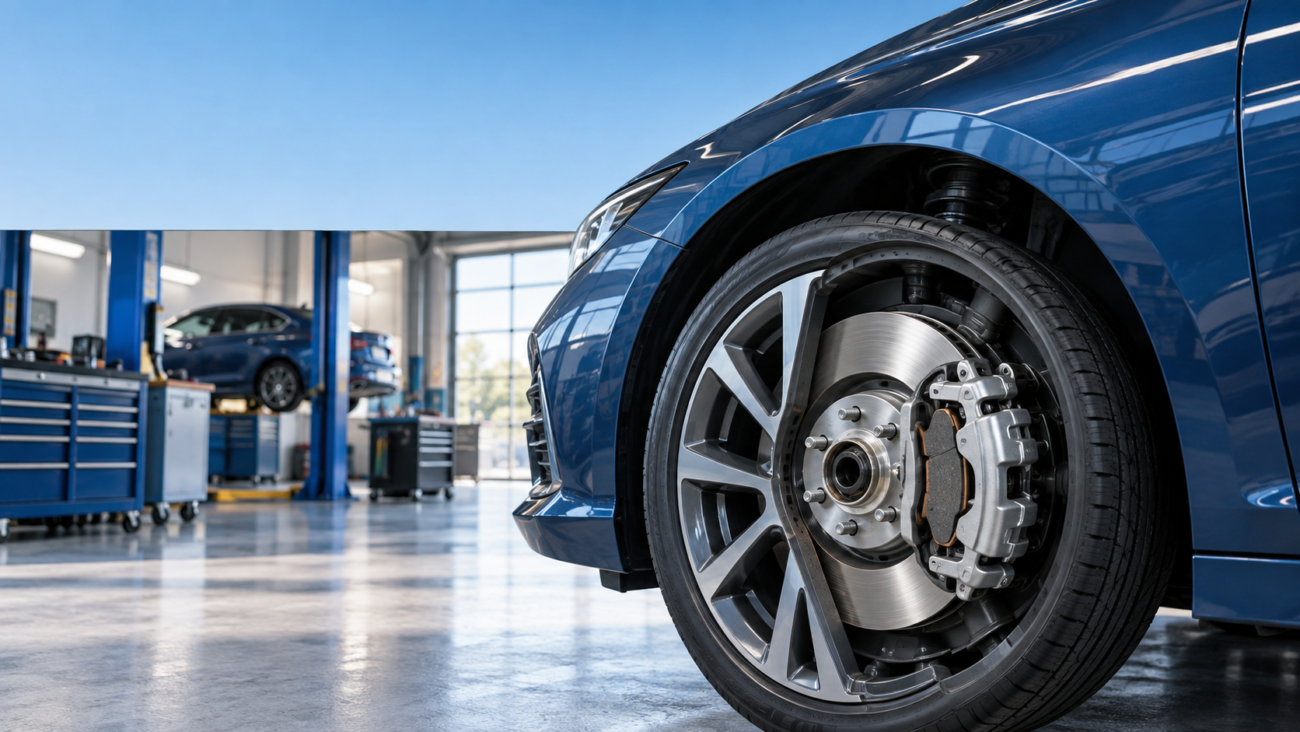
When you press the brake pedal, hydraulic pressure causes the caliper to push the brake pads against the rotor. The pads create friction against both sides of the rotating disc.
That friction slows the rotor.
Because the rotor is connected to the wheel, the wheel slows too. The tire then applies braking force to the road.
Braking produces heat. During repeated or heavy braking, rotors and pads can become very hot. Brake components are therefore designed to tolerate significant temperatures.
This heat management is an important part of how vehicle brakes work, especially when a vehicle is carrying a heavy load or traveling down a long hill.
Main Parts of a Vehicle Brake System
Several components work together to make how vehicle brakes work possible. Each part has a specific job.
Brake Pedal
The brake pedal is the control the driver uses to request braking.
When you push the pedal, its movement transfers force through the pedal mechanism to the brake system.
The pedal itself does not directly squeeze the brake pads. Instead, it begins a chain of actions that eventually creates braking force at the wheels.
A normal brake pedal should feel firm and predictable. Changes in pedal feel can indicate a problem that needs attention.
Brake Booster
Many vehicles use a brake booster to reduce the amount of effort needed to operate the brakes.
Traditional vacuum brake boosters use pressure differences to assist the driver’s pedal force. Some newer vehicles use electric or electro-hydraulic systems instead.
The booster does not create the stopping force by itself. It helps the driver apply the required force to the master cylinder.
If the power assist is lost, the brakes may still operate in many systems, but the pedal can require much more effort.
Master Cylinder
The master cylinder converts mechanical force from the brake pedal into hydraulic pressure.
It contains pistons and seals that pressurize brake fluid.
When you press the brake pedal, the master cylinder sends pressurized fluid through the hydraulic circuits.
The master cylinder is therefore a key link between the driver’s foot and the wheel brakes.
Brake Lines and Hoses
Brake lines and hoses carry pressurized brake fluid through the vehicle.
Rigid metal lines are commonly used along the vehicle body because they can provide durable, protected routing.
Flexible brake hoses are used where movement occurs, such as between the vehicle body and steering or suspension components.
Both must remain in good condition. Leaks, corrosion, cracks, or other damage can affect braking performance.
Brake Calipers
A brake caliper surrounds part of the brake rotor.
In a disc brake system, hydraulic pressure moves one or more pistons in the caliper. These pistons push the brake pads against the rotor.
Caliper designs vary. Some use pistons on one side, while others use pistons on both sides.
The basic purpose remains the same: apply controlled pressure to the pads so they can create friction against the rotor.
Brake Pads
Brake pads contain friction material designed to work against the rotor.
When the brakes are applied, the friction material contacts the rotor and slows its rotation.
Brake pads gradually wear because their friction material is consumed during braking.
Driving conditions, vehicle weight, traffic, road conditions, and braking habits can all affect how quickly pads wear.
Brake Rotors
Brake rotors are rotating discs used with disc brakes.
They are attached to the wheel hub and rotate with the wheel.
When the brake pads press against the rotor, friction slows the rotor.
Some rotors are solid, while others are ventilated. Ventilated rotors have internal spaces that can help move heat away from the braking surfaces.
Rotor design depends on the vehicle and its intended use.
How Disc Brakes Work
Disc brakes are widely used on modern vehicles because they offer strong braking performance and good heat management.
Knowing how vehicle brakes work is easier when you understand the disc brake process from start to finish.
Step-by-Step Disc Braking Process
Here is a simplified sequence:
- You press the brake pedal.
Your foot applies force to the pedal. - The braking system creates hydraulic pressure.
The master cylinder pressurizes brake fluid. - Pressure travels to the wheel brakes.
Brake fluid moves through the hydraulic lines and hoses. - The caliper piston moves.
Hydraulic pressure pushes the caliper piston. - The brake pads contact the rotor.
The pads squeeze the rotating disc. - Friction slows the rotor.
The rotating wheel becomes harder to turn. - The tire slows against the road.
The braking force is transferred through the tire-road contact. - The vehicle slows or stops.
The vehicle’s kinetic energy is largely converted into heat through braking friction.
This chain explains the basic process of how vehicle brakes work in a typical disc brake system.
Why Disc Brakes Are Common
Disc brakes have several useful characteristics.
They can provide consistent braking performance and are generally effective at releasing heat. The exposed design of a disc brake can also help cooling compared with some enclosed brake designs.
Disc brakes are common on the front wheels of many passenger vehicles because the front axle often handles a large share of the braking load during deceleration.
Many vehicles also use disc brakes on the rear wheels.
How Drum Brakes Work
Drum brakes use a different design but follow the same basic principle: friction slows a rotating component connected to the wheel.
Understanding drum brakes helps complete the picture of how vehicle brakes work.
Main Parts of a Drum Brake
A typical drum brake contains:
- Brake drum
- Brake shoes
- Wheel cylinder
- Return springs
- Other supporting hardware
The brake drum is a circular metal component that rotates with the wheel.
Brake shoes sit inside the drum.
The wheel cylinder uses hydraulic pressure to move the shoes outward.
How Drum Brakes Stop a Vehicle
When the driver presses the brake pedal, the master cylinder creates hydraulic pressure.
Brake fluid travels to the wheel cylinder.
The wheel cylinder pushes the brake shoes outward. The shoes press their friction material against the inside surface of the rotating drum.
Friction slows the drum.
Because the drum is connected to the wheel, the wheel slows as well.
The overall principle is similar to a disc brake, even though the components move differently.
Disc Brakes vs. Drum Brakes
| Feature | Disc Brakes | Drum Brakes |
|---|---|---|
| Main rotating part | Rotor | Drum |
| Friction part | Pads | Shoes |
| Hydraulic actuator | Caliper | Wheel cylinder |
| Cooling | Generally good | More enclosed |
| Common use | Front and rear | Often rear on some vehicles |
| Adjustment | Usually automatic pad position | Many systems use automatic shoe adjustment |
Neither design is automatically better for every vehicle. Manufacturers choose brake designs based on cost, packaging, performance, weight, parking-brake requirements, and other factors.
How ABS Helps Vehicle Brakes Work
Modern vehicles may include an anti-lock braking system, commonly called ABS.
ABS adds electronic control to the basic braking system.
What Is an Anti-Lock Braking System?
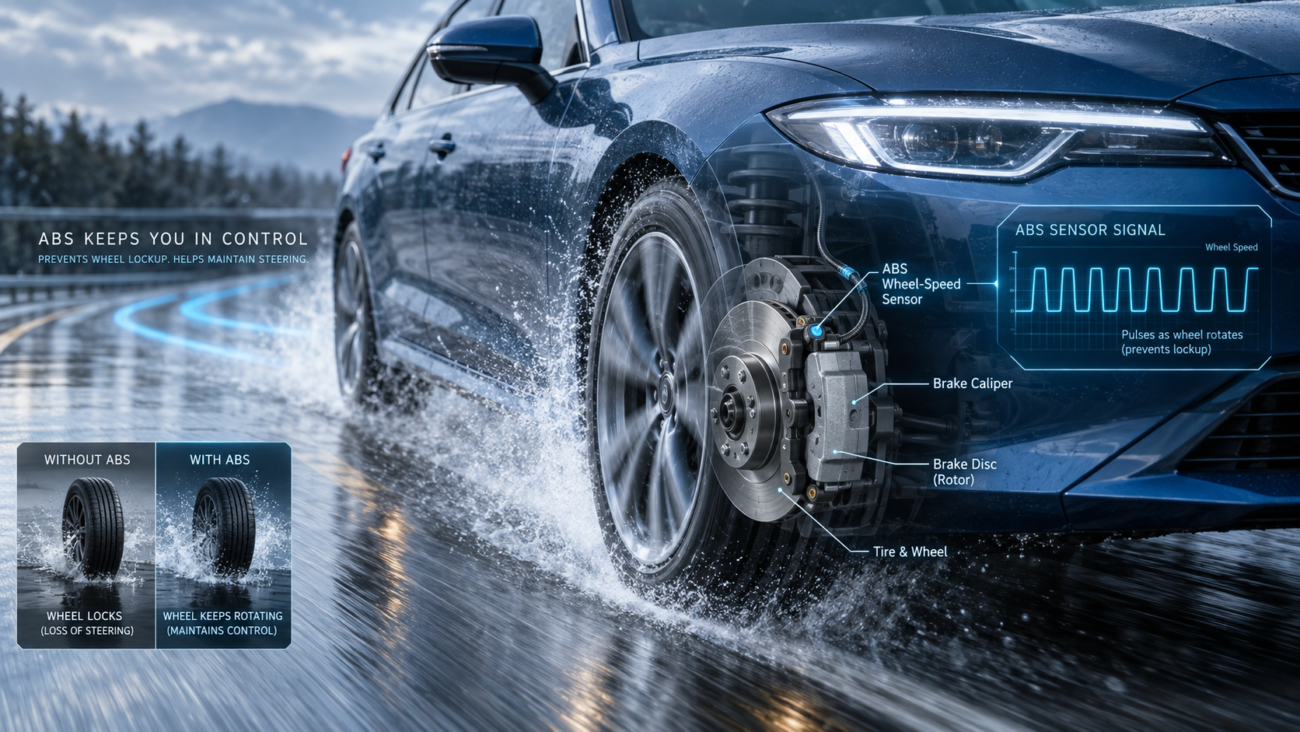
ABS is designed to help prevent the wheels from locking during hard braking.
The system uses wheel-speed sensors to monitor wheel rotation. An electronic control unit compares wheel behavior and can command hydraulic valves to reduce or restore brake pressure at individual wheels.
The goal is to help the tires maintain useful contact with the road while the driver is braking hard.
How ABS Works During Hard Braking
Suppose a driver brakes hard and one wheel is about to stop rotating while the vehicle is still moving.
The ABS control system can detect the change in wheel speed.
It can then adjust brake pressure at that wheel.
This process can happen rapidly and repeatedly during an emergency stop.
The result is not that ABS makes the brakes physically stronger. Instead, it helps manage brake pressure to reduce wheel lockup.
That can help the driver maintain steering control while braking.
Can ABS Make a Car Stop Faster?
Not necessarily.
Stopping distance depends on many factors, including tire grip, road surface, vehicle speed, vehicle condition, and driver input.
ABS is primarily intended to reduce wheel lockup and help preserve steering control during hard braking.
On some surfaces, ABS may produce a longer stopping distance than a locked-wheel stop, while on others it can improve braking performance. Its key safety benefit is maintaining controlled wheel rotation and helping the driver steer while braking.
This distinction is important when learning how vehicle brakes work.
How Brakes Work in Different Driving Conditions
The braking system works on the same basic principles, but road conditions can greatly change how effectively the tires can transfer braking force.
Braking on Dry Roads
Dry pavement generally offers more tire grip than wet or icy pavement, assuming the tires are in good condition.
When the driver brakes, the tires can usually transfer more braking force to the road.
However, even on dry roads, excessive speed increases stopping distance.
Good brakes cannot overcome the limits of tire traction.
Braking on Wet Roads
Water can reduce the available tire-road grip.
This means the vehicle may need more distance to stop.
Good tire tread, appropriate speed, and smooth driver inputs become especially important.
The brake system can still generate braking force, but the tires determine how much of that force can be transferred to the road.
Braking on Slippery Roads
Snow, ice, loose gravel, mud, and other low-traction surfaces can greatly reduce tire grip.
If a wheel locks, steering control can be reduced.
ABS can help manage wheel lockup during hard braking, but it cannot create traction where there is very little.
Drivers should reduce speed and leave extra space when road conditions are slippery.
Braking While Going Downhill
A long downhill section can place extra heat into the braking system.
Using the brakes continuously for a long period can raise brake temperatures.
Drivers should follow the vehicle manufacturer’s recommendations for downhill driving. In vehicles with suitable transmissions, selecting an appropriate lower gear can help control speed and reduce the need for continuous brake application.
The exact technique depends on the vehicle and road.
What Causes Vehicle Brakes to Wear Out?
Brake components are wear items. They are designed to gradually wear as they convert motion into heat.
Brake Pad Wear
Brake pads gradually become thinner as their friction material wears.
Frequent stop-and-go driving can increase brake use.
Heavy loads, steep hills, traffic conditions, and repeated hard braking can also affect wear.
Many vehicles have wear indicators or electronic systems that help alert the driver when pads need attention.
Regular inspection is important because not every brake problem produces an obvious warning.
Rotor Wear and Damage
Rotors are also exposed to heat and friction.
Over time, they can develop wear, surface damage, corrosion, or thickness variations.
A rotor may develop grooves or other surface problems. Some drivers describe certain braking vibrations as “warped rotors,” although vibration can have several possible causes, including disc thickness variation, runout, or other brake and suspension issues.
A qualified technician can determine the actual cause.
Brake Fluid Problems
Brake fluid can absorb moisture over time, depending on the fluid type and system conditions.
Contaminated or degraded fluid may affect braking performance and can contribute to corrosion inside hydraulic components.
Brake fluid also has a specified boiling point. Excessive heat can cause fluid to boil if conditions are severe enough, which can result in reduced braking performance.
Always use the brake fluid type specified by the vehicle manufacturer.
Signs Your Vehicle Brakes Need Attention
Knowing how vehicle brakes work also helps you recognize when something may not be working correctly.
Squealing or Grinding Noises
A squeal can have several causes, including brake pad material, vibration, dust, moisture, or wear.
Grinding is more concerning because it may indicate severe friction-material wear or another mechanical problem.
If you hear persistent or severe brake noise, have the system inspected.
Soft or Spongy Brake Pedal
A brake pedal that feels unusually soft or spongy may indicate air or another problem in the hydraulic system.
Low brake fluid, hydraulic leaks, or other faults can also affect pedal feel.
A sudden change in pedal feel should not be ignored.
Vehicle Pulling While Braking
If the vehicle pulls noticeably to one side when braking, possible causes include uneven brake operation, a sticking caliper, tire issues, suspension problems, or other faults.
A professional inspection can identify the cause.
Vibrations During Braking
Brake vibration can sometimes be felt through the steering wheel or brake pedal.
Possible causes include brake disc thickness variation, rotor runout, worn suspension components, or wheel-related problems.
The exact source needs to be diagnosed rather than assumed.
Longer Stopping Distance
If your vehicle seems to require more distance to stop than normal, the braking system should be checked.
Worn friction material, hydraulic problems, tire condition, road conditions, or other mechanical issues can contribute to increased stopping distance.
Brake Warning Light
A brake warning light can indicate different issues depending on the vehicle.
It may relate to the parking brake, low brake fluid, hydraulic problems, or another brake-system warning.
An ABS warning light is different and may indicate a fault in the anti-lock system.
Check the owner’s manual for the meaning of the warning light and have relevant problems diagnosed promptly.
How to Keep Your Vehicle Brakes Working Properly
Good brake maintenance is essential because brakes are safety-critical components.
Follow the Manufacturer’s Maintenance Schedule
Your vehicle’s owner’s manual provides important maintenance information.
It may specify recommended inspections, brake fluid service intervals, and other maintenance requirements.
Follow the schedule designed for your specific vehicle.
Inspect Brake Pads and Rotors
Brake pads and rotors should be checked during appropriate service intervals.
A visual inspection can sometimes reveal thin pads, damaged rotors, leaks, or other issues.
However, some problems require measurements or further testing.
Check Brake Fluid
Brake fluid should be checked according to the manufacturer’s recommendations.
Use only the specified fluid type.
Do not simply keep adding fluid without finding out why the level is low. A low level can sometimes indicate worn pads, a leak, or another problem.
Avoid Ignoring Brake Warning Signs
Small brake symptoms can become bigger problems.
If you notice a change in pedal feel, unusual noise, pulling, vibration, warning lights, or reduced braking performance, arrange an inspection.
Brakes are not a system where unusual behavior should be ignored.
Have Brake Problems Checked by a Qualified Professional
Brake repairs involve safety-critical components.
If you are not trained to inspect or repair braking systems, have the vehicle checked by a qualified automotive professional.
The correct repair depends on the vehicle, brake design, fault, and manufacturer’s specifications.
FAQ
How Do Car Brakes Work Step by Step?
Car brakes work by turning the driver’s pedal pressure into friction that slows or stops the wheels. First, the driver presses the brake pedal. The brake booster helps increase this force, and the master cylinder converts it into hydraulic pressure. Brake fluid carries this pressure through the brake lines to each wheel. At the wheel, a brake caliper pushes brake pads against a spinning brake rotor. This creates friction and reduces the wheel’s speed. In vehicles with drum brakes, brake shoes press against the inside of a rotating drum instead. The tires then transfer the braking force to the road, slowing the car safely.
What Is the 30/30/30 Rule for Brakes?
The 30/30/30 rule for brakes is not a universal automotive standard, so its meaning can vary depending on who uses the term. In some brake-maintenance discussions, people use numbers such as 30% to describe brake-pad or rotor wear, but there is no single officially accepted “30/30/30” brake rule that applies to every vehicle. For safe maintenance, always follow the vehicle manufacturer’s recommended inspection and replacement limits. Brake pads, rotors, brake fluid, and other components should be checked based on their actual condition rather than an informal rule. If you notice grinding, pulling, vibration, unusual noises, or reduced stopping performance, have the braking system inspected by a qualified technician.
Is a Brake Job Easy?
A brake job can be simple or complicated depending on the vehicle and the work required. Replacing brake pads on some cars is a common repair for an experienced DIY mechanic, but it still requires the correct tools, procedures, and safety precautions. Replacing rotors, servicing calipers, bleeding hydraulic lines, or working with electronic parking brakes can require additional knowledge. Because brakes are a critical safety system, mistakes can lead to poor braking or unsafe vehicle operation. Beginners should consider having the work performed or supervised by a qualified mechanic. If you’re learning, start by understanding the brake system and the manufacturer’s service instructions before attempting any repair.
What Are the 7 Types of Brakes in Vehicles?
Vehicles can use several different brake designs and braking systems. Seven common types include disc brakes, drum brakes, hydraulic brakes, mechanical brakes, air brakes, regenerative brakes, and electromagnetic brakes. Disc brakes use pads that clamp onto a rotating rotor, while drum brakes use shoes that press against the inside of a drum. Hydraulic brakes use pressurized brake fluid, and mechanical brakes use cables or other mechanical connections. Air brakes use compressed air and are common on heavy vehicles such as buses and trucks. Regenerative braking is widely used in hybrid and electric vehicles to recover energy. Electromagnetic braking uses magnetic forces to create resistance and slow moving components.
Conclusion
Understanding how vehicle brakes work does not require advanced mechanical knowledge.
The basic process is straightforward. You press the brake pedal, the pedal and brake assist system transfer force to the master cylinder, and the master cylinder creates hydraulic pressure. Brake fluid carries that pressure to the wheel brakes.
At disc brakes, calipers press brake pads against rotors. At drum brakes, wheel cylinders push brake shoes against drums. Friction slows the rotating components, and the tires transfer that braking force to the road.
ABS adds electronic control to help reduce wheel lockup during hard braking and help maintain steering control.
Brake pads, rotors, drums, fluid, lines, calipers, and other components all need proper care. If you notice unusual noises, a soft pedal, vibration, pulling, warning lights, or reduced braking performance, have the vehicle inspected promptly.
In short, how vehicle brakes work comes down to a coordinated process of pedal force, hydraulic pressure, friction, heat, tire grip, and electronic control. Keeping each part in good condition helps the vehicle slow and stop as designed.