

When you press the brake pedal in a car, the vehicle may feel as though it responds instantly. You push the pedal, the brakes engage, and the vehicle begins to slow down. Although this process feels simple from the driver’s seat, several carefully designed components work together behind the scenes. The hydraulic brake system is one of the most important parts of that process.
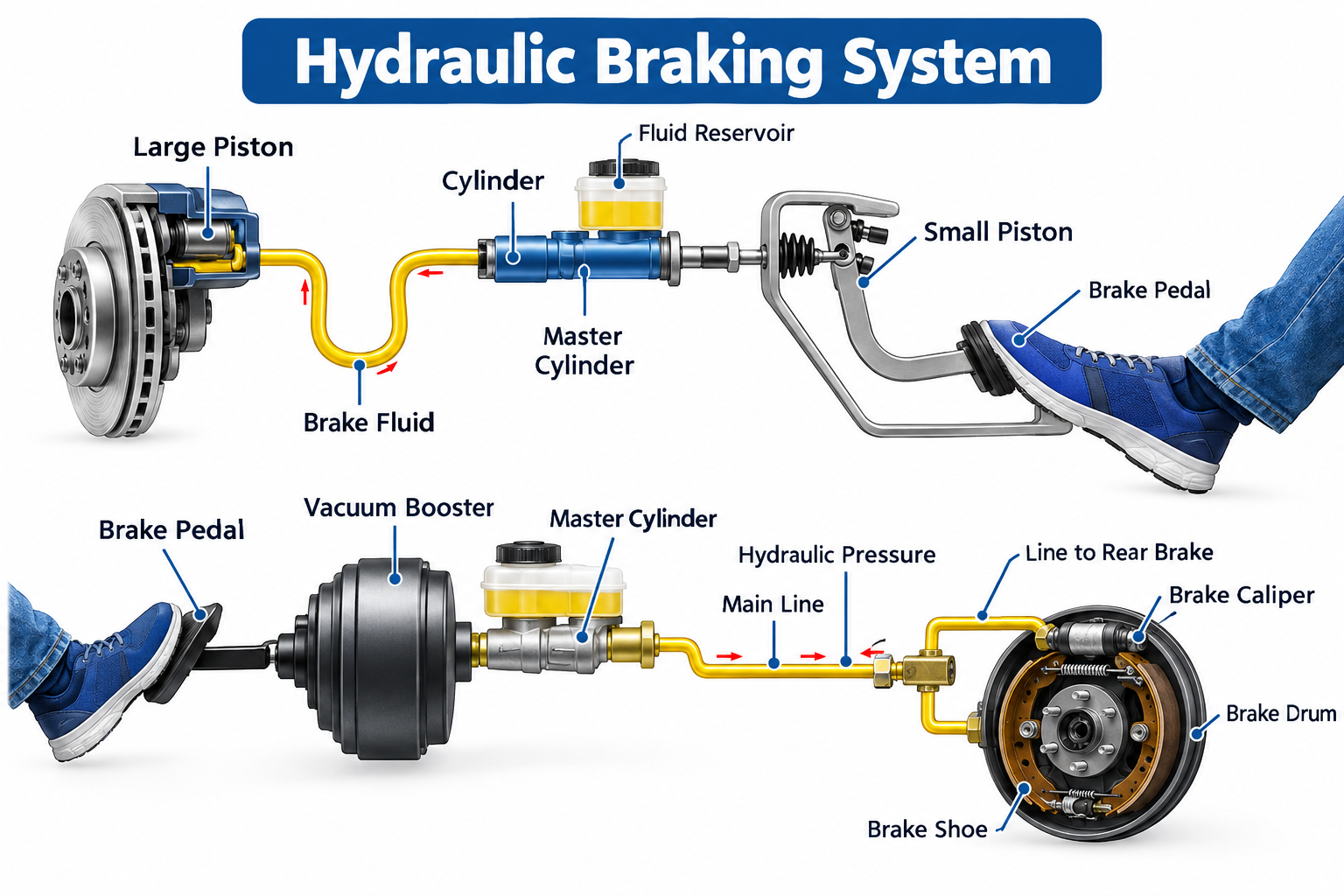
If you have ever wondered how does hydraulic brake works, the answer begins with a simple idea: pressure can be transferred through a liquid inside a sealed system. When you press the brake pedal, mechanical force is transferred to the master cylinder. The master cylinder then creates hydraulic pressure in the brake fluid. That pressure travels through brake lines and reaches the braking components at the wheels.
The result is controlled friction that slows the wheels and helps bring the vehicle to a stop. Modern vehicles have made hydraulic braking more sophisticated by adding components such as brake boosters, anti-lock braking systems, electronic sensors, and other technologies. However, the basic hydraulic principle remains remarkably important.
Understanding this system can help drivers and vehicle owners recognize the purpose of different brake components and understand why brake maintenance matters. Whether you are a beginner learning about automotive systems or someone who simply wants to understand what happens when you press the brake pedal, learning how hydraulic brakes work is a useful place to start.
What Is a Hydraulic Brake System?
A hydraulic brake system is a braking system that uses pressurized brake fluid to transfer force from the brake pedal to the brakes at the wheels. Instead of using a long mechanical connection between the pedal and each wheel, the system uses fluid pressure to distribute braking force efficiently.
The system is based on the principle that pressure applied to a confined fluid can be transmitted throughout that fluid. This principle allows a relatively small movement at the brake pedal to create enough force at the wheels to slow a heavy vehicle.
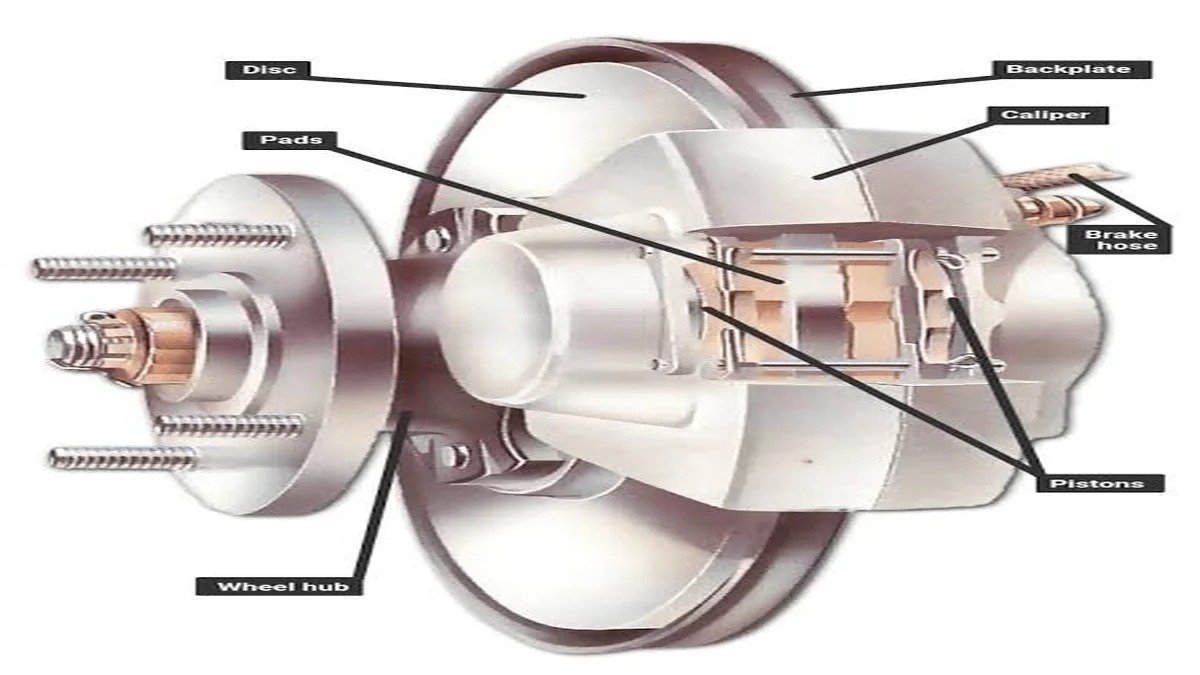
A typical hydraulic brake system contains a brake pedal, brake booster, master cylinder, brake fluid, brake lines, flexible hoses, and wheel-end components such as calipers and brake pads or wheel cylinders and brake shoes.
Every part has a specific job. If one part develops a problem, the overall braking performance can be affected. This is why a hydraulic brake system should be viewed as one connected system rather than a collection of unrelated components.
How Does Hydraulic Brake Works?
The basic answer is straightforward. When you press the brake pedal, the force is transferred to the master cylinder. The master cylinder pushes brake fluid through the hydraulic lines. The pressurized fluid reaches the calipers or wheel cylinders, which then move braking components against rotating surfaces. Friction is created, and the vehicle slows down.
Although the principle is simple, the actual process involves several stages.
Step 1: The Driver Presses the Brake Pedal
Everything starts when the driver presses the brake pedal. The pedal acts as a lever that helps multiply the force applied by the driver’s foot.
In many modern vehicles, the pedal is connected to a brake booster. The booster assists the driver’s effort, making it easier to create the required braking force without requiring excessive pressure from the driver’s leg.
When the pedal moves, it pushes a component connected to the master cylinder. This begins the hydraulic portion of the braking process.
Step 2: The Master Cylinder Creates Hydraulic Pressure
The master cylinder is one of the most important components in the system. Its job is to convert the mechanical force from the brake pedal into hydraulic pressure.
Inside the master cylinder are pistons and seals. When the brake pedal is pressed, the piston moves and pressurizes the brake fluid.
Modern vehicles commonly use master cylinders designed with separate hydraulic circuits. This provides an important safety advantage because the braking system is not dependent on a single hydraulic circuit in many common vehicle designs.
The master cylinder must maintain pressure while the brake pedal is being applied. If its internal seals fail or another serious hydraulic problem develops, the pedal may not behave normally.
Step 3: Brake Fluid Moves Through the Brake Lines
Once pressure is created inside the master cylinder, the pressurized brake fluid travels through the brake lines.
Brake lines are designed to carry hydraulic pressure from the master cylinder toward the wheels. Some sections of the system use rigid metal tubing, while flexible brake hoses are commonly used near moving suspension and wheel assemblies.
The brake fluid itself does not need to travel extremely fast for the brakes to respond quickly. What matters is that pressure is transmitted through the hydraulic system effectively.
Because the hydraulic system depends on a sealed fluid circuit, contamination, air, leaks, or incorrect fluid can interfere with proper operation.
Step 4: Pressure Reaches the Wheel Brakes
The pressurized brake fluid eventually reaches the components responsible for creating friction at the wheels.
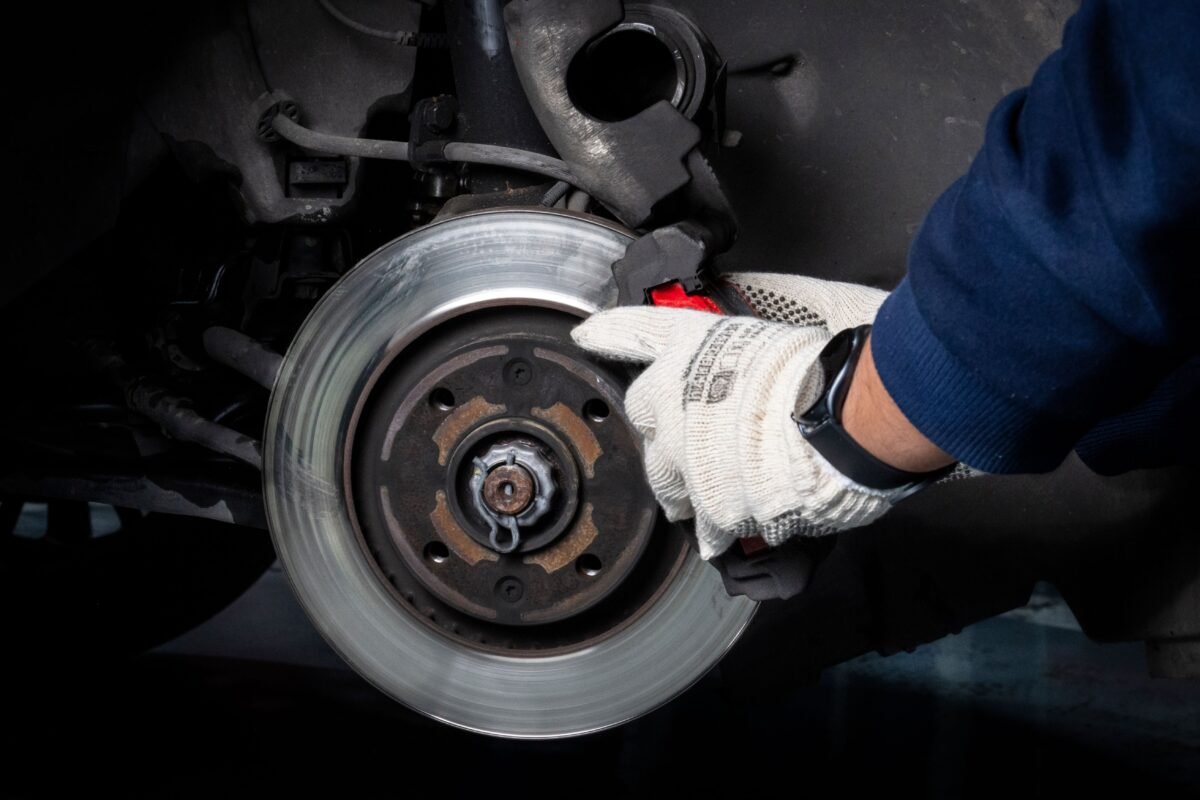
In a disc brake system, hydraulic pressure pushes pistons inside a brake caliper. The pistons move the brake pads toward the brake rotor.
In a drum brake system, hydraulic pressure moves pistons inside wheel cylinders. These pistons push the brake shoes outward against the inside surface of the brake drum.
The exact design differs, but the goal is the same: hydraulic pressure is converted into mechanical movement at the wheel.
Step 5: Friction Slows the Rotating Wheel
Once the brake pads contact the rotor or the brake shoes contact the drum, friction is created.
The rotor or drum is connected to the rotating wheel assembly. When the brake components press against it, resistance is created against rotation.
This friction converts some of the vehicle’s kinetic energy into heat. As the vehicle loses kinetic energy, its speed decreases.
This is the part of the process that most drivers notice. The vehicle begins to slow, and if enough braking force is applied, it eventually comes to a stop.
Step 6: The Vehicle Stops in a Controlled Way
A properly functioning hydraulic brake system allows braking force to be controlled through the pedal.
The harder the driver applies the brake pedal, within the system’s operating limits, the greater the hydraulic pressure can become. This generally produces greater braking force at the wheels.
However, braking performance is not determined by hydraulic pressure alone. Tire condition, road surface, vehicle weight, brake component condition, temperature, and electronic systems can all influence how effectively a vehicle stops.
The Science Behind Hydraulic Brakes
To fully understand how does hydraulic brake works, it helps to understand the basic science behind the system.
Hydraulic brakes rely on the behavior of fluid under pressure. A liquid inside a sealed system can transmit pressure through the fluid. This allows force applied at one location to be transferred to another location.
The size of the pistons also matters. A small piston can create pressure in the fluid, while a larger piston can use that pressure to produce greater mechanical force.
This principle gives hydraulic systems a major advantage. The driver does not need to physically connect the brake pedal to every wheel using heavy mechanical components. Instead, fluid pressure performs much of the force-transfer work.
Why Hydraulic Pressure Is So Effective
Hydraulic pressure provides a smooth and efficient method of transferring braking force. Unlike a simple cable system, the fluid can distribute pressure through a network of lines.
This is particularly useful in modern vehicles because braking components are located at each wheel while the driver’s brake pedal is positioned inside the cabin.
The hydraulic system bridges that distance in an efficient way.
Important Components of a Hydraulic Brake System
A hydraulic brake system contains several components, and each one contributes to the braking process.
Brake Pedal
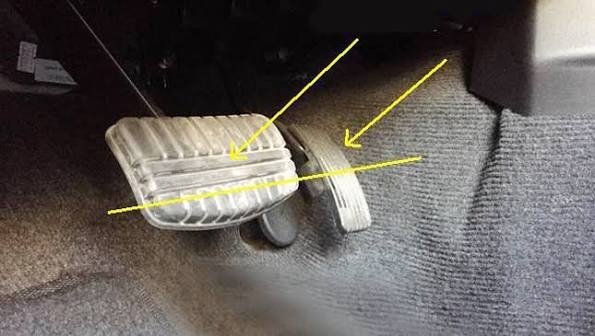
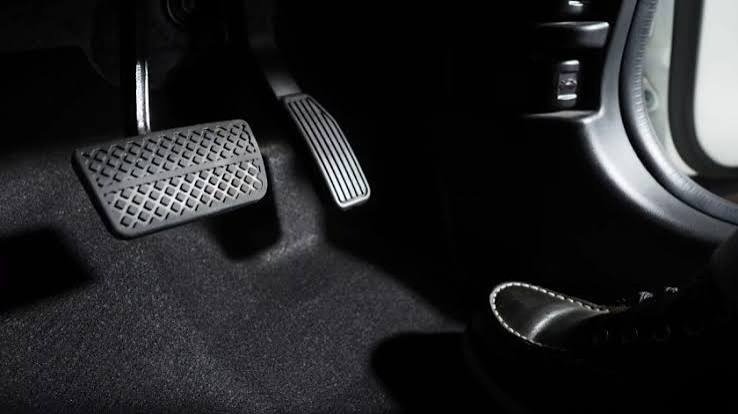
The brake pedal is the component the driver interacts with directly. When the pedal is pressed, it begins the chain of events that eventually creates braking force at the wheels.
The pedal is designed to provide useful leverage, allowing the driver to apply substantial force without excessive physical effort.
Brake Booster
Many modern vehicles use a brake booster to reduce the amount of effort required at the pedal.
The booster assists the force applied by the driver before that force reaches the master cylinder. Depending on the vehicle, the booster may use engine vacuum, an electric system, or another method of assistance.
A problem with the booster can make the pedal feel unusually hard even when the hydraulic components themselves may still be functioning.
Master Cylinder
The master cylinder converts mechanical pedal movement into hydraulic pressure.
It contains hydraulic chambers, pistons, seals, and passages that control the movement of brake fluid.
Because the master cylinder is central to the hydraulic circuit, problems with this component can have a significant effect on pedal feel and braking performance.
Brake Fluid
Brake fluid is the working medium that transfers pressure through the hydraulic system.
It needs to meet the specifications required by the vehicle manufacturer. Different brake fluid types have different characteristics, so using the correct specification is important.
Brake fluid can also absorb moisture over time, depending on its type and operating environment. For that reason, manufacturers may recommend inspection or replacement at specific intervals.
Brake Lines
Brake lines carry pressurized fluid from the master cylinder toward the wheels.
Metal brake lines are commonly used along the vehicle’s body, while flexible hoses accommodate movement near the wheels.
Rust, physical damage, deterioration, or leakage can compromise the hydraulic system.
Brake Calipers
Calipers are used with disc brakes. They contain pistons that move when hydraulic pressure is applied.
The caliper uses this movement to press brake pads against the rotor. The resulting friction slows the wheel.
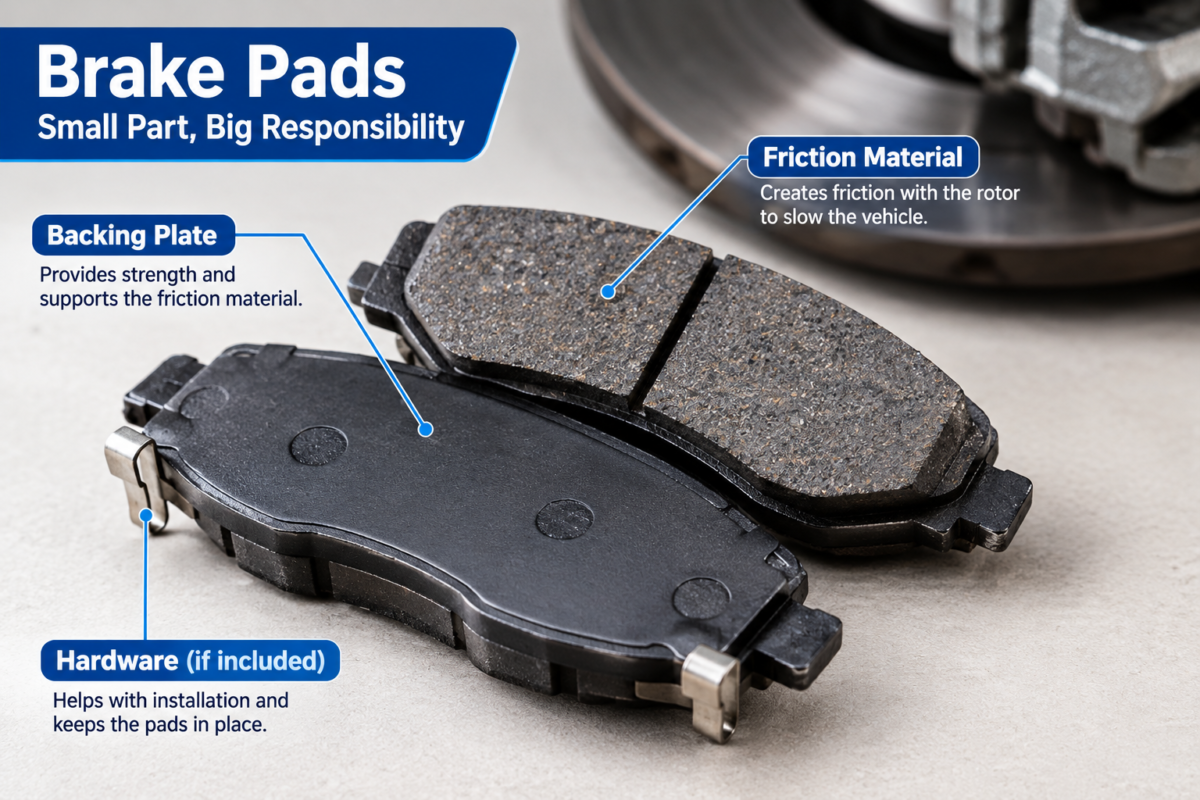
Brake Pads
Brake pads are friction materials designed to press against a brake rotor.
They gradually wear during normal use. Driving conditions, vehicle type, braking habits, and pad material can all influence how quickly they wear.
Brake Rotors
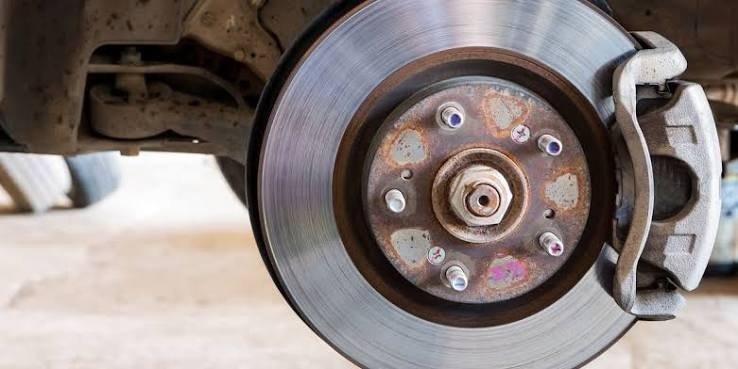
The rotor is a rotating disc attached to the wheel assembly.
When the brake pads clamp against the rotor, friction is created. This friction reduces rotational speed and transforms kinetic energy into heat.
Wheel Cylinders and Brake Shoes
Drum brakes use wheel cylinders and brake shoes rather than calipers and pads.
Hydraulic pressure moves the wheel-cylinder pistons, which push the shoes outward against the inside of the rotating drum.
Although the design differs from a disc brake, the hydraulic principle remains similar.
How Hydraulic Disc Brakes Work
Disc brakes are common on modern vehicles, particularly on the front wheels.
When the driver presses the brake pedal, hydraulic pressure reaches the caliper. The caliper piston moves the brake pad toward the rotor.
Depending on the caliper design, the braking force causes the pads to clamp against both sides of the rotor. The friction created between the pads and rotor slows the rotating assembly.
Disc brakes are popular because their open design can help dissipate heat. However, they still require proper inspection and maintenance.
A worn pad, damaged rotor, seized caliper, contaminated friction surface, or hydraulic problem can reduce braking performance.
How Hydraulic Drum Brakes Work
Drum brakes use a different arrangement.
Instead of a flat rotor, the wheel rotates with a brake drum. Inside the drum are brake shoes and a wheel cylinder.
When hydraulic pressure reaches the wheel cylinder, its pistons move outward. This movement pushes the brake shoes against the inner surface of the drum.
The resulting friction slows the rotating drum and therefore slows the vehicle.
Drum brakes can be durable and effective, and they are still used on many vehicles. Some vehicles use drum brakes on the rear wheels while using disc brakes on the front.
What Happens When You Release the Brake Pedal?
Braking does not continue indefinitely after you release the pedal.
When the driver releases the brake pedal, the pressure in the hydraulic system decreases. The pistons and other components return toward their normal positions, allowing the pads or shoes to move away from the rotating surfaces.
The exact return mechanism depends on the brake design. Seals, springs, component movement, and other mechanical features all contribute to releasing the brakes.
The result is that the wheels can rotate normally again without continuous braking force.
Why Does a Hydraulic Brake Pedal Feel Different?
The feel of a brake pedal can provide useful information about the braking system, although pedal feel alone cannot diagnose every problem.
A normal pedal should generally provide a predictable and controlled response. If the pedal suddenly feels very different, it is worth taking the change seriously.
Soft or Spongy Brake Pedal
A soft or spongy pedal can be associated with air or other hydraulic issues, although there can be multiple possible causes.
Air is compressible, while brake fluid is designed to transmit hydraulic pressure effectively. If air enters the hydraulic circuit, some pedal movement can be absorbed by compression of the air.
This can make the pedal feel less firm.
Hard Brake Pedal
A hard pedal may be associated with problems involving brake assistance, such as the brake booster, vacuum supply, or related components.
A hard pedal does not automatically mean that the hydraulic circuit itself has failed. Proper diagnosis requires inspection of the braking system.
Pedal That Slowly Moves Down
A pedal that gradually sinks while pressure is maintained can indicate a hydraulic or master-cylinder-related issue, among other possibilities.
Because braking is a safety-critical function, unusual pedal behavior should be inspected promptly.
Why Brake Fluid Matters So Much
Brake fluid is one of the most important parts of the hydraulic system because it transfers pressure between components.
It needs to remain compatible with the seals and components used in the braking system. It also needs to withstand the temperatures generated during braking.
Brake fluid can deteriorate or become contaminated over time. Moisture contamination can reduce the fluid’s boiling performance, which can matter under heavy braking conditions.
For this reason, vehicle owners should follow the manufacturer’s recommendations regarding brake fluid inspection and replacement.
It is also important not to assume that every brake fluid is interchangeable. The correct specification should be confirmed from the vehicle manufacturer’s information.
Common Hydraulic Brake Problems
Hydraulic brake systems are designed to be dependable, but they are not immune to wear or damage.
Hydraulic Fluid Leaks
A leak can reduce the amount of fluid available to create pressure.
Leaks may occur at lines, hoses, connections, seals, or other components. Any suspected brake-fluid leak should be treated seriously because the braking system depends on maintaining hydraulic pressure.
Air in the Brake System
Air can enter the hydraulic system through certain faults or during improper servicing.
Because air compresses more easily than brake fluid, it can cause an unusual pedal feel and reduce the effectiveness of hydraulic force transfer.
Contaminated Brake Fluid
Brake fluid can become contaminated over time. Moisture and other contaminants may affect its performance.
Regular inspection and maintenance according to manufacturer recommendations can help keep the hydraulic system in good condition.
Damaged Brake Lines or Hoses
Brake lines and flexible hoses operate in a demanding environment. They may be exposed to heat, moisture, road debris, movement, and corrosion.
Damage can potentially lead to fluid loss or other braking problems.
Master Cylinder Problems
A worn or damaged master cylinder may not generate or maintain hydraulic pressure correctly.
Symptoms can vary depending on the specific failure, which is why professional inspection is important when the brake pedal behaves abnormally.
How to Maintain a Hydraulic Brake System
Good maintenance can help support reliable braking performance.
The first step is to follow the vehicle manufacturer’s recommended maintenance schedule. The manufacturer knows the specific brake-fluid specification, inspection intervals, and service requirements for that vehicle.
Brake fluid should be checked according to the manufacturer’s guidance. The fluid level should not simply be topped up repeatedly without understanding why the level is low.
Brake pads, shoes, rotors, drums, lines, hoses, calipers, and other components should also be inspected as part of appropriate brake service.
Drivers should pay attention to changes in braking behavior. Strange noises, unusual pedal feel, warning lights, pulling during braking, vibration, or a noticeable change in stopping performance can all justify an inspection.
It is better to investigate a small braking-system concern early than to ignore a problem until it becomes more serious.
Understanding Hydraulic Brake Safety Standards
Hydraulic braking is an important part of modern vehicle safety, and understanding how these systems transfer force can help vehicle owners appreciate the importance of proper brake maintenance. The National Highway Traffic Safety Administration (NHTSA) explains that a hydraulic brake system uses hydraulic fluid as the medium for transmitting force from the service brake control to the service brakes. You can learn more about hydraulic brake systems and related safety requirements through the official NHTSA hydraulic brake information, which provides useful information about vehicle braking standards and safety.
Hydraulic Brakes and Anti-Lock Braking Systems
Modern vehicles often combine hydraulic brakes with electronic braking technology.
An anti-lock braking system, commonly known as ABS, uses wheel-speed sensors and electronic control to help prevent excessive wheel lock during hard braking.
The ABS can rapidly modify hydraulic pressure at individual wheels when necessary.
This does not replace the fundamental hydraulic braking system. Instead, it adds electronic control to the braking process.
When ABS activates, a driver may feel vibration or pulsing through the brake pedal. This can be normal during an ABS event.
Hydraulic Brakes and Electronic Brake Technology
Today’s vehicles may include many additional electronic braking technologies.
Electronic stability control, traction control, brake-force distribution, collision-avoidance systems, and other driver-assistance technologies can interact with the braking system.
These technologies may use sensors and electronic controllers to influence braking at individual wheels.
Even with these advanced features, hydraulic pressure remains a central part of braking in many conventional vehicles.
The combination of mechanical, hydraulic, and electronic technology has made modern braking systems more sophisticated than the basic hydraulic systems used in older vehicles.
Hydraulic Brakes vs. Mechanical Brakes
Mechanical brakes transfer force through physical components such as cables, rods, or linkages.
Hydraulic brakes use fluid pressure to transfer force.
Hydraulic systems are particularly useful when braking force needs to be distributed to multiple wheel locations. They can provide a smooth pedal response and efficient force transmission.
Mechanical systems still have useful applications, but hydraulic braking became widely adopted for many vehicle applications because of its advantages in force transfer and control.
Hydraulic Brakes vs. Air Brakes
Hydraulic and air brake systems use different working principles.
Hydraulic brakes use liquid brake fluid, while air brake systems use compressed air.
Hydraulic systems are common in passenger vehicles and many light-duty applications. Air brakes are widely associated with heavy commercial vehicles such as trucks and buses.
The choice depends on vehicle size, operating requirements, braking design, and other engineering considerations.
Why Modern Vehicles Still Use Hydraulic Brakes
Hydraulic braking technology has been around for a long time, but its basic principle remains useful.
One reason is its ability to transfer force efficiently through a sealed fluid system.
Another advantage is the predictable relationship between pedal movement, hydraulic pressure, and braking force.
Modern engineers have improved the system with better materials, improved brake-fluid formulations, electronic controls, better friction materials, and more advanced safety technology.
Instead of becoming obsolete, hydraulic braking has evolved alongside the rest of the automotive industry.
How Temperature Affects Hydraulic Braking
Braking produces heat because friction converts kinetic energy into thermal energy.
During ordinary driving, the brake system can manage this heat effectively. However, repeated heavy braking can create substantial temperatures.
Brake fluid must be able to operate within the temperature range expected by the vehicle. If fluid reaches its boiling point, vapor can form, and vapor is much more compressible than liquid brake fluid.
This can negatively affect pedal feel and braking performance.
Brake components are therefore designed with heat management in mind. Rotor design, pad material, airflow, vehicle weight, driving conditions, and other factors all influence brake temperature.
How Vehicle Weight Affects Braking
A heavier vehicle generally requires more braking energy to slow down from the same speed.
This is one reason braking systems are carefully matched to the vehicle.
Vehicle manufacturers consider factors such as vehicle weight, wheel size, tire characteristics, expected loads, and performance requirements when designing a braking system.
Hydraulic pressure is important, but it is only one part of the complete braking equation.
How Tires Work With Hydraulic Brakes
The brakes can create friction between the pads and rotors, but the tires are ultimately responsible for transferring braking force to the road.
If the tires have poor traction, the braking system cannot magically create unlimited grip.
Road conditions also matter. Wet, icy, loose, or slippery surfaces can significantly affect stopping distance.
This is why safe braking depends on the entire vehicle system, not only the hydraulic components.
Signs Your Hydraulic Brake System May Need Attention
Drivers should pay attention to noticeable changes in braking behavior.
A brake warning light can indicate a problem that needs investigation. A soft pedal, unusual pedal travel, visible fluid leakage, unusual noises, vibration, pulling to one side, or reduced braking performance can also be warning signs.
Not every symptom has the same cause, and some symptoms can come from non-hydraulic components.
The safest approach is to have the braking system inspected by a qualified technician when significant or unexplained changes occur.
FAQs
How does hydraulic brake works?
A hydraulic brake system works by converting brake-pedal force into hydraulic pressure. The master cylinder pressurizes brake fluid, and that pressure travels through brake lines to calipers or wheel cylinders. These components move brake pads or shoes against rotating surfaces, creating friction that slows the vehicle.
What creates pressure in a hydraulic brake system?
The master cylinder creates hydraulic pressure when the brake pedal is pressed. The pedal transfers mechanical force to the master-cylinder pistons, which pressurize the brake fluid inside the hydraulic circuit.
What is the purpose of brake fluid?
Brake fluid transfers hydraulic pressure from the master cylinder to the braking components at the wheels. It is specifically designed to operate under the temperatures and conditions expected in a braking system.
Why does air make a brake pedal feel soft?
Air is compressible, while brake fluid is designed to transfer pressure effectively. If air enters the hydraulic circuit, some pedal movement can compress the air rather than efficiently transferring force to the wheel brakes. This can contribute to a soft or spongy pedal.
Do all vehicles use hydraulic brakes?
Many passenger vehicles and light-duty vehicles use hydraulic braking systems. However, different vehicles can use different braking technologies. Heavy commercial vehicles, for example, commonly use air brake systems.
How do hydraulic disc brakes work?
Hydraulic disc brakes use fluid pressure to move pistons inside a caliper. The caliper presses brake pads against a rotating rotor. Friction between the pads and rotor slows the wheel and helps bring the vehicle to a stop.
How do hydraulic drum brakes work?
Hydraulic drum brakes use wheel cylinders to push brake shoes against the inside of a rotating brake drum. The friction created between the shoes and drum slows the wheel.
Can low brake fluid affect braking performance?
Low brake fluid can indicate a problem that needs attention, such as worn components or a leak, depending on the vehicle and system. Because the hydraulic system relies on brake fluid to transmit pressure, an unusually low level should not simply be ignored.
How often should brake fluid be changed?
The correct interval depends on the vehicle manufacturer’s specifications, brake-fluid type, driving conditions, and other factors. Always consult the vehicle’s owner’s manual or manufacturer service information for the appropriate recommendation.
Is hydraulic braking still used in modern vehicles?
Yes. Hydraulic braking remains a major technology in many modern vehicles. It is often combined with electronic systems such as ABS and stability-control technology to provide more advanced braking control.
Final Thoughts
Understanding how does hydraulic brake works becomes much easier when you look at the system as a chain of simple actions. Your foot presses the brake pedal, the pedal transfers force to the master cylinder, and the master cylinder creates pressure in the brake fluid. That pressure travels through the brake lines and reaches the wheel brakes, where calipers or wheel cylinders create mechanical movement. Brake pads or shoes then produce friction against rotors or drums, converting the vehicle’s kinetic energy into heat and reducing its speed.
The impressive part is how smoothly all of these components work together. A hydraulic brake system combines basic physics with carefully engineered components to provide controlled stopping performance. Modern vehicles add ABS, electronic controls, improved friction materials, and other technologies, but hydraulic pressure remains an important part of many braking systems.
For vehicle owners, knowing the basics is valuable because it makes unusual brake behavior easier to recognize. A soft pedal, warning light, fluid leak, strange noise, or noticeable change in braking performance should never be casually ignored. Regular maintenance, correct brake fluid, proper inspections, and timely repairs can help keep the braking system dependable. Ultimately, a well-maintained hydraulic brake system gives drivers one of the most important things a vehicle can provide: confident and controlled stopping when it matters most.




One thought on “How Does Hydraulic Brake Works? Unlock the Powerful Secrets of Hydraulic Pressure, Brake Fluid & Modern Vehicle Stopping Technology”