
Buying a boat engine is an exciting decision, but it can also feel confusing when you first start comparing prices. Boat engines come in many sizes, types, brands, and performance levels, so there is no single price that applies to every boat owner.
If you are wondering, how much does a boat engine cost, the simple answer is that prices can range from a few hundred dollars for a small portable motor to tens of thousands of dollars for a powerful new engine. The final cost depends on horsepower, engine type, brand, condition, technology, installation, and the accessories you need.
For example, a small engine for a lightweight fishing boat may cost far less than a high-horsepower outboard designed for a large recreational boat. Used engines can also be considerably cheaper than new models, although their condition and maintenance history become very important.
The good news is that you do not necessarily need to buy the most expensive engine to get excellent performance. With the right research and a clear understanding of your boat’s needs, you can find an engine that offers a strong combination of performance, reliability, fuel efficiency, and value.
In this guide, we will explore boat engine prices, the factors that affect cost, new and used options, installation expenses, popular engine sizes, and practical ways to save money without making a poor buying decision.
How Much Does a Boat Engine Cost?
So, how much does a boat engine cost in today’s market?
A broad estimate is that boat engines can cost anywhere from around $1,000 to more than $30,000, depending on the engine’s horsepower, design, brand, and features. Some very small portable engines may cost less, while premium high-performance engines can cost considerably more.
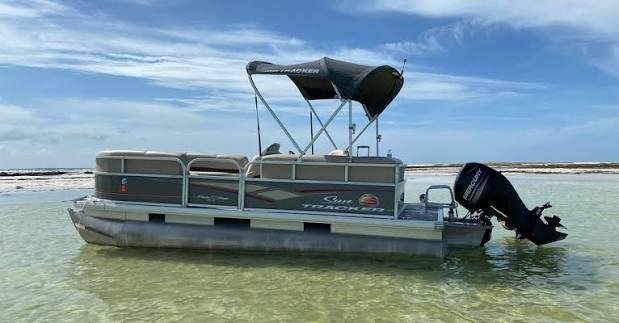
A small portable outboard may be suitable for a small fishing boat, inflatable boat, dinghy, or tender. These engines are relatively simple and easy to transport, which helps keep their prices lower.
Mid-range outboard engines generally cost more because they provide greater horsepower and are designed for larger boats. They may also include more advanced controls, fuel systems, digital features, and improved efficiency.
Large outboard engines can become a significant investment. High-horsepower models are built for bigger boats and demanding applications, and their prices can reach many thousands of dollars.
The purchase price is also only part of the total cost. You may need to budget for installation, controls, rigging, a propeller, battery equipment, maintenance, and other accessories.
That is why it is better to think about the total cost of ownership rather than focusing only on the engine’s advertised price.
Boat Engine Price Ranges by Horsepower
Horsepower is one of the biggest factors affecting the cost of a boat engine.
A higher-horsepower engine generally requires more materials, stronger components, and more sophisticated engineering. It also produces greater performance, which makes larger engines more expensive.
Here is a general guide:
| Engine Size | Approximate New Price Range | Common Application |
|---|---|---|
| 2–6 HP | $1,000–$2,000+ | Small boats, dinghies, tenders |
| 8–20 HP | $1,500–$4,000+ | Small fishing and recreational boats |
| 25–60 HP | $4,000–$8,000+ | Small to medium boats |
| 75–115 HP | $7,000–$15,000+ | Medium recreational boats |
| 150–200 HP | $12,000–$25,000+ | Larger recreational boats |
| 225–300+ HP | $20,000–$40,000+ | Large and high-performance boats |
These figures are general estimates rather than fixed retail prices. Actual prices can vary significantly depending on the manufacturer, model, location, dealer, controls, rigging, promotions, and other equipment.
Small Boat Engines
Small engines are often the most affordable option for boat owners.
A 2 HP, 4 HP, 5 HP, or 6 HP motor can be useful for a lightweight boat or tender. These engines are usually easier to transport and may be simpler to maintain.
They are also attractive to boat owners who do not need high speed or heavy pulling power.
If your boat is small and your main goal is casual fishing or short-distance cruising, spending thousands of dollars on a large engine may not provide meaningful benefits.
Mid-Range Boat Engines
Mid-range engines are popular because they provide a balance between price and performance.
Engines in the 25 HP to 60 HP range can work well for many small and medium recreational boats. Depending on the boat’s size and design, they can provide enough power for fishing, cruising, and other recreational activities.
As horsepower increases, however, the price generally rises as well.
High-Horsepower Boat Engines
High-horsepower engines are designed for larger boats and more demanding applications.
A 150 HP engine is significantly different from a small portable outboard. Larger engines require stronger mounting systems, larger propellers, more substantial fuel systems, and other supporting equipment.
Premium 200 HP, 250 HP, 300 HP, and larger engines can cost tens of thousands of dollars.
For many boat owners, these engines are worthwhile because they provide strong acceleration, higher cruising capability, and the power required to move larger boats safely and effectively.
What Factors Affect Boat Engine Cost?
When researching how much does a boat engine cost, it helps to understand why two engines with similar horsepower can have very different prices.
Several important factors influence the final price.
Horsepower
Horsepower is one of the easiest ways to compare engine sizes.
More horsepower generally means more performance, but it also usually means a higher purchase price.
You should not automatically choose the highest horsepower available. Instead, check your boat manufacturer’s recommended engine range and maximum horsepower rating.
Installing an engine that is not appropriate for your boat can create performance and safety problems.
Engine Type
The type of engine also affects cost.
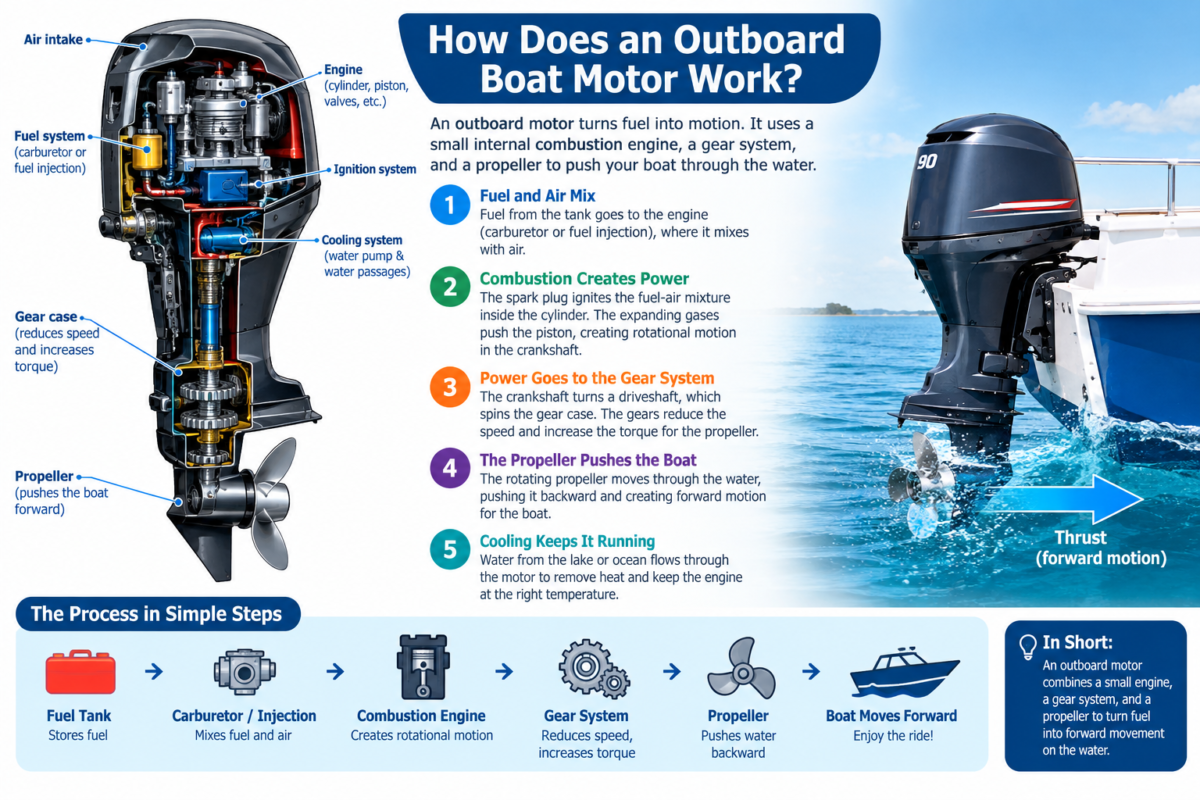
Outboard engines are extremely popular because they are relatively easy to install, maintain, and replace. They are available in a wide range of horsepower levels.
Inboard engines are integrated into the boat and can be more complex to install and service. Depending on the application, an inboard system can involve additional components that affect the overall cost.
There are also sterndrive systems and electric propulsion options, each with different pricing structures.
Brand
The manufacturer can have a major effect on price.
Well-known brands often invest heavily in engineering, dealer networks, warranty programs, research, and technology. As a result, some models may have higher initial prices.
However, the cheapest engine is not automatically the best deal.
A slightly more expensive engine with strong reliability, good dealer support, and better resale value may provide greater value over several years.
New or Used Condition
A used boat engine can cost considerably less than a new one.
However, the lower price comes with additional uncertainty.
A used engine may have an excellent maintenance history and provide many more years of service. Another engine that looks inexpensive may require expensive repairs soon after purchase.
Always consider condition, hours, service records, corrosion, maintenance, and professional inspection when buying a used engine.
Technology and Features
Modern boat engines can include advanced features that increase their value.
Depending on the model, features may include electronic fuel injection, digital controls, advanced monitoring systems, improved fuel management, integrated diagnostics, and other technology.
These features can increase the initial purchase price but may also improve convenience and efficiency.
How Much Does a New Boat Engine Cost?
New boat engines usually command higher prices because you are paying for a new powerhead, current technology, manufacturer warranty, and the confidence that comes with a new product.
A small new outboard can cost roughly around $1,000 or more, while larger models can cost $10,000, $20,000, or considerably more.
The exact amount depends heavily on horsepower.
For example, a small portable motor designed for a lightweight boat has a completely different price structure from a 250 HP or 300 HP outboard.
When comparing new engines, look beyond the engine itself.
Ask whether the listed price includes controls, gauges, propeller, rigging, installation, and other necessary equipment.
Sometimes a low advertised price becomes much higher after all required components are added.
How Much Does a Used Boat Engine Cost?
Used engines can be a smart choice for buyers with a limited budget.
Depending on age, horsepower, brand, condition, and maintenance history, used engines may cost significantly less than comparable new models.
However, used engine shopping requires more research.
A seller should ideally be able to provide information about the engine’s maintenance history and operating hours. You should also look for signs of neglect, corrosion, damage, or improper storage.
Benefits of Buying a Used Engine
The biggest advantage is the lower purchase price.
A used engine may allow you to upgrade your boat without spending the amount required for a brand-new motor.
Used engines can also make sense when you own an older boat and do not want to invest in an expensive new power system.
Risks of Buying a Used Engine
The main concern is unknown history.
If the engine was poorly maintained, regularly overheated, stored incorrectly, or exposed to severe corrosion, repair costs could quickly eliminate the money you saved.
That is why a professional inspection can be worthwhile before completing a major purchase.
Outboard vs. Inboard Boat Engine Cost
Another important question is whether you need an outboard or inboard engine.
Outboard Engine Cost
Outboard motors are mounted outside the boat at the transom.
They are available in many sizes and are popular for fishing boats, pontoons, center consoles, aluminum boats, and many other recreational vessels.
One major advantage is convenience. An outboard can often be replaced without rebuilding a large portion of the boat’s internal propulsion system.
Inboard Engine Cost
Inboard engines are installed inside the boat.
They can provide excellent performance and are commonly used in certain larger boats and specialized applications.
However, installation and servicing can be more involved.
Because the engine is integrated with other systems, replacing or repairing an inboard system may require more labor.
Which One Offers Better Value?
There is no universal winner.
For many recreational boat owners, an outboard can offer a convenient combination of performance, accessibility, and flexibility.
An inboard system may be better suited to certain boats and activities.
Your boat’s design should be the starting point when making the decision.
How Much Does Boat Engine Installation Cost?
The cost of the engine is only one part of your total budget.
Installation can add hundreds or thousands of dollars depending on the boat and the complexity of the work.
A simple replacement may require less labor than installing a completely new propulsion system.
Installation costs can include mounting the engine, connecting controls, installing steering components, connecting electrical systems, setting up fuel lines, installing rigging, and fitting the correct propeller.
If your boat requires additional modifications, the bill can increase further.
For this reason, ask for a complete installation estimate before buying an engine.
A dealer may advertise an attractive engine price, but you should know what the final installed price will be.
Additional Boat Engine Costs to Consider
Understanding how much does a boat engine cost becomes much easier when you include the extra expenses.
Propeller
The correct propeller is essential for good performance.
Propellers come in different sizes, pitches, materials, and designs.
The price can vary based on the engine and propeller type.
Controls and Rigging
Some engines require specific control systems, cables, wiring, gauges, or electronic equipment.
If you are replacing an older engine with a newer model, existing equipment may not always be compatible.
Battery and Electrical Equipment
Many modern engines depend on electrical systems for starting, monitoring, and other functions.
You may need a new or upgraded battery and related electrical components.
Maintenance
Every engine requires maintenance.
Oil, filters, spark plugs where applicable, gear-case service, inspection, and other routine work all contribute to ownership costs.
A cheaper engine is not necessarily cheaper to own if it requires frequent repairs.
Storage and Winterization
Boat owners in colder climates may also need to budget for seasonal storage and winterization.
Proper storage can help protect the engine and reduce the risk of expensive problems.
How Much Does a Boat Engine Cost From Popular Brands?
Several major manufacturers produce boat engines in different horsepower categories.
Prices vary by model and region, so comparing brands based only on one engine’s price can be misleading.
Mercury Boat Engines
Mercury is one of the most recognized names in the marine engine market.
Its lineup covers portable engines through large high-performance outboards.
Mercury engines are widely used across many recreational boating applications.
When comparing a Mercury engine, consider horsepower, features, warranty, dealer support, and the total installed cost.
Yamaha Boat Engines
Yamaha also offers a broad range of marine engines.
Its outboard lineup includes smaller motors as well as high-horsepower models.
Many boat owners consider Yamaha when reliability, technology, and long-term ownership are important priorities.
Honda Boat Engines
Honda produces marine outboards in various sizes.
Its reputation for engineering and fuel-efficient four-stroke technology makes it another brand worth considering.
As with any manufacturer, the best model depends on your boat and intended use.
Suzuki Boat Engines
Suzuki offers a wide selection of outboard motors.
The company is known for developing modern four-stroke marine engines across multiple horsepower categories.
When comparing Suzuki with competitors, look at the complete package rather than just the advertised engine price.
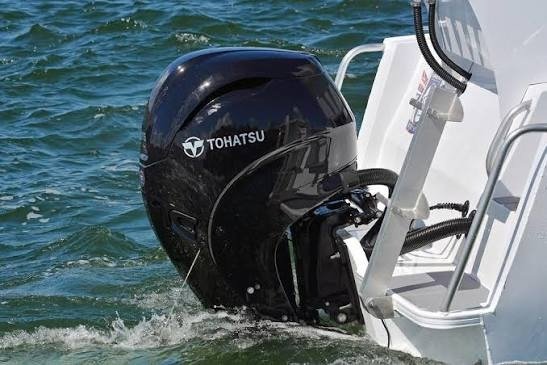
Tohatsu Boat Engines
Tohatsu is another established manufacturer offering compact and larger outboard motors.
Its products can be attractive to buyers who are looking for practical marine propulsion at different price points.
Are Expensive Boat Engines Worth the Money?
A higher price does not automatically mean a better engine for every boat owner.
The right question is whether the additional features and performance are useful for your situation.
A premium engine may provide benefits such as greater horsepower, advanced technology, improved controls, stronger performance, and potentially better long-term value.
However, if you have a small boat that only requires modest power, buying an oversized premium engine may not be a smart financial decision.
The best engine is the one that matches your boat and your needs.
How to Choose the Right Boat Engine for Your Budget
Before shopping, establish a realistic budget.
Do not spend your entire budget on the engine and then discover that you cannot afford installation or necessary accessories.
Start With Your Boat
Your boat should determine the appropriate engine range.
Check the manufacturer’s capacity plate or specifications for the recommended and maximum horsepower.
Think About Your Main Activity
Consider how you normally use the boat.
A person who spends weekends fishing may have different requirements from someone who regularly carries passengers or participates in watersports.
Your typical load and boating conditions also matter.
Calculate the Complete Cost
Add together:
- Engine
- Propeller
- Installation
- Controls
- Rigging
- Battery
- Electrical work
- Maintenance
- Registration or taxes where applicable
- Other required equipment
This gives you a much more realistic picture of the total investment.
Consider Long-Term Value
A slightly higher initial price may be reasonable if the engine offers strong reliability, good fuel economy, accessible service, and useful warranty coverage.
Think about the next several years rather than only the day you purchase the engine.
New Boat Engine vs. Used Boat Engine
Both options have advantages.
| Feature | New Engine | Used Engine |
|---|---|---|
| Initial Price | Higher | Lower |
| Warranty | Usually available | May be limited or unavailable |
| Condition | New | Varies |
| Maintenance History | Known from new | Must be checked |
| Technology | Latest available | Depends on age |
| Risk | Generally lower | Can be higher |
| Resale Potential | Often strong | Depends on condition |
If your budget allows it and you want maximum peace of mind, a new engine can be attractive.
If your budget is limited and you can properly inspect the engine, a quality used motor may provide excellent value.
Smart Ways to Save Money on a Boat Engine
You do not have to sacrifice quality to save money.
Compare Multiple Sellers
Prices can vary between dealers.
Get several quotes and ask what each quote includes.
Look for Seasonal Deals
Marine dealerships may offer promotions at certain times of the year.
Shopping outside the busiest boating season can sometimes provide opportunities for savings.
Do Not Buy More Horsepower Than You Need
Extra horsepower can increase both purchase and operating costs.
Choose an engine that is appropriate for your boat rather than simply choosing the biggest model available.
Consider a Quality Used Engine
A properly inspected used engine can sometimes provide impressive value.
Make condition and service history more important than simply finding the lowest price.
Ask About Package Pricing
If you need an engine, controls, propeller, rigging, and installation, ask whether the dealer offers a package.
A complete package may sometimes be easier to budget for than purchasing everything separately.
Think About Maintenance
Saving $1,000 on the purchase price is not a great deal if the engine immediately needs expensive repairs.
A reliable engine with a strong maintenance history can be a smarter purchase.
Common Mistakes to Avoid When Buying a Boat Engine
Buying an engine is a major decision, so avoid rushing.
One common mistake is choosing an engine based entirely on price.
The cheapest option may not provide the reliability or performance you need.
Another mistake is ignoring the boat manufacturer’s horsepower recommendations.
Your engine should be properly matched to your boat.
Some buyers also forget to budget for installation and accessories.
The engine may be affordable, but the final bill can be much higher after adding rigging, controls, propeller, and labor.
Buying a used engine without checking its history is another risky approach.
Always inspect the motor carefully and consider professional assistance for a significant purchase.
Boat Engine Cost
If you are researching how much does a boat engine cost, it is a good idea to compare official specifications before making a decision. Major marine manufacturers such as Mercury Marine, Yamaha Outboards, Honda Marine, and Suzuki Marine offer different engine sizes and technologies, making it easier to compare performance and features.
How Long Does a Boat Engine Last?
The lifespan of a boat engine depends on many factors.
Maintenance is one of the most important.
An engine that receives regular servicing and proper storage can potentially provide many years of reliable operation.
Usage also matters.
An engine used occasionally under moderate conditions may experience different wear from one operated frequently for long periods.
Saltwater exposure can also increase corrosion concerns if the engine is not properly maintained.
Proper flushing, servicing, storage, and following the manufacturer’s maintenance schedule can help extend engine life.
Does Boat Engine Size Affect Fuel Costs?
Yes.
Larger engines can consume more fuel, especially when operated at high power.
However, fuel consumption is not determined by horsepower alone.
Boat weight, hull design, speed, load, weather conditions, propeller selection, and driving habits all influence fuel consumption.
A properly matched engine can help you achieve a useful balance between performance and efficiency.
This is another reason why buying the largest engine available is not always the smartest choice.
Is a More Expensive Boat Engine More Reliable?
Not necessarily.
Price and reliability can be related to engineering, components, technology, warranty, and brand reputation, but a higher price does not guarantee that an engine will be perfect.
Maintenance remains extremely important.
A moderately priced engine that receives excellent care can provide better ownership results than a premium engine that is neglected.
When comparing engines, look at independent owner experiences, professional service support, warranty terms, parts availability, and maintenance requirements.
What Should You Check Before Buying a Used Boat Engine?
If you are considering a used engine, take your time.
Ask about the engine’s age, operating hours, maintenance history, previous repairs, storage conditions, and usage environment.
Look for visible signs of corrosion or damage.
Ask whether the engine has been used primarily in freshwater or saltwater.
If possible, have a qualified marine technician inspect the engine before you purchase it.
A professional inspection may cost some money upfront, but it can potentially save you from a much larger repair bill later.
FAQs
How much does a boat engine cost on average?
A boat engine can cost roughly $1,000 to $30,000 or more depending on horsepower, brand, type, condition, and features. Very small engines can cost less, while premium high-horsepower engines can cost considerably more.
How much is a small boat engine?
A small portable outboard can often cost around $1,000 to several thousand dollars depending on horsepower and manufacturer. Small engines are generally designed for lightweight boats and tenders.
How much does a 100 HP boat engine cost?
A new 100 HP outboard can commonly fall somewhere around the upper thousands to low five figures, depending on brand, model, technology, and included equipment. Installation and rigging can increase the final cost.
Is it cheaper to rebuild or replace a boat engine?
It depends on the engine’s condition and the cost of repairs. A rebuild may make sense for some engines, while replacing an older or heavily damaged engine may offer better long-term value.
Are used boat engines worth buying?
They can be. A properly maintained used engine with a documented service history can offer excellent value. However, inspection is important because hidden mechanical problems can become expensive.
Does horsepower affect boat engine price?
Yes. In general, larger horsepower engines cost more because they require larger and more sophisticated components and provide greater performance.
What is the cheapest reliable boat engine?
There is no single cheapest engine that is best for everyone. Small engines from established manufacturers can provide good value, but the right choice depends on your boat, required horsepower, intended use, and local service availability.
What other costs should I consider?
In addition to the engine, consider installation, propeller, controls, rigging, battery, electrical components, maintenance, fuel, storage, and possible taxes or registration expenses.
Final Thoughts
Understanding how much does a boat engine cost is about much more than looking at a price tag. Boat engines are available across a huge range of prices, from compact portable motors for small boats to powerful premium engines designed for large recreational vessels. The right choice depends on your boat, horsepower requirements, boating activities, budget, and long-term expectations.
Before buying, take time to compare several models and calculate the complete cost. Remember that installation, controls, rigging, propellers, maintenance, and other equipment can add significantly to your initial investment. A cheaper engine may not always be the best value if it requires frequent repairs or has limited service support.
If you are considering a used engine, pay close attention to maintenance history, operating hours, corrosion, and overall condition. A professional inspection can be a smart investment before making a major purchase.
Most importantly, do not feel pressured to choose the biggest or most expensive motor. A properly matched engine can provide excellent performance without unnecessarily increasing your budget or fuel expenses.
With careful research, realistic budgeting, and a focus on long-term value, you can find a boat engine that delivers the powerful performance, dependable operation, and exciting boating experience you are looking for.

One thought on “How Much Does a Boat Engine Cost? Explore Exciting Prices, Powerful Motors & Smart Savings”