

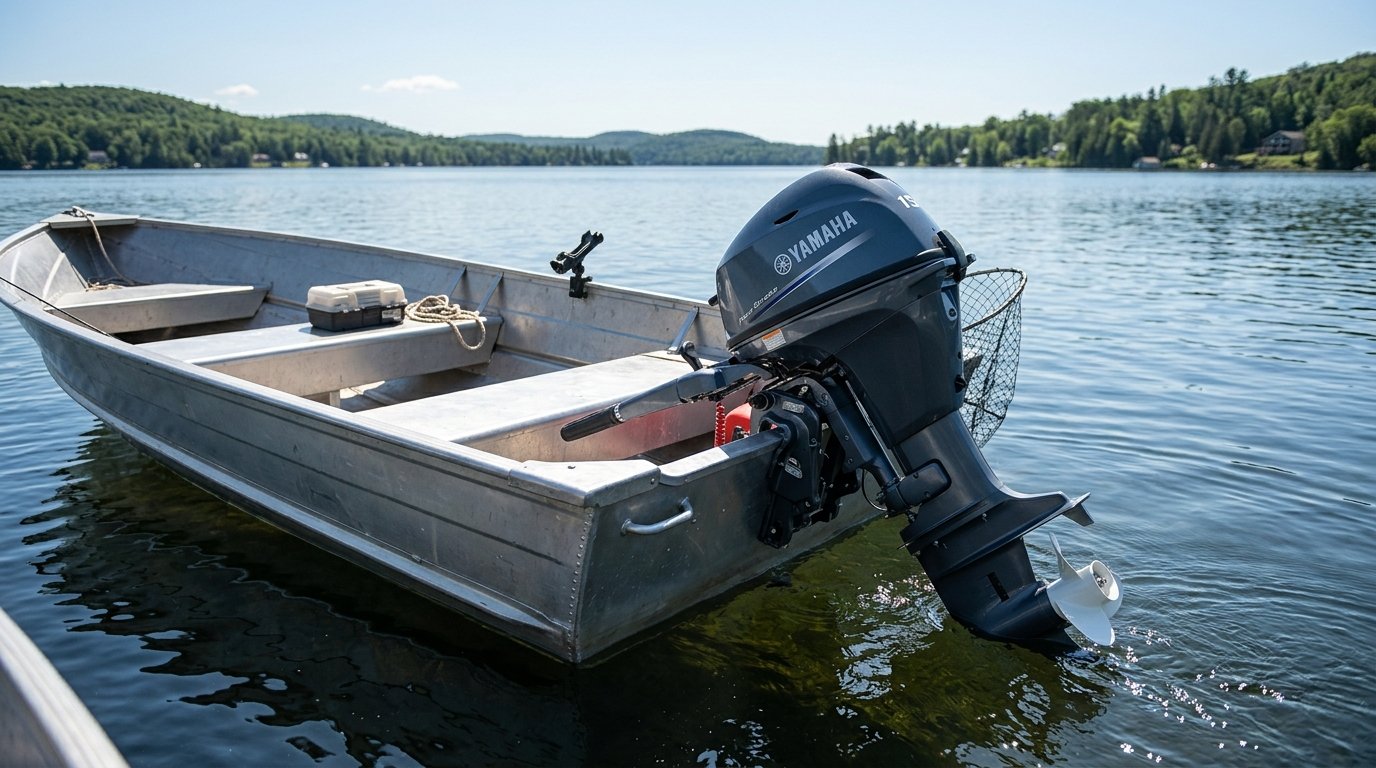
Choosing the right outboard motor can make a major difference in the performance, comfort, and reliability of a boat. For small and medium-sized boats, an engine needs to provide enough power without becoming unnecessarily heavy, difficult to maintain, or expensive to operate. The Yamaha Outboard Engine 15HP is a popular option in the 15-horsepower category because it combines practical power with a relatively compact design and a reputation for dependable marine performance. For boat owners, anglers, recreational users, and people who regularly operate smaller vessels, a 15HP outboard can provide a useful balance between performance and everyday usability.
A Yamaha Outboard Engine 15HP is designed to deliver approximately 15 horsepower of engine output while remaining suitable for boats that are rated for that level of power. The actual performance of an outboard depends on many factors, including boat design, hull shape, total weight, passenger load, propeller selection, water conditions, engine setup, and operating technique. Because of these factors, horsepower alone should not be used to predict speed or overall performance. The boat manufacturer’s recommended engine range should always be considered before selecting an outboard motor.
Yamaha has a long history in marine products, and its outboard engines are widely recognized for their engineering, durability, and range of configurations. However, specifications can vary between model years, markets, shaft lengths, starting systems, and specific versions of a 15HP engine. Anyone purchasing a new or used motor should therefore confirm the exact model specifications from Yamaha documentation or an authorized dealer before making a final decision.
What Is a Yamaha Outboard Engine 15HP?
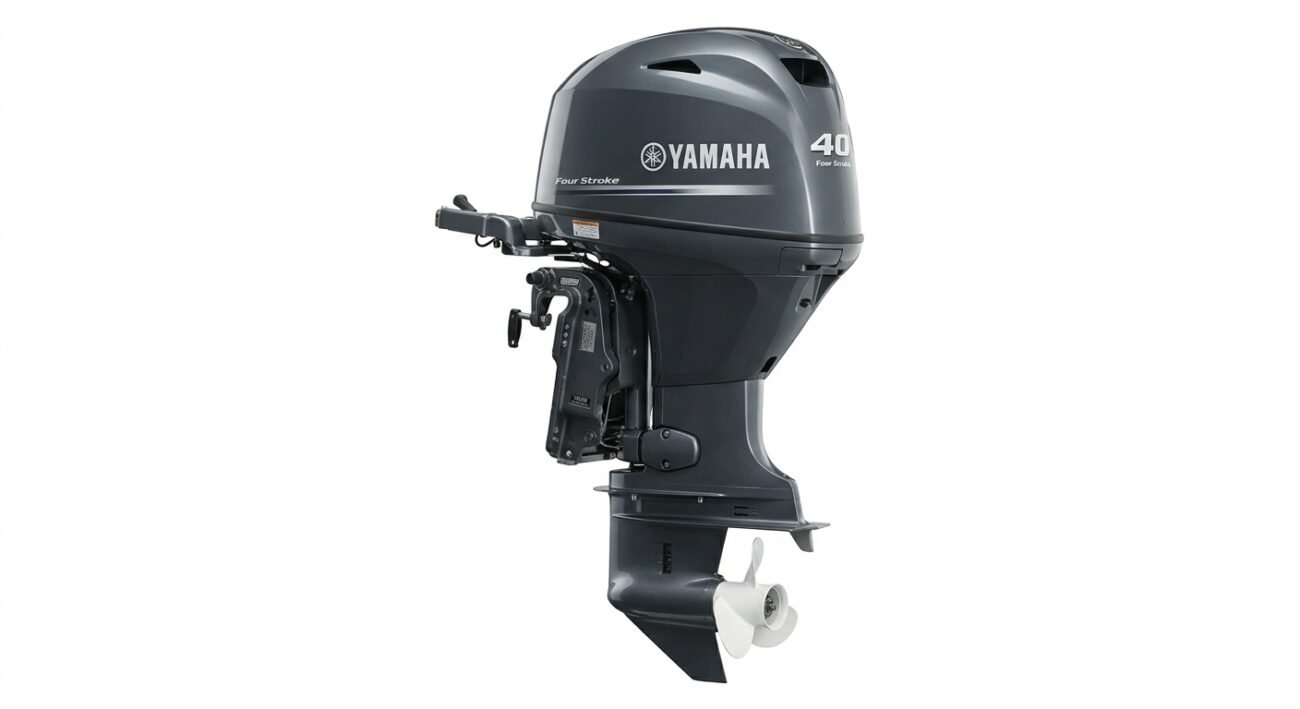
A Yamaha Outboard Engine 15HP is a marine propulsion system designed to be mounted externally on the transom of a compatible boat. Unlike an inboard engine, an outboard combines the engine, gearbox, propeller shaft, and propeller system into one compact unit. This design makes the motor relatively convenient to install, remove, service, and transport compared with many larger marine propulsion systems.
The 15HP rating refers to the approximate maximum power output of the engine under the manufacturer’s specified conditions. This amount of power places the motor in a category that is commonly associated with smaller fishing boats, utility boats, inflatable boats, tenders, and other appropriately rated vessels. The suitability of the engine depends heavily on the boat itself, so the engine should always match the boat’s maximum recommended horsepower and transom requirements.
One of the main advantages of an outboard configuration is that the motor remains outside the main interior space of the boat. This can provide more usable room for passengers, fishing equipment, storage, and other boating activities. It can also make maintenance access more convenient because important engine components are contained within a relatively accessible unit.
The Yamaha Outboard Engine 15HP category can include different configurations depending on the market and model. Features such as shaft length, starting mechanism, tiller or remote control, steering arrangement, and other equipment can differ. Therefore, the term 15HP identifies the power class but does not necessarily describe one identical motor configuration worldwide.
Why Choose a 15HP Outboard Engine?
A 15HP engine can occupy a useful position between smaller portable outboards and larger, heavier marine engines. Smaller engines may be suitable for very light boats, but they can have limitations when additional passengers, equipment, or heavier hulls are involved. Moving into the 15HP class can provide additional propulsion capability while still keeping the overall installation relatively manageable.
The Yamaha Outboard Engine 15HP can be particularly attractive to boat owners who need practical power without moving into a significantly larger engine category. For many users, the balance between power, size, handling, and operating cost is more important than achieving maximum possible speed.
Another important consideration is maneuverability. An appropriately matched 15HP engine can provide responsive control on a compatible boat. Steering performance depends on the hull and control system, but a properly installed outboard can make low-speed maneuvering, turning, docking, and general navigation easier.
The 15HP class can also be useful for users who value portability. Depending on the exact model and configuration, a smaller outboard can be removed from the boat and transported or stored more easily than a large fixed engine. This can be especially useful for owners who do not keep their boat permanently in the water.
Yamaha Outboard Engine 15HP Performance
Performance is one of the most important factors when selecting an outboard motor. The Yamaha Outboard Engine 15HP is designed to provide useful propulsion for appropriately sized boats, but its actual performance cannot be determined from horsepower alone. Two boats using the same engine can produce noticeably different results because of differences in hull shape, weight, trim, propeller selection, and loading.
A lightweight boat with an efficient hull may accelerate more quickly and achieve a higher speed than a heavier boat using the same engine. Additional passengers and equipment increase the load that the motor must move through the water. Water current, wind, waves, and operating conditions can also affect performance.
Propeller selection is another important factor. The propeller transfers engine power into thrust, and its characteristics influence acceleration, cruising performance, and engine operating speed. Selecting an inappropriate propeller can prevent the engine from operating within its recommended range. For this reason, propeller selection should be based on the manufacturer’s specifications and the boat’s actual operating conditions.
Engine mounting height and trim can also affect performance. A properly installed outboard allows the propeller and lower unit to operate efficiently in the water. Incorrect installation may increase drag or reduce propulsion efficiency. Professional installation can therefore be valuable, especially for boat owners who are unfamiliar with outboard setup.
Fuel Efficiency of a Yamaha 15HP Outboard
Fuel efficiency is an important part of the overall ownership experience. The amount of fuel consumed by a Yamaha Outboard Engine 15HP depends on engine speed, boat weight, hull design, propeller choice, water conditions, maintenance, and operating habits.
Running an engine at maximum throttle continuously generally places greater demand on the engine and increases fuel consumption. Efficient cruising often involves operating the boat at a speed that provides useful movement without unnecessarily demanding maximum engine output. The most efficient operating point varies between boats and conditions, so owners should follow the engine manufacturer’s operating recommendations.
Keeping the engine properly maintained can also support efficient operation. A clean fuel system, properly maintained spark plugs, appropriate lubrication, a healthy cooling system, and a correctly selected propeller can all contribute to proper engine performance. Mechanical problems can cause an engine to run poorly, potentially increasing fuel consumption.
Boat loading is another major factor. Excessive weight forces the engine to work harder, which can increase fuel use and reduce acceleration. Distributing passengers and equipment properly can improve handling and help the boat move more efficiently through the water.
Yamaha 15HP Engine Weight and Portability
Weight is especially important for smaller boats. A heavy outboard can change the boat’s balance and make installation or removal more difficult. It can also affect transportation when the engine needs to be stored or moved between locations.
The exact weight of a Yamaha 15HP Outboard Engine depends on the specific model and configuration. Different versions can have different equipment, shaft lengths, and starting systems. Buyers should therefore check the official specifications for the exact model rather than relying on a general 15HP weight estimate.
Portability can be a major advantage for boaters who use smaller vessels in different locations. An engine that can be handled safely by the owner may provide greater flexibility for storage and transportation. However, even a relatively compact outboard can be heavy and should be lifted using safe handling practices.
Proper storage is also important. The engine should be positioned according to the manufacturer’s instructions during transportation and storage. Incorrect positioning can potentially cause fluid movement or other mechanical concerns. The owner’s manual should always be consulted for the appropriate storage procedure.
Starting and Operating the Yamaha Outboard Engine 15HP
Operating an outboard motor requires attention to both mechanical procedures and boating safety. Before starting a Yamaha Outboard Engine 15HP, the operator should make sure the engine is properly mounted and that the boat is suitable for the engine. Fuel, steering, control connections, and other important systems should be checked before operation.
The starting procedure depends on the specific model and starting system. Some configurations may use manual starting while others can include electric starting equipment. Operators should follow the instructions supplied with their exact engine rather than relying on a generic procedure.
Once the engine starts, allowing it to operate according to the manufacturer’s recommended warm-up procedure can help prepare the engine for normal operation. The operator should pay attention to warning indicators, cooling-water flow, unusual noises, vibration, or other signs that something may not be functioning correctly.
Gear selection should be performed according to the manufacturer’s instructions. Sudden or aggressive control inputs can affect passenger comfort and boat handling. Smooth acceleration and controlled steering are generally important when operating a small boat.
Safety should remain a priority at all times. Appropriate personal flotation devices, safe loading, proper navigation practices, and awareness of weather and water conditions are important regardless of engine size.
Maintenance of a Yamaha Outboard Engine 15HP
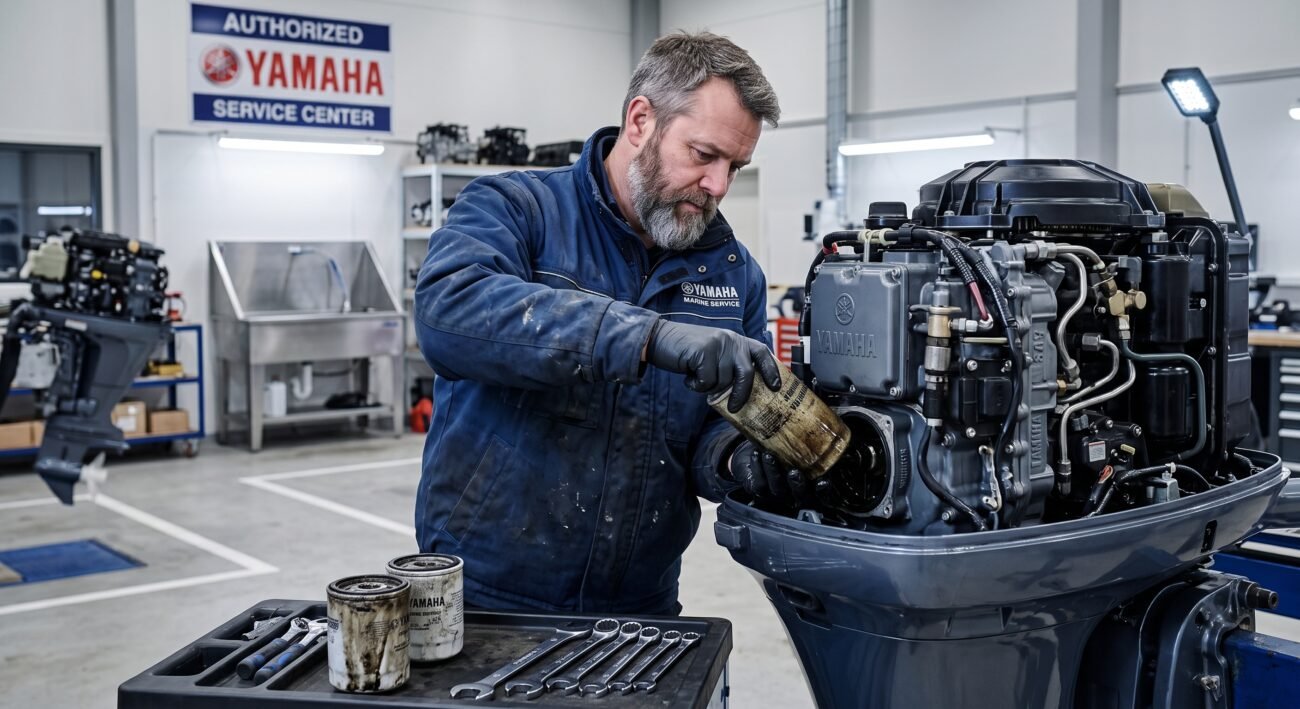
Regular maintenance is one of the most important ways to support reliable outboard operation. Even a well-designed marine engine requires routine inspection because it operates in a demanding environment involving water, vibration, heat, fuel, and corrosion risks.
The maintenance schedule should be based on the exact Yamaha model and the manufacturer’s recommendations. Maintenance intervals can differ depending on engine design and operating conditions. Owners should keep service records and follow the recommended inspection and replacement schedule.
Engine oil and lubrication are important for models that use applicable lubrication systems. Using the correct specification of lubricant and changing it at the recommended intervals can help protect internal components. Marine engines should never be maintained using random fluids simply because they appear similar.
The spark plug system should also be inspected as recommended. Spark plugs play an important role in combustion, and worn or fouled plugs can contribute to difficult starting, rough running, reduced acceleration, or other performance problems.
The cooling system deserves particular attention because an outboard operates in water. The cooling passages and water intake should remain clear of debris. A problem with cooling-water flow can lead to overheating and potentially serious engine damage.
The propeller should be inspected regularly for damage, fishing line, rope, or other material that may become wrapped around the propeller shaft. Even relatively small damage can affect propulsion efficiency and vibration.
Preventing Corrosion
Marine environments can be harsh on metal components. Saltwater exposure can accelerate corrosion, making proper cleaning and protection important for long-term ownership.
After operation in saltwater, the engine should be flushed and maintained according to the manufacturer’s instructions. Freshwater use can still require cleaning because dirt, mud, and other contaminants can enter the cooling system and lower unit.
External components should be inspected periodically for signs of corrosion, damaged finishes, loose hardware, or other problems. Early identification of corrosion can help prevent a small issue from becoming a more expensive repair.
Owners should also pay attention to sacrificial anodes where applicable. These components are designed to help protect certain metal parts from corrosion. Their condition should be checked and replacement should follow the manufacturer’s recommendations.
Common Yamaha 15HP Outboard Problems
Like any mechanical system, a Yamaha Outboard Engine 15HP can experience problems if it is improperly maintained, incorrectly stored, operated outside recommended conditions, or affected by normal component wear.
Starting problems can have several possible causes. Fuel quality, fuel delivery, ignition components, battery condition on applicable models, or improper starting procedures can all influence engine starting. Diagnosing the exact cause requires checking the relevant systems systematically.
Overheating is another issue that should never be ignored. Reduced cooling-water flow, blocked water passages, damaged components, or other cooling-system problems can contribute to excessive engine temperature. If an overheating warning occurs, the operator should follow the manufacturer’s recommended procedure and investigate the cause before continuing normal operation.
Poor acceleration can result from several factors, including excessive boat loading, incorrect propeller selection, fuel problems, engine condition, or improper trim. The problem should not automatically be attributed to insufficient horsepower.
Unusual vibration may also indicate a propeller or mechanical issue. A damaged or improperly fitted propeller can produce noticeable vibration and reduce efficiency. Continuing to operate an engine with severe vibration can potentially cause additional damage.
Yamaha Outboard Engine 15HP for Fishing
Fishing boats often require an engine that provides dependable movement while allowing the operator to maneuver at different speeds. A 15HP outboard can be appropriate for fishing boats that are specifically rated for this power level.
Low-speed control is important for many fishing activities. The ability to move slowly and make controlled adjustments can be more valuable than maximum speed. Engine response, boat stability, steering configuration, and propeller selection all contribute to this experience.
Fishing environments can also expose an engine to additional risks. Fishing line, weeds, mud, and debris can interact with the propeller or lower unit. Regular inspection after use can help identify problems before they become more serious.
Anglers should also consider total boat weight. Fishing equipment, fuel, batteries, coolers, safety equipment, and passengers can significantly increase the operating load. Choosing an engine based only on the empty boat weight can lead to unrealistic expectations.
Yamaha 15HP for Recreational Boating
For recreational boating, a 15HP outboard can provide practical propulsion for properly matched boats. Its usefulness depends on the boat’s design and intended activity, but the power category can be suitable for owners who want a relatively straightforward propulsion system.
Recreational boaters often value easy handling, dependable starting, manageable maintenance, and reasonable operating costs. A properly maintained outboard can support regular boating activities without requiring the complexity associated with much larger propulsion systems.
However, recreational use does not eliminate the need for careful preparation. Weather, water conditions, passenger capacity, fuel planning, and emergency equipment should all be considered before leaving shore.
Yamaha 15HP Compared With Other Outboard Engines
When comparing a Yamaha Outboard Engine 15HP with other 15HP engines, buyers should look beyond the horsepower number. Engines in the same horsepower class can have different weights, features, control systems, maintenance requirements, warranty arrangements, and dealer support.
Fuel consumption can vary depending on engine design and operating conditions. Weight can influence the boat’s balance and portability. Starting systems can affect convenience. Service availability can influence the long-term ownership experience.
Another important consideration is parts availability. A reliable supply of genuine replacement parts and access to qualified technicians can make routine maintenance easier. Buyers should investigate local service support before purchasing, particularly when buying a motor in a region where a specific model may not be widely supported.
Warranty terms should also be reviewed carefully. Warranty coverage can vary by market and product category, and the requirements for maintaining coverage may include specific service procedures.
How to Choose the Right Yamaha 15HP Outboard
The first step is to check the boat manufacturer’s recommended horsepower range. The engine should never be selected solely because the owner prefers a particular power rating. The boat must be designed and rated to safely handle the engine.
The next consideration is shaft length. The correct shaft length depends on the boat’s transom dimensions and the configuration specified by the manufacturer. Using the wrong shaft length can negatively affect propulsion and installation.
The intended use should also be considered. Fishing, transportation, recreation, tender use, and utility boating can place different demands on an engine. A boat used primarily for carrying people may have different requirements from one used mainly for fishing equipment.
Total operating weight should be calculated realistically. Passengers, fuel, batteries, equipment, and other cargo all contribute to the boat’s total weight. Understanding the expected load can help establish realistic performance expectations.
Budget is another factor, but the purchase price should not be the only financial consideration. Maintenance, fuel, replacement parts, storage, installation, and service can all contribute to the total cost of ownership.
Buying a New Yamaha Outboard Engine 15HP
Buying a new Yamaha Outboard Engine 15HP provides the advantage of obtaining a motor with known history and manufacturer-supported specifications. Before purchasing, buyers should confirm the exact model number, shaft length, starting system, available controls, warranty terms, and included equipment.
It is also important to purchase through a reputable dealer or authorized source where possible. Documentation can be important for warranty support, registration, maintenance, and future resale.
The dealer should be able to provide information about recommended service intervals and suitable accessories. Proper installation is equally important because even a high-quality engine may perform poorly if it is incorrectly mounted or configured.
Buying a Used Yamaha 15HP Outboard
A used Yamaha Outboard Engine 15HP can sometimes provide a more affordable route into boat ownership, but the engine’s condition is more important than its appearance. A clean exterior does not necessarily indicate that the internal components have been properly maintained.
Buyers should inspect the lower unit, propeller, mounting hardware, cooling system, fuel system, controls, and other accessible components. Evidence of corrosion, impact damage, oil leakage, unusual vibration, or neglected maintenance should receive careful attention.
Maintenance history can be particularly valuable. Service records may provide information about previous oil changes, spark plug replacement, impeller or cooling-system work, and other maintenance.
A professional inspection can be worthwhile when purchasing an expensive used engine. A qualified marine technician can identify mechanical concerns that may not be obvious during a short visual inspection.
For accurate information about the Yamaha Outboard Engine 15HP, buyers and boat owners should consult reliable marine resources and the manufacturer’s official documentation before making maintenance or purchasing decisions. The official Yamaha Motor website provides information about Yamaha marine products, specifications, manuals, safety information, and other resources that can help owners understand their outboard engines. Checking the manufacturer’s latest documentation is especially important because specifications, available configurations, maintenance requirements, and product availability can vary by model and market.
Extending the Life of a Yamaha 15HP Outboard
Long-term engine reliability depends heavily on maintenance and operating habits. Following the manufacturer’s maintenance schedule is one of the simplest ways to support dependable operation.
Clean fuel is also important. Fuel-related problems can develop when fuel becomes contaminated or degraded. Proper fuel storage practices should be followed according to the manufacturer’s recommendations and local regulations.
The engine should not be operated outside its intended conditions. Excessive loading, incorrect propeller selection, improper installation, and neglecting warning indicators can all place unnecessary stress on the engine.
Proper storage is equally important. If the boat and engine will not be used for an extended period, the manufacturer-recommended storage procedure should be followed. This can include appropriate fuel-system preparation, cleaning, corrosion protection, and positioning.
Regular inspection is better than waiting for a problem to become obvious. A few minutes of checking the propeller, fuel system, cooling-water intake, mounting hardware, and visible components can help identify issues early.
Environmental Considerations
Modern boating also requires consideration of environmental responsibility. Efficient operation can reduce unnecessary fuel consumption, while proper maintenance helps prevent leaks and mechanical failures.
Fuel and lubricants should be handled carefully. Spills can harm aquatic environments and should be avoided. Used oil, filters, and other maintenance materials should be disposed of through appropriate collection or recycling systems.
Boat operators should also follow local rules regarding emissions, noise, speed restrictions, protected waterways, and waste disposal. Regulations can vary considerably between locations, so owners should consult the relevant marine authorities.
Yamaha Outboard Engine 15HP and Long-Term Ownership
The ownership experience of a 15HP outboard involves more than the initial purchase. A good engine needs appropriate installation, regular maintenance, suitable fuel, correct storage, and responsible operation.
For many boat owners, the value of an outboard becomes clearer over years of use rather than during the first few trips. An engine that is regularly maintained can provide more predictable performance and reduce the likelihood of avoidable mechanical problems.
Service support is another important part of ownership. Buyers should know where replacement parts and qualified marine technicians can be found. This becomes particularly important during busy boating seasons when service demand may increase.
Keeping accurate maintenance records can also be beneficial. Records provide a history of the engine and can help future technicians understand what work has already been performed. They may also improve the engine’s resale appeal.
FAQ
Is the Yamaha Outboard Engine 15HP suitable for small boats?
A Yamaha 15HP outboard can be suitable for small boats when the boat is specifically rated and designed for that horsepower. The boat manufacturer’s maximum horsepower recommendation, transom specifications, and total capacity should always be checked before installation.
How fast can a Yamaha 15HP outboard go?
There is no single speed that applies to every Yamaha 15HP installation. Boat weight, hull design, propeller, passenger load, water conditions, engine setup, and other factors can significantly affect speed. The engine should be evaluated according to the manufacturer’s recommended operating range rather than a fixed speed expectation.
Is a Yamaha 15HP outboard fuel efficient?
Fuel efficiency depends on the exact engine model and how it is operated. Boat loading, throttle position, propeller selection, hull design, and maintenance all influence fuel consumption. Operating the boat efficiently and maintaining the engine properly can support better fuel economy.
Is a 15HP Yamaha outboard good for fishing?
A 15HP Yamaha outboard can be appropriate for fishing boats that are rated for that power. Its suitability depends on the boat’s size, weight, hull design, passenger capacity, and intended fishing environment.
How often should a Yamaha 15HP outboard be serviced?
Service intervals depend on the exact model and operating conditions. Owners should follow the maintenance schedule provided in the official owner’s documentation. Regular inspection is important even when the engine appears to be operating normally.
What should I check when buying a used Yamaha 15HP outboard?
A used engine should be inspected for corrosion, propeller damage, oil leakage, cooling-system problems, mounting issues, unusual vibration, and signs of poor maintenance. Service records and a professional mechanical inspection can provide additional confidence about the engine’s condition.
Does Yamaha make different versions of 15HP outboards?
Specifications and configurations can vary by market, model year, and product version. Differences may include starting systems, shaft lengths, controls, and other equipment. Buyers should check the exact model documentation for accurate specifications.
Can a Yamaha 15HP outboard be used in saltwater?
Outboards can be used in marine environments when they are designed and maintained appropriately. Saltwater operation requires careful flushing, cleaning, corrosion prevention, and maintenance according to the manufacturer’s instructions.
Final Thoughts
The Yamaha Outboard Engine 15HP offers a practical power category for boat owners who need more capability than a very small portable motor while still wanting a relatively manageable outboard system. Its usefulness comes from the combination of engine power, boat compatibility, controllability, portability, and maintenance requirements rather than horsepower alone.
Choosing the correct 15HP outboard starts with the boat. The hull design, transom dimensions, maximum horsepower rating, passenger capacity, total operating weight, and intended use should all be considered before purchasing. Once the correct engine has been selected, proper installation becomes equally important because mounting height, shaft length, propeller selection, and control configuration can influence performance.
Maintenance is another major part of ownership. Regular inspections, correct lubrication, fuel-system care, cooling-system maintenance, propeller checks, corrosion prevention, and appropriate storage can help support dependable operation over time. Owners should always follow the maintenance procedures and specifications provided for their exact Yamaha model.
The Yamaha Outboard Engine 15HP can be a practical choice for appropriately rated fishing boats, recreational vessels, tenders, and utility boats. However, there is no universal engine configuration that is perfect for every boat. Comparing the exact model specifications, service availability, warranty terms, installation requirements, and total ownership costs can help buyers make a more informed purchase decision.
Before purchasing a new or used Yamaha 15HP outboard, it is important to verify the current specifications for the exact model and market. Manufacturer documentation and qualified marine professionals should be used for installation, maintenance, and technical decisions. With the right boat, correct setup, responsible operation, and consistent maintenance, a 15HP outboard can provide useful and dependable propulsion for many boating activities.


One thought on “Yamaha Outboard Engine 15HP: Powerful & Reliable Performance, Features, Fuel Efficiency, Maintenance & Buying Guide”