

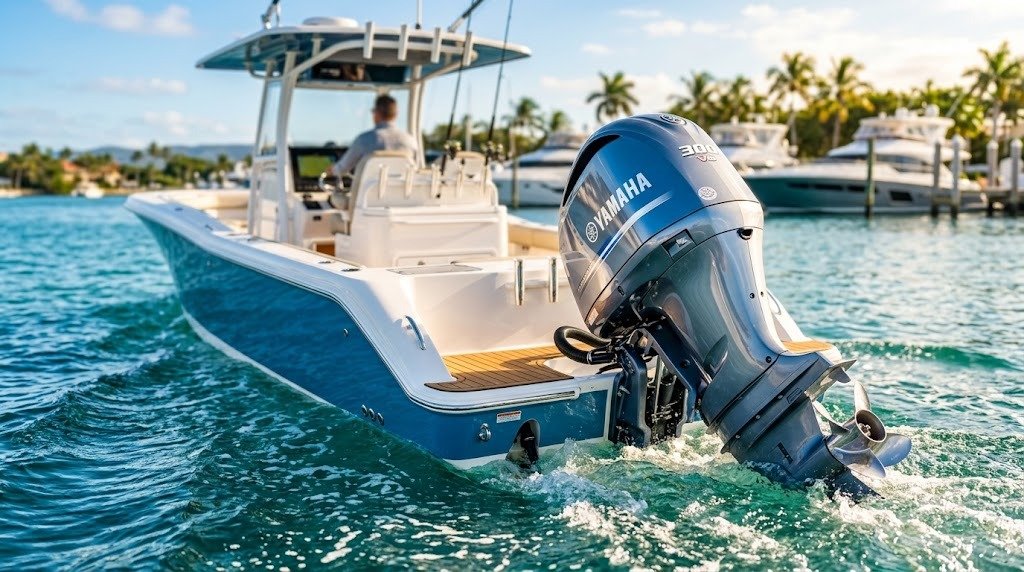
Choosing the right outboard engine can make a noticeable difference in the way a boat performs, handles, and uses fuel. Whether you own a small fishing boat, a family runabout, a pontoon, or a larger recreational vessel, the engine is one of the most important parts of the entire setup. A reliable engine provides the power needed to get on plane, maintain cruising speed, handle changing water conditions, and enjoy time on the water with fewer interruptions.
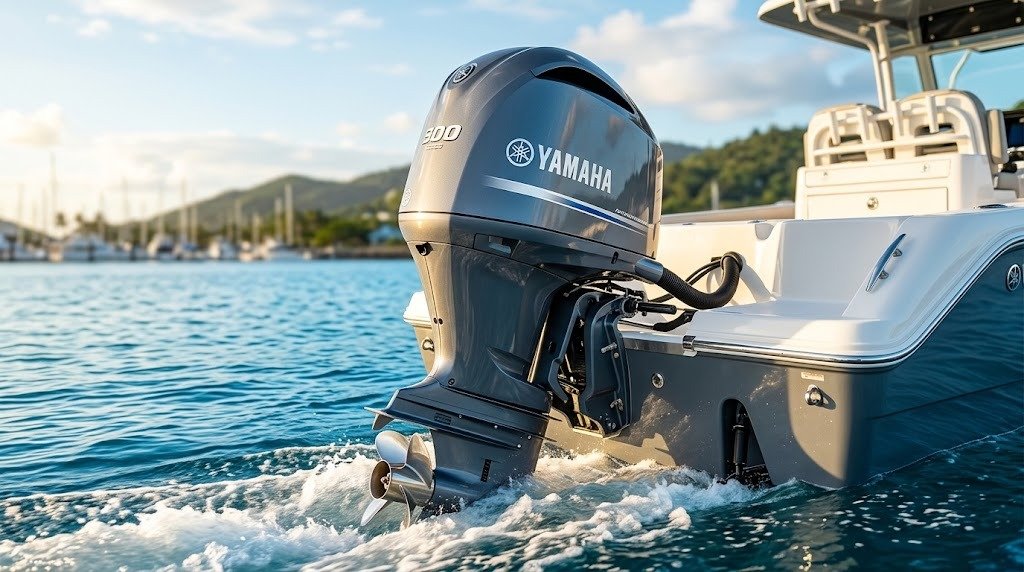
A Yamaha four stroke outboard engine is a popular option among boat owners who want a combination of smooth performance, fuel efficiency, durability, and modern features. Yamaha produces four-stroke outboards across a wide range of horsepower levels, making it possible to find an engine for many different types of boats and boating activities.
Four-stroke outboard technology has also become an important part of modern marine propulsion. Compared with older two-stroke designs, modern four-stroke engines can offer smooth operation, efficient fuel delivery, reduced emissions, and convenient ownership. However, choosing an engine should never be based on the brand name alone. Boat size, weight, hull design, intended use, horsepower requirements, maintenance history, and budget all matter.
This guide explains how Yamaha four-stroke outboard engines work, their major benefits, performance characteristics, maintenance requirements, common problems, and the factors you should consider before purchasing one.
What Is a Yamaha Four Stroke Outboard Engine?
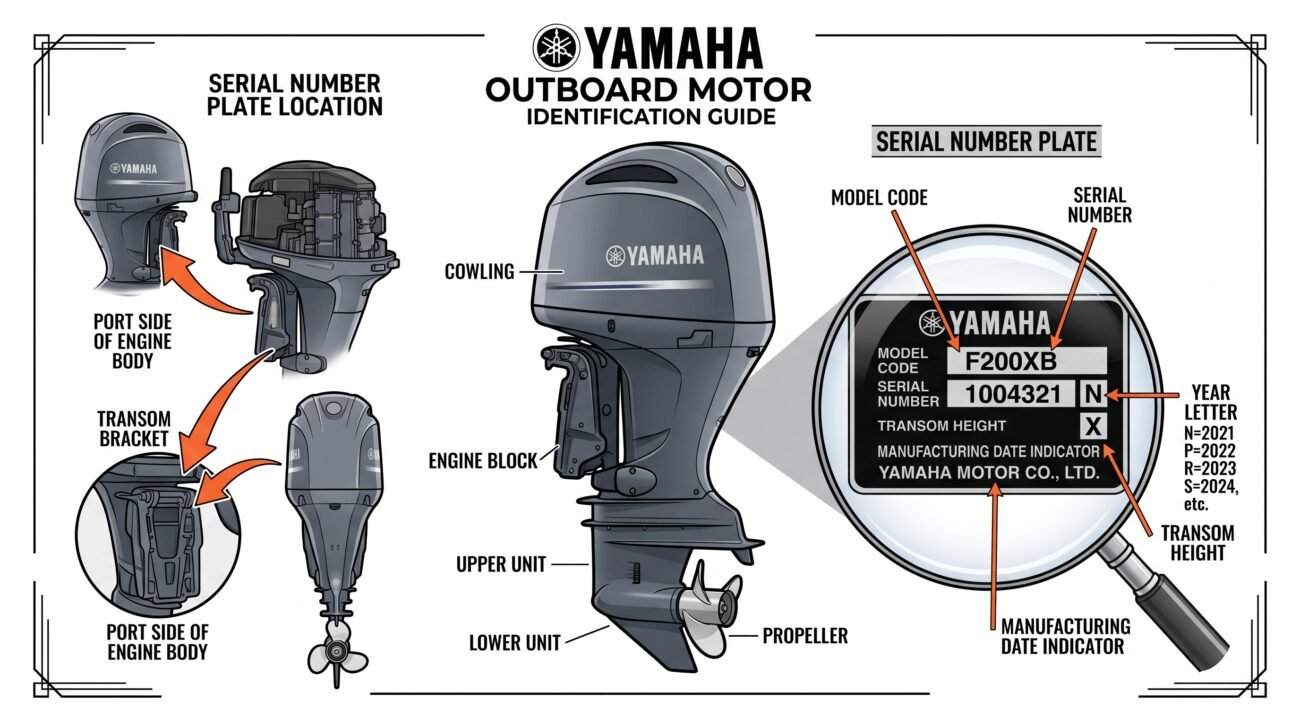
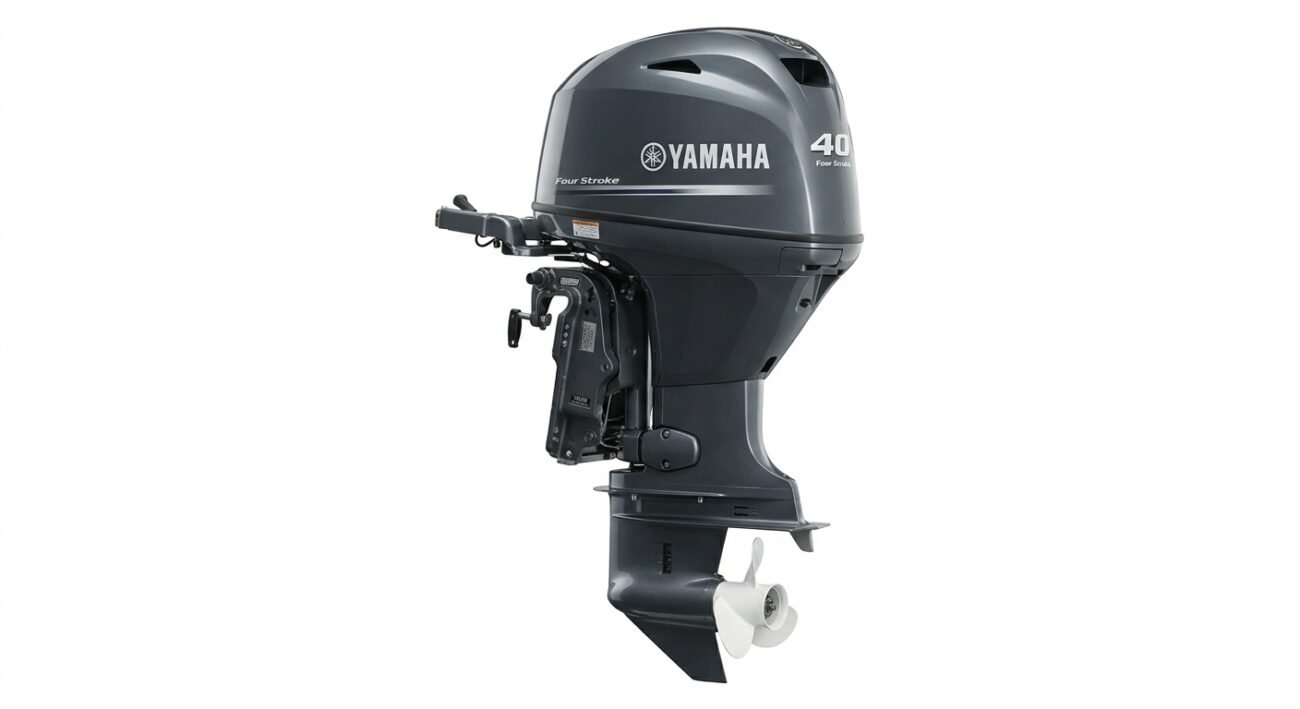
A Yamaha four stroke outboard engine is a marine engine designed to provide propulsion while being mounted externally on the transom of a boat. Unlike an inboard engine, the outboard combines the engine, gearbox, propeller shaft, and propeller system into one compact unit.
The term “four stroke” refers to the four stages used by the engine to complete its combustion cycle. These stages are intake, compression, power, and exhaust. The engine draws in an air-fuel mixture, compresses it, ignites it, and then removes the exhaust gases before beginning another cycle.
Modern Yamaha four-stroke outboards use electronically controlled fuel systems and other technologies designed to deliver consistent operation. Depending on the model, features can include electronic fuel injection, power trim and tilt, digital engine monitoring, electronic controls, and other technologies intended to improve usability.
Yamaha’s official marine resources provide specifications and information for its current outboard engine lineup. Yamaha Marine
How Does a Four-Stroke Outboard Work?
The basic operating principle is similar to other four-stroke internal combustion engines.
During the intake stroke, the engine draws air and fuel into the combustion chamber. The compression stroke then compresses the mixture. During the power stroke, ignition creates expanding gases that push the piston downward. Finally, the exhaust stroke removes combustion gases from the cylinder.
This cycle happens repeatedly while the engine is running. The movement of the pistons is converted into rotational power that eventually reaches the propeller through the lower unit.
Although the basic process sounds simple, modern marine engines include sophisticated fuel, cooling, lubrication, ignition, and control systems. These systems work together to provide dependable performance in a demanding environment.
Why Are Four-Stroke Outboards Popular?
Four-stroke engines have become common in recreational boating because they can provide a useful combination of fuel economy, smoothness, durability, and emissions performance.
For many boat owners, the appeal is not simply maximum horsepower. They also want an engine that starts reliably, operates smoothly at cruising speeds, and can be maintained properly over many years.
Major Benefits of a Yamaha Four Stroke Outboard Engine
There are several reasons boat owners consider Yamaha four-stroke outboards when selecting a marine engine. The exact advantages depend on the model, boat, operating conditions, and maintenance history, but several characteristics are common across the technology.
Smooth and Quiet Operation
One of the noticeable characteristics of many modern four-stroke outboards is their smooth operation. The four-stroke combustion cycle and modern engine-management systems can help provide a refined experience compared with older engine designs.
Reduced vibration can be particularly useful when fishing, cruising with family, or spending several hours on the water. A smoother engine can also make conversations easier and reduce the feeling of mechanical harshness while cruising.
Noise levels vary between models and operating conditions, so buyers should look at model-specific specifications and, when possible, experience the engine in person.
Fuel Efficiency
Fuel economy is one of the biggest considerations for boat owners because marine engines can consume significant amounts of fuel, especially when operated at high speeds or under heavy loads.
A Yamaha four stroke outboard engine can provide efficient fuel delivery through modern fuel-injection and engine-management technologies. However, fuel consumption is not determined by the engine alone.
Boat weight, hull shape, propeller selection, throttle position, water conditions, passenger load, and maintenance can all influence fuel consumption.
Operating at a sensible cruising speed instead of constantly running at maximum throttle can also help reduce fuel use.
Reliable Starting
Modern fuel-injected four-stroke outboards are designed to provide dependable starting and consistent engine operation. Electronic engine management can adjust fuel delivery according to operating conditions.
A reliable starting system is particularly valuable for anglers and boaters who spend time away from marinas. Regular maintenance remains essential, however. Even a high-quality engine can develop starting problems if fuel becomes contaminated, batteries weaken, spark plugs deteriorate, or scheduled maintenance is ignored.
Strong Low-Speed Control
A boat does not spend its entire operating life at maximum speed. Docking, fishing, maneuvering through narrow channels, and moving slowly around other vessels all require precise throttle control.
Four-stroke outboards can provide predictable low-speed operation, which can make maneuvering more comfortable. The exact experience depends on the boat’s steering system, propeller, engine size, and control configuration.
Lower Emissions
Modern marine engines are designed to meet applicable emissions requirements. Four-stroke technology can contribute to cleaner combustion compared with older engine designs.
Environmental regulations vary by region, so buyers should check the requirements that apply to their boat and location. The U.S. Environmental Protection Agency provides information about marine spark-ignition engines and emissions standards. U.S. EPA – Marine Engines
Yamaha Four Stroke Outboard Engine Performance
Performance is one of the most important factors when selecting an outboard. However, engine performance should always be considered together with the boat itself.
A powerful engine installed on an unsuitable boat does not automatically create better overall performance. The hull, weight distribution, propeller, engine mounting height, and intended use all affect how efficiently the boat moves through the water.
Acceleration
Acceleration depends on several factors, including horsepower, torque characteristics, boat weight, hull design, propeller pitch, and load.
A properly matched Yamaha four-stroke outboard can provide responsive acceleration when the throttle is opened. Smaller engines are generally suited to lighter boats, while higher-horsepower engines can provide the thrust required by larger and heavier vessels.
The goal should be to choose enough power for the boat rather than simply selecting the largest available engine.
Cruising Performance
For many boat owners, cruising performance is more important than top speed. A good cruising setup allows the boat to maintain a comfortable speed without unnecessarily high engine load.
Fuel consumption can also be more manageable when the boat is operated within an efficient cruising range.
A tachometer and other engine-monitoring information can help operators understand how the engine is working and make better decisions about speed and fuel use.
Top Speed
Top speed is affected by horsepower, boat design, hull condition, propeller selection, passenger load, water conditions, and engine setup.
Two boats equipped with the same Yamaha outboard may have very different top speeds because their hull designs and weights are different.
For this reason, advertised performance figures should not be treated as guaranteed results for every boat.
Yamaha Four Stroke Outboard Engine Models
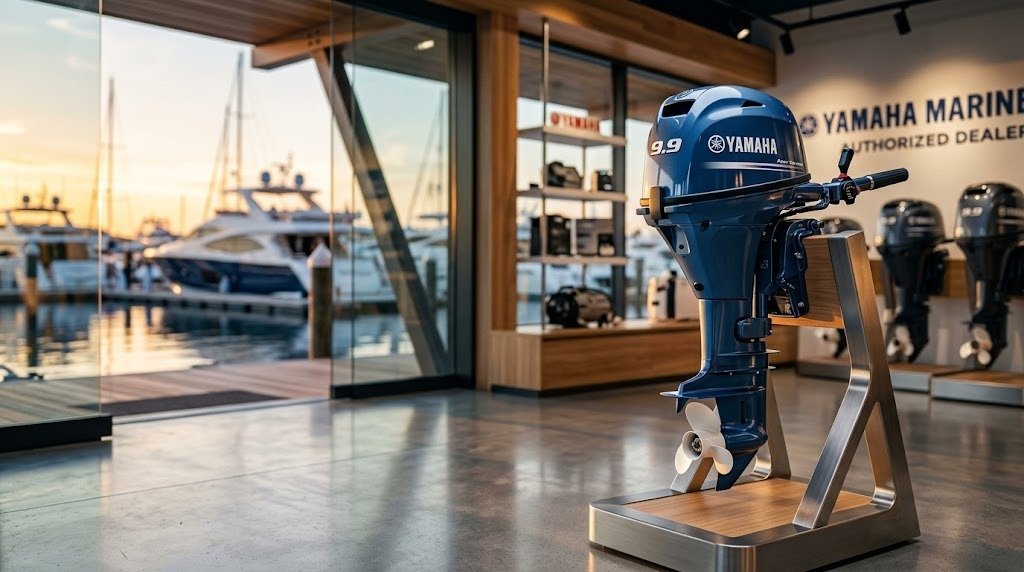
Yamaha offers four-stroke outboards in multiple horsepower categories. The appropriate engine depends heavily on the boat and its intended use.
Small Four-Stroke Outboards
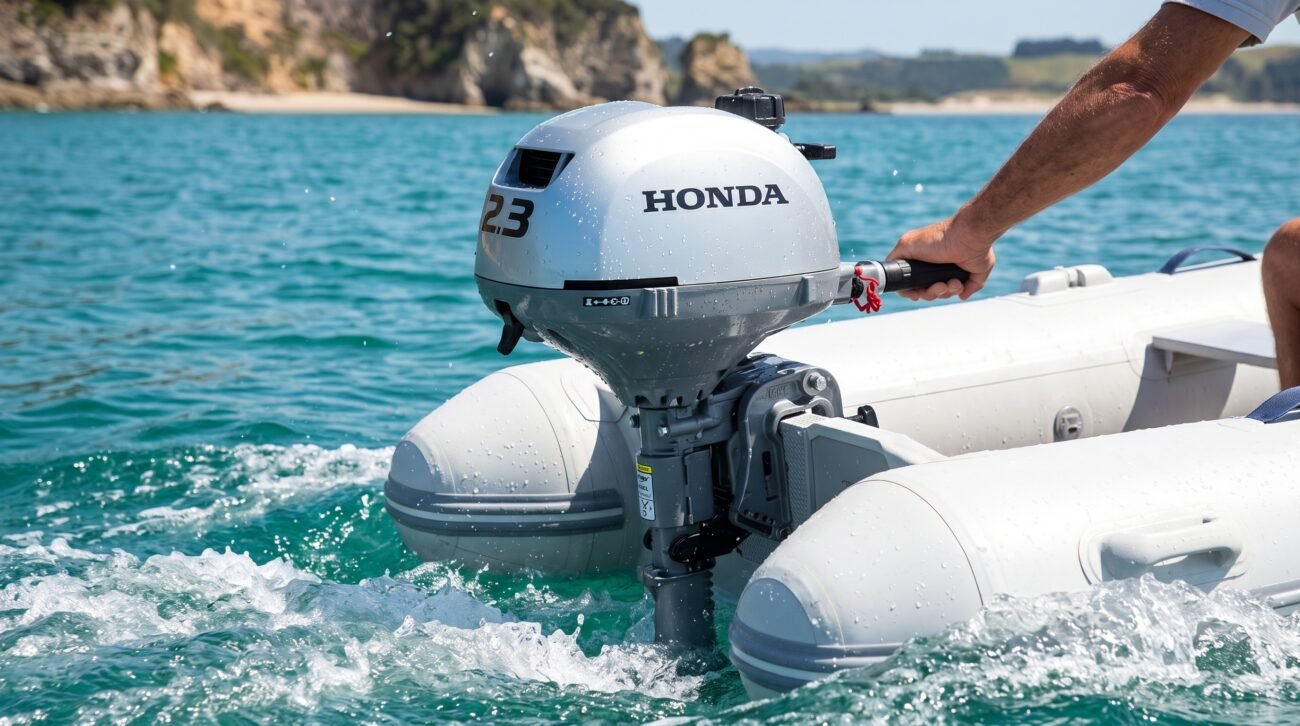
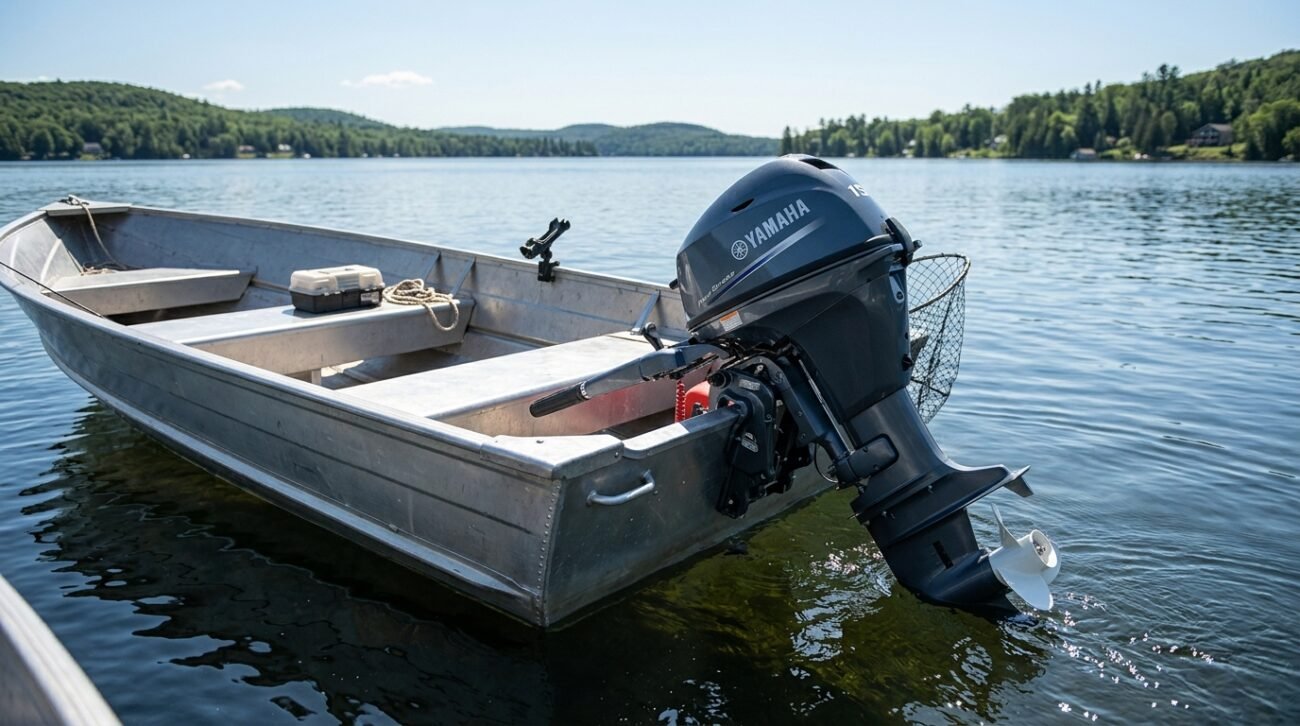
Smaller outboards are commonly used on lightweight boats, dinghies, tenders, small fishing boats, and other compact vessels.
Their advantages can include portability, relatively simple installation, and lower fuel requirements compared with larger engines.
For owners of smaller boats, excessive horsepower can add unnecessary weight and expense. The manufacturer’s recommended engine range should always be checked before choosing an engine.
Mid-Range Four-Stroke Outboards
Mid-range Yamaha four-stroke engines can be suitable for fishing boats, family boats, pontoons, and recreational vessels that require more power.
This category gives boat owners more flexibility when carrying passengers or equipment while still maintaining manageable operating costs.
The best horsepower depends on the specific boat rather than simply the number of passengers normally carried.
High-Horsepower Four-Stroke Outboards
High-horsepower Yamaha outboards are designed for larger vessels that require significant propulsion.
These engines can deliver strong acceleration and cruising capability, but they also require appropriate rigging, fuel capacity, electrical systems, transom strength, and propeller selection.
Owners should always follow the boat manufacturer’s maximum horsepower recommendations.
How to Choose the Right Yamaha Four Stroke Outboard Engine
Buying the correct engine is more important than simply buying a powerful engine. A well-matched engine can provide better handling, efficient operation, and a more satisfying boating experience.
Consider Boat Size and Weight
Start by looking at the boat manufacturer’s specifications. The engine should be compatible with the boat’s recommended horsepower range and maximum allowable engine weight.
A heavier engine can change the boat’s balance and performance. Therefore, engine weight should be considered along with horsepower.
Choose the Correct Horsepower
Horsepower should be selected according to the boat’s design and intended use.
A small fishing boat may not need the same power as a large pontoon or offshore vessel. Carrying heavy equipment or several passengers may also affect the appropriate engine choice.
Never exceed the boat manufacturer’s maximum horsepower rating.
Think About Your Typical Use
Ask how you actually plan to use the boat.
A fishing boat used primarily at low speeds may have different requirements from a recreational boat intended for faster cruising. Similarly, a boat used in rough water may have different performance priorities from one used mainly on calm inland lakes.
Consider Fuel Capacity
A more powerful engine can consume more fuel, particularly when operated at higher speeds. Before purchasing, consider the boat’s fuel tank capacity and the distances you normally travel.
Fuel planning is especially important for offshore trips where refueling opportunities may be limited.
Yamaha Four Stroke Outboard Engine Fuel Economy
Fuel economy is affected by much more than engine size. Even two identical engines can have different fuel consumption depending on how and where they are operated.
Factors That Affect Fuel Consumption
Boat weight is one important factor. A heavily loaded boat generally requires more power to maintain speed.
Propeller selection also matters. An incorrectly selected propeller can prevent the engine from operating within its recommended range.
Hull condition is another factor. Marine growth, damaged components, and poor hull condition can increase resistance and require more power.
Throttle position has a major effect as well. Running continuously at maximum throttle generally consumes significantly more fuel than cruising at a suitable speed.
How to Improve Fuel Efficiency
Regular engine maintenance is one of the simplest ways to support efficient operation. Keep the engine properly serviced and inspect the propeller regularly.
Avoid unnecessary weight when practical, keep the hull clean, and use a propeller appropriate for the boat and engine.
Smooth acceleration and sensible cruising can also help manage fuel consumption.
Yamaha Four Stroke Outboard Engine Maintenance
Proper maintenance is essential for any marine engine. Outboard motors operate in a challenging environment involving water, salt, humidity, vibration, and changing temperatures.
Following the manufacturer’s maintenance schedule can help identify problems before they become expensive repairs.
Engine Oil and Filter
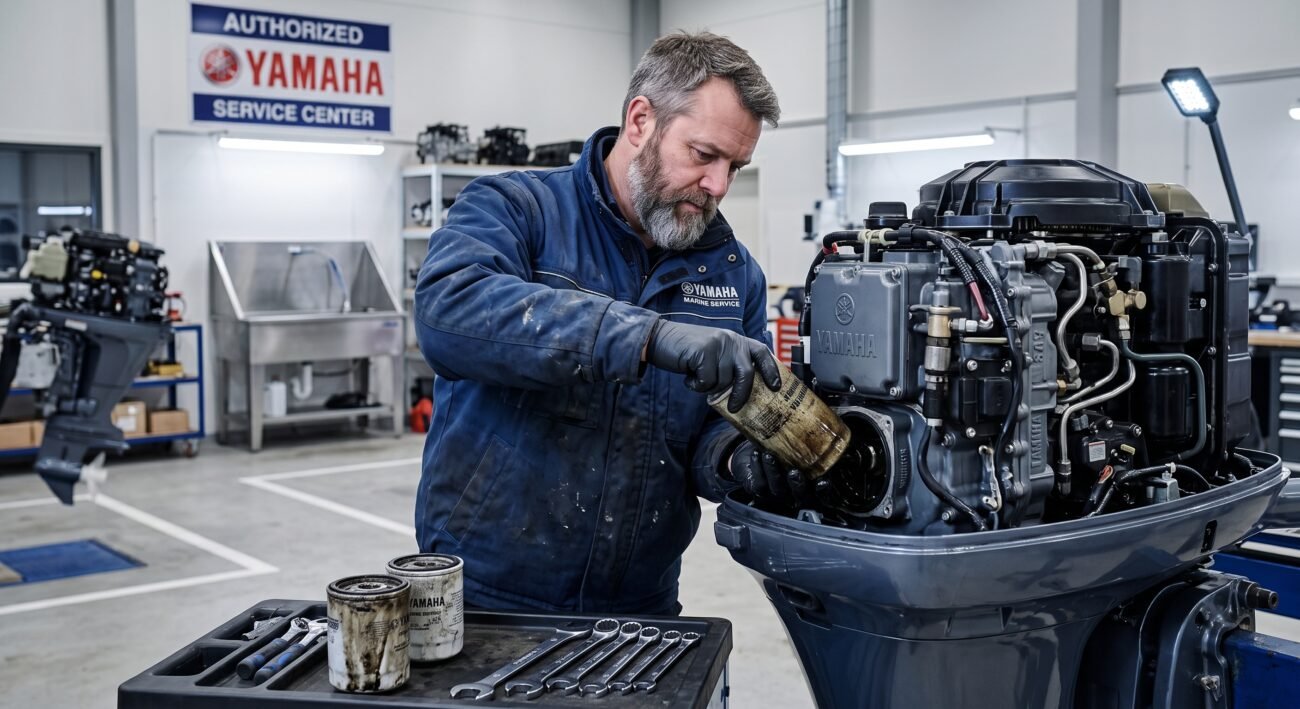
Four-stroke outboards use engine oil for lubrication. Oil should be checked and replaced according to the manufacturer’s recommended service intervals.
Using the correct marine engine oil and filter is important because marine engines have specific operating requirements.
Cooling System
The cooling system prevents the engine from overheating. Operators should pay attention to warning indicators and inspect the cooling system according to the maintenance schedule.
If the engine shows signs of overheating, it should not simply be operated harder in an attempt to solve the problem. The cause should be identified and corrected.
Spark Plugs
Spark plugs are important for reliable ignition. Worn, damaged, or fouled plugs can contribute to starting difficulties, rough running, and poor acceleration.
Replacement intervals depend on the specific engine model and operating conditions.
Propeller Inspection
The propeller is one of the most exposed components on an outboard.
Fishing lines, ropes, submerged objects, sand, rocks, and other hazards can damage the propeller. Even a small amount of damage can affect performance and create vibration.
Inspect the propeller regularly and replace or repair it when necessary.
Gear Oil and Lower Unit
The lower unit contains gears and lubrication that are essential for transferring engine power to the propeller.
Gear oil should be inspected and replaced according to the manufacturer’s maintenance recommendations. Water contamination in the gearcase lubricant can indicate a seal or other problem that requires attention.
Winterization
In regions where boats are stored during cold weather, proper winterization can protect the engine from damage.
The exact procedure depends on the model and storage conditions. Owners should follow Yamaha’s model-specific instructions or have the engine prepared by a qualified marine technician.
Common Yamaha Four Stroke Outboard Engine Problems
Yamaha four-stroke outboards are designed for marine use, but no engine is completely free from maintenance issues or component failure.
Understanding common symptoms can help boat owners respond quickly.
Engine Will Not Start
A no-start condition can have several causes. These may include a weak battery, fuel delivery problems, contaminated fuel, ignition issues, safety-switch activation, or other electrical problems.
It is better to diagnose the actual cause rather than repeatedly attempting to start the engine.
Overheating
Overheating can be caused by problems with water flow, cooling components, debris, or other parts of the cooling system.
An overheating warning should be taken seriously. Continued operation can cause expensive engine damage.
Poor Acceleration
If the boat suddenly loses acceleration, possible causes may include fuel problems, propeller damage, incorrect propeller selection, engine-management faults, or other mechanical issues.
The correct diagnosis depends on the symptoms and engine model.
Excessive Vibration
Unusual vibration may be related to propeller damage, fishing line wrapped around the propeller shaft, mounting issues, or other mechanical problems.
A new vibration should not be ignored.
Yamaha Four Stroke Outboard Features
Modern Yamaha outboards can include a range of technologies designed to make boating more convenient.
Power Trim and Tilt
Power trim and tilt allows the operator to adjust the engine position using an electrical control.
This can help with acceleration, cruising efficiency, shallow-water operation, and trailering, depending on the boat and situation.
Electronic Fuel Injection
Fuel injection allows the engine-management system to control fuel delivery more precisely than traditional carbureted systems.
This can contribute to reliable starting, responsive operation, and efficient combustion.
Digital Engine Monitoring
Depending on the model and rigging system, digital displays can provide information such as engine speed, fuel-related data, engine alerts, and other operating information.
Having accurate engine information can make it easier for operators to monitor the boat while underway.
Yamaha Four Stroke Outboard vs. Two-Stroke Outboard
The choice between four-stroke and two-stroke technology depends on the specific engines being compared, the boat, regulations, budget, and intended use.
Four-stroke engines generally separate the lubrication system from the fuel charge and complete combustion over four piston strokes. Many modern four-stroke outboards are known for smooth operation and fuel efficiency.
Traditional two-stroke engines can have different weight, power, and mechanical characteristics. Modern direct-injection two-stroke technologies also differ significantly from older carbureted two-stroke engines.
Rather than assuming one technology is automatically appropriate for every boat, compare the actual specifications, weight, fuel consumption, emissions requirements, service needs, and operating goals.
Yamaha vs. Other Outboard Engine Brands
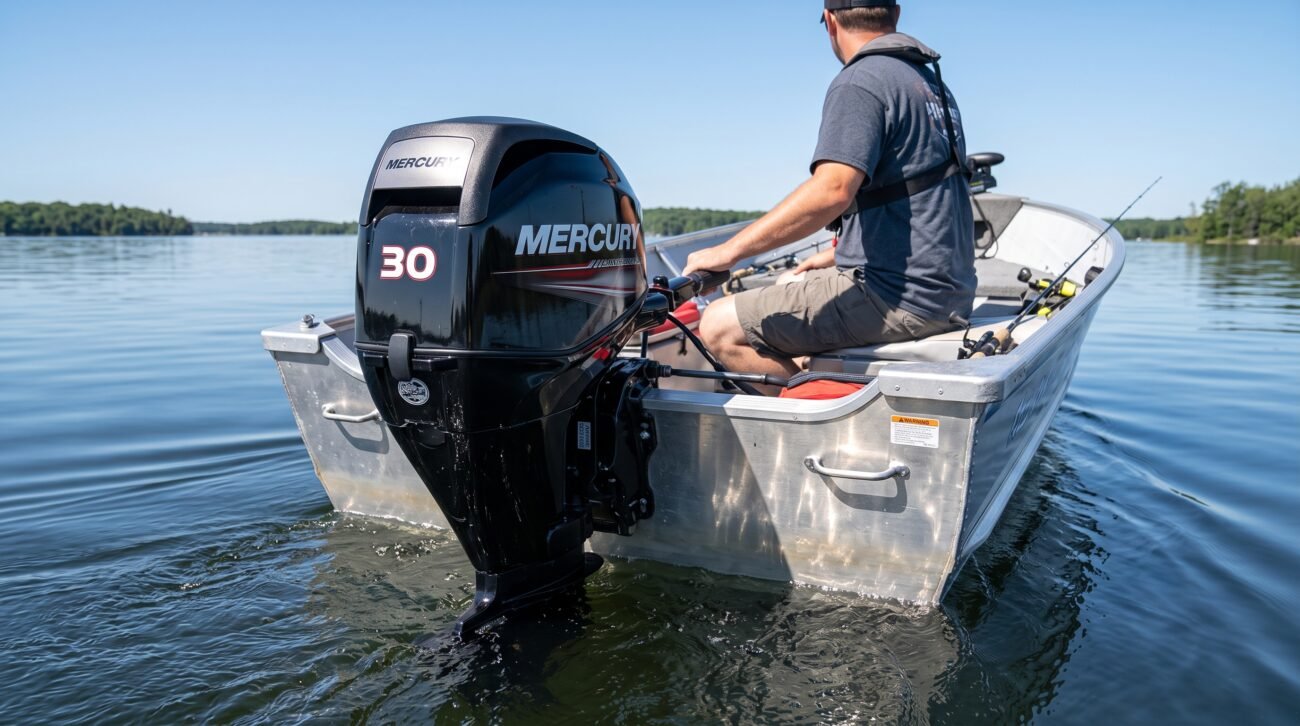
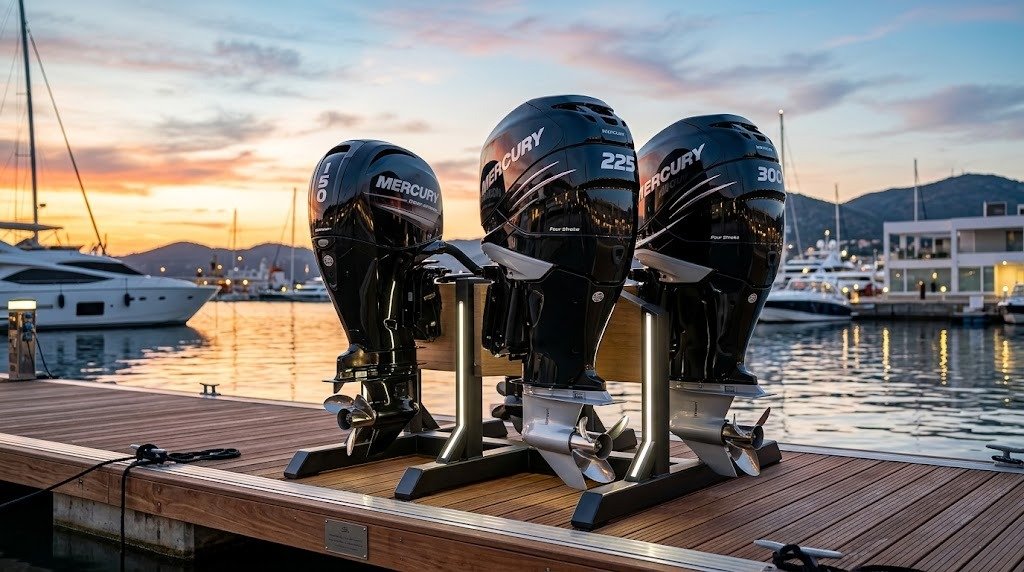
Yamaha is one of several established marine-engine manufacturers. Other major brands include Mercury, Honda Marine, and Suzuki Marine.
When comparing engines, focus on the specifications that actually matter for your boat.
Consider horsepower, engine weight, fuel system, displacement, shaft length, controls, warranty, service availability, parts availability, fuel consumption, and local dealer support.
A brand comparison becomes much more useful when it is based on equivalent horsepower classes and similar engine configurations rather than comparing unrelated models.
How Much Does a Yamaha Four Stroke Outboard Engine Cost?
The cost of a Yamaha four-stroke outboard varies considerably depending on horsepower, model, features, shaft length, controls, market, and whether the engine is new or used.
The purchase price is only one part of the total ownership cost.
Buyers should also consider installation, rigging, controls, propeller, batteries, fuel system components, routine maintenance, storage, and potential repairs.
New vs. Used Yamaha Outboards
A new engine usually provides the benefit of a new warranty and known operating history. However, it can have a higher initial purchase price.
A used Yamaha outboard can cost less, but its condition is extremely important. Engine hours alone do not tell the complete story.
A well-maintained engine with more hours can potentially be a more sensible purchase than a poorly maintained engine with fewer hours.
Buying a Used Yamaha Four Stroke Outboard Engine
If you are considering a used Yamaha four-stroke outboard, inspect it carefully before completing the purchase.
Check Maintenance Records
Maintenance records can reveal whether the previous owner followed recommended service intervals.
Look for evidence of oil changes, gear-oil service, spark-plug replacement, cooling-system maintenance, and other relevant work.
Inspect the Lower Unit
The lower unit should be checked for physical damage, corrosion, oil leaks, and other warning signs.
The propeller should also be inspected for dents, cracks, and excessive wear.
Check Engine Hours
Engine hours provide useful information but should not be considered the only measure of engine condition.
Ask how the engine was used. An engine that spent most of its time properly maintained at moderate operating conditions may have a different wear pattern from one that was frequently operated under heavy loads.
Perform a Proper Test
If possible, the engine should be tested under operating conditions rather than purchased solely from photographs.
Starting performance, idle quality, acceleration, shifting, cooling-water flow, vibration, and warning systems should all be evaluated appropriately.
For an expensive used engine, having a qualified marine technician perform an inspection can provide additional information before purchase.
Tips for Getting Better Performance From Your Yamaha Four Stroke Outboard
Once you have the correct engine, proper setup and operation can make a significant difference.
Use the propeller recommended for your specific boat and engine combination. Keep the propeller free of damage and fishing line.
Follow the manufacturer’s maintenance schedule and use appropriate lubricants and replacement parts.
Avoid unnecessary weight in the boat and distribute passengers and equipment appropriately.
Keep the hull clean and in good condition because excess resistance can increase fuel consumption.
Most importantly, learn how your engine’s normal sounds, vibration, temperature, and performance feel. Recognizing a change early can help prevent a minor issue from becoming a major repair.
Yamaha Four Stroke Outboard Engine Safety
Engine performance should always be balanced with safe boating practices.
Before leaving the dock, check the fuel system, battery, steering, controls, bilge, navigation equipment, and safety equipment.
Always follow local boating regulations and carry the required safety equipment for your area.
The U.S. Coast Guard provides boating safety information covering topics such as life jackets, navigation, emergency preparedness, and safe operation. U.S. Coast Guard Boating Safety
For international boaters, local maritime authorities may have different requirements, so always check the rules that apply to your location.
FAQs
Are Yamaha four stroke outboard engines reliable?
Yamaha four-stroke outboards are designed for marine applications and are widely used for recreational and commercial boating. Reliability still depends on correct installation, appropriate use, regular maintenance, fuel quality, and the condition of the individual engine.
Are Yamaha four stroke outboards fuel efficient?
Fuel efficiency varies by engine model, boat design, load, propeller, speed, and operating conditions. Modern fuel-injected four-stroke engines can provide efficient fuel delivery, but actual fuel consumption should be evaluated for the specific boat and engine combination.
How long can a Yamaha four stroke outboard engine last?
There is no single lifespan that applies to every Yamaha four-stroke outboard. Maintenance history, engine hours, operating conditions, corrosion exposure, storage, and servicing can all affect longevity.
A properly maintained engine can provide many years of service, while neglected maintenance can significantly shorten its useful life.
Is a four-stroke outboard better than a two-stroke?
Four-stroke and two-stroke engines have different characteristics. Four-stroke engines are often selected for smooth operation, fuel efficiency, and modern emissions performance. The right choice depends on the boat, intended use, engine specifications, regulations, and owner’s priorities.
What horsepower Yamaha outboard do I need?
The correct horsepower depends on the boat manufacturer’s recommendations, hull design, weight, passenger capacity, and intended use. Always check the boat’s maximum horsepower rating before purchasing an engine.
How often should a Yamaha four stroke outboard be serviced?
Service intervals vary by model and operating conditions. Follow the maintenance schedule provided for the exact engine model and year. If you operate in demanding conditions, ask a qualified marine technician whether additional inspection or service is appropriate.
What should I check before buying a used Yamaha four stroke outboard?
Check maintenance records, engine hours, lower-unit condition, propeller condition, corrosion, oil condition, starting behavior, cooling-water flow, shifting, vibration, and overall engine performance. A professional inspection can be worthwhile for a high-value purchase.
Final Thoughts
A Yamaha four stroke outboard engine can be a practical choice for boat owners looking for a combination of performance, smooth operation, fuel efficiency, and modern marine-engine technology. Yamaha’s four-stroke lineup covers different horsepower categories, allowing the technology to be used on a wide variety of boats and for different types of boating activities.
The most important step is choosing an engine that actually matches the boat. Horsepower, engine weight, shaft length, propeller selection, hull design, passenger load, and intended use all influence the final result. Buying more horsepower than the boat can properly handle does not automatically mean better performance.
Maintenance is equally important. Regular oil and filter service, cooling-system checks, propeller inspections, gear-oil changes, and proper storage can help keep an outboard operating reliably. If you are buying used, maintenance history and actual engine condition deserve more attention than appearance alone.
Fuel economy should also be viewed as part of the complete boat setup. Engine size, throttle position, hull condition, propeller choice, and load can all affect fuel consumption. With the right engine, proper setup, and responsible maintenance, a Yamaha four-stroke outboard can provide dependable propulsion for fishing, cruising, family boating, and many other activities on the water.


One thought on “Yamaha Four Stroke Outboard Engine: Powerful Performance, Better Fuel Economy & Expert Buying Guide”