
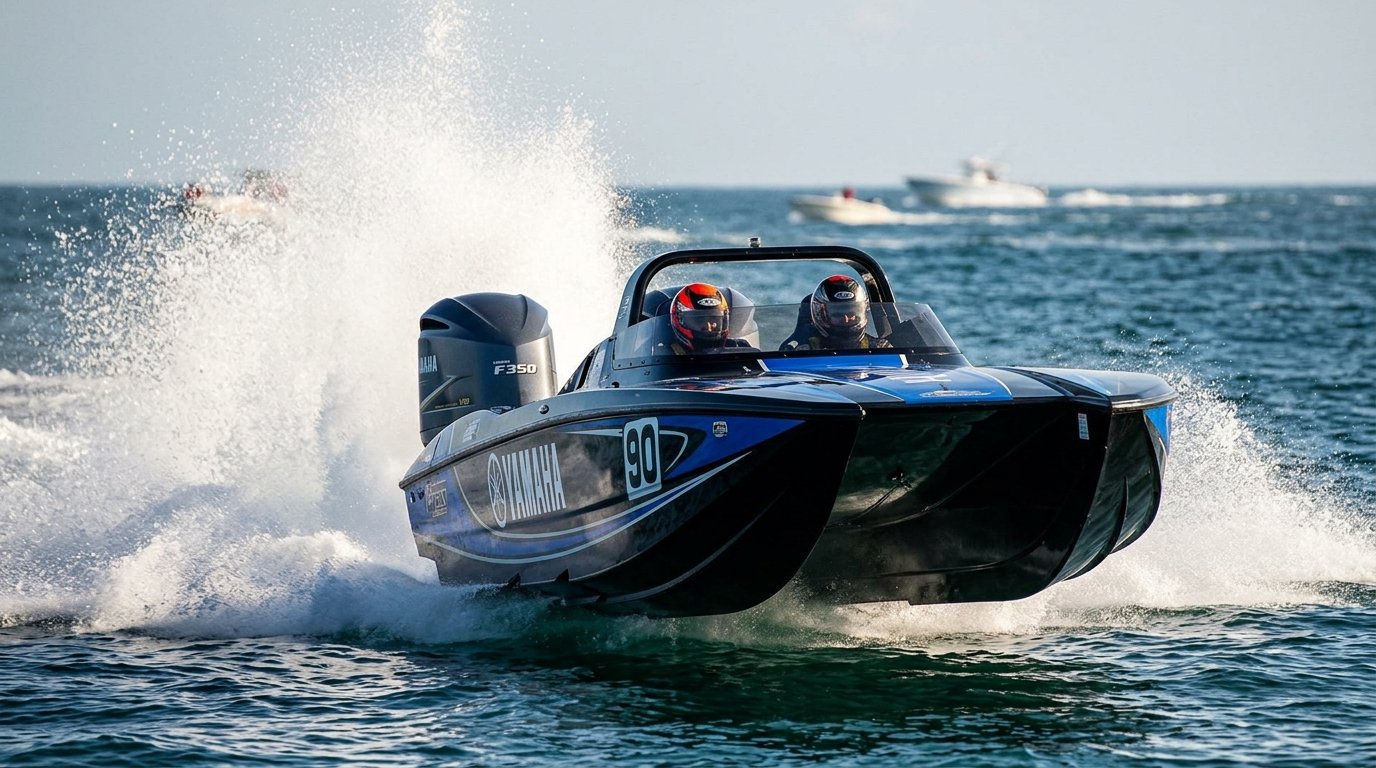
Choosing the right engine can have a major impact on the way a boat performs, handles, and operates on the water. For boat owners who want stronger acceleration, higher cruising capability, responsive handling, and dependable power, high performance outboard engines have become an important choice. Modern outboard technology has developed significantly, combining powerful engine designs with advanced fuel systems, electronic controls, improved cooling systems, and efficient power delivery. These developments allow boat owners to enjoy impressive performance without relying only on larger and heavier engines.
High performance outboard engines are designed for demanding marine applications where power, responsiveness, durability, and efficiency matter. They can be used across different types of boats, depending on the engine specifications and the manufacturer’s recommendations. However, selecting a suitable engine requires more than simply choosing the highest horsepower available. Boat size, hull design, weight, intended use, fuel consumption, engine weight, maintenance requirements, and operating conditions all influence the right choice.
Understanding how these engines work and what features contribute to their performance can make the buying process much easier. A well-matched outboard engine can provide smooth acceleration, reliable cruising performance, better control, and efficient operation. This guide explains the important characteristics of high performance outboard engines, the technologies behind them, factors to consider before buying, maintenance requirements, performance improvements, and important safety considerations.
What Are High Performance Outboard Engines?
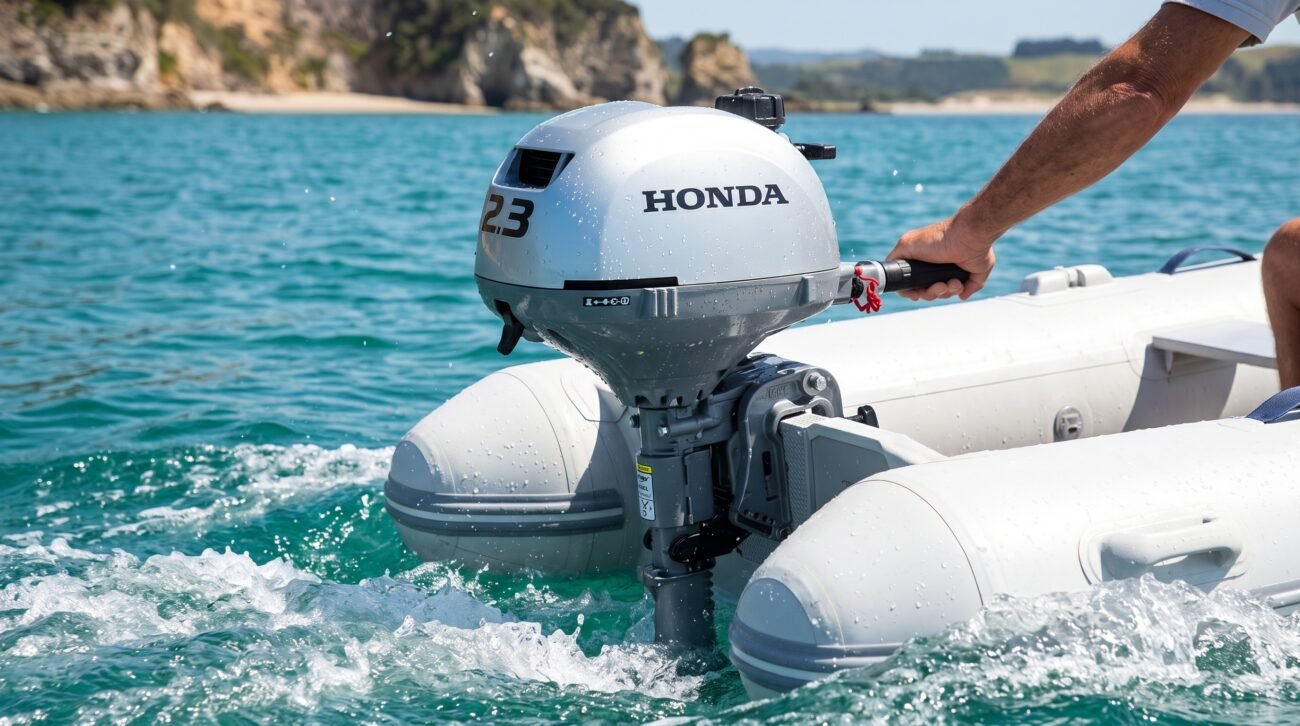
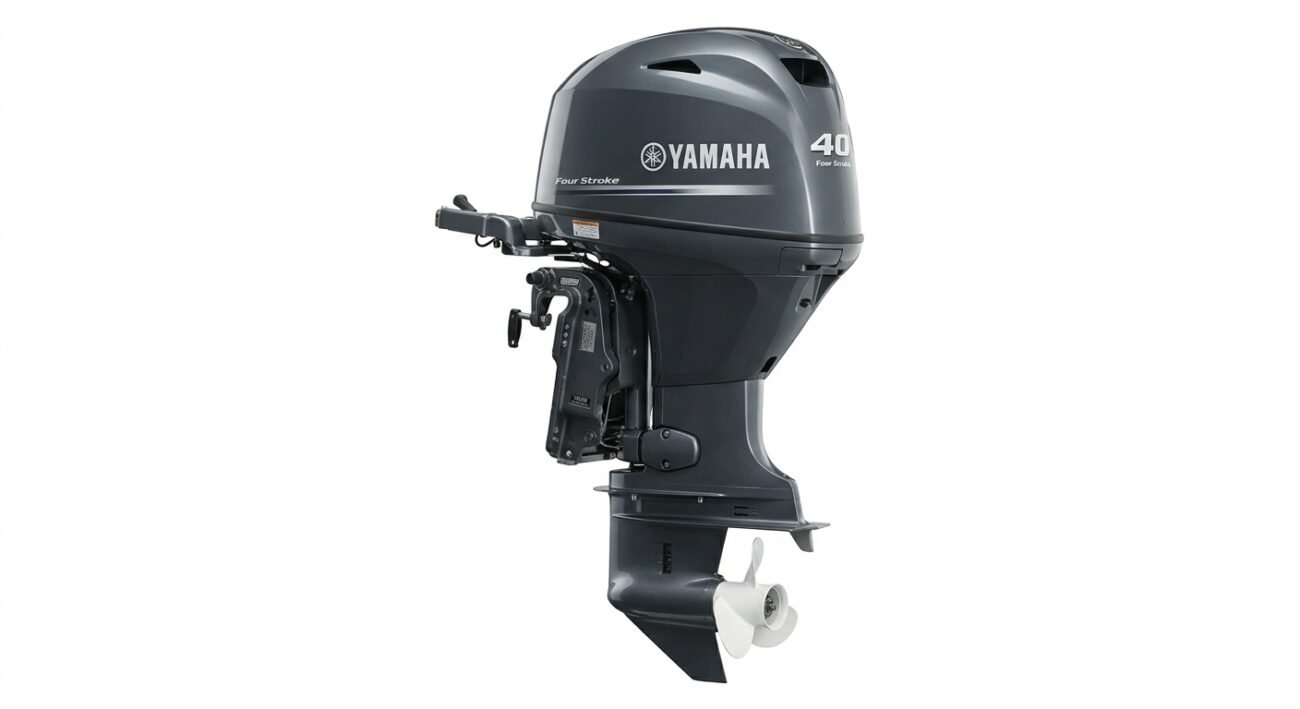
High performance outboard engines are marine propulsion systems designed to provide strong power delivery, responsive acceleration, reliable operation, and efficient performance under demanding conditions. Unlike basic engines designed primarily for simple transportation, performance-focused outboards are engineered with technologies that improve how power is produced and transferred to the propeller. Their design often includes advanced fuel injection systems, optimized combustion, sophisticated engine management, improved cooling, electronic controls, and lightweight construction.
Performance is not determined by horsepower alone. An engine can have a high horsepower rating but still perform differently depending on its weight, torque characteristics, propeller setup, boat hull, gear ratio, and electronic management system. A well-designed performance outboard combines these elements to deliver usable power throughout the operating range. This balance helps the boat accelerate efficiently while maintaining stable and predictable handling.
Modern high performance outboard engines can also provide improved control through digital technologies. Electronic throttle and shift systems can make acceleration and gear changes smoother, while integrated monitoring systems can provide information about engine conditions. These technologies help improve the overall boating experience while also allowing the operator to monitor important engine parameters during operation.
Why Performance Matters in an Outboard Engine
Performance is important because the engine is one of the primary components responsible for moving a boat through the water. The right engine can influence acceleration, cruising speed, fuel consumption, handling, and overall comfort. When the engine is properly matched with the boat, the available power can be used more efficiently and the boat can reach its intended operating characteristics without unnecessary strain.
Acceleration is especially important for boats that frequently change speed or need quick response from the throttle. Strong torque and efficient power delivery allow the boat to move onto plane more effectively. Once the boat is on plane, the engine continues to provide propulsion while maintaining a suitable operating speed.
Performance also affects how the boat behaves under different loads. Passengers, equipment, fuel, fishing gear, and other onboard weight can influence acceleration and cruising characteristics. An appropriately selected outboard can maintain more consistent performance as operating conditions change, provided the boat remains within its recommended capacity.
Reliability is another important part of performance. An engine that produces impressive power but requires constant repairs may not provide a satisfactory ownership experience. For this reason, high performance should be considered together with durability, maintenance requirements, fuel efficiency, service support, and long-term operating costs.
Key Features of High Performance Outboard Engines
Several technologies contribute to the performance of modern outboard engines. One of the most important is the fuel delivery system. Modern engines commonly use electronic fuel injection to deliver fuel more precisely than older mechanical systems. Accurate fuel delivery can support consistent combustion and responsive throttle operation while helping the engine use fuel efficiently.
Engine management systems also play an important role. Electronic control units continuously manage different engine functions according to operating conditions. Sensors can monitor factors such as engine temperature, throttle position, air conditions, and other parameters. The control system can then adjust engine operation to maintain suitable performance.
Cooling technology is equally important because marine engines generate significant heat during operation. An effective cooling system helps maintain appropriate operating temperatures and protects internal components from excessive heat. Proper cooling can contribute to engine durability and consistent performance, particularly when the engine is operating under heavy load.
Modern outboards may also feature electronic throttle and shift systems. These systems replace or reduce the need for traditional mechanical control connections and can provide smooth and precise control. The result can be more predictable throttle response and easier shifting.
Weight is another major consideration. A powerful engine that is unnecessarily heavy can affect the boat’s balance and performance. Manufacturers therefore continue to develop lighter materials and compact designs that allow engines to produce substantial power without excessive weight.
How Horsepower Affects Boat Performance
Horsepower is one of the most visible specifications when comparing outboard engines, but it should not be considered independently. The correct horsepower depends on the boat’s design, weight, hull characteristics, capacity, and intended operating conditions. Every boat has manufacturer specifications that should be followed when selecting an engine.
More horsepower can provide stronger acceleration and greater performance potential when the boat is designed to handle it. However, installing an engine beyond the boat’s approved capacity can create serious safety and handling problems. The maximum recommended horsepower should always be respected.
The relationship between engine power and boat performance also depends on hull design. A lightweight performance-oriented hull may respond differently to an engine than a heavy displacement-oriented hull. The propeller, gear ratio, engine mounting height, and trim position also influence how efficiently the available horsepower is converted into forward movement.
Torque characteristics are another important consideration. Horsepower describes the rate at which work can be performed, while torque represents rotational force. In practical boating conditions, strong torque can help the engine accelerate the boat and maintain propulsion under load. Therefore, buyers should consider the complete engine design rather than focusing only on the horsepower number.
Fuel Efficiency and High Performance Outboard Engines
Fuel efficiency has become increasingly important for modern boat owners. High performance does not necessarily mean that an engine must consume excessive amounts of fuel. Advanced engine technology can improve combustion efficiency and allow the engine to produce useful power while managing fuel consumption more effectively.
Electronic fuel injection is one of the technologies that contributes to fuel management. By controlling fuel delivery more precisely, the engine can adjust its operation according to throttle position and other operating conditions. This can help reduce unnecessary fuel use and support smoother operation.
Boat setup also has a significant effect on fuel efficiency. An incorrectly selected propeller can cause the engine to operate outside its ideal range. Excessive boat weight, dirty hull surfaces, poor engine height, and improper trim can also increase resistance and fuel consumption.
Operating habits matter as well. Constantly operating at maximum throttle generally requires significantly more fuel than maintaining an appropriate cruising speed. Finding an efficient cruising range can provide a balance between speed, comfort, and fuel consumption.
Types of High Performance Outboard Engines
Outboard engines are available in different designs, with four-stroke engines being widely used in modern recreational and commercial boating. Four-stroke technology can provide smooth operation, strong low-speed characteristics, and efficient fuel management. These engines are often designed with advanced electronic systems and modern emissions technology.
Two-stroke engines have historically been associated with high power-to-weight ratios and responsive performance. Modern direct-injection two-stroke technologies have improved efficiency compared with older carbureted designs. However, availability and regulations vary by market, so buyers should consider current local requirements.
Some performance-focused engines use advanced induction technologies to increase power output. Forced induction systems can push additional air into the engine, allowing the engine to produce more power from a given displacement. These systems require sophisticated engineering and careful maintenance because they operate under demanding conditions.
Electric outboard technology is another developing area. Electric motors can provide instant torque, quiet operation, and low local emissions. Battery capacity, charging infrastructure, operating range, and weight remain important considerations when comparing electric propulsion with conventional high performance engines.
Performance Features to Look For
When evaluating high performance outboard engines, buyers should examine the complete set of performance features rather than focusing on horsepower alone. A modern electronic fuel injection system can improve throttle response and fuel control. Electronic throttle and shift technology can make operation smoother and more precise.
Power trim and tilt are also valuable features. These systems allow the operator to adjust the engine angle relative to the boat. Proper trim can influence acceleration, handling, fuel consumption, and cruising performance. Being able to adjust the engine position quickly gives the operator greater control over different water conditions.
Digital monitoring systems can provide information about engine temperature, oil pressure, operating hours, fuel consumption, and other parameters depending on the engine. Such information can help operators identify potential issues before they become major problems.
Steering compatibility should also be considered. Higher-powered engines can generate substantial steering forces, making appropriate steering systems important for safe and comfortable operation. Hydraulic and electronic steering technologies can provide improved control depending on the boat and engine configuration.
Choosing the Right High Performance Outboard Engine
Selecting the right engine begins with understanding the boat. The boat’s length, weight, hull design, maximum horsepower rating, transom height, and intended use all influence engine selection. The manufacturer’s specifications should be treated as the starting point for the decision.
The intended use of the boat is also important. A boat used primarily for cruising may have different requirements from one used for watersports, fishing, offshore travel, or performance-oriented recreation. The preferred balance between speed, fuel efficiency, range, and acceleration can change depending on how the boat is operated.
Engine weight should not be ignored. Installing a significantly heavier engine can change the boat’s balance and affect how the hull sits in the water. A suitable engine should provide the required power while remaining compatible with the boat’s structural and weight limitations.
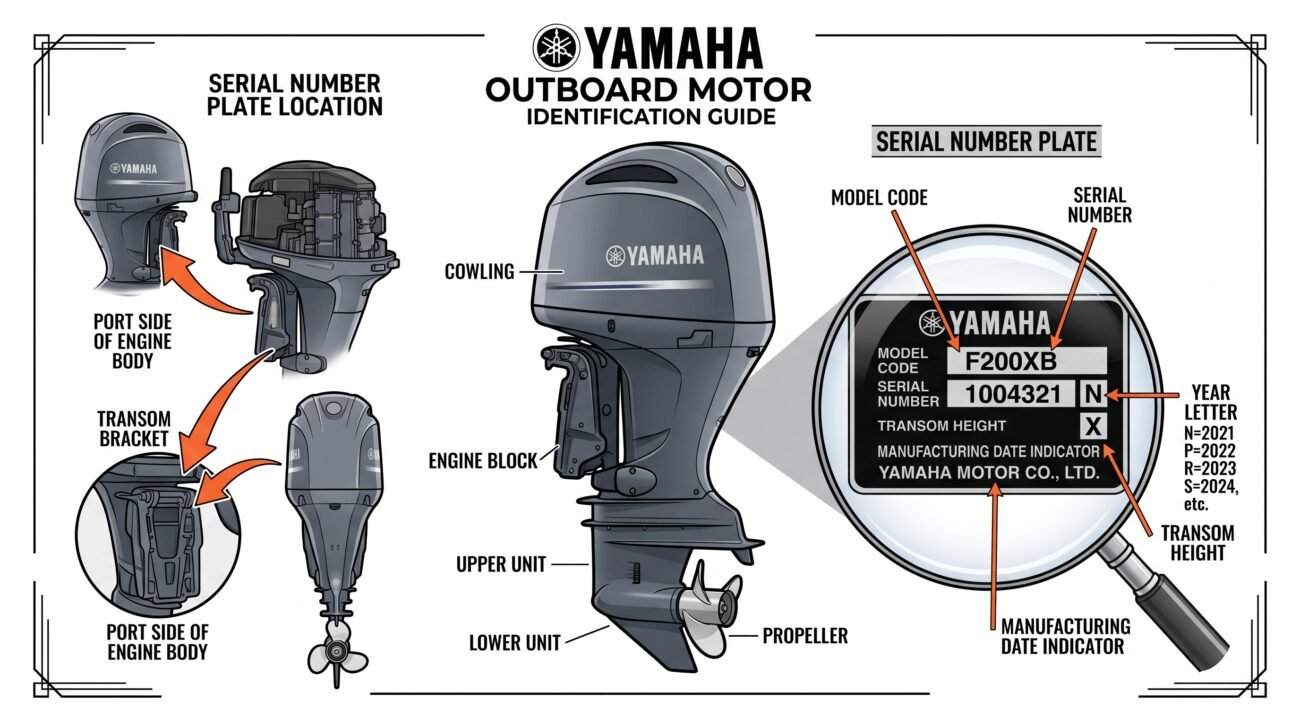
Maintenance access is another practical consideration. An engine with easily accessible service components can make routine maintenance more convenient. Buyers should also investigate the availability of authorized service centers and replacement parts in their region.
Warranty coverage can influence long-term ownership costs as well. Understanding warranty conditions, scheduled maintenance requirements, and authorized service requirements before purchase can help avoid unexpected issues later.
High Performance Outboard Engines for Different Boats
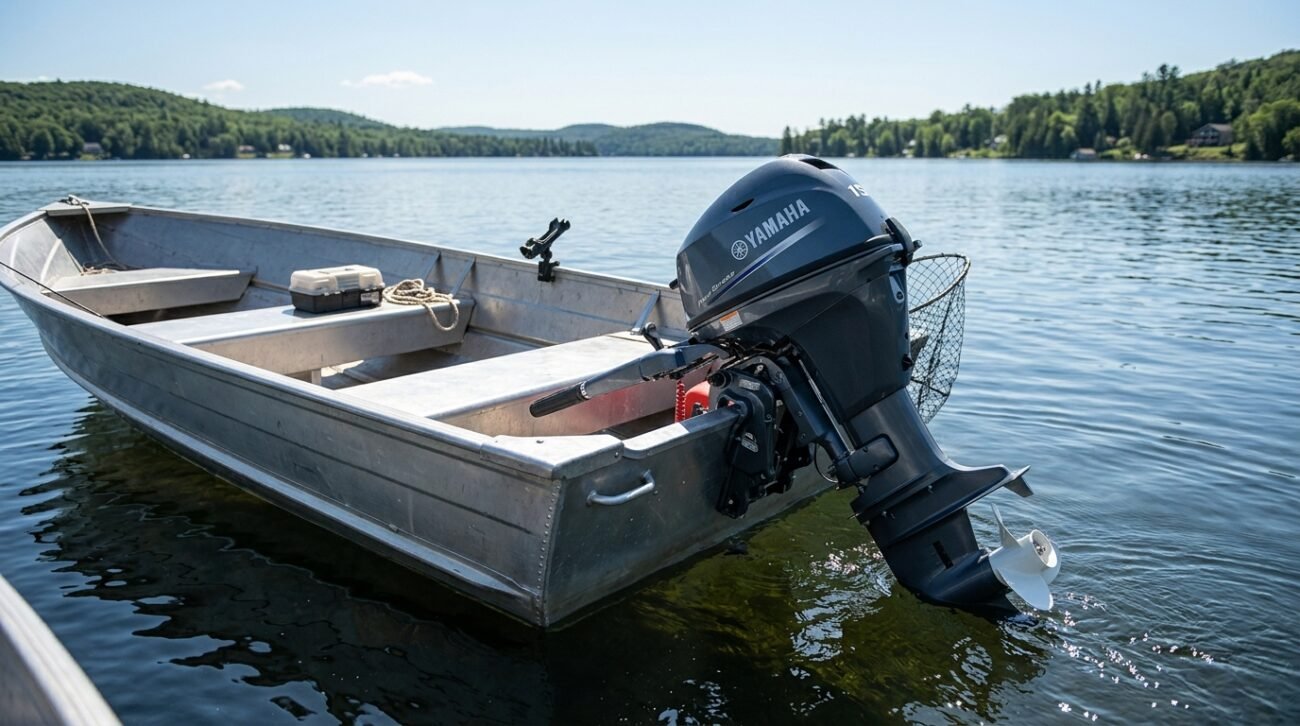
Different boat designs require different propulsion characteristics. Fishing boats often benefit from reliable low-speed control, efficient cruising, and sufficient power for moving through changing water conditions. The engine must also work effectively while carrying passengers, fishing equipment, fuel, and other gear.
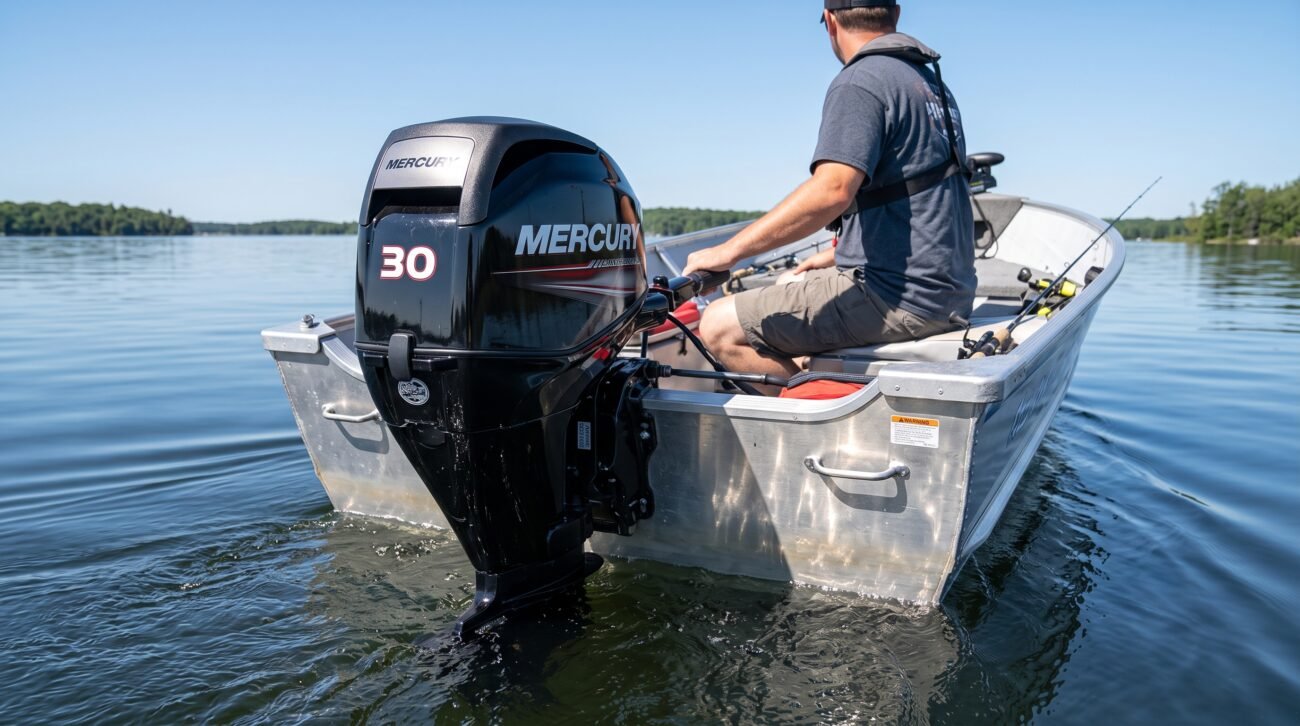
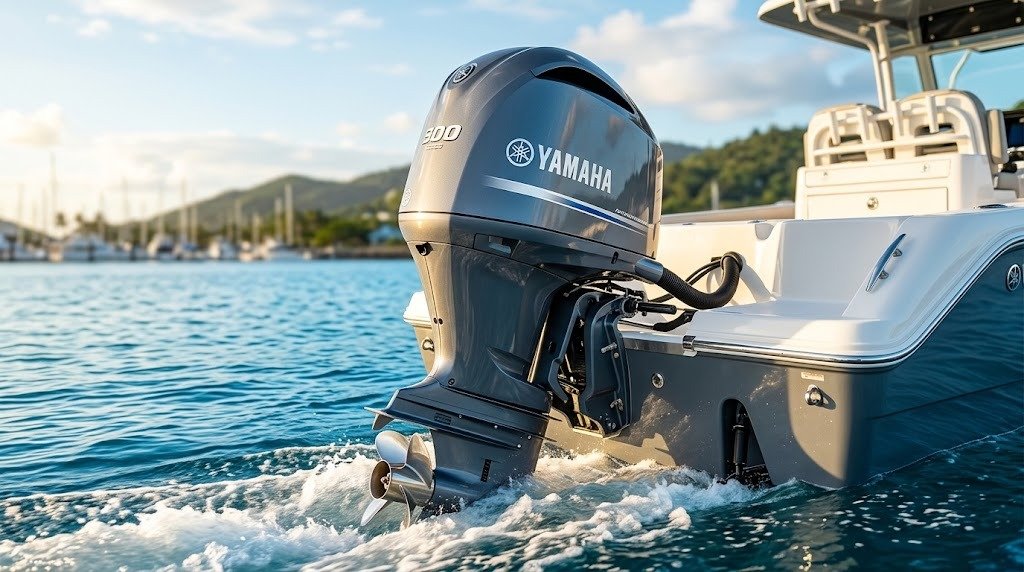
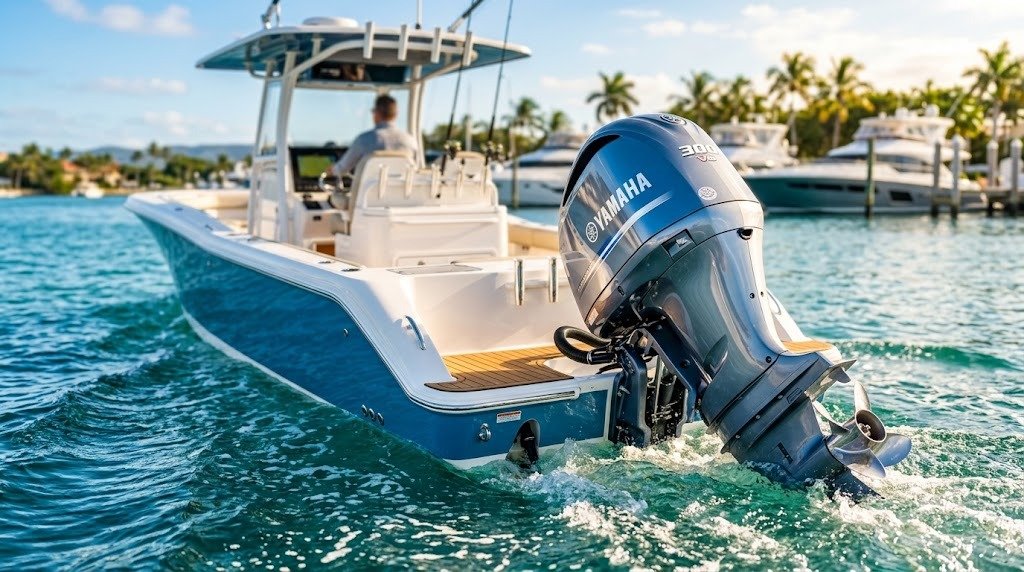
Center-console boats can use performance-oriented outboards for recreational cruising, offshore travel, and fishing. These boats often require a combination of acceleration, cruising range, handling, and dependable operation.
Pontoon boats have different performance characteristics because of their hull configuration and overall weight. Engine selection must account for the pontoon’s size, passenger capacity, deck configuration, and intended operating conditions.
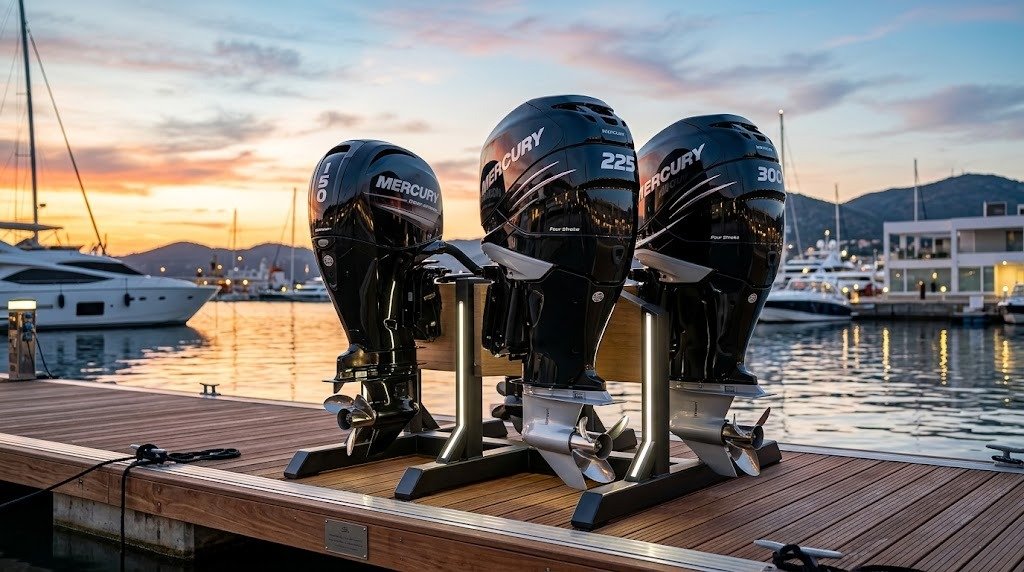
Performance boats are designed around higher speeds and responsive handling. These boats may benefit from specialized engines, propellers, steering systems, and rigging designed to work together as a complete propulsion package.
Regardless of boat type, the most important principle is proper matching. The engine should be compatible with the boat’s specifications rather than selected simply because it has a higher horsepower rating.
Propeller Selection and Engine Performance
The propeller is one of the most important components in the propulsion system because it transfers engine power into the water. Even an advanced outboard engine cannot perform efficiently if it is paired with an unsuitable propeller.
Propeller diameter, pitch, blade design, material, and number of blades can influence acceleration, top-end performance, handling, and engine operating range. The appropriate propeller should allow the engine to operate within the manufacturer’s recommended wide-open-throttle range.
A propeller with excessive pitch can place additional load on the engine and reduce acceleration. A propeller with insufficient pitch can allow the engine to reach excessive revolutions without effectively converting that speed into forward movement. Therefore, propeller selection should be based on the boat, engine, load, and intended use.
Propeller condition also matters. Bent blades, damaged edges, corrosion, or other physical problems can create vibration and reduce efficiency. Regular inspection can help maintain consistent performance.
How to Improve Outboard Engine Performance
Proper maintenance is one of the simplest ways to preserve performance. An engine that is regularly serviced can operate more consistently than one that is neglected. Oil, filters, spark plugs, cooling components, fuel systems, and other service items should be maintained according to the manufacturer’s schedule.
Boat weight should also be managed carefully. Carrying unnecessary equipment increases the load on the propulsion system and can reduce acceleration and fuel efficiency. Keeping the boat properly organized can contribute to better overall performance.
Hull cleanliness is another important factor. Marine growth and accumulated debris can increase drag and make it harder for the boat to move efficiently through the water. Regular hull cleaning can help maintain performance.
Engine mounting height and trim position can influence propulsion efficiency. These settings should be established according to the manufacturer’s recommendations and the boat’s configuration. Incorrect adjustments can reduce performance or cause handling problems.
Using the correct fuel and lubricants is also essential. Modern engines are engineered around specific fuel and lubrication requirements. Following the manufacturer’s specifications can help protect internal components and maintain proper operation.
Maintenance of High Performance Outboard Engines
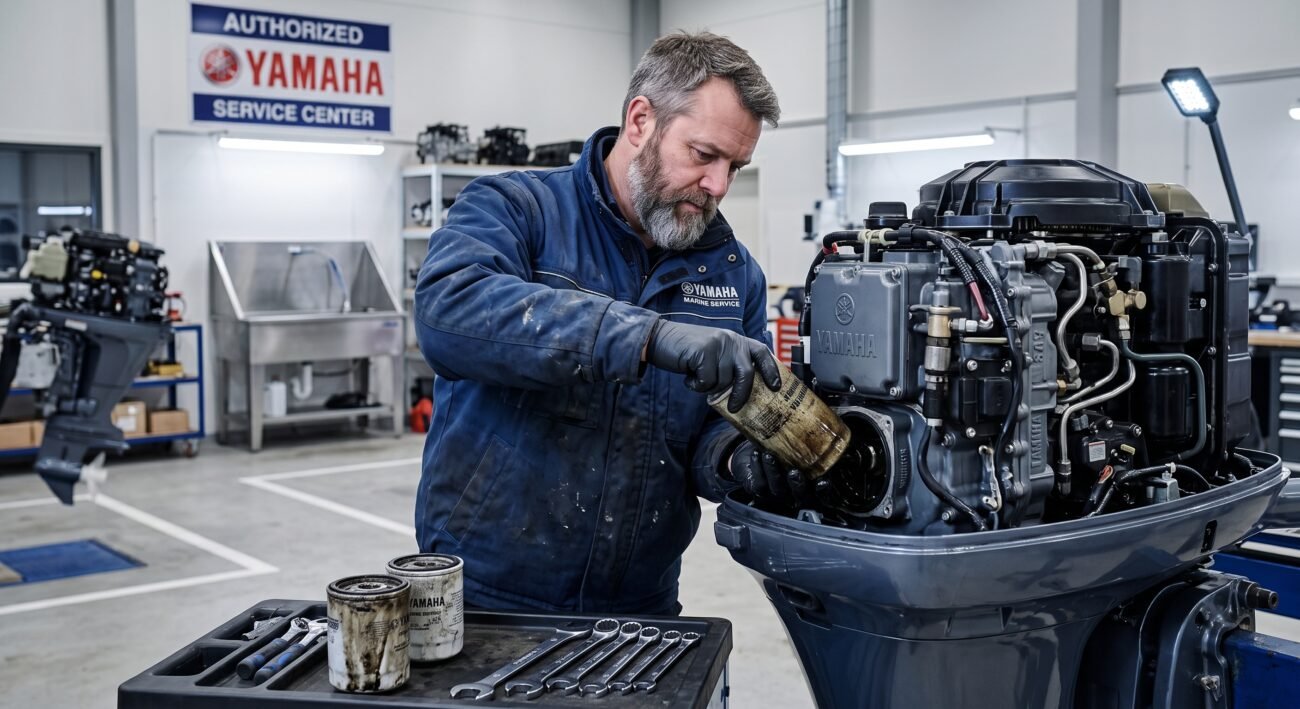
Regular maintenance is essential for protecting both performance and reliability. Engine oil and filters should be replaced according to the manufacturer’s recommended service intervals. Proper lubrication reduces friction and helps protect internal engine components.
The cooling system should also be inspected regularly. Water passages, water pumps, thermostats, and related components must function correctly to maintain appropriate engine temperatures. Overheating can cause significant damage if it is ignored.
Fuel-system maintenance is equally important. Modern fuel systems contain precision components that can be affected by contaminated fuel, water, deposits, or improper storage. Fresh, appropriate fuel and proper storage procedures can reduce potential problems.
Spark plugs should be inspected and replaced according to the engine manufacturer’s requirements. Their condition can provide useful information about combustion and engine operation. Electrical connections and battery systems should also be checked periodically.
The propeller and lower unit require regular inspection. Fishing line, debris, impact damage, corrosion, or lubricant problems can affect the lower unit and propeller. Early detection of these issues can prevent more expensive repairs.
Common Problems With Performance Outboard Engines
Even advanced engines can experience problems if they are poorly maintained or operated under unsuitable conditions. Overheating is one of the most important issues because it can damage internal components. A restricted cooling system, damaged water pump, or insufficient water flow can contribute to overheating.
Starting problems can result from battery issues, fuel delivery problems, ignition components, or electronic faults. Diagnosing the exact cause is important because modern engines contain multiple interconnected systems.
Poor acceleration may be associated with incorrect propeller selection, excessive boat weight, fuel-system problems, engine configuration, or mechanical issues. The engine should be inspected systematically rather than assuming that additional horsepower is required.
Excessive vibration can indicate propeller damage, misalignment, mounting problems, or other mechanical issues. Continuing to operate an engine with unusual vibration can potentially cause additional damage.
Electronic warning systems should never be ignored. Modern engines may detect abnormal conditions and provide warnings to the operator. Following the manufacturer’s diagnostic procedures can help identify problems before they become more serious.
High Performance Outboard Engines vs Standard Outboards
The primary difference between performance-oriented and standard outboard engines is usually the combination of power, technology, response, and intended operating conditions. Standard engines can provide reliable propulsion for general boating, while performance-focused engines are designed to deliver stronger acceleration and greater power capability.
High performance outboard engines may incorporate more advanced electronic controls, specialized engine management, stronger components, sophisticated induction systems, and optimized cooling. These technologies can increase the engine’s performance potential but may also increase purchase and maintenance costs.
Fuel consumption can vary considerably depending on engine size, boat design, load, propeller setup, and operating speed. A larger performance engine may consume more fuel at high output, while an efficient modern engine can still provide reasonable economy during normal cruising.
Maintenance requirements can also differ. More sophisticated engines may require specialized diagnostic equipment and trained technicians. Buyers should therefore consider the availability of qualified service providers before purchasing a high-output engine.
Cost Considerations
The initial purchase price is only one part of the total cost of owning a high performance outboard. Installation, rigging, controls, steering, propeller selection, fuel consumption, maintenance, insurance, and replacement parts can all contribute to long-term ownership expenses.
A more powerful engine may require upgraded steering or control systems. The boat may also require appropriate transom strength and compatible electrical equipment. These additional components should be considered when calculating the overall investment.
Fuel costs are influenced heavily by operating habits. High-speed operation generally requires more power and therefore more fuel. A carefully selected engine that provides the necessary performance without excessive capacity can help balance performance and operating costs.
Maintenance should also be included in the ownership budget. Regular servicing is not simply an expense; it is part of protecting the engine and reducing the risk of major failures. Preventive maintenance can be especially important for sophisticated high-output engines.
Safety Considerations
Safety should always remain a priority when operating a high-powered boat. More engine power can increase acceleration and speed, which means operators must understand how the boat responds at different speeds and conditions.
The engine should never exceed the boat manufacturer’s maximum recommended horsepower. The transom, steering system, controls, and other components must be suitable for the selected engine.
Passengers should be positioned safely, and the operator should follow local boating regulations. Appropriate personal flotation devices and emergency equipment should be available according to applicable requirements.
Weather and water conditions should also influence operating decisions. High-performance propulsion does not eliminate the risks associated with rough water, poor visibility, strong currents, or changing weather conditions.
Regular inspection before departure can identify loose connections, damaged propellers, fuel problems, low fluid levels, or other potential issues. A short pre-operation check can help reduce avoidable problems on the water.
Long-Term Reliability of High Performance Outboard Engines
Reliability depends on engine design, maintenance, operating conditions, installation quality, and usage patterns. A high-performance engine that is maintained according to manufacturer requirements can provide many years of service.
Proper installation is particularly important. The engine must be mounted correctly, electrical connections must be secure, cooling and fuel systems must be installed properly, and controls must be compatible with the engine.
Operating an engine within its recommended limits also supports reliability. Continuous operation at maximum output can place greater stress on mechanical components compared with normal cruising operation.
Storage conditions can influence long-term durability as well. Proper preparation before extended storage can protect the fuel system, cooling system, electrical components, and internal engine parts.
Buying New vs Used High Performance Outboard Engines
Buying a new engine provides access to current technology, manufacturer warranty coverage, and a known service history. A new engine can also be configured specifically for the boat and may include updated electronic systems and improved efficiency.
Used engines can provide access to performance technology at a lower initial cost, but their condition must be evaluated carefully. Engine hours, maintenance records, service history, corrosion, compression, lower-unit condition, electrical systems, and propeller condition are important considerations.
A professional marine technician can perform an inspection before a used engine is purchased. This can help identify mechanical or electrical problems that may not be visible during a basic inspection.
The age of the engine should also be considered alongside its maintenance history. A well-maintained older engine may have a different ownership outlook from an engine that has been heavily used without consistent servicing.
Technology Trends in High Performance Outboard Engines
Outboard technology continues to develop as manufacturers focus on performance, efficiency, emissions, reliability, and user experience. Electronic control systems are becoming more sophisticated, allowing engines to communicate with digital displays and integrated boat systems.
Digital engine monitoring can provide operators with detailed information about engine performance and operating conditions. This information can support maintenance planning and help identify unusual behavior.
Electric propulsion is also developing rapidly. Improvements in battery technology and electric motor design are expanding the potential applications of electric outboards. Although conventional gasoline engines remain important for many high-power applications, electric propulsion is likely to continue gaining attention.
Lightweight materials and advanced manufacturing techniques are also contributing to performance improvements. Reducing engine weight while maintaining strength can improve the power-to-weight relationship and influence overall boat handling.
High performance outboard engines should always be operated and maintained according to the manufacturer’s official recommendations. Boat owners can review detailed maintenance information, safety guidance, and technical resources from the National Marine Manufacturers Association (NMMA), which provides information related to the recreational marine industry and boating practices.
How to Select the Best Engine for Your Needs
The best engine for a particular boat depends on the combination of performance requirements, boat specifications, operating conditions, budget, maintenance expectations, and personal preferences. There is no single engine configuration that is appropriate for every boat.
Start by reviewing the boat manufacturer’s horsepower and weight recommendations. Then consider how the boat will normally be used and how much load it will carry. Determine whether acceleration, cruising range, top speed, low-speed control, or fuel economy is the primary priority.
Next, compare engine specifications such as horsepower, displacement, weight, fuel system, control technology, recommended operating range, and service requirements. Warranty coverage and local service availability should also be considered.
Finally, evaluate the complete propulsion system rather than only the engine. The propeller, steering system, controls, mounting configuration, and boat hull all contribute to the final result. A properly matched system can deliver better overall performance than simply installing the most powerful engine available.
High performance outboard engines can provide powerful acceleration, responsive handling, efficient propulsion, and dependable performance when they are correctly matched to the boat. Modern technologies such as electronic fuel injection, digital engine management, electronic controls, advanced cooling systems, and improved materials have made today’s outboards more sophisticated than previous generations.
Choosing an engine should involve more than comparing horsepower figures. Boat size, hull design, engine weight, propeller selection, fuel efficiency, maintenance requirements, service availability, and intended use all contribute to the final decision. A carefully selected engine can provide the right balance of performance, reliability, operating cost, and long-term value.
Regular maintenance is equally important after the purchase. Proper servicing, clean fuel, correct lubrication, cooling-system care, propeller inspection, and appropriate storage can help preserve engine performance for years. Operating within the manufacturer’s recommended limits and following boating safety requirements can further support dependable operation.
For boat owners looking for stronger propulsion and modern marine technology, high performance outboard engines offer a wide range of options. The most important goal is not simply choosing the engine with the highest power rating, but selecting a complete propulsion system that works efficiently and safely with the boat. With proper research, professional installation, regular maintenance, and responsible operation, a performance-focused outboard can become a reliable and powerful part of the boating experience.