


A 15 horsepower outboard engine is a practical and versatile choice for boat owners who need a useful balance between power, portability, fuel efficiency, and dependable performance. This engine size is widely considered suitable for many small and medium-sized boats where a compact but capable propulsion system is required. It can provide enough power for recreational boating, fishing, transportation, and general water activities without the added weight and complexity of much larger marine engines.
Choosing the right outboard engine is an important decision because the engine affects speed, handling, fuel consumption, safety, and the overall boating experience. A 15 horsepower outboard engine can be an excellent option when its specifications match the boat, load, water conditions, and intended use. However, horsepower alone should not determine a purchase. Engine weight, shaft length, fuel system, starting system, cooling design, maintenance requirements, and manufacturer support are also important considerations.
Modern 15 horsepower outboard engines are available in different configurations and technologies. Four-stroke engines are known for smooth operation, improved fuel efficiency, and reduced emissions, while two-stroke designs can offer simplicity and a lighter overall package in markets where they remain available. Understanding the differences between these configurations can help boat owners make a more informed decision.
This comprehensive guide explores the important aspects of a 15 horsepower outboard engine, including performance, fuel efficiency, features, maintenance, operating considerations, buying factors, and long-term ownership. Whether the goal is fishing, recreational boating, or everyday utility use, understanding how a 15 HP outboard works can make the selection process easier and more practical.
What Is a 15 Horsepower Outboard Engine?
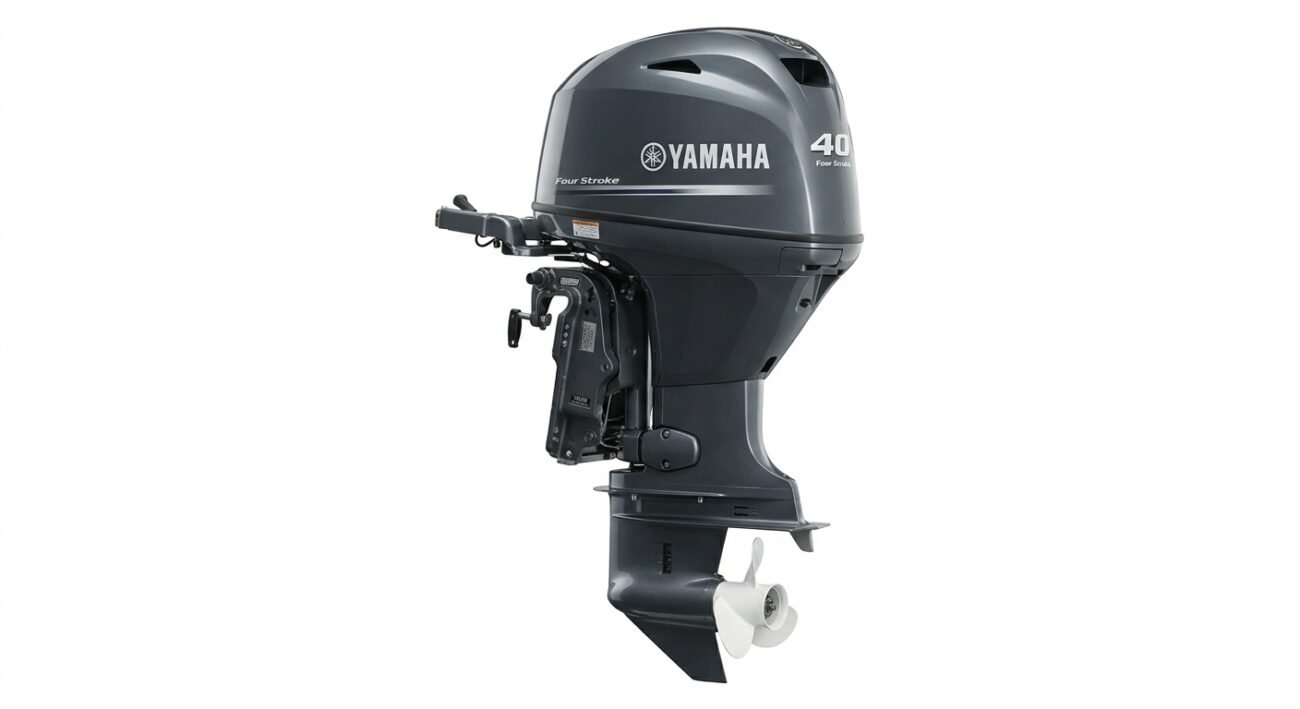
A 15 horsepower outboard engine is a marine propulsion system designed to provide approximately 15 horsepower of mechanical output for moving a boat through water. Unlike an inboard engine, an outboard engine combines the engine, gearbox, propeller shaft, and propeller into a single external unit mounted on the transom of a boat. This design makes the engine relatively easy to install, remove, service, and replace.
The 15 horsepower rating describes the approximate power produced by the engine under specified operating conditions. It does not directly indicate the speed a boat will reach because boat speed depends on many additional factors. Hull design, total weight, water conditions, propeller selection, engine mounting height, passenger load, and boat configuration all influence the final performance.
One of the main advantages of a 15 horsepower outboard engine is its balance between capability and manageable size. Smaller engines may be easier to carry but can struggle when a boat carries several passengers or additional equipment. Larger engines provide more power but may add substantial weight, fuel consumption, and cost. A 15 HP engine occupies a useful middle position for many small-boat applications.
Outboard engines also provide steering and propulsion through the same external assembly. Depending on the model, steering can be controlled through a tiller handle or a remote steering system. The ability to tilt the engine out of the water is another useful feature because it can help protect the lower unit during transportation, storage, or shallow-water operation when used according to manufacturer instructions.
Performance of a 15 Horsepower Outboard Engine
Performance is one of the most important factors when choosing a 15 horsepower outboard engine. The engine should provide sufficient thrust to move the boat efficiently while maintaining stable and predictable handling. A properly matched 15 HP engine can deliver responsive acceleration and useful cruising performance for many small boats.
Boat performance depends heavily on the relationship between engine power and hull design. A lightweight boat with a suitable hull can respond quickly to a 15 HP engine, while a heavier boat may require more time to accelerate. If the boat is overloaded, the engine may need to operate at higher throttle settings to maintain speed, which can increase fuel consumption and reduce overall efficiency.
Propeller selection also has a major influence on performance. The propeller converts engine power into thrust, and its diameter, pitch, material, and design can affect acceleration, cruising speed, and engine operating range. A propeller should be selected according to the manufacturer’s recommendations and the specific characteristics of the boat.
Engine mounting is another important consideration. Correct mounting height allows the propeller and lower unit to operate efficiently in the water. Improper mounting can increase drag, reduce handling quality, or affect propeller performance. Following the engine manufacturer’s installation requirements is therefore essential.
Water conditions can also change the way a 15 horsepower outboard engine performs. Calm water generally allows more predictable performance, while strong wind, waves, current, and rough conditions can increase resistance and reduce speed. Operators should always consider the conditions rather than relying only on expected performance in ideal circumstances.
Fuel Efficiency of a 15 HP Outboard Engine
Fuel efficiency is a major reason many boat owners consider a 15 horsepower outboard engine. A properly matched engine does not need to produce excessive power when operating under moderate loads, which can help control fuel consumption. Actual fuel usage varies according to engine design, throttle position, boat weight, propeller selection, water conditions, and maintenance.
Four-stroke 15 HP outboard engines are generally designed to provide efficient fuel combustion and smooth power delivery. Their operating characteristics can make them attractive to boat owners who spend significant amounts of time on the water. The engine’s fuel injection or carburetion system, depending on the model, also affects how fuel and air are delivered to the combustion chamber.
Operating at full throttle continuously is generally not the most economical way to use an outboard engine. Efficient cruising usually involves operating within the manufacturer’s recommended range while maintaining a suitable boat speed. The most efficient operating point varies depending on the engine and boat combination.
Fuel quality and fuel storage practices are also important. Contaminated or deteriorated fuel can affect engine performance and cause starting problems. Fuel should be stored in appropriate containers and handled according to local safety requirements. Owners should also follow the engine manufacturer’s recommendations regarding fuel type and additives.
Regular maintenance can contribute to consistent fuel efficiency. Dirty spark plugs, restricted fuel systems, damaged propellers, incorrect engine settings, and other mechanical issues can cause the engine to work harder than necessary. Maintaining the engine according to its service schedule can help preserve normal performance and fuel consumption.
Four-Stroke 15 Horsepower Outboard Engine
Four-stroke technology has become an important option in the outboard engine market because of its combination of smooth operation, fuel efficiency, and modern emissions performance. A four-stroke engine completes its combustion cycle through four separate piston movements. This design is different from traditional two-stroke systems and has several operating characteristics that boat owners may appreciate.
A four-stroke 15 HP engine generally provides smooth power delivery and relatively quiet operation. This can be particularly useful for recreational boating and fishing, where excessive engine noise may reduce comfort. The engine may also offer stable low-speed operation, which can be useful when maneuvering around docks, shorelines, or narrow waterways.
The additional mechanical components of a four-stroke engine can make it heavier than a comparable two-stroke engine. Weight is an important consideration for small boats because excessive weight at the transom can influence balance and handling. Buyers should therefore compare the engine’s published weight with the boat manufacturer’s recommended specifications.
Four-stroke engines also require engine oil and regular oil changes as part of normal maintenance. Following the recommended service interval is important for protecting internal components and maintaining reliable operation. Oil level should also be checked according to the manufacturer’s instructions.
Two-Stroke 15 Horsepower Outboard Engine
Two-stroke outboard engines have historically been popular because of their relatively simple mechanical design and light weight. In a two-stroke engine, the combustion cycle is completed differently from a four-stroke engine, allowing a compact design with fewer moving components.
A two-stroke 15 HP engine can offer strong power relative to its weight, making this configuration attractive for applications where portability is particularly important. However, availability of new two-stroke engines varies significantly by market because of emissions regulations and changes in marine-engine standards.
Two-stroke engines may also require specific fuel and oil practices depending on the engine design. Correct fuel-to-oil requirements must always be followed because improper mixing or lubrication can cause serious engine damage. Modern systems can differ from older designs, so owners should rely on the manufacturer’s documentation rather than general assumptions.
When comparing two-stroke and four-stroke engines, buyers should consider the complete ownership experience rather than horsepower alone. Weight, fuel consumption, noise, maintenance, emissions requirements, availability of parts, and local regulations can all influence which configuration is appropriate.
Benefits of a 15 Horsepower Outboard Engine
One of the main benefits of a 15 horsepower outboard engine is its versatility. It can provide enough power for many small boats without requiring the physical size and weight associated with larger engines. This makes the 15 HP category useful for a wide range of boating activities.
Portability is another important advantage. Many 15 HP outboard engines are designed so they can be removed from the boat when necessary. This can make transportation and storage more manageable, particularly for boat owners who do not keep their boats permanently in the water.
A 15 horsepower engine can also offer a useful balance between acceleration and fuel consumption. When correctly matched to the boat, it can provide practical cruising performance without unnecessarily increasing fuel requirements. This balance is especially valuable for owners who spend extended periods on lakes, rivers, or sheltered coastal waters.
Maintenance can also be relatively straightforward when the engine is properly designed and serviced. Routine tasks such as checking engine oil, inspecting the propeller, maintaining the cooling system, and following scheduled service intervals can help maintain dependable performance.
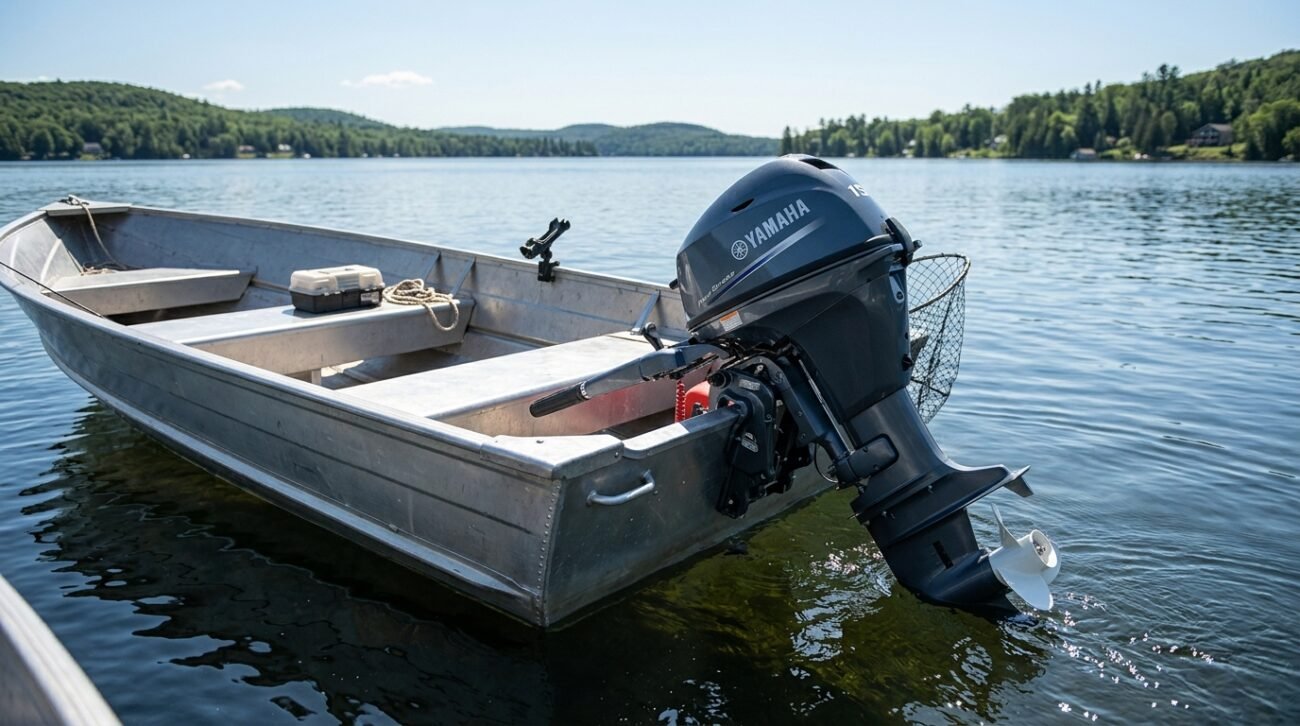
Another benefit is the wide range of applications. A 15 HP outboard engine may be suitable for fishing boats, utility boats, small recreational boats, and other compatible watercraft. However, the exact suitability must always be confirmed using the boat manufacturer’s maximum horsepower and weight recommendations.
Choosing the Correct Shaft Length
Shaft length is an important specification when buying a 15 horsepower outboard engine. The engine must be correctly matched to the boat’s transom height so the propeller can operate at the appropriate depth.
A shaft that is too short can position the propeller too high in the water, potentially affecting thrust and handling. A shaft that is too long can position the lower unit deeper than necessary, increasing drag and potentially creating clearance issues in shallow water.
Boat manufacturers generally specify the appropriate shaft length for their models. Buyers should measure the transom correctly and compare the measurement with the engine manufacturer’s available shaft options. Selecting the correct shaft length is not simply a matter of choosing the most convenient size.
The correct shaft length can contribute to efficient propulsion, stable handling, and proper engine operation. It is therefore an important consideration that should be addressed before purchasing an outboard engine.
Starting Systems and Controls
Starting systems vary among 15 horsepower outboard engines. Manual pull-start systems are common on smaller portable engines because they are relatively simple and do not require a large electrical system. Some models may offer electric starting, which can make engine operation more convenient.
A manual starting system can be reliable when properly maintained, but it requires physical effort to start the engine. Electric starting can provide additional convenience, particularly for users who prefer push-button operation.
Controls also vary. Tiller-steered engines place the control handle directly on the engine, providing a compact arrangement that works well for many smaller boats. Remote-control configurations move steering and throttle controls to a separate position in the boat.
The choice between tiller and remote controls depends on the boat design and the owner’s preferences. Both systems can provide effective control when properly installed and maintained.
Maintenance of a 15 Horsepower Outboard Engine
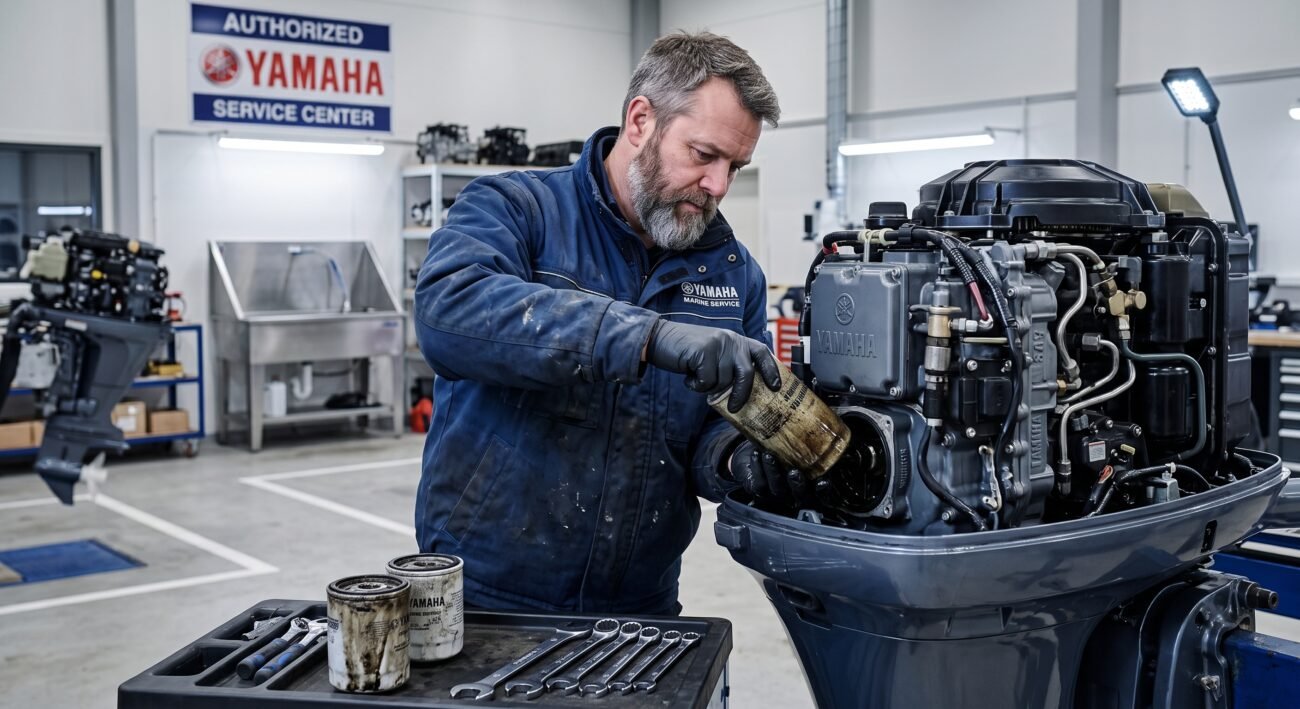
Regular maintenance is essential for keeping a 15 horsepower outboard engine reliable. Marine engines operate in environments where water, salt, humidity, and corrosion can affect mechanical components. A consistent maintenance routine can help identify problems before they become expensive repairs.
Engine oil should be checked and replaced according to the manufacturer’s recommended schedule for four-stroke engines. Using the correct oil specification is important because marine engines have specific lubrication requirements.
The cooling system should also receive regular attention. An outboard engine depends on water circulation to control operating temperature. A restricted water intake, damaged water pump, or other cooling-system problem can cause overheating.
The propeller should be inspected regularly for fishing line, rope, dents, cracks, or other damage. Even relatively small propeller damage can affect efficiency and vibration. Removing unwanted material from the propeller area should always be done with the engine safely turned off.
Spark plugs should be inspected and replaced according to the recommended maintenance schedule. Worn or contaminated spark plugs can contribute to difficult starting, rough running, and reduced performance.
Fuel-system maintenance is equally important. Fuel lines, filters, tanks, and connections should be inspected for signs of deterioration or leakage. Any fuel leak should be addressed promptly because fuel creates a serious fire hazard.
Common Problems With a 15 HP Outboard Engine
Although a well-maintained 15 horsepower outboard engine can provide dependable service, problems can still occur. Difficulty starting is one of the most common complaints and can have several causes. Fuel problems, battery issues, spark-plug problems, or incorrect operating procedures can all contribute to starting difficulties.
Overheating is another issue that should never be ignored. A restricted cooling-water intake or malfunctioning cooling component can prevent the engine from maintaining a safe operating temperature. If an engine shows signs of overheating, operation should be stopped and the cause investigated according to the manufacturer’s procedures.
Poor acceleration can result from several factors. Excessive boat load, an unsuitable propeller, fuel-system problems, ignition issues, or engine mounting problems can all affect acceleration. Diagnosing the actual cause is more effective than simply increasing engine speed.
Excessive vibration can also indicate a problem. A damaged propeller, incorrect installation, or mechanical issue may be responsible. Continued operation with unusual vibration can potentially cause additional damage.
Regular inspection helps reduce the likelihood of serious problems. Owners should pay attention to changes in engine sound, starting behavior, vibration, fuel consumption, and cooling performance.
New vs Used 15 Horsepower Outboard Engine
Buying a new 15 horsepower outboard engine provides several advantages, including access to the latest technology, manufacturer warranty coverage, and a known service history. A new engine is also less likely to have hidden wear caused by previous use.
However, a used engine can sometimes provide a lower purchase cost. The condition of a used engine is much more important than its age alone. A properly maintained older engine may perform better than a newer engine that has been neglected.
When evaluating a used outboard engine, buyers should inspect its overall physical condition, lower unit, propeller, controls, fuel system, cooling system, and starting performance. Maintenance records can provide valuable information about how the engine was treated.
Compression testing and professional inspection can also help identify internal mechanical problems. A used engine should not be purchased solely because its exterior looks clean. Marine engines can have internal wear that is not immediately visible.
Cost of a 15 Horsepower Outboard Engine
The cost of a 15 horsepower outboard engine varies depending on the manufacturer, engine technology, starting system, control configuration, shaft length, market, and included equipment. Four-stroke models may have different pricing from older or simpler engine configurations.
The purchase price is only one part of the total cost of ownership. Fuel, engine oil, routine servicing, replacement parts, propeller maintenance, storage, transportation, and repairs can all contribute to long-term expenses.
A lower initial purchase price does not necessarily mean lower overall ownership cost. Fuel efficiency, reliability, availability of replacement parts, warranty support, and service accessibility should also be considered.
Buyers should compare the complete specifications of engines rather than focusing only on price. An engine that matches the boat properly and receives consistent maintenance can provide better long-term value than an unsuitable engine purchased at a lower initial cost.
Best Uses for a 15 Horsepower Outboard Engine
A 15 horsepower outboard engine can be useful for fishing because it provides enough propulsion for many small fishing boats while maintaining a manageable size. Smooth low-speed control can also be valuable when maneuvering around fishing areas.
Recreational boating is another common application. Families and individuals using compatible small boats for short trips, sightseeing, and general water activities may find this horsepower category practical.
Utility boating can also benefit from a 15 HP engine. Boats used for transportation, equipment movement, or routine water access may require dependable propulsion without the weight and fuel requirements of a much larger engine.
The suitability of a 15 HP engine depends on the specific boat. The boat manufacturer’s capacity plate and engine recommendations should always be checked before installation.
Safety When Operating a 15 HP Outboard Engine
Safe operation should always be a priority regardless of engine size. Before starting a 15 horsepower outboard engine, the operator should ensure that the engine is correctly mounted and that steering and throttle controls are functioning properly.
Passengers and equipment should be distributed appropriately within the boat. Uneven weight distribution can affect stability and handling. The boat should never be loaded beyond its rated capacity.
Personal flotation devices should be available and used according to applicable local requirements. Weather and water conditions should also be considered before departure.
Fuel should be handled carefully and kept away from ignition sources. Refueling procedures should follow the engine and fuel-system manufacturer’s safety recommendations.
The engine should also be inspected before each trip. Checking fuel connections, propeller condition, cooling-water flow, controls, and other important components can help identify potential problems before leaving shore.
How to Improve 15 HP Outboard Engine Performance
Maintaining the engine properly is one of the simplest ways to preserve performance. Scheduled servicing ensures that important components remain in good working condition.
Propeller condition should also be monitored. A damaged or incorrectly selected propeller can reduce acceleration and efficiency. The propeller should match the engine’s recommended operating range and the boat’s requirements.
Keeping the boat properly loaded can also improve performance. Excessive weight increases resistance and makes the engine work harder. Removing unnecessary equipment can help maintain more efficient operation.
Hull cleanliness can also affect performance. Marine growth, dirt, or other buildup on the hull can increase drag. Keeping the hull clean can help the boat move through the water more efficiently.
Correct engine mounting is another important factor. The engine should be installed according to the manufacturer’s specifications. Improper mounting can reduce propulsion efficiency and affect handling.
Storage of a 15 Horsepower Outboard Engine
Proper storage is essential when an outboard engine will not be used for an extended period. The storage procedure should follow the manufacturer’s instructions because different engines may have specific requirements.
Fuel-system preparation is particularly important for long-term storage. Fuel can deteriorate over time, potentially causing deposits and starting problems. The manufacturer’s recommended storage procedure should be followed carefully.
The engine should also be protected from unnecessary moisture and corrosion. Freshwater rinsing may be appropriate for certain engines after operation, especially in saltwater environments, but the exact procedure should follow manufacturer guidance.
The propeller and lower unit should be inspected before storage. Any damage should be addressed rather than allowing a small problem to remain until the next boating season.
Storing the engine in the correct position is also important. Portable outboards should be transported and stored according to the manufacturer’s instructions to prevent oil or fuel from entering areas where it should not be.
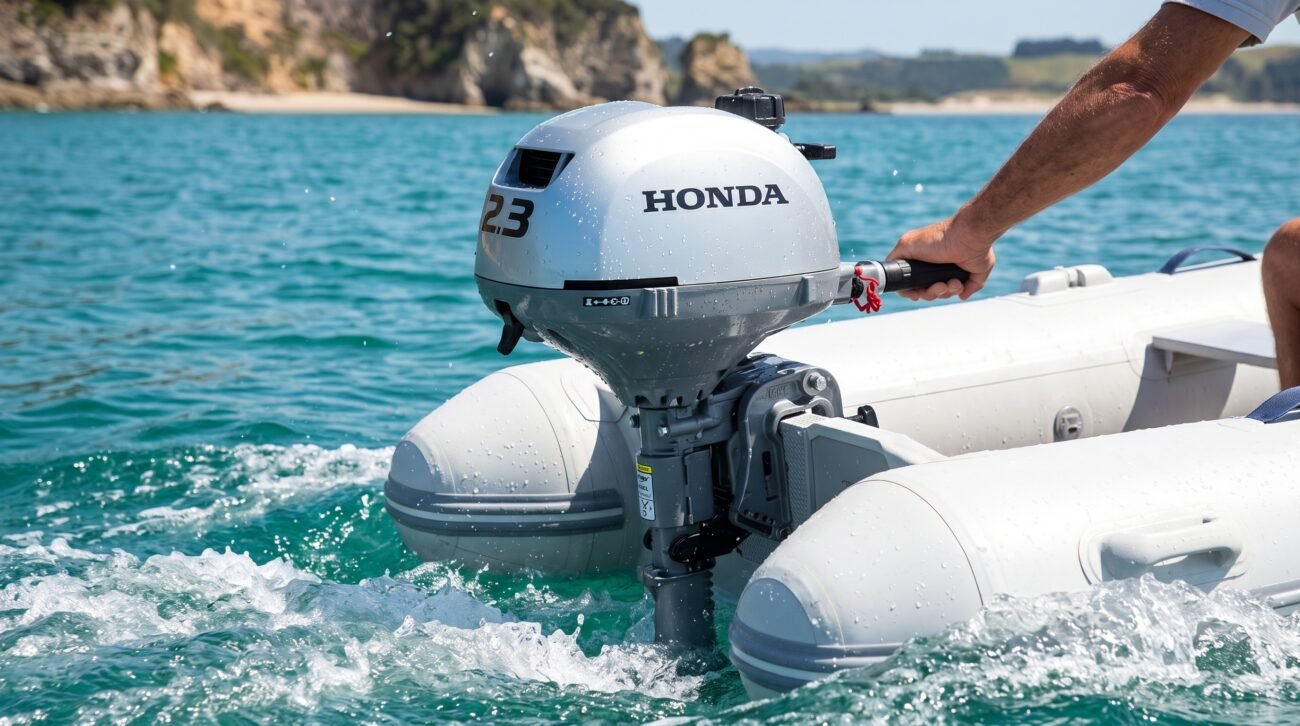
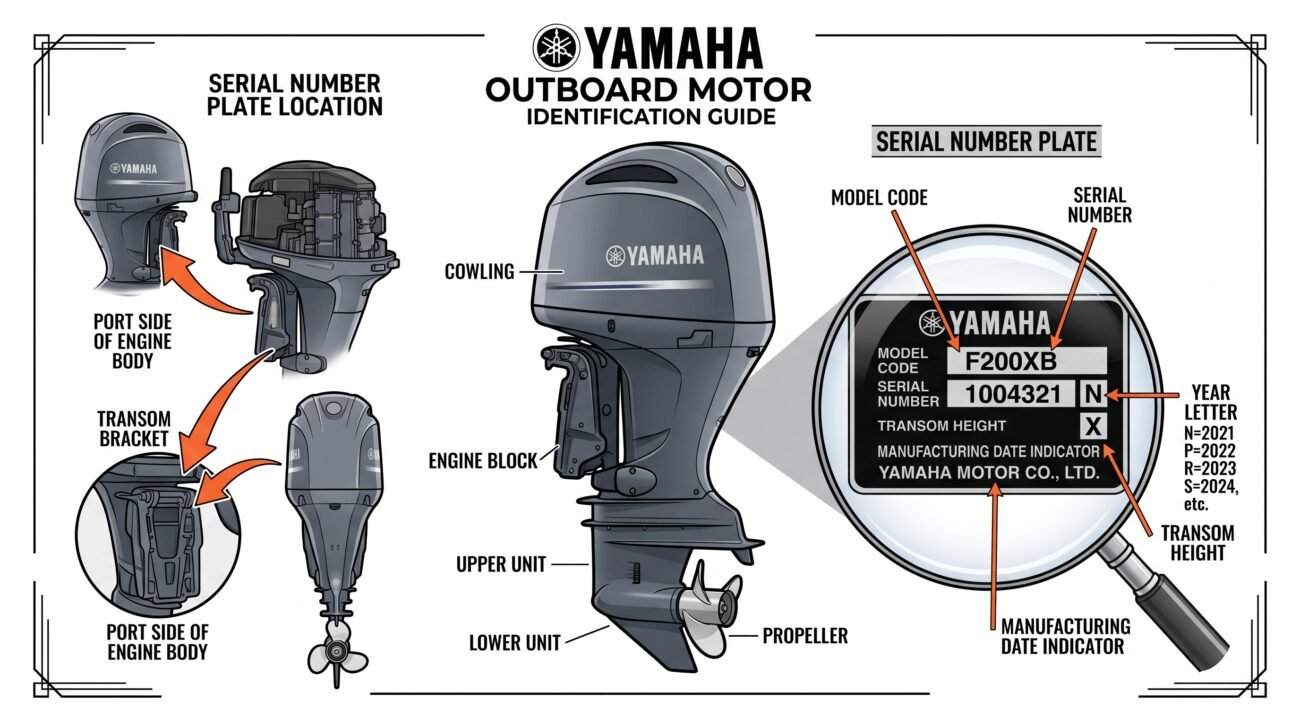
When researching a 15 horsepower outboard engine, it is important to check the official specifications provided by the manufacturer before making a purchase. Manufacturer websites usually provide detailed information about engine weight, shaft length, fuel requirements, recommended operating ranges, maintenance schedules, and available configurations. Reviewing these specifications can help boat owners determine whether a particular engine is compatible with their boat and intended use. Reliable marine resources such as Yamaha Marine, Mercury Marine, and Honda Marine can also provide useful information about modern outboard engines and their technical specifications.
Environmental Considerations
Modern outboard engines are designed with increasing attention to fuel efficiency and emissions. Four-stroke engines are commonly selected by boaters who want efficient operation and modern emissions characteristics.
Responsible boating also involves preventing fuel and oil from entering waterways. Avoid fuel spills, and handle and dispose of maintenance fluids according to local regulations.
Noise is another environmental consideration. A smoother and quieter engine can reduce disturbance to other boaters and nearby wildlife. Operating at appropriate speeds and following local boating rules can contribute to responsible water use.
Environmental requirements vary by location, so owners should check the regulations that apply to their waterways and engine type.
A 15 horsepower outboard engine offers a practical combination of power, portability, efficiency, and versatility for many compatible boats. Its usefulness comes from the balance it provides rather than from horsepower alone. When the engine is properly matched to the boat, it can deliver dependable propulsion for fishing, recreation, transportation, and general utility boating.
Choosing the right model requires careful consideration of several specifications. Shaft length, engine weight, starting system, steering configuration, fuel system, propeller compatibility, maintenance requirements, and manufacturer support should all be evaluated before making a purchase.
Maintenance plays an equally important role in long-term performance. Regular servicing, proper fuel management, cooling-system care, propeller inspection, and correct storage can help maintain reliable operation. Addressing small problems early can also reduce the risk of more serious mechanical issues.
The best 15 horsepower outboard engine for a particular boat is ultimately the one that meets the manufacturer’s specifications and the owner’s actual boating requirements. By considering performance, fuel efficiency, operating conditions, maintenance, safety, and total ownership costs, boat owners can make a more informed decision and enjoy reliable performance on the water for years to come.

One thought on “15 Horsepower Outboard Engine: Powerful, Reliable & Efficient Guide”