
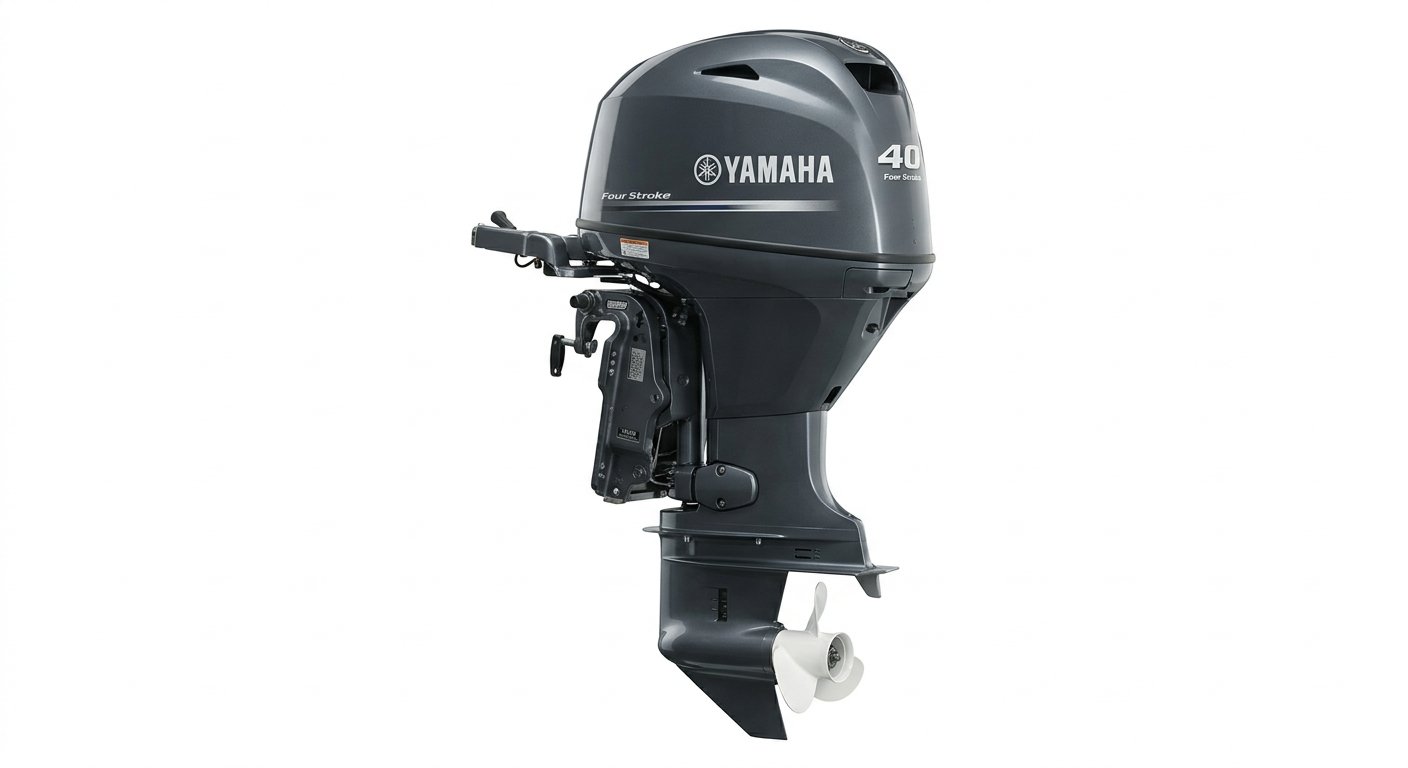
Yamaha Outboard Engine 40 HP: Powerful, Reliable & Efficient Guide
Choosing the right outboard motor is an important decision for anyone who depends on a boat for fishing, recreation, transportation, or regular water activities. The engine determines much of the boat’s performance, fuel consumption, handling, and overall reliability. Among the many horsepower options available, the Yamaha outboard engine 40 HP is a popular category for boat owners who need a useful balance between power, efficiency, manageable weight, and dependable operation. A 40 horsepower engine can provide enough performance for a wide range of appropriately sized boats while remaining easier to handle than many larger outboard motors.
Yamaha has developed a strong reputation in the marine industry for producing outboard engines designed around durability, practical performance, and long-term usability. A Yamaha 40 HP outboard can be an attractive choice for boat owners who want dependable propulsion without moving into a significantly larger and heavier engine class. However, choosing an outboard should always involve more than looking at the horsepower number. Boat size, hull design, total load, intended use, shaft length, fuel requirements, operating conditions, and maintenance practices all influence how well an engine performs.
What Is a Yamaha Outboard Engine 40 HP?
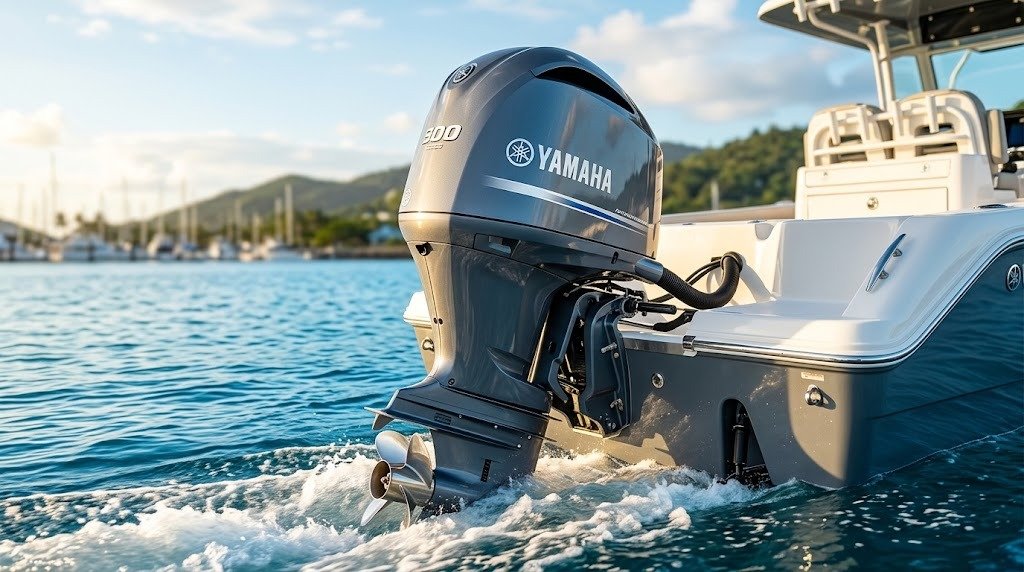
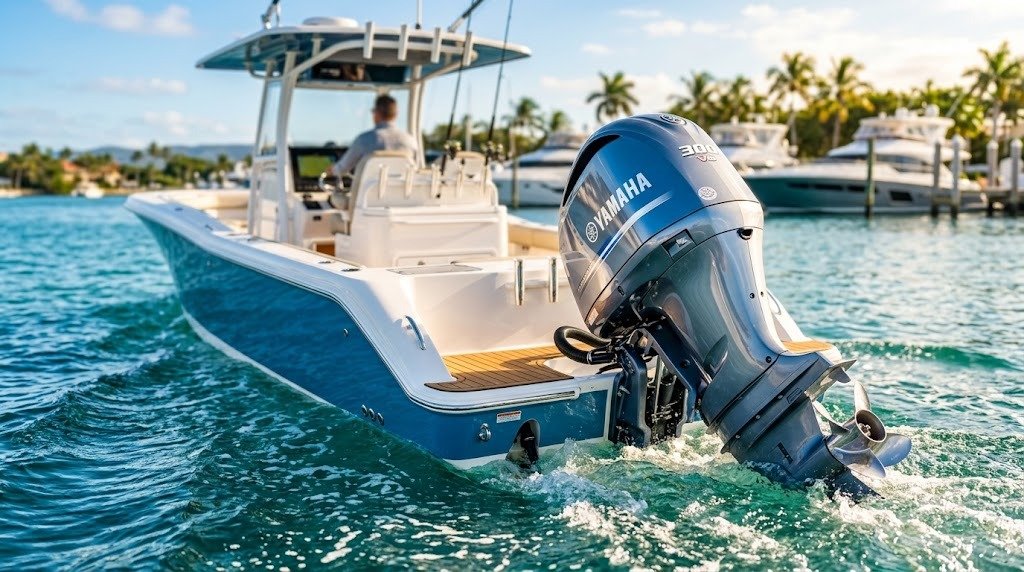
A Yamaha outboard engine rated at 40 horsepower is a marine propulsion system designed to provide up to approximately 40 horsepower of engine output. The motor is mounted externally on the transom of a boat and combines the engine, gearbox, propeller, steering connection, and related systems into a compact propulsion package. This design makes an outboard motor practical because the engine can provide propulsion while also allowing the boat to retain useful interior space.
The 40 HP category sits between smaller portable outboards and more powerful engines intended for larger boats. This makes it suitable for boat owners who need more performance than a small engine can provide but do not require the weight, fuel consumption, or additional power associated with larger motors. The actual suitability of a 40 HP Yamaha depends on the manufacturer’s recommended horsepower range for the specific boat.
One of the important characteristics of an outboard motor is that horsepower alone does not determine real-world performance. The hull shape, boat weight, passenger load, propeller selection, water conditions, and engine setup all affect acceleration and speed. A properly matched Yamaha 40 HP outboard can provide smooth and responsive performance, while an incorrectly matched engine may not deliver the expected results.
Why Choose a Yamaha 40 HP Outboard Engine?
The Yamaha outboard engine 40 HP category attracts attention because it offers a practical combination of power and usability. Many boat owners do not need a very large engine for everyday boating. A 40 HP motor can provide sufficient propulsion for appropriately sized fishing boats, utility boats, recreational boats, and other compatible vessels.
Yamaha’s marine engines are generally designed with durability and operational consistency in mind. Boat engines frequently operate in demanding environments where water, humidity, vibration, temperature changes, and corrosion can affect mechanical components. Regular maintenance and proper storage therefore play an important role in protecting the engine and maintaining dependable operation.
Another reason boat owners consider the Yamaha 40 HP category is its balance between performance and fuel consumption. A larger engine can produce more power, but additional power can also increase fuel requirements depending on how the engine is operated. A properly sized 40 HP motor can provide enough power without unnecessarily moving into a larger engine class.
The engine’s manageable size can also make installation, servicing, and transportation more practical than with many higher-horsepower outboards. However, the exact weight and specifications vary between Yamaha models and configurations, so buyers should always verify the current specifications for the particular model they are considering.
Key Features of the Yamaha Outboard Engine 40 HP
The specific features of a Yamaha 40 HP outboard depend on the model generation and configuration. Yamaha has produced different 40 HP engines over the years, and specifications can change between markets and model years. Buyers should therefore check the official specifications for the exact model before making a purchase.
Engine design is one of the most important considerations. Modern outboards are engineered to provide controlled combustion, efficient power delivery, and reliable operation under varying loads. The engine must also withstand repeated acceleration and operation at different speeds while maintaining appropriate cooling and lubrication.
The cooling system is another critical component. Marine engines require effective temperature control because excessive heat can damage internal components. Proper water flow through the cooling system helps maintain appropriate operating temperatures. Regular inspection of the cooling system and water passages is therefore an important part of routine maintenance.
The lower unit contains important mechanical components that transfer engine power to the propeller. Gearcase condition, lubrication, seals, and propeller condition all contribute to reliable propulsion. Damage to the lower unit or propeller can affect performance and may create additional mechanical problems if ignored.
Starting and control systems also influence convenience. Depending on the model, Yamaha 40 HP outboards can have different starting and control configurations. Electric starting can provide convenience, while tiller or remote steering configurations can be selected according to the boat’s design and intended use.
Yamaha 40 HP Outboard Engine Performance
Performance is one of the primary reasons people consider a 40 HP outboard. When correctly matched with a suitable boat, the engine can provide responsive acceleration and useful cruising performance. The actual top speed depends heavily on the boat’s hull, weight, propeller, water conditions, engine height, and load.
Acceleration is influenced by available engine power and propeller characteristics. A boat carrying a heavier load requires more effort from the engine to reach planing speed. Proper propeller selection can help the engine operate within an appropriate RPM range and improve the overall balance between acceleration and cruising performance.
Handling is another important part of performance. An outboard motor does more than move the boat forward. Its steering and thrust direction influence maneuverability, especially at lower speeds. A properly installed Yamaha 40 HP engine can contribute to predictable control when the boat is operated within its intended conditions.
Water conditions can also change performance significantly. Calm water may allow a boat to achieve better speed and efficiency, while waves, strong currents, wind, and additional passenger weight can reduce performance. Boat owners should therefore avoid judging an engine entirely by advertised or theoretical speed figures.
Fuel Efficiency of Yamaha 40 HP
Fuel efficiency is an important consideration because fuel represents a continuing operating cost. The fuel consumption of a Yamaha 40 HP outboard depends on engine speed, boat design, passenger load, propeller selection, water conditions, maintenance, and throttle position.
Operating at maximum throttle generally requires substantially more fuel than cruising at a moderate speed. Efficient operation usually involves selecting a practical cruising speed at which the boat moves comfortably without unnecessarily demanding maximum engine output.
Boat weight has a major influence on fuel consumption. Carrying unnecessary equipment, excessive cargo, or additional weight can require more power from the engine. Keeping the boat properly loaded and distributing weight appropriately can contribute to more efficient operation.
Propeller condition also matters. A damaged or poorly selected propeller can reduce propulsion efficiency and force the engine to work harder. Regularly inspecting the propeller for bends, cracks, fishing line, rope, or other damage can help maintain proper performance.
Maintenance also contributes to efficiency. A clean fuel system, properly maintained engine, healthy spark plugs where applicable, correct lubrication, and an unobstructed cooling system can help the engine operate as intended. Fuel efficiency should therefore be viewed as a combination of engine design and responsible operation.
Yamaha 40 HP Engine Specifications
Specifications are among the most important details to verify before purchasing a Yamaha 40 HP outboard. The term 40 HP identifies the engine’s power class, but it does not describe every technical characteristic. Different models can have different displacement, weight, dimensions, starting systems, shaft lengths, fuel systems, and control arrangements.
Engine displacement indicates the total volume swept by the pistons within the cylinders. It is one factor that contributes to engine characteristics, although displacement alone does not determine real-world performance. Yamaha’s engineering and engine management systems also influence how power is delivered.
Weight is particularly important for smaller and medium-sized boats. Installing an engine that is too heavy for the boat can affect transom loading, trim, handling, and overall stability. The boat manufacturer’s recommended engine specifications should therefore be followed carefully.
Shaft length is another important specification. The outboard must have the appropriate shaft length for the boat’s transom height. An incorrectly selected shaft can place the propeller at an unsuitable depth, affecting performance and potentially creating operational problems.
Fuel requirements should also be confirmed from the official documentation for the exact Yamaha model. Using the correct fuel and following Yamaha’s recommended operating and maintenance instructions can help protect the engine.
Yamaha 40 HP Outboard and Boat Compatibility
Matching the engine to the boat is one of the most important decisions in the entire buying process. A 40 HP outboard should only be installed on a boat that is rated and designed to safely accommodate that power level.
Boat manufacturers normally provide maximum horsepower recommendations and other important capacity information. These specifications should be treated as essential safety information rather than optional suggestions.
The boat’s length and weight provide useful context, but they are not enough by themselves to determine compatibility. Hull design, transom construction, maximum passenger capacity, and manufacturer specifications all need to be considered.
A boat that is properly matched with a 40 HP engine can offer a balanced combination of acceleration, cruising ability, handling, and efficiency. An unsuitable engine can create performance and safety problems regardless of how reliable the motor itself may be.
Yamaha 40 HP Outboard for Fishing Boats
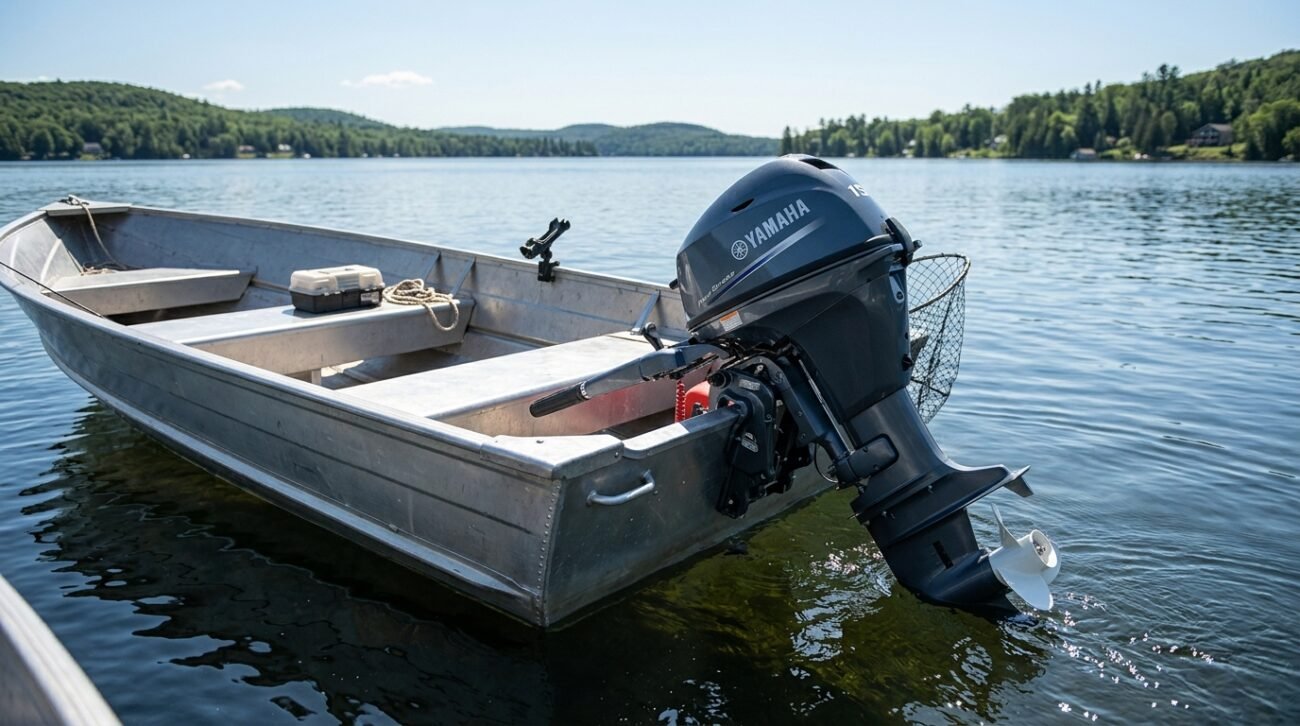
Fishing boats often require a combination of dependable propulsion, maneuverability, reasonable fuel consumption, and practical maintenance. A 40 HP Yamaha can be suitable for appropriately rated fishing boats where the engine provides sufficient power without being unnecessarily large.
Fishing frequently involves repeated changes in speed. The boat may need to travel efficiently to a fishing location and then operate at lower speeds during fishing activities. Smooth throttle response and reliable starting can therefore be valuable characteristics.
Weight distribution is also important. Fishing equipment, fuel, batteries, coolers, electronics, and passengers can add considerable weight. Owners should consider the complete operating load rather than evaluating the engine based on an empty boat.
Regular propeller inspection is particularly important for fishing boats because lines, nets, weeds, and other objects can become entangled around the propeller. Removing debris promptly can reduce the risk of damage to the propeller and related components.
Yamaha 40 HP Outboard for Recreational Boating
For recreational boating, a Yamaha 40 HP outboard can provide useful propulsion for compatible boats used on lakes, rivers, coastal waters, and other appropriate environments. The exact suitability depends on the vessel and local operating conditions.
Recreational boaters often value smooth acceleration and predictable handling. A properly selected propeller and correctly installed engine can contribute to comfortable operation across different speeds.
Noise and vibration can also influence the boating experience. Engine condition, mounting, maintenance, and operating speed can affect perceived noise and vibration. Regular servicing helps ensure that mechanical components remain in proper working condition.
Recreational users should also consider storage. Long periods without operation can create problems if the engine is not prepared correctly. Following Yamaha’s recommended storage procedures can help protect the fuel system, cooling system, and other components.
Yamaha 40 HP Outboard Maintenance
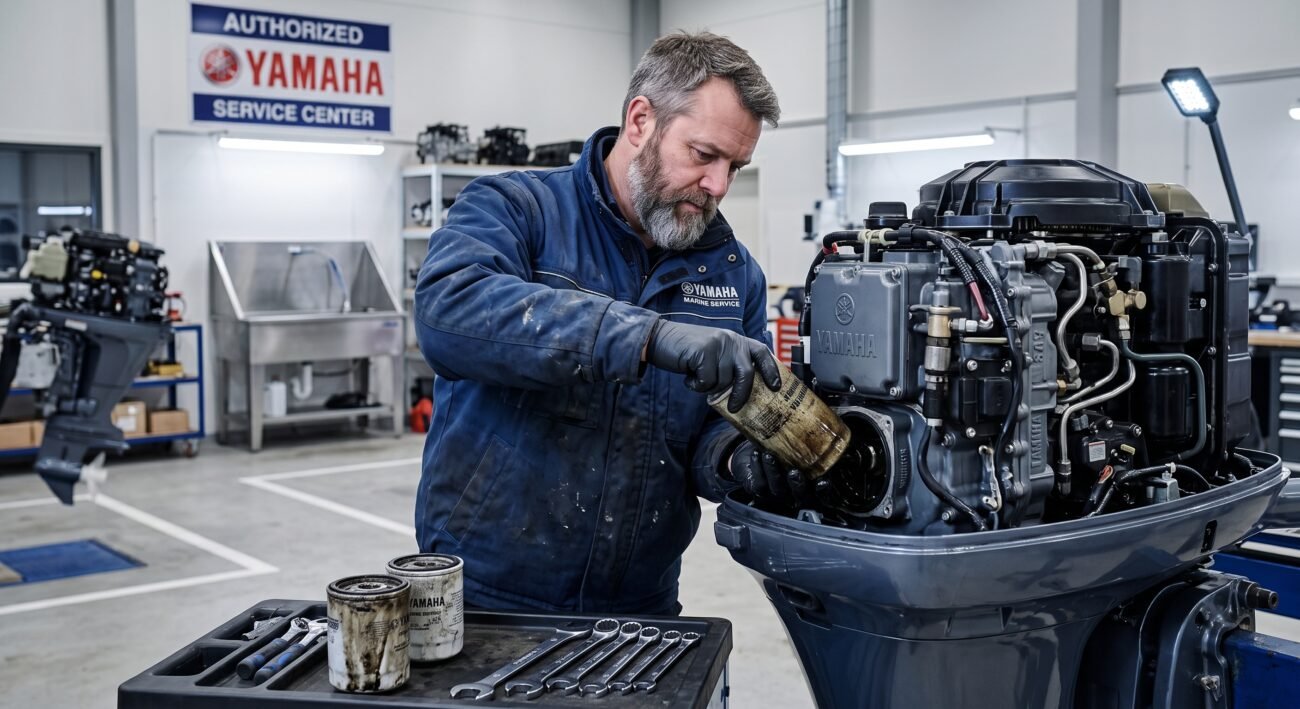
Regular maintenance is essential for protecting any marine engine. Saltwater, freshwater, humidity, vibration, and repeated temperature changes can all place demands on an outboard motor. A consistent maintenance routine can help identify small issues before they develop into more expensive problems.
Engine oil and lubrication should be maintained according to the manufacturer’s recommended schedule and specifications. Proper lubrication helps reduce friction and protects internal mechanical components.
The cooling system should also receive regular attention. The engine relies on adequate water circulation to control operating temperature. If water flow becomes restricted, the engine may overheat. Warning signs should never be ignored.
The propeller should be inspected regularly. Damage, fishing line, rope, weeds, or other debris can affect performance and place additional stress on the drivetrain. A damaged propeller can also produce vibration.
The lower unit should be inspected and serviced according to the manufacturer’s recommendations. Gearcase lubricant and seals are important for protecting internal gears and bearings from wear and water intrusion.
Fuel-system maintenance is equally important. Old or contaminated fuel can cause starting and performance problems. Fuel should be handled and stored according to the engine manufacturer’s recommendations.
Yamaha 40 HP Outboard Storage
Proper storage is especially important when an outboard will not be used for an extended period. Marine engines can develop problems when moisture, old fuel, corrosion, or contaminants remain inside important systems.
The engine should be prepared according to the manufacturer’s storage procedure. This may include appropriate fuel-system preparation, lubrication, cleaning, and protection of exposed components.
The exterior should also be kept clean. Salt deposits can be particularly damaging to metal components when they are allowed to remain on the engine for long periods. Rinsing and cleaning should follow Yamaha’s recommended procedures.
Storage location matters as well. A clean, dry, and protected environment can reduce exposure to unnecessary moisture and environmental contamination.
Advantages of a Yamaha Outboard Engine 40 HP
One major advantage of the Yamaha 40 HP category is its practical balance of power and size. It provides considerably more propulsion capability than small portable outboards while remaining more manageable than many larger engines.
Fuel economy can also be an important advantage when the engine is properly matched to the boat and operated efficiently. Choosing the correct engine size helps prevent the unnecessary fuel consumption associated with oversized propulsion systems.
Reliability is another important consideration. However, reliability does not come from the brand name alone. Regular maintenance, proper installation, correct fuel, appropriate operation, and timely repairs all contribute to long-term engine performance.
The availability of marine service and replacement components can also influence ownership experience. Before purchasing, buyers should consider the availability of qualified technicians and genuine parts in their region.
Potential Limitations of a Yamaha 40 HP Outboard
A 40 HP outboard is not appropriate for every boat. Larger or heavier boats may require more horsepower to achieve acceptable performance. Installing an engine with insufficient power can result in slow acceleration and poor performance under load.
The purchase price is another consideration. Yamaha outboards can represent a significant investment, particularly when installation, controls, propeller, fuel-system components, and other equipment are included.
Maintenance is also an ongoing responsibility. Even a high-quality engine requires periodic inspection and servicing. Ignoring maintenance can reduce reliability and increase long-term ownership costs.
Another consideration is that the exact performance of a 40 HP engine varies significantly between boats. Two boats using the same engine may achieve different acceleration, speed, and fuel consumption because of differences in hull design, weight, propeller selection, and operating conditions.
Yamaha 40 HP Outboard Engine Price
The price of a Yamaha 40 HP outboard varies depending on model, model year, market, configuration, condition, and included equipment. New engines generally cost more than used engines, while newer technology and additional features can affect the price of different versions.
When comparing prices, buyers should avoid looking only at the engine purchase price. Installation, controls, propeller, battery requirements, fuel-system components, transportation, servicing, and other necessary equipment can add to the total ownership cost.
Used engines require additional inspection. Buyers should review service history, engine condition, lower-unit condition, propeller condition, signs of corrosion, starting behavior, cooling-water flow, and other relevant mechanical factors.
A lower purchase price does not necessarily mean lower total cost. An engine requiring significant repairs or replacement components can become more expensive over time. Evaluating condition and maintenance history is therefore important when considering a used Yamaha 40 HP outboard.
How to Choose the Right Yamaha 40 HP Outboard
The first step is to verify that the boat is rated for a 40 HP engine. The manufacturer’s capacity plate and documentation should be checked before purchasing or installing the motor.
The second step is to determine the appropriate shaft length. The relationship between the boat’s transom height and the engine shaft is important for proper propeller positioning and efficient operation.
The intended use should also be considered. Fishing, recreational boating, transportation, and utility work may place different demands on an engine. The expected passenger and cargo load should be included in the evaluation.
Buyers should also consider the available service network. Having access to qualified Yamaha marine technicians can make routine maintenance and troubleshooting easier.
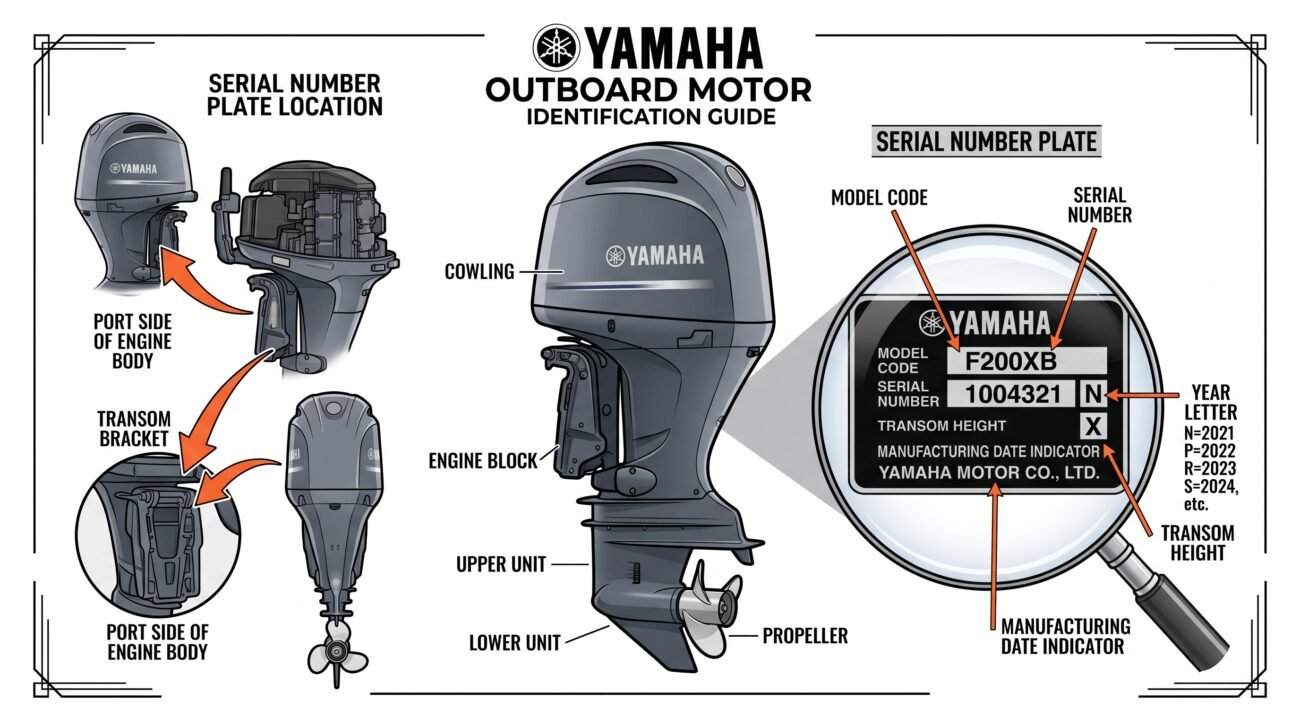
Finally, buyers should verify the exact model specifications rather than relying only on the general term Yamaha 40 HP. Model-specific documentation provides the most accurate information about weight, displacement, controls, fuel requirements, shaft length, maintenance, and operating limits.
Yamaha 40 HP vs Larger Outboard Engines
A 40 HP engine generally offers lower overall power than larger outboards, but lower power can be an advantage when it matches the boat’s requirements. A larger engine is not automatically better because the correct engine depends on the vessel.
Larger outboards can provide stronger acceleration and higher performance on boats designed to use them, but they may also increase weight, purchase cost, and fuel requirements. A 40 HP motor can therefore be a practical choice for boats where 40 horsepower falls within the recommended range.
The most important factor is not simply choosing the largest engine available. The engine should match the boat manufacturer’s specifications and the owner’s intended use.
Yamaha 40 HP Outboard Buying Checklist
Before purchasing a Yamaha 40 HP outboard, buyers should verify the exact model number and specifications. This helps ensure that information about weight, shaft length, fuel requirements, and maintenance applies to the actual engine being purchased.
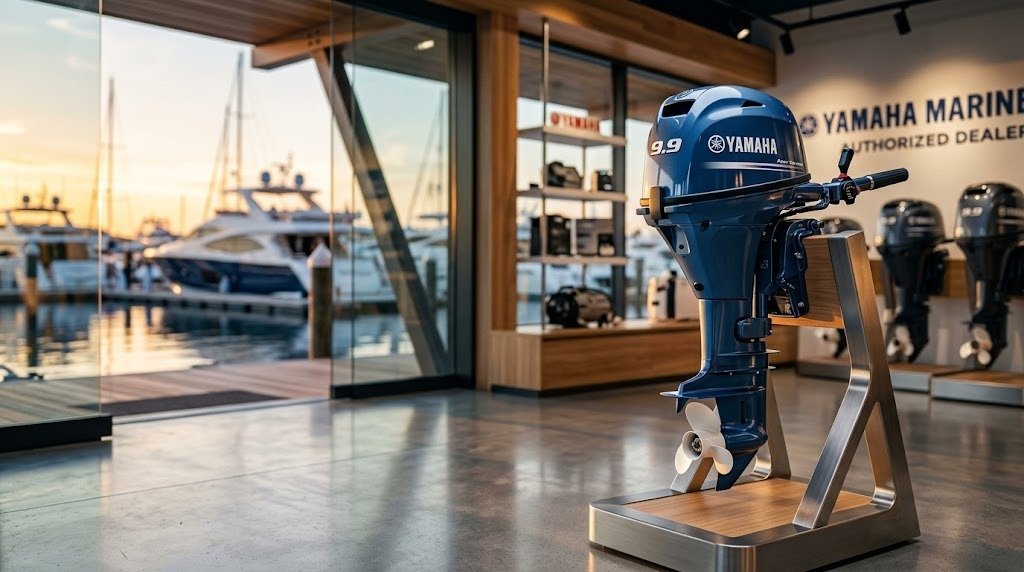
For a new engine, buyers should confirm warranty coverage, authorized dealer support, installation requirements, included equipment, and recommended maintenance intervals.
For a used engine, condition becomes particularly important. Buyers should inspect the exterior for corrosion or physical damage and examine the lower unit, propeller, controls, cables, fuel system, and electrical components.
The engine’s service history can provide useful information about how it was maintained. Regular servicing is generally preferable to an engine with an unknown history, although a professional inspection remains important.
A test run can also provide useful information about starting, cooling-water flow, acceleration, vibration, steering, and shifting. Any unusual sound, excessive vibration, warning indication, or abnormal operation should be investigated before purchase.
How to Improve Yamaha 40 HP Outboard Performance
Good engine performance begins with proper installation. The engine should be mounted according to Yamaha’s recommendations and the boat manufacturer’s requirements.
Propeller selection is also important. The propeller affects acceleration, cruising behavior, engine RPM, and overall propulsion efficiency. The correct propeller should be selected based on the boat, engine, and intended operating conditions.
Keeping the hull clean can also improve efficiency. Marine growth, excessive dirt, and other buildup can increase resistance through the water and require additional engine power.
Weight management is another simple but important factor. Carrying only necessary equipment and distributing weight appropriately can improve boat handling and reduce unnecessary fuel consumption.
Regular maintenance completes the performance picture. A properly serviced engine is more likely to operate consistently and efficiently than one that has been neglected.
For accurate information about the Yamaha outboard engine 40 HP, buyers should review the official Yamaha Motor website and check the specifications, owner’s information, maintenance guidance, and product details available for the specific engine model. Manufacturer information is especially useful when confirming technical specifications, recommended maintenance procedures, and operating requirements.
Common Yamaha 40 HP Outboard Problems
Like any mechanical system, an outboard engine can experience problems. Starting difficulties may be related to fuel, electrical components, battery condition, ignition components, or other systems depending on the specific model.
Overheating can be associated with inadequate cooling-water flow or other cooling-system issues. If an engine displays an overheating warning or unusual temperature behavior, continued operation should be avoided until the cause is identified.
Poor acceleration can have several possible causes. Incorrect propeller selection, excessive boat weight, engine setup, fuel-system issues, or mechanical problems may contribute to reduced performance.
Excessive vibration can sometimes be associated with a damaged propeller or other drivetrain problems. Because vibration can have multiple causes, persistent symptoms should be inspected by a qualified marine technician.
Proper troubleshooting should always follow the specific Yamaha service information for the engine model. Guessing at repairs can create additional problems or safety risks.
Safety Considerations When Using a Yamaha 40 HP Outboard
Safe operation is more important than achieving maximum speed. Boat operators should remain within the manufacturer’s recommended operating limits and comply with local boating regulations.
Passengers and cargo should be distributed appropriately. Excessive weight or poor weight distribution can negatively affect stability and handling.
The engine should also be inspected before operation. Fuel leaks, damaged wiring, loose components, propeller damage, and other visible problems should be addressed before departure.
Boaters should carry appropriate safety equipment required for their location and type of operation. Weather and water conditions should also be considered before traveling.
Following the engine and boat manufacturer’s operating instructions can reduce avoidable problems and contribute to safer boating.
Yamaha 40 HP Outboard Engine and Long-Term Ownership
Long-term ownership costs depend on more than the initial purchase price. Fuel, maintenance, replacement components, storage, transportation, and professional servicing can all contribute to total ownership expenses.
Regular maintenance is one of the best ways to protect the value and performance of an outboard. Keeping service records can also be useful when the engine is eventually sold.
Proper storage can extend the useful life of the engine by reducing corrosion and protecting important mechanical and electrical systems. Cleaning the engine after operation in environments where corrosion is a concern is especially important.
Using the engine within its intended operating range is also beneficial. Constantly overloading a boat or operating an engine under unsuitable conditions can place unnecessary stress on mechanical components.
FAQ
How powerful is a Yamaha 40 HP outboard?
A Yamaha 40 HP outboard belongs to the 40 horsepower marine engine class. Its actual performance depends on the specific model and the boat on which it is installed. Hull design, boat weight, propeller selection, passenger load, and water conditions all influence acceleration and speed.
Is a Yamaha 40 HP outboard good for fishing boats?
A Yamaha 40 HP outboard can be suitable for fishing boats that are rated for that horsepower and weight. The correct engine should always be selected according to the boat manufacturer’s specifications and the expected passenger and equipment load.
How fuel efficient is a Yamaha 40 HP outboard?
Fuel consumption depends on engine speed, boat design, load, propeller selection, water conditions, and maintenance. Moderate cruising speeds and proper engine setup can generally support more efficient operation than continuous high-speed operation.
What size boat can use a Yamaha 40 HP outboard?
There is no single boat length that applies to every 40 HP outboard installation. Boat manufacturers specify horsepower and weight limits for their individual models. Those specifications should be checked before installation.
How often should a Yamaha 40 HP outboard be serviced?
Service intervals vary according to the exact Yamaha model and operating conditions. Owners should follow the maintenance schedule provided in the official owner’s manual or service documentation for their particular engine.
Can a Yamaha 40 HP outboard be used in saltwater?
Compatible Yamaha outboards can be used in marine environments when operated and maintained according to the manufacturer’s recommendations. Saltwater use requires appropriate cleaning, corrosion protection, inspection, and maintenance practices.
Is a new Yamaha 40 HP better than a used engine?
The choice between new and used depends on budget, condition, warranty, service history, and intended use. A new engine generally provides current specifications and warranty support, while a used engine may have a lower initial purchase cost but requires careful inspection.
What affects Yamaha 40 HP top speed?
Top speed depends on many factors, including hull design, total boat weight, propeller, engine installation height, water conditions, and load. The same engine can produce different speeds on different boats.
What propeller should be used with a Yamaha 40 HP?
The correct propeller depends on the specific engine model, boat, load, and intended operation. Propeller selection should follow Yamaha’s specifications and the boat’s operating requirements rather than being based only on horsepower.
How can Yamaha 40 HP fuel consumption be reduced?
Fuel consumption can be influenced by maintaining the engine properly, selecting an appropriate propeller, keeping the hull clean, avoiding unnecessary weight, and operating at an efficient cruising speed. The manufacturer’s operating recommendations should always be followed.
Conclusion
The Yamaha outboard engine 40 HP category offers a practical combination of power, usability, and efficiency for appropriately matched boats. Its 40 horsepower rating makes it relevant to a wide range of fishing, recreational, and utility applications where a compact but capable outboard is required.
Choosing the right Yamaha 40 HP engine involves more than comparing horsepower. Boat compatibility, engine weight, shaft length, propeller selection, fuel requirements, intended use, maintenance needs, and service availability all deserve careful consideration. The correct combination of engine and boat can provide smooth operation and dependable performance.
Maintenance remains one of the most important factors in long-term ownership. Regular inspection of the cooling system, propeller, lower unit, fuel system, lubrication, and other components can help protect the engine and reduce avoidable problems. Proper storage and corrosion protection are equally important, particularly when the engine is used in demanding marine environments.
Before purchasing, buyers should verify the exact Yamaha model and consult the manufacturer’s current specifications and owner’s documentation. A professional marine technician or authorized Yamaha dealer can also help confirm compatibility, installation requirements, maintenance procedures, and suitable accessories.
For boat owners seeking a dependable 40 horsepower outboard, the Yamaha 40 HP range can be an important option to consider when its specifications match the boat and intended application. Careful selection, correct installation, responsible operation, and consistent maintenance are the key factors that help an outboard deliver reliable performance over the long term.


One thought on “Yamaha Outboard Engine 40 HP: Powerful, Reliable & Efficient Guide”