

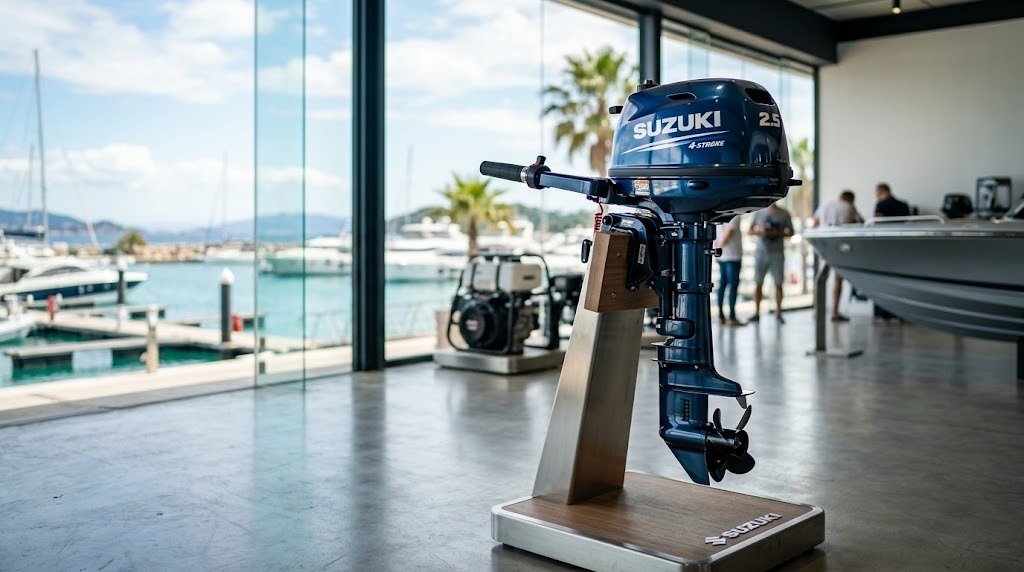
When you need a compact and dependable motor for a small boat, choosing the right outboard engine can make a noticeable difference. A small engine needs to provide enough power for the boat while remaining easy to handle, economical to operate, and simple to maintain. The Suzuki 2.5 outboard engine is designed for boaters who want a compact motor for lightweight boating applications.
Small outboards are particularly useful for dinghies, inflatable boats, small fishing boats, tenders, and other lightweight vessels. Instead of carrying a large and heavy motor, boat owners can choose a smaller engine that is easier to transport and install.
The Suzuki 2.5 outboard engine also belongs to a category where portability and simplicity are important. A motor in this horsepower range is not intended to provide the same performance as a 20 HP, 40 HP, or 60 HP outboard. Its purpose is to provide practical propulsion for suitable lightweight boats and low-speed applications.
Before purchasing any outboard, however, it is important to look beyond the horsepower number. Boat weight, hull design, passenger load, water conditions, shaft length, intended use, and local boating requirements can all affect the right engine choice.
This guide explains the Suzuki 2.5 outboard engine in detail, including its performance, important features, fuel economy, maintenance requirements, suitable applications, common issues, buying considerations, and comparisons with other small outboard motors.
What Is the Suzuki 2.5 Outboard Engine?
The Suzuki 2.5 outboard engine is a compact marine motor designed to power smaller boats. With approximately 2.5 horsepower, it sits within the portable small-outboard category.
Its compact size makes it useful when a boat owner needs basic propulsion without the additional weight and complexity associated with a larger engine. It can be particularly practical for short trips, tender boats, fishing applications, and small recreational vessels.
The exact specifications and equipment can depend on the model, market, model year, and configuration. Therefore, buyers should always check the current Suzuki documentation or an authorized Suzuki Marine dealer for the specifications of the exact engine they are considering.
A small outboard such as this is generally selected because the boat does not require a large amount of horsepower. If the vessel is lightweight and used under appropriate conditions, a compact motor can provide useful and convenient propulsion.
Why Choose a 2.5 HP Outboard?
A 2.5 HP motor is useful because not every boat needs a powerful engine. For certain small vessels, adding a large outboard can unnecessarily increase weight and make transportation more difficult.
A lightweight motor can be easier to carry from a vehicle to the water, easier to mount on a transom, and easier to store between trips. This can matter considerably for boat owners who frequently move their equipment.
Small engines can also be suitable for people who primarily use their boats at low speeds. For example, someone using a small dinghy as a tender may not need the acceleration or top-end power provided by a larger outboard.
However, 2.5 horsepower has clear limitations. The engine should be matched with the boat rather than chosen solely because it is compact or affordable.
Suzuki 2.5 Outboard Engine Performance
Performance is one of the first things most buyers consider when looking at an outboard engine. With a small engine, performance should be understood in the context of the boat it is powering.
A lightweight boat with one occupant can behave very differently from a heavily loaded boat carrying several passengers and equipment. Hull shape also has a major effect on speed and handling.
Performance on Lightweight Boats
The Suzuki 2.5 outboard engine can be suitable for lightweight boats where only modest propulsion is required. A properly matched boat can make effective use of a small motor for cruising, maneuvering, fishing, or tender duties.
The actual speed should not be assumed from horsepower alone. Boat design, total weight, propeller selection, water conditions, and engine setup all influence the result.
Low-Speed Maneuvering
Small outboards are particularly useful when controlled movement is more important than high speed. A boat owner may use a small motor to move away from a dock, approach a fishing area, or maneuver a tender.
Low-speed operation can also make a small engine practical for boaters who prefer relaxed trips rather than fast recreational cruising.
Acceleration and Load
One important limitation of a 2.5 HP engine is that additional weight can have a noticeable effect on performance.
Passengers, fuel, fishing equipment, coolers, batteries, and other gear all increase the total load. As the load increases, acceleration can become slower and the engine may struggle more to move the boat efficiently.
For this reason, buyers should check the boat manufacturer’s recommended horsepower range and maximum capacity before purchasing an outboard.
Key Features of the Suzuki 2.5 Outboard Engine
The value of a small outboard is not determined by horsepower alone. Design, controls, portability, maintenance requirements, and operating characteristics also matter.
Compact Design
A compact outboard is easier to transport and store than a larger marine engine. This can be especially useful for owners of inflatable boats and small tenders.
Storage is often overlooked when buying an engine. If the motor must be transported in a car or stored in a limited space, its overall size and handling requirements become important considerations.
Portable Construction
Portability is one of the major reasons boaters choose small outboards. A compact motor can be moved between storage and the boat without requiring the same equipment or effort that might be necessary for a much larger engine.
This can be valuable for recreational boaters who launch from different locations.
Simple Operation
Small outboards are generally designed around straightforward operation. For a casual boater, simple controls can make starting, steering, and throttle management easier to understand.
New owners should still read the owner’s manual carefully before operating the engine.
Efficient Small-Engine Operation
A small outboard can use relatively little fuel compared with larger engines, particularly when it is powering an appropriately sized boat. However, actual fuel consumption depends on operating conditions.
Throttle position, boat weight, hull design, water conditions, maintenance, and engine setup can all affect fuel use.
Suzuki 2.5 Outboard Engine Fuel Economy
Fuel economy is another important consideration when choosing a small outboard.
A 2.5 HP engine does not need to consume fuel at the same rate as a much larger outboard because it produces substantially less power. For owners making short trips on small boats, this can help keep fuel requirements manageable.
However, it is important not to assume a specific fuel-consumption figure without checking the exact Suzuki model documentation.
What Affects Fuel Consumption?
Several factors influence how much fuel an outboard uses.
Boat weight is one of the biggest factors. A heavily loaded boat requires more effort from the engine than a lightly loaded vessel.
Throttle position also matters. Running an engine at higher throttle settings generally increases fuel consumption compared with gentle operation.
Water conditions can have an effect as well. Strong wind, waves, currents, and rough water can require additional engine effort.
Proper maintenance is another important factor. An engine that is correctly serviced and operated according to the manufacturer’s recommendations is more likely to perform as intended.
How to Improve Fuel Efficiency
The easiest way to improve efficiency is to operate the engine within the conditions for which it was designed.
Avoid carrying unnecessary weight and keep the boat properly balanced. Check that the propeller is in good condition and follow the manufacturer’s maintenance schedule.
Smooth throttle control can also help. Instead of constantly changing speed, maintaining a suitable cruising speed for the boat and conditions can make operation more consistent.
Suzuki 2.5 Outboard Engine for Small Boats
The biggest advantage of a small outboard is its compatibility with lightweight vessels.
Inflatable Boats
Small inflatable boats are often used for recreation, fishing, transportation around larger vessels, or tender duties. A compact outboard can provide practical propulsion without adding excessive engine weight.
Before fitting any motor, owners should confirm that the inflatable boat is rated for the intended horsepower and engine weight.
Dinghies and Tenders
A tender may only need enough power to move people between a larger vessel and shore. In this situation, a compact outboard can be a practical option.
The appropriate engine depends on the tender’s size, passenger capacity, water conditions, and intended use.
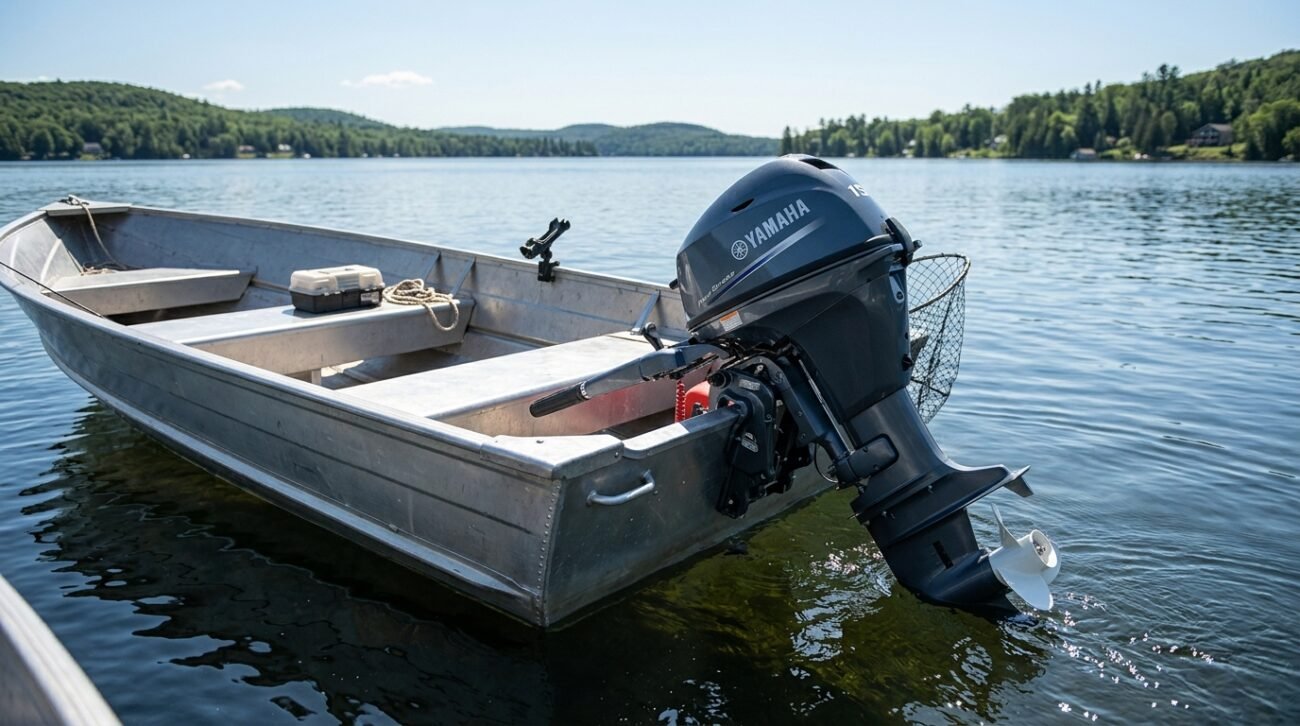
Small Fishing Boats
Anglers who fish on small lakes, calm rivers, or sheltered waters may find a small outboard useful for moving between fishing locations.
The engine may be particularly convenient for situations where portability matters.
Lightweight Utility Boats
Small utility boats can also benefit from compact propulsion. The important consideration is whether the boat’s total weight and intended load are appropriate for the engine’s horsepower.
How Boat Weight Affects a 2.5 HP Outboard
Boat weight deserves special attention when choosing a small engine.
A 2.5 HP outboard has limited power compared with larger marine engines. If the boat is heavy or carries several passengers, the engine may provide slower acceleration and reduced performance.
For example, an engine that works well on a lightweight dinghy may feel underpowered on a heavier aluminum boat carrying multiple people and equipment.
This does not mean that the engine is necessarily defective. It may simply mean that the boat and engine are not ideally matched.
Always consult the boat manufacturer’s capacity plate and recommended horsepower range before selecting an outboard.
Suzuki 2.5 Outboard Engine Maintenance
Regular maintenance is essential for keeping any marine engine reliable. Salt water, moisture, fuel contamination, storage conditions, and infrequent use can all create challenges for boat engines.
A small outboard may be mechanically straightforward, but that does not mean it should be neglected.
Check the Engine Before Every Trip
A quick inspection before launching can help identify potential problems.
Check the fuel system, propeller, mounting hardware, controls, and visible areas of the engine. Look for loose components, damage, leaks, or anything that appears unusual.
It is also important to confirm that the cooling system is functioning properly when the engine is running.
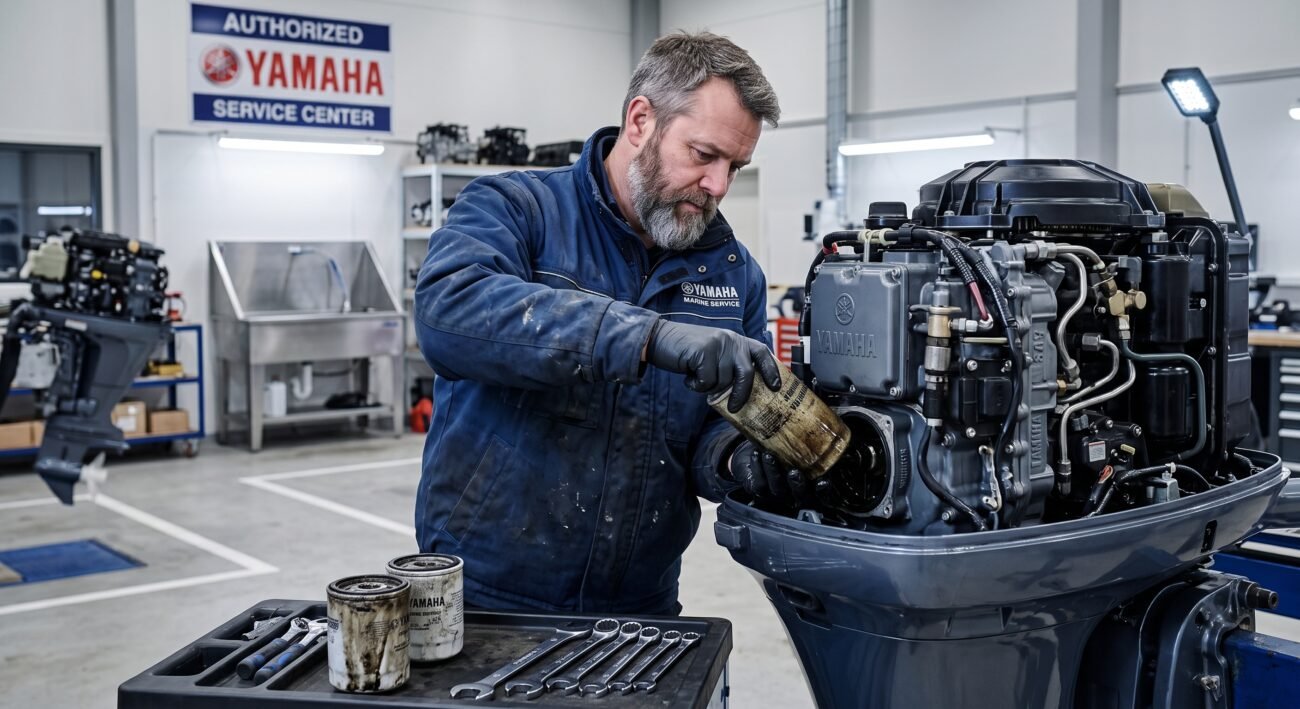
Follow the Recommended Oil Service
Engine oil plays an important role in protecting internal components. Use the oil type and specification recommended for the specific Suzuki engine.
Oil should be checked and changed according to the manufacturer’s maintenance schedule.
Using the wrong oil or extending service intervals unnecessarily can increase the risk of engine problems.
Inspect the Spark Plug
Spark plugs are important for reliable ignition. A worn, fouled, or incorrectly gapped spark plug can contribute to starting and running problems.
Inspection and replacement should follow the manufacturer’s recommendations.
Maintain the Fuel System
Fuel-related problems are common with engines that sit unused for long periods.
Use fuel according to Suzuki’s recommendations and follow appropriate storage procedures. Avoid allowing old fuel to remain in the system for extended periods when the manufacturer’s storage instructions call for different treatment.
Inspect the Propeller
The propeller transfers engine power to the water, so its condition matters.
Fishing line, ropes, rocks, and underwater objects can damage a propeller. Even minor damage can affect performance and vibration.
Inspect the propeller regularly and replace or repair damaged components according to the manufacturer’s instructions.
Flushing a Suzuki 2.5 Outboard
Flushing is especially important after operating an outboard in salt water.
Salt deposits can accumulate in parts of the cooling system and other areas exposed to seawater. Following the manufacturer’s flushing procedure can help reduce salt buildup and support long-term engine care.
Never improvise a flushing method if the owner’s manual specifies a particular procedure. The correct process can depend on the exact engine configuration.
Storing the Suzuki 2.5 Outboard
Proper storage can make a significant difference when an outboard will not be used for an extended period.
Before long-term storage, follow the maintenance and storage procedures provided by Suzuki. Depending on the model and circumstances, this may involve attention to fuel, engine oil, cooling passages, corrosion protection, and the storage position.
The engine should be kept in a clean, dry location where it is protected from unnecessary moisture and physical damage.
Owners who live in areas with cold winters should pay particular attention to the manufacturer’s winterization recommendations.
Common Suzuki 2.5 Outboard Problems
Even a well-maintained outboard can eventually experience problems. Understanding common symptoms can help owners identify when professional service may be necessary.
Engine Will Not Start
Starting problems can have several causes. Fuel issues, ignition problems, incorrect operating procedures, or maintenance-related issues can all contribute.
If an engine suddenly refuses to start, begin with the basic checks recommended in the owner’s manual rather than immediately assuming a major mechanical failure.
Engine Runs Roughly
Rough running can be associated with fuel delivery, ignition, air supply, or other mechanical conditions.
If basic troubleshooting does not resolve the issue, an authorized marine technician can inspect the engine.
Overheating
Overheating should never be ignored. A cooling-system problem can potentially cause serious engine damage.
If the engine shows signs of overheating, stop operation and investigate the cause according to the manufacturer’s safety instructions.
Poor Acceleration
Poor acceleration may result from excessive boat weight, an unsuitable propeller, damaged propeller blades, engine maintenance issues, or difficult water conditions.
It is important to determine whether the problem comes from the engine or from the boat’s operating conditions.
Suzuki 2.5 Outboard vs. Larger Outboards
The Suzuki 2.5 outboard engine should not be compared with larger engines solely in terms of power.
A 9.9 HP, 20 HP, or 40 HP engine can provide substantially more propulsion, but it will also generally involve greater weight, cost, and fuel requirements.
A 2.5 HP motor makes sense when the boat and intended activity do not require higher horsepower.
For a small tender, portability may be more important than speed. For a larger fishing boat carrying several passengers, however, a higher horsepower engine may be necessary to meet the boat’s requirements.
Suzuki 2.5 vs. Other 2.5 HP Outboards
Several manufacturers produce small outboard engines, and comparing them can help buyers understand the market.
Potential comparison points include engine weight, dimensions, starting system, fuel system, controls, warranty, dealer availability, parts availability, maintenance requirements, and price.
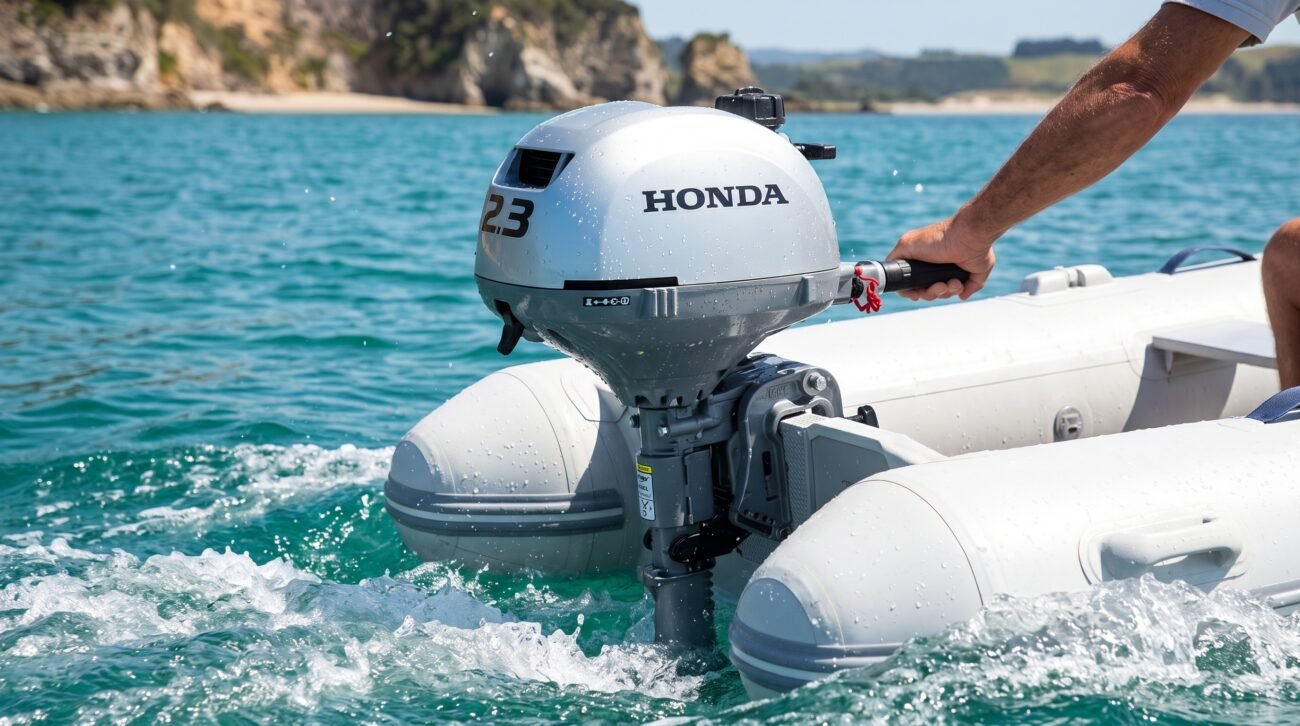
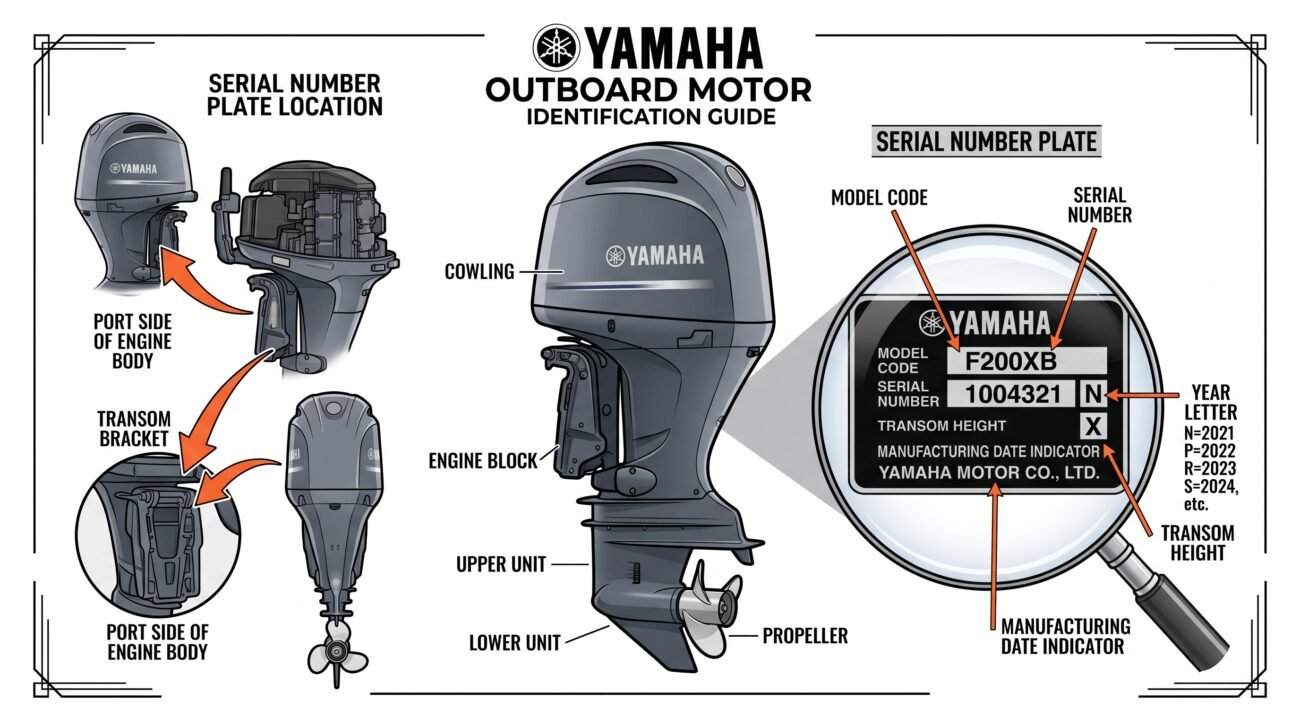
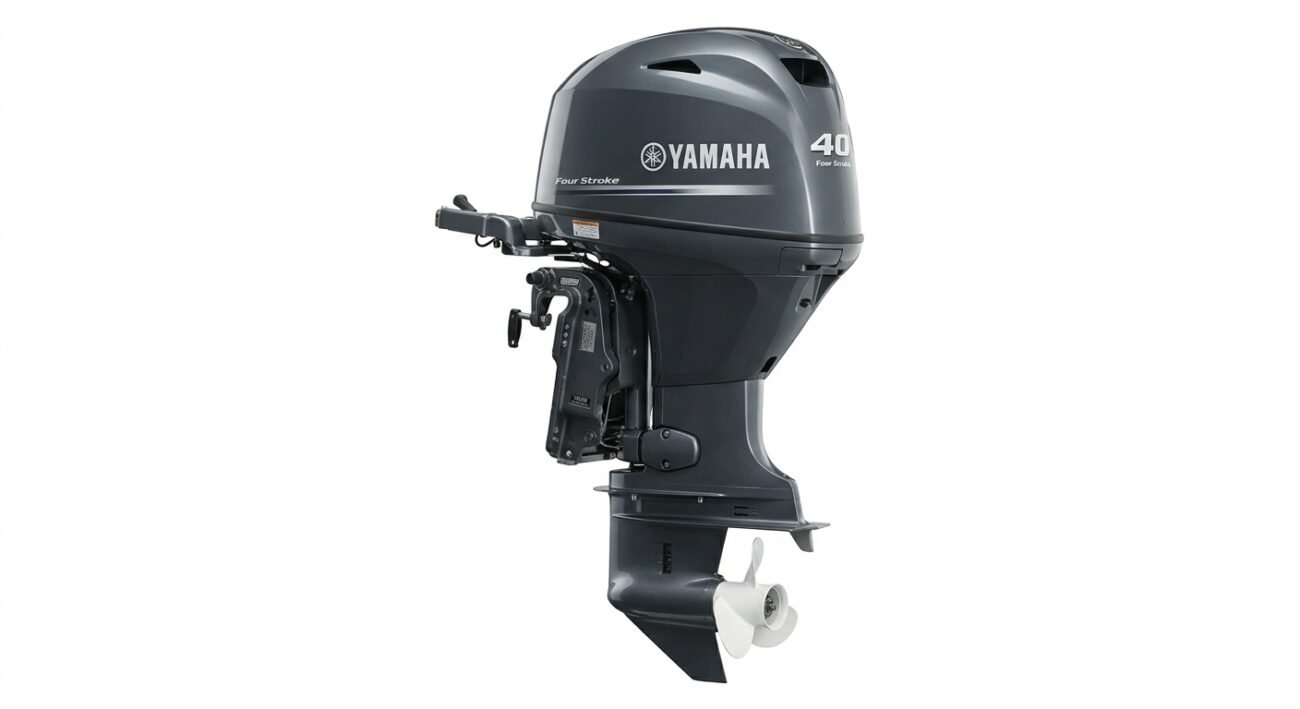
Suzuki 2.5 vs. Yamaha 2.5
When comparing a Suzuki 2.5 with a Yamaha 2.5, buyers should look at the specifications for the exact models being considered.
Weight and portability can be particularly important for small boats. Warranty coverage and access to authorized service should also be considered.
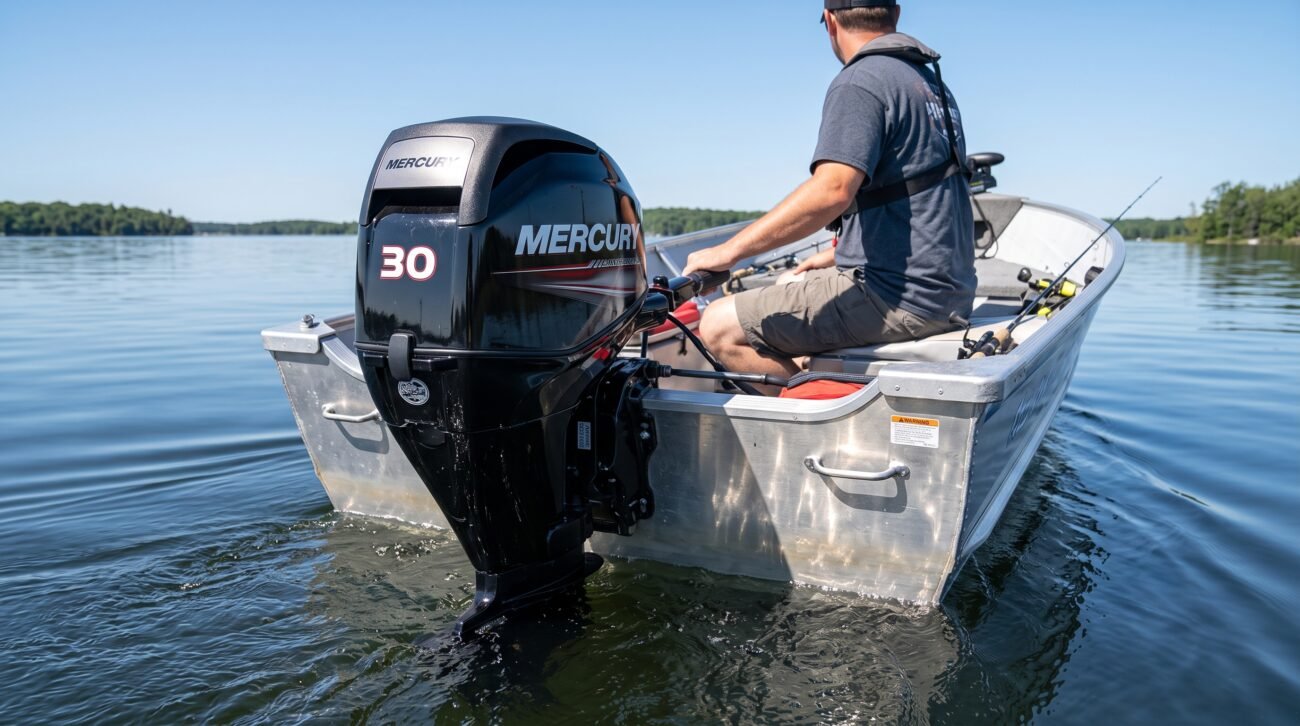
Suzuki 2.5 vs. Mercury 2.5
Mercury also offers small outboard options. A comparison should include the specific engine’s weight, operating characteristics, controls, maintenance requirements, and local dealer support.
Rather than choosing based on brand name alone, match the engine to the boat and intended use.
How to Choose the Right Suzuki 2.5 Outboard
Choosing the correct engine starts with the boat.
First, check the manufacturer’s recommended horsepower range. This is more important than simply deciding that a 2.5 HP engine looks convenient.
Next, consider the total load. Include passengers, fuel, fishing equipment, batteries, safety equipment, and other gear.
For detailed servicing procedures and model-specific maintenance information, owners should follow the instructions provided in the official Suzuki Marine resources and the owner’s manual supplied with the engine.
You should also think about where the boat will be used. A motor suitable for calm, sheltered water may not provide the same practical performance in stronger currents, wind, or waves.
Portability is another consideration. If you regularly carry the engine by hand or transport it in a vehicle, weight and size become significant factors.
Finally, consider service support. Access to an authorized Suzuki Marine dealer or qualified marine technician can be valuable when the engine needs maintenance or replacement parts.
New vs. Used Suzuki 2.5 Outboard
Buying a new engine provides the benefit of knowing the engine’s history and obtaining applicable warranty coverage.
A used Suzuki 2.5 outboard may cost less initially, but its condition should be evaluated carefully.
Before purchasing a used motor, inspect the exterior, propeller, mounting area, controls, fuel system, and visible signs of corrosion or damage.
If possible, have the engine inspected by a qualified marine technician. Service records can also provide useful information about how the engine was maintained.
Do not judge a used outboard only by its appearance. An engine that looks clean externally may still require significant maintenance.
Suzuki 2.5 Outboard Price Considerations
The price of a Suzuki 2.5 outboard can vary by market, dealer, model year, condition, and included equipment.
A new engine may have a different price depending on taxes, dealer fees, transportation, and local market conditions. Used prices can vary even more because engine condition and operating hours can significantly affect value.
When calculating the total purchase cost, remember to consider accessories and installation requirements as well.
A low purchase price does not necessarily mean a lower overall cost if the engine needs immediate repairs or replacement components.
Safety Tips for Operating a Small Outboard
Safe operation should always be a priority, regardless of engine size.
Read the owner’s manual before operating the engine and understand the controls. Make sure the engine is correctly mounted and that the boat is within its recommended capacity.
Wear appropriate personal flotation equipment and follow local boating regulations.
Before leaving shore, check the weather and water conditions. Carry appropriate safety equipment for the type of trip you are making.
Never assume that a small engine means a boat cannot become dangerous. Small boats can still encounter strong currents, changing weather, mechanical problems, and other hazards.
Suzuki 2.5 Outboard Engine Buying Checklist
Before purchasing, consider the following questions:
Is the Horsepower Suitable?
Check the boat manufacturer’s recommended horsepower range and capacity.
Is the Engine Easy to Transport?
Consider its weight and how you will move it between storage and the water.
Is the Shaft Length Correct?
The shaft length should be compatible with the boat’s transom. An incorrect setup can affect propulsion and handling.
Is Local Service Available?
Check whether Suzuki Marine service and replacement parts are accessible in your area.
Is the Price Reasonable?
Compare the complete purchase cost rather than looking only at the advertised engine price.
Is It New or Used?
For used engines, investigate maintenance history and physical condition before purchasing.
FAQs
Is the Suzuki 2.5 outboard engine suitable for small boats?
It can be suitable for appropriately sized lightweight boats, dinghies, tenders, and similar vessels. The boat’s manufacturer specifications should always be checked before selecting an engine.
How much power does the Suzuki 2.5 outboard provide?
The engine is rated at approximately 2.5 horsepower. Exact specifications should be confirmed for the particular Suzuki model and market.
Is a 2.5 HP outboard good for fishing?
A 2.5 HP outboard can be useful for fishing on suitable small boats and in appropriate water conditions. The ideal horsepower depends on the boat’s size, weight, passenger load, and intended environment.
Is the Suzuki 2.5 outboard fuel efficient?
Small outboards can have modest fuel requirements when used on appropriately sized boats. Actual fuel consumption depends on throttle setting, boat weight, hull design, water conditions, maintenance, and other factors.
Can a Suzuki 2.5 outboard be used on an inflatable boat?
It may be suitable for certain inflatable boats, but the boat must be rated for the engine’s horsepower and weight. Always check the inflatable boat manufacturer’s specifications before installation.
How often should a Suzuki 2.5 outboard be serviced?
Service intervals depend on the specific model and operating conditions. Follow the maintenance schedule provided in the official Suzuki owner’s documentation.
Can a 2.5 HP outboard move two people?
Whether it can move two people effectively depends on the boat, total load, water conditions, and manufacturer recommendations. A small engine may move a lightweight boat but provide limited acceleration and speed under heavier loads.
Is the Suzuki 2.5 outboard easy to maintain?
Small outboards can be relatively straightforward to maintain, but regular servicing is still necessary. Following the manufacturer’s maintenance schedule is important for reliable operation.
Is a Suzuki 2.5 outboard good for saltwater?
A suitable marine outboard can be used in saltwater when operated and maintained correctly. Saltwater use requires appropriate rinsing, flushing, corrosion prevention, and maintenance according to Suzuki’s instructions.
Final Thoughts
The Suzuki 2.5 outboard engine is designed for boaters who need compact propulsion for suitable lightweight vessels. Its small horsepower rating makes it fundamentally different from larger outboards, but that does not make it unsuitable for practical boating. The key is matching the engine to the boat and the intended activity.
For a lightweight dinghy, tender, inflatable boat, or small fishing vessel, a compact outboard can offer useful propulsion without the additional size and weight of a larger motor. Portability can also make a small engine convenient for boat owners who frequently transport or store their equipment.
Fuel economy, maintenance, and operating conditions should also be considered before purchasing. A properly maintained engine that is used within its intended limits can provide dependable service, while excessive loads or unsuitable applications can reduce performance.
If you are considering a Suzuki 2.5 outboard engine, check the exact model’s specifications, shaft length, weight, recommended applications, maintenance requirements, and warranty information. Most importantly, confirm that the engine is compatible with your boat’s manufacturer-rated capacity. A good engine choice is not simply about buying the smallest or cheapest motor; it is about finding a suitable balance between power, portability, operating conditions, maintenance, and your actual boating needs.



One thought on “Suzuki 2.5 Outboard Engine: Complete Guide to Performance, Features & Maintenance”