

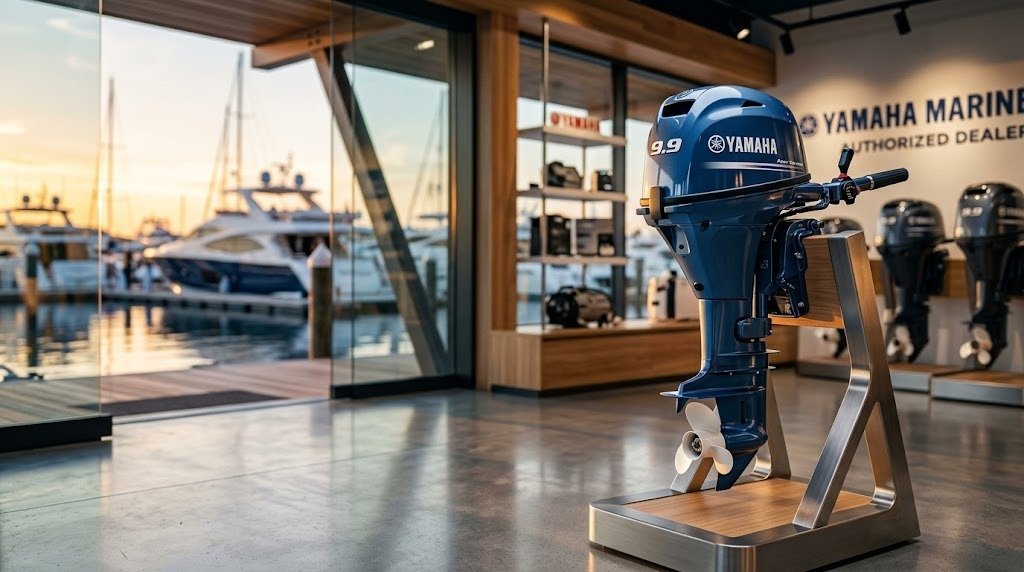
The Yamaha 9.9 outboard engine is a popular choice for boat owners who need dependable power without moving into a larger and heavier outboard category. A 9.9-horsepower motor can be useful for fishing boats, small utility boats, tenders, and other lightweight watercraft where balanced performance, manageable weight, and fuel efficiency matter.
Choosing an outboard engine is not only about horsepower. The boat’s size, hull design, passenger load, intended use, shaft length, propeller, water conditions, and maintenance routine can all affect how an engine performs. A motor that works well on a lightweight fishing boat may not provide the same experience on a heavier or heavily loaded boat.
The Yamaha 9.9 outboard engine has attracted attention because it combines compact dimensions with the practical characteristics expected from a modern small outboard. Depending on the specific model and configuration, buyers can find differences in starting systems, shaft lengths, controls, weight, and other specifications. Therefore, checking the exact model before purchasing is important.
This guide explains what to know about the Yamaha 9.9 outboard engine, including its performance, fuel economy, features, maintenance requirements, common considerations, and buying factors.
What Is the Yamaha 9.9 Outboard Engine?
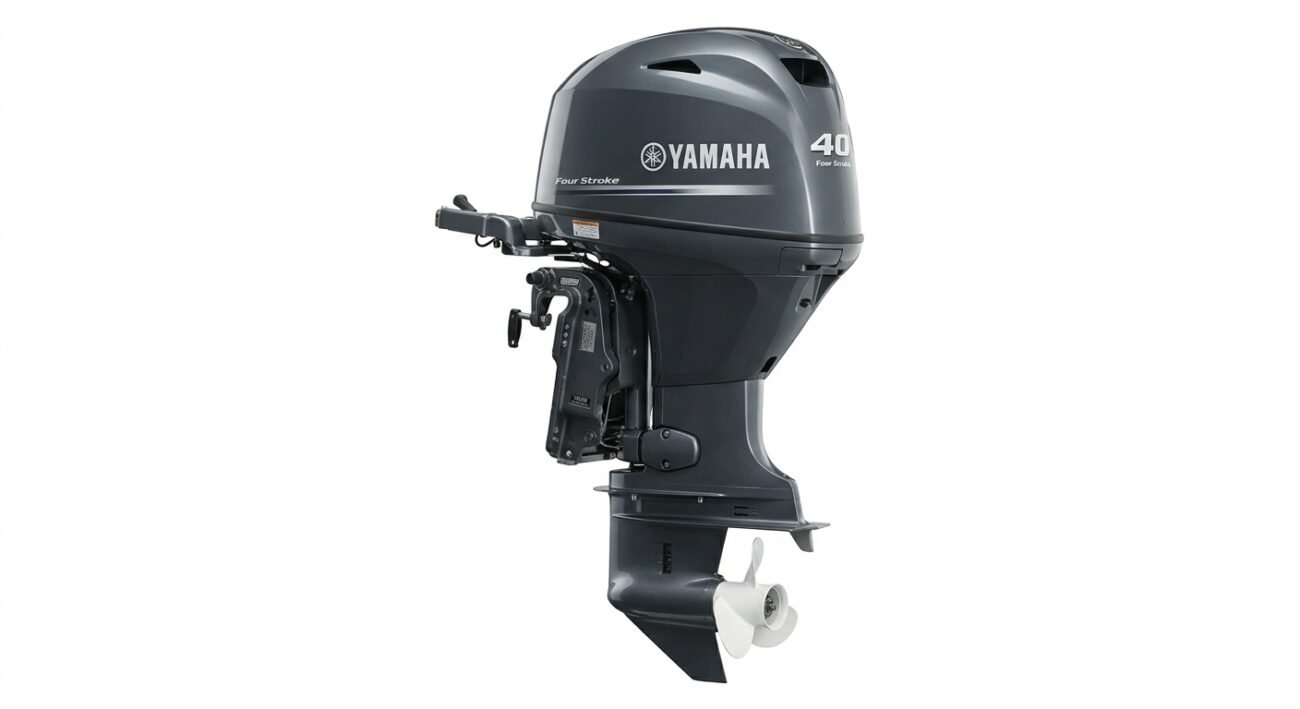
The Yamaha 9.9 outboard engine is a small outboard motor designed to provide up to 9.9 horsepower for compatible boats. It belongs to the lower-horsepower segment, making it particularly relevant to owners of smaller boats who do not need the power or additional weight of a larger engine.
A small outboard can serve several purposes. Some boat owners use a 9.9-horsepower engine as their primary propulsion system, while others use a similar engine for fishing, transportation, or as a secondary motor depending on their boat setup.
One of the main attractions of this horsepower class is the balance between usable power and practicality. A smaller engine generally takes up less space and can be easier to handle than a larger outboard. At the same time, the engine must be properly matched to the boat to deliver satisfactory performance.
Yamaha has produced different 9.9-horsepower outboard configurations over the years, so specifications should not be assumed solely from the horsepower rating. Model year, shaft length, control arrangement, starting system, and other specifications can vary.
Yamaha 9.9 Outboard Engine Specifications
When comparing a Yamaha 9.9 outboard engine, looking at the complete specification sheet is more useful than focusing only on horsepower. Two engines with the same horsepower rating can have different weights, dimensions, controls, and equipment.
Engine Design and Horsepower
The 9.9-horsepower rating places this Yamaha engine in a category suitable for many small boats. The actual performance you experience depends heavily on the boat’s hull and total weight.
A lightweight, properly balanced boat may respond quickly and achieve a useful cruising speed with a 9.9-horsepower engine. A heavier boat carrying several passengers, fuel, fishing equipment, or other cargo will place greater demands on the motor.
This is why horsepower should always be considered alongside the boat manufacturer’s recommended engine range.
Four-Stroke Technology
Many Yamaha 9.9 outboard models use four-stroke technology. Four-stroke outboards are widely used because they can provide smooth operation, good fuel economy, and relatively quiet running characteristics.
A four-stroke engine completes its combustion cycle through four separate strokes. This design differs from a two-stroke engine, which completes the cycle in two strokes.
For boat owners who spend considerable time on the water, the characteristics of a four-stroke engine can be particularly useful. However, the exact specifications and technology depend on the particular Yamaha 9.9 model.
Shaft Length
Shaft length is an important consideration when buying any outboard engine. A Yamaha 9.9 outboard may be available in different shaft configurations depending on the model.
The correct shaft length helps place the propeller at an appropriate depth below the boat. Choosing an unsuitable shaft length can affect handling, efficiency, and overall engine performance.
Before purchasing, measure the boat’s transom and compare the measurement with the manufacturer’s recommended shaft configuration.
Starting System
Depending on the specific model, Yamaha 9.9 outboards can have different starting arrangements. Some versions are designed around manual starting, while others may include electric starting or other features.
Manual starting can be perfectly practical for a lightweight portable setup. Electric starting can be more convenient for boat owners who prefer push-button operation.
When comparing two models, look beyond horsepower and check the starting system as well.
Yamaha 9.9 Outboard Engine Performance
Performance is one of the most important factors when selecting a small outboard. However, there is no single speed figure that applies to every boat powered by a Yamaha 9.9.
The same engine can produce different results depending on the boat’s hull design, weight, propeller, water conditions, passenger load, engine mounting height, and trim.
Acceleration
A Yamaha 9.9 can provide practical acceleration for many lightweight boats. A lightly loaded boat will generally respond more quickly than a boat carrying several passengers and substantial equipment.
Acceleration also depends on propeller selection. The propeller transfers the engine’s power into the water, so choosing an appropriate propeller is essential for achieving the intended operating range.
If the engine struggles to reach the appropriate operating range, the problem may not necessarily be a lack of horsepower. Propeller selection, loading, hull condition, or engine setup may need to be checked.
Cruising Performance
For many owners, cruising performance is more important than maximum speed. A boat used for fishing or relaxed transportation may spend much of its time at moderate throttle rather than full throttle.
A Yamaha 9.9 can be a practical option when the goal is steady propulsion rather than high-speed performance. Keeping the boat properly loaded and maintaining the engine can help provide consistent operation.
Performance With Different Loads
Boat load has a significant effect on small outboard performance. Adding passengers, fuel, batteries, fishing equipment, coolers, or other gear increases the amount of weight the engine must move.
A Yamaha 9.9 that feels responsive with one or two occupants may feel considerably different when the boat is fully loaded.
For this reason, buyers should consider their normal operating conditions rather than testing an engine only under ideal circumstances.
Fuel Economy of the Yamaha 9.9 Outboard
Fuel economy is one of the reasons boat owners consider smaller four-stroke outboards. A 9.9-horsepower engine does not need to produce the same amount of power as a much larger outboard, which can make it appropriate for applications where moderate power is sufficient.
However, there is no universal fuel-consumption number for every Yamaha 9.9 model and operating condition.
What Affects Fuel Consumption?
Several factors influence fuel consumption, including engine speed, boat weight, hull design, propeller selection, water conditions, throttle position, and maintenance.
Running an engine at maximum throttle generally uses more fuel than cruising at a moderate speed. However, operating too slowly under an unsuitable load can also result in inefficient performance.
The best approach is to operate the engine within the manufacturer’s recommended range and use a propeller that matches the boat and engine combination.
How to Improve Fuel Efficiency
Good maintenance is one of the simplest ways to support consistent fuel economy. Keeping the fuel system clean, inspecting the spark plug, maintaining the cooling system, checking the propeller, and following the manufacturer’s service recommendations can all help.
Boat loading also matters. Removing unnecessary equipment can reduce the amount of work required from the engine.
Correct trim can also influence how efficiently the boat moves through the water. The ideal trim position varies with boat design, load, and water conditions.
Key Features of the Yamaha 9.9 Outboard Engine
The features of a Yamaha 9.9 vary by model and year, but several characteristics are commonly important when evaluating this type of outboard.
Compact Design
Small outboards are attractive partly because they can fit boats where a larger motor would be impractical.
A compact engine can also simplify storage and transportation, particularly for boat owners who use portable boats or frequently move their equipment.
Four-Stroke Operation
Where applicable, four-stroke technology provides characteristics such as smooth operation and practical fuel efficiency.
The design is particularly useful for owners who want a small engine that can provide dependable propulsion without stepping into a larger horsepower class.
Cooling System
An outboard engine needs an effective cooling system to control operating temperature. Yamaha outboards use water-based cooling systems to help regulate engine temperature.
Regular inspection of cooling-water flow is important. If the engine shows signs of overheating or the cooling-water indicator does not behave normally, operation should be stopped and the cause investigated.
Corrosion Protection
Outboard motors operate in an environment where water, salt, and moisture can contribute to corrosion. This makes proper rinsing, inspection, and maintenance particularly important for boats used in saltwater.
Saltwater users should follow Yamaha’s recommended flushing and corrosion-prevention procedures for their particular model.
Yamaha 9.9 Outboard Engine Weight and Portability
Weight is especially important for small boats. Adding a heavy engine to the transom can change the boat’s balance and affect handling.
A Yamaha 9.9 outboard may be manageable for some portable applications, but the exact weight depends on the model and configuration.
Why Weight Matters
The engine is mounted at the rear of the boat, so its weight contributes to the boat’s overall balance. If the engine is too heavy for the boat, the stern may sit lower in the water.
This can affect performance and handling.
Before purchasing, check the boat manufacturer’s maximum recommended engine weight and horsepower. Never assume that a motor is suitable simply because its horsepower appears appropriate.
Portable Use
For portable boats, engine handling is another important consideration. Owners may need to remove the motor for transportation or storage.
In such situations, engine weight, carrying handles, storage position, and available assistance should all be considered.
Yamaha 9.9 Outboard Engine Price
The price of a Yamaha 9.9 outboard engine varies according to model, year, condition, configuration, location, and included equipment.
A brand-new engine generally costs more than a used example, but the purchase price is only one part of the total cost of ownership.
New vs. Used Yamaha 9.9
A new Yamaha 9.9 can provide the advantage of a current model, a manufacturer’s warranty where applicable, and a known operating history.
A used engine may cost less, but its condition should be carefully evaluated before purchase.
Ask about service records, previous usage, storage conditions, saltwater exposure, repairs, and replacement parts. A low purchase price does not necessarily mean lower ownership costs if the engine requires significant maintenance.
Additional Costs
Buyers should also consider expenses such as:
- Propeller
- Fuel tank and fuel lines
- Controls
- Battery, where applicable
- Engine mounting
- Installation
- Safety equipment
- Routine servicing
- Replacement parts
Considering these costs gives you a more realistic picture of the investment.
Yamaha 9.9 Outboard Engine Maintenance
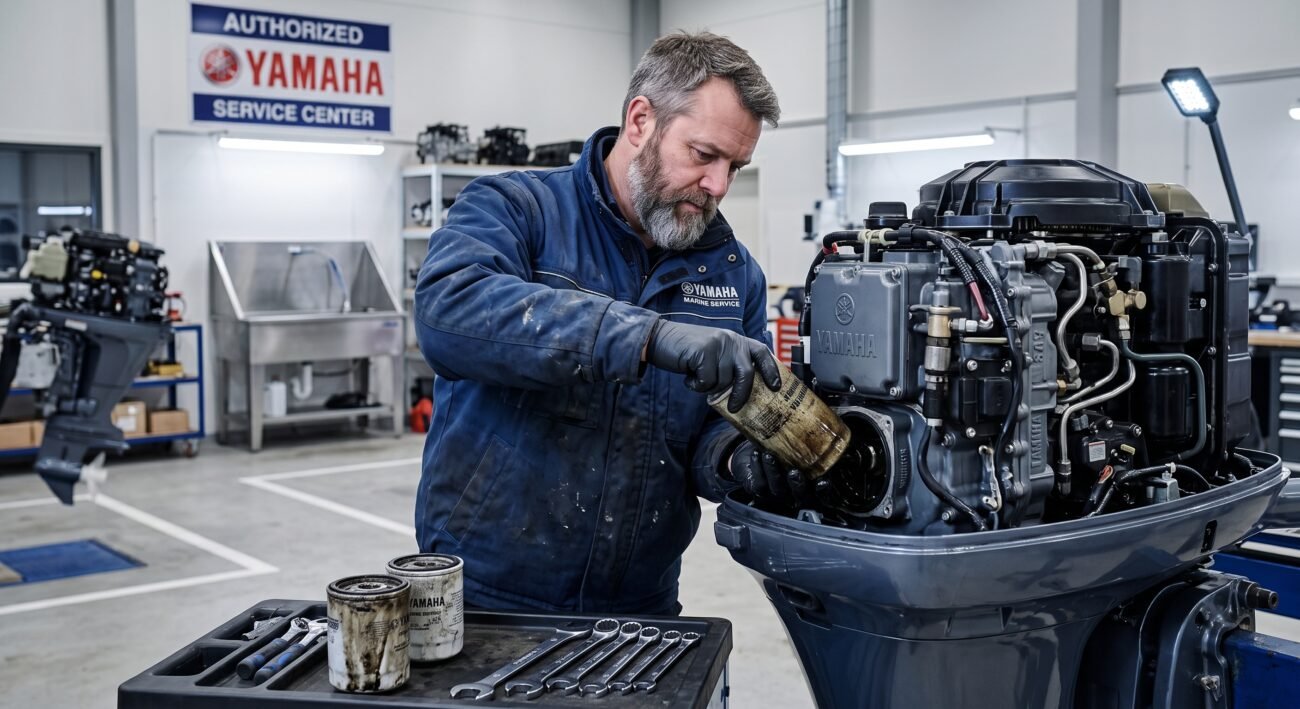
Regular maintenance is essential for keeping a Yamaha 9.9 running properly. A maintenance schedule should follow the specific instructions provided for the engine model.
Engine Oil
Four-stroke engines require engine oil to lubricate internal components. Oil should be checked and changed according to the manufacturer’s recommended schedule.
Using the correct oil specification and maintaining the appropriate oil level are important parts of routine care.
Fuel System
Fuel problems are a common cause of starting and running issues in small outboards.
Inspect fuel lines, connections, filters, and the fuel tank regularly. Old or contaminated fuel can cause performance problems.
When storing the engine for an extended period, follow the manufacturer’s storage recommendations.
Spark Plug Inspection
Spark plugs play an important role in combustion. Worn, fouled, or incorrectly gapped spark plugs can contribute to difficult starting, rough running, or poor performance.
Check and replace them according to the recommended maintenance schedule.
Cooling System
The cooling system should be inspected regularly to make sure water is circulating properly.
A weak or missing cooling-water stream can indicate a problem that requires attention. Continuing to operate an overheating engine can cause serious damage.
Propeller Inspection
The propeller is exposed to underwater hazards, so it should be inspected regularly.
Look for damage, bent blades, fishing line, weeds, or other material around the propeller area. Even relatively small damage can affect performance and vibration.
Gearcase Lubricant
The lower unit contains gears that require appropriate lubrication. Checking the gearcase lubricant according to the manufacturer’s maintenance schedule can help identify potential problems early.
If the lubricant shows signs of water contamination or other abnormal conditions, professional inspection may be necessary.
Common Yamaha 9.9 Outboard Problems
Even a well-maintained outboard can develop problems over time. Understanding common symptoms can help owners recognize when service may be needed.
Engine Does Not Start
Starting problems can have several causes. Fuel issues, spark-plug problems, battery conditions on electric-start configurations, or other mechanical and electrical issues can all contribute.
Rather than repeatedly attempting to start the engine, check the basic systems according to the owner’s manual.
Rough Running
An engine that runs unevenly may have a fuel, ignition, air, or mechanical issue.
Poor-quality fuel or a restricted fuel system can sometimes contribute to rough operation. If the issue continues after basic checks, professional servicing is appropriate.
Overheating
Overheating should not be ignored. Restricted cooling-water flow, debris, or cooling-system problems can contribute to excessive engine temperature.
Stop the engine and investigate the issue according to the manufacturer’s guidance.
Poor Acceleration
Poor acceleration can result from incorrect propeller selection, excessive boat loading, engine condition, or other setup problems.
Before assuming that the engine is underpowered, check the boat’s load, propeller, trim, and maintenance condition.
Yamaha 9.9 Outboard for Fishing Boats
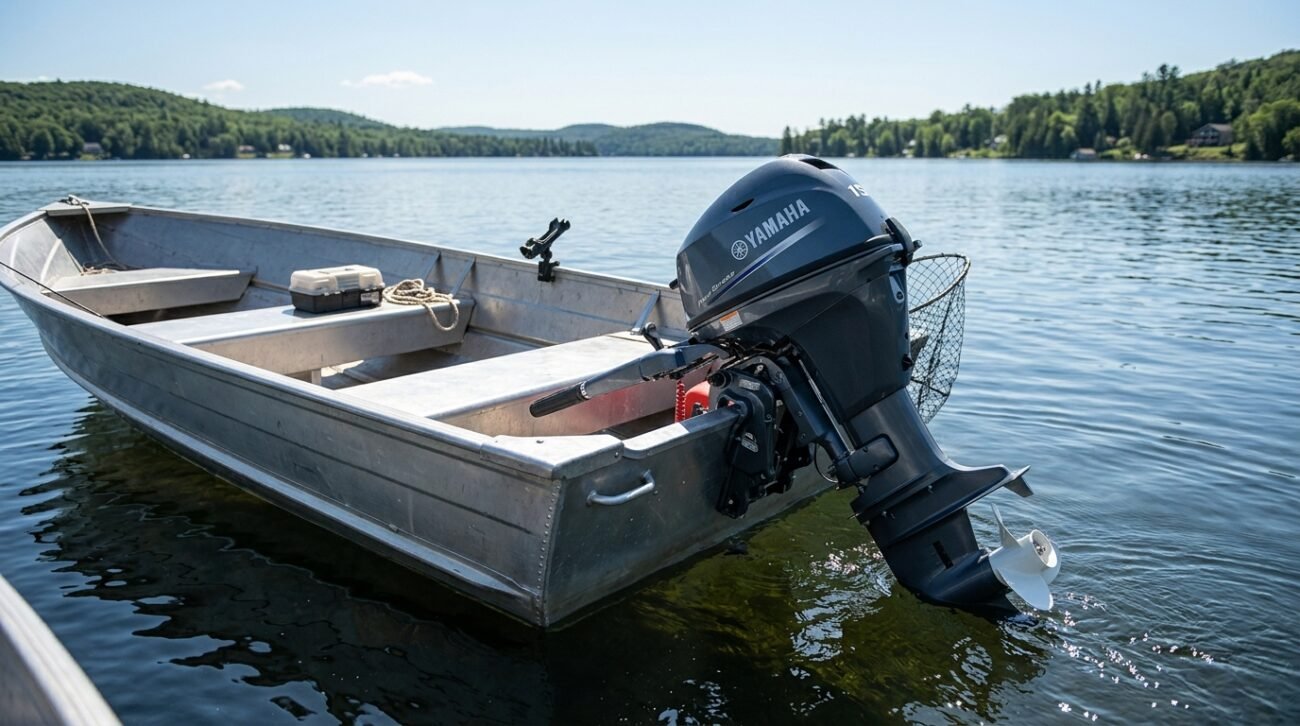
The Yamaha 9.9 outboard engine can be useful for certain small fishing boats, particularly where moderate power is enough for the boat and typical load.
Fishing often involves extended periods on the water, so fuel economy, smooth operation, and reliability can be important considerations.
Trolling and Low-Speed Operation
Anglers may spend considerable time moving slowly between fishing locations. A small outboard can provide useful propulsion without requiring the power of a much larger motor.
However, the ideal setup depends on the fishing boat, water conditions, and intended use.
Fishing Equipment and Load
Fishing equipment can add considerable weight. Rods, tackle boxes, batteries, coolers, fuel, electronics, and passengers all contribute to total boat weight.
When evaluating a Yamaha 9.9 for fishing, consider the boat’s fully loaded condition rather than its empty weight.
Yamaha 9.9 Outboard vs. Larger Outboards
A 9.9-horsepower engine is not designed to replace a larger outboard in every situation.
A larger engine may be necessary when the boat is heavier, carries more passengers, or requires stronger acceleration and higher cruising performance.
The advantage of staying with a 9.9-horsepower motor is that it may provide sufficient power without adding the weight, size, and operating demands associated with a larger engine.
The correct choice therefore depends on the boat and its intended use rather than simply selecting the largest available horsepower.
Yamaha 9.9 vs. 8 HP Outboard
The difference between 8 and 9.9 horsepower may appear small, but actual performance depends on the entire boat-and-engine combination.
A 9.9-horsepower motor provides a higher rated power output, which may be useful when the boat’s design and weight can take advantage of it.
Yamaha offers different outboard models and configurations, so specifications can vary by model and market. Before purchasing, check the manufacturer’s current specifications for the exact engine you are considering. Yamaha Outboard Products & Specifications
However, the additional power is only beneficial if the boat is appropriately rated and configured.
Yamaha 9.9 vs. 15 HP Outboard
A 15-horsepower outboard can provide more power than a 9.9-horsepower model, but it may also be heavier and require a boat capable of handling the additional power.
If a boat is designed for a 9.9-horsepower maximum, installing a 15-horsepower engine simply for additional performance may be inappropriate.
Always follow the boat manufacturer’s maximum horsepower and weight recommendations.
How to Choose the Right Yamaha 9.9 Outboard
Selecting the right Yamaha 9.9 outboard involves more than checking the price.
Check Your Boat’s Maximum Horsepower
Start with the boat manufacturer’s specifications. The engine should fall within the approved horsepower range.
Never exceed the boat’s maximum recommended horsepower.
Measure the Transom
Confirm the required shaft length before purchasing. An incorrect shaft configuration can cause installation and performance problems.
Consider Your Typical Load
Think about how many people normally use the boat and how much equipment you carry.
If the boat is frequently operated at maximum capacity, performance may differ significantly from an unloaded test.
Think About Where You Boat
Freshwater and saltwater environments create different maintenance considerations.
Saltwater users should pay particular attention to flushing, corrosion protection, and regular inspection.
Consider Your Budget
The purchase price is only one part of the cost. Include installation, fuel equipment, maintenance, spare parts, and accessories when comparing options.
Tips for Getting Better Performance From a Yamaha 9.9
Proper setup can make a noticeable difference in how an outboard performs.
Start by making sure the engine is mounted according to the manufacturer’s recommendations. The propeller should also be appropriate for the boat and intended operating conditions.
Keep the boat properly loaded and distribute passengers and equipment sensibly. Excessive weight can reduce acceleration and increase fuel consumption.
Keep the propeller clean and inspect it after operating in shallow or debris-filled water. Even minor damage can affect efficiency.
Regular maintenance is equally important. Fresh, suitable fuel, clean filters, properly maintained spark plugs, correct engine oil, and a functioning cooling system all contribute to dependable operation.
Trim can also influence how the boat moves through the water. Experimenting within the manufacturer’s recommended operating practices can help you find an efficient cruising setup.
Yamaha 9.9 Outboard Engine for Small Boats
Small boats are often sensitive to engine weight and balance, making a compact outboard an important consideration.
A Yamaha 9.9 can be suitable for many small watercraft when the boat is properly rated for that horsepower and engine weight.
Before purchasing, consider the hull type, boat length, maximum passenger capacity, maximum engine rating, and normal operating environment.
For a lightweight fishing boat used on calm inland water, the requirements may be very different from those of a heavier utility boat used in stronger currents.
How Long Can a Yamaha 9.9 Outboard Last?
There is no single guaranteed lifespan for an outboard engine. Service life depends on maintenance, operating conditions, storage, usage frequency, and how the engine is treated.
An engine that receives regular servicing, proper flushing, correct lubrication, and suitable storage can generally be expected to remain useful for many years.
Saltwater exposure, poor storage, contaminated fuel, overheating, neglect, and frequent operation under excessive loads can increase wear.
For a used Yamaha 9.9, maintenance history can therefore be just as important as age.
Buying a Used Yamaha 9.9 Outboard Engine
A used Yamaha 9.9 can be an attractive option when the engine has been properly maintained.
Before buying, inspect the exterior for corrosion, damage, leaks, and signs of previous repairs. Ask the seller about maintenance records and how the motor was used.
If possible, have the engine inspected by a qualified marine technician. A professional inspection can reveal problems that may not be obvious during a simple visual check.
Pay attention to the condition of the propeller, lower unit, fuel system, controls, and starting system.
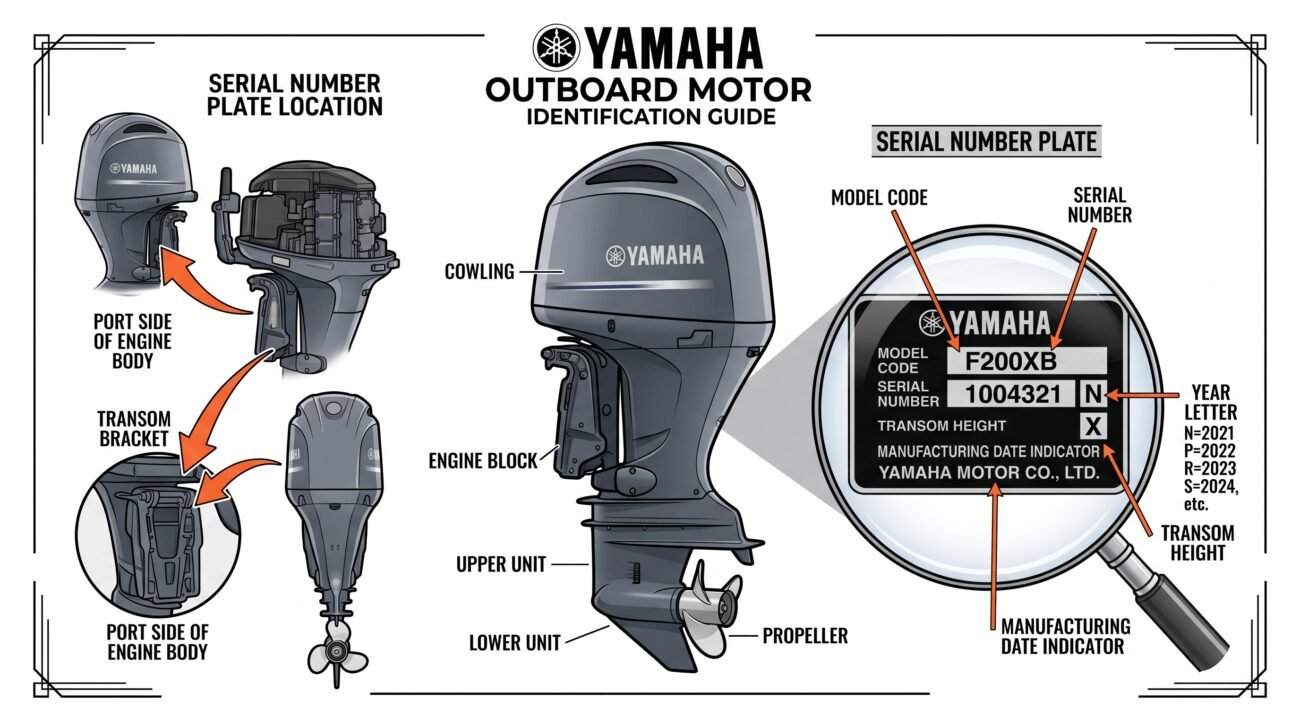
It is also useful to verify the exact model and serial information so you can obtain the correct specifications and replacement parts.
Yamaha 9.9 Outboard Engine Safety Considerations
Safe operation should always come before performance.
Make sure the boat is rated for the engine and never exceed the manufacturer’s passenger or weight capacity.
Wear appropriate personal flotation devices and follow local boating regulations. Keep emergency equipment available and inspect the boat before leaving shore.
Do not operate an engine that is showing serious signs of overheating, fuel leakage, unusual vibration, or other potentially dangerous problems.
Regular maintenance is not only about protecting the engine. It also contributes to safer boating.
FAQs
Is the Yamaha 9.9 outboard a good choice for a small boat?
It can be a practical choice for a small boat that is properly rated for a 9.9-horsepower engine. The boat’s weight, hull design, passenger capacity, and intended use should all be considered before purchasing.
How fast can a Yamaha 9.9 outboard engine go?
There is no single speed that applies to every Yamaha 9.9 setup. Speed depends on the boat, hull design, total load, propeller, trim, water conditions, and engine configuration.
Is the Yamaha 9.9 outboard fuel efficient?
A properly maintained 9.9-horsepower four-stroke can offer practical fuel economy for suitable small-boat applications. Actual consumption varies with engine speed, load, hull design, propeller, and operating conditions.
What size boat can a Yamaha 9.9 power?
The appropriate boat size depends on the hull design and manufacturer specifications rather than length alone. Always check the boat’s approved horsepower range before selecting an engine.
How much does a Yamaha 9.9 outboard cost?
Pricing varies by model year, configuration, condition, location, and whether the engine is new or used. Installation and accessories can also add to the total cost.
Is the Yamaha 9.9 a four-stroke engine?
Many Yamaha 9.9 models use four-stroke technology, but specifications vary between model generations. Check the exact model documentation before purchasing.
How often should a Yamaha 9.9 outboard be serviced?
Service intervals depend on the exact model and operating conditions. Follow the maintenance schedule in the owner’s manual and arrange additional inspection if the engine develops unusual symptoms.
Can a Yamaha 9.9 be used in saltwater?
A suitable Yamaha 9.9 configuration can be used in saltwater, but saltwater operation requires careful maintenance. Flushing, corrosion protection, and regular inspection are especially important.
What propeller should I use with a Yamaha 9.9?
The correct propeller depends on the exact engine model, boat, load, and intended operation. Yamaha’s recommended specifications and a qualified marine professional can help determine the appropriate propeller.
Is a used Yamaha 9.9 worth considering?
A used model can be considered when its condition and maintenance history are satisfactory. Inspect the engine carefully and, when possible, have a qualified technician evaluate it before purchase.
Final Thoughts
The Yamaha 9.9 outboard engine can be a practical power option for boat owners who need moderate horsepower in a compact package. Its usefulness comes from the balance between power, manageable size, fuel-conscious operation, and suitability for many small-boat applications. However, the right engine depends on the complete boat setup rather than horsepower alone.
Before purchasing, check the boat manufacturer’s maximum horsepower and engine-weight recommendations. Confirm the correct shaft length, review the exact Yamaha model specifications, and consider whether you need manual or electric starting. Your normal passenger load, fishing equipment, fuel capacity, and operating environment should also influence the decision.
Maintenance is another major part of long-term ownership. Regular oil service, fuel-system care, cooling-system inspection, propeller checks, and proper storage can help maintain dependable performance. Saltwater users should pay additional attention to flushing and corrosion protection.
Whether you are buying a new Yamaha 9.9 or considering a used model, compare the complete setup instead of focusing only on the purchase price. With the right boat, propeller, installation, and maintenance routine, a properly matched 9.9-horsepower outboard can provide practical and reliable performance for everyday boating.


One thought on “Yamaha 9.9 Outboard Engine: Performance, Fuel Economy, Features & Buying Guide”