
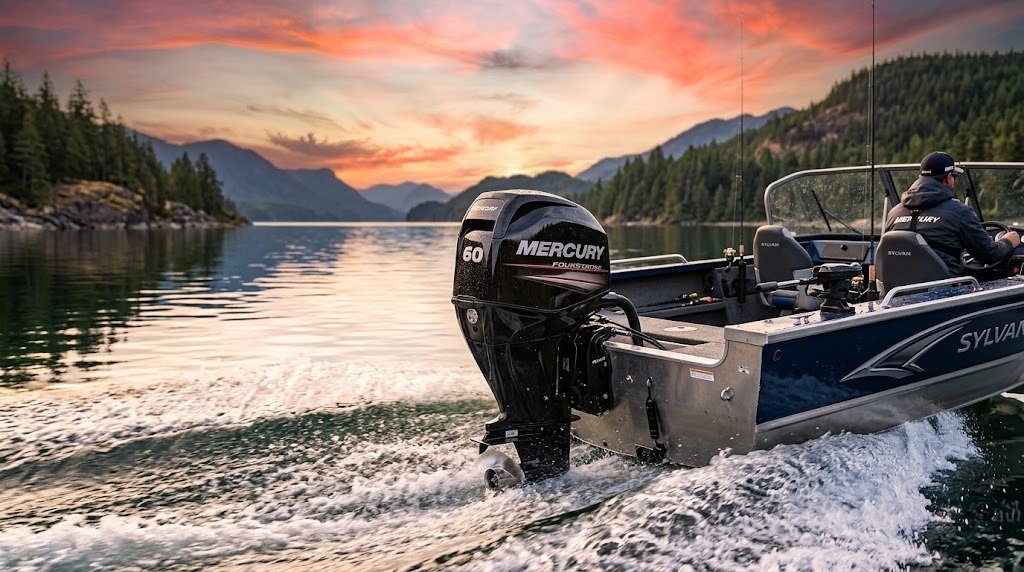
A 60 hp outboard engine can be a practical choice for boat owners who want a balance between useful power, manageable weight, fuel economy, and everyday reliability. It sits in a popular middle range, offering more performance than many smaller outboards while remaining easier to handle than larger engines.
Whether you are choosing an engine for fishing, family boating, cruising, or general recreation, horsepower is only one part of the decision. Boat weight, hull design, passenger capacity, shaft length, propeller selection, and the manufacturer’s maximum horsepower rating all affect how well a 60 HP engine will perform.
Modern 60 HP outboards are available from several established manufacturers and commonly feature four-stroke technology, electronic or electric starting, power trim and tilt, fuel injection, and improved corrosion protection. However, specifications can vary considerably between models.
This guide explains what a 60 HP outboard engine can do, what size boat it can power, how much fuel it may use, what it can cost, and what to check before purchasing one.
What Is a 60 HP Outboard Engine?
A 60 HP outboard is an engine designed to produce approximately 60 horsepower and mount externally on the transom of a boat. Unlike an inboard engine, the outboard combines the engine, transmission components, propeller shaft, and propeller into one external propulsion unit.
The 60 horsepower rating describes the engine’s power output, but it does not tell you exactly how fast a particular boat will travel. Two boats using the same engine can have very different performance because their hulls, weights, shapes, and propellers may differ.
For this reason, selecting an engine should always involve checking the boat manufacturer’s specifications rather than choosing an engine based only on horsepower.
What Does 60 Horsepower Mean?
Horsepower is a measurement of mechanical power. In simple terms, a 60 HP engine has considerably more available power than a 40 or 50 HP outboard, while generally requiring less fuel, weight, and installation complexity than many larger engines.
The useful performance you experience on the water depends on how that power is transferred through the propeller and how efficiently the hull moves through the water.
Why Are 60 HP Outboards Popular?
A 60 HP engine can fit the needs of boat owners who want a versatile power level without moving into the larger and heavier outboard categories.
It may be suitable for fishing boats, aluminum boats, fiberglass boats, utility boats, and some smaller recreational boats. The exact application depends on the boat’s design and its approved horsepower range.
What Size Boat Is Suitable for a 60 HP Outboard?
There is no single boat length that is automatically correct for a 60 HP outboard. Boat weight and design can be just as important as length.
A lightweight boat may perform very differently from a heavy boat of the same length. A deep-V fishing boat, flat-bottom aluminum boat, and pontoon boat can also require different amounts of power.
Before purchasing a 60 HP outboard engine, check the boat’s capacity plate or manufacturer’s documentation. It should specify the maximum permitted horsepower.
Small Fishing Boats
Many appropriately rated fishing boats can work well with a 60 HP outboard. The engine can provide enough power for transportation between fishing locations while still allowing controlled low-speed operation.
The number of passengers, fuel, batteries, fishing equipment, and other gear should also be considered because additional weight affects acceleration and speed.
Aluminum Boats
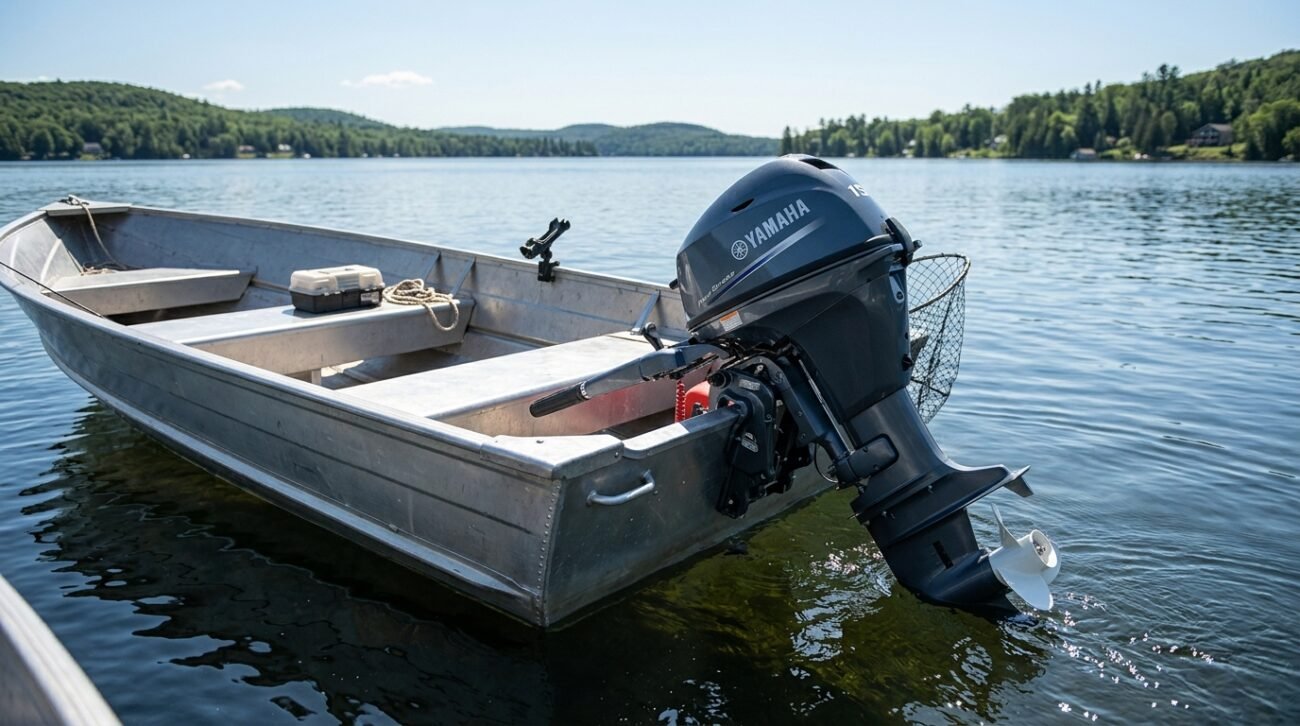
Aluminum boats are often relatively lightweight, which can allow a 60 HP outboard to provide responsive performance when the hull is designed for that power level.
However, aluminum construction varies considerably. A larger heavy-duty aluminum boat can require substantially more power than a small lightweight model.
Fiberglass Boats
Fiberglass boats can also be paired with 60 HP engines when the manufacturer’s specifications permit it.
The hull shape plays a major role in performance. A planing hull may respond differently from a displacement-style hull, even with the same engine.
Pontoon Boats
Some smaller pontoon boats can use a 60 HP outboard, but pontoon performance depends heavily on deck length, tube design, passenger load, and overall weight.
A heavily loaded pontoon may feel underpowered if the engine is too small for its intended use, so the manufacturer’s recommended horsepower range should always be followed.
How Fast Can a 60 HP Outboard Engine Go?
The top speed of a boat with a 60 HP outboard can vary substantially. There is no universal speed figure that applies to every boat.
A lightweight boat with a suitable hull and correctly matched propeller can reach a significantly higher speed than a heavier boat carrying several passengers and equipment.
Important factors include hull design, boat weight, water conditions, propeller pitch, engine mounting height, trim position, and total load.
Why Boat Weight Matters
As weight increases, the engine has to move more mass through the water. Acceleration can become slower, and the boat may require more time to reach planing speed.
This is why an empty boat can feel dramatically different from the same boat loaded with passengers, fuel, batteries, coolers, and fishing equipment.
Why Propeller Selection Matters
The propeller converts engine power into thrust. Its diameter, pitch, number of blades, and design can affect acceleration, cruising performance, and engine operating speed.
Choosing a propeller simply because it fits physically is not enough. The propeller should be matched to the engine and boat according to the manufacturer’s recommendations.
60 HP Outboard Engine Fuel Consumption
Fuel consumption is one of the most important considerations when choosing an outboard. However, a manufacturer cannot provide one fuel-consumption figure that accurately represents every boating situation.
An engine operating at high throttle will generally consume more fuel than one cruising at a moderate speed.
What Affects Fuel Consumption?
Several factors can influence how much fuel a 60 HP outboard uses:
- Boat weight
- Hull design
- Throttle position
- Engine condition
- Propeller selection
- Water conditions
- Passenger load
- Trim position
- Cruising speed
- Maintenance
A properly matched engine and propeller can help the boat operate efficiently.
How to Improve Fuel Efficiency
Smooth throttle operation can help reduce unnecessary fuel consumption. Carrying only the equipment you need can also reduce weight.
Keeping the hull clean, maintaining the engine according to the manufacturer’s schedule, and using the correct propeller are additional ways to support efficient operation.
It is also important to avoid assuming that running at full throttle is the best way to travel quickly over long distances. A moderate cruising speed can often provide a better balance between speed and fuel use.
4-Stroke 60 HP Outboard Engines
Four-stroke outboards have become common in modern recreational boating because of their combination of performance, fuel efficiency, and relatively quiet operation.
A four-stroke engine completes its combustion cycle using four piston strokes. Unlike traditional two-stroke designs, it does not mix engine oil with fuel in the same way.
Advantages of Four-Stroke Engines
Modern four-stroke 60 HP outboards can offer several practical benefits, including smooth operation, strong low-speed control, and good fuel economy under suitable operating conditions.
They can also be attractive to boat owners who regularly spend extended periods on the water.
Things to Consider
Four-stroke engines can be heavier than some older two-stroke designs. Their weight should therefore be considered when matching an engine to a boat.
Maintenance requirements also differ depending on the engine design, so owners should follow the manufacturer’s service schedule rather than relying on generic maintenance intervals.
2-Stroke vs. 4-Stroke 60 HP Outboards
Older two-stroke outboards remain available in the used market, while modern buyers may encounter mostly four-stroke options depending on their region and manufacturer.
Two-stroke engines are known for their relatively simple mechanical design and strong power-to-weight characteristics. Four-stroke engines are widely used for their smooth operation and fuel-efficiency characteristics.
When comparing the two, consider the engine’s age, condition, emissions requirements, parts availability, fuel system, maintenance history, and local regulations.
For a used engine, condition and service history can matter more than simply choosing one engine type over another.
Popular 60 HP Outboard Engine Brands
Several major marine manufacturers produce or have produced outboards in the 60 HP class. Exact model availability varies by market and model year.
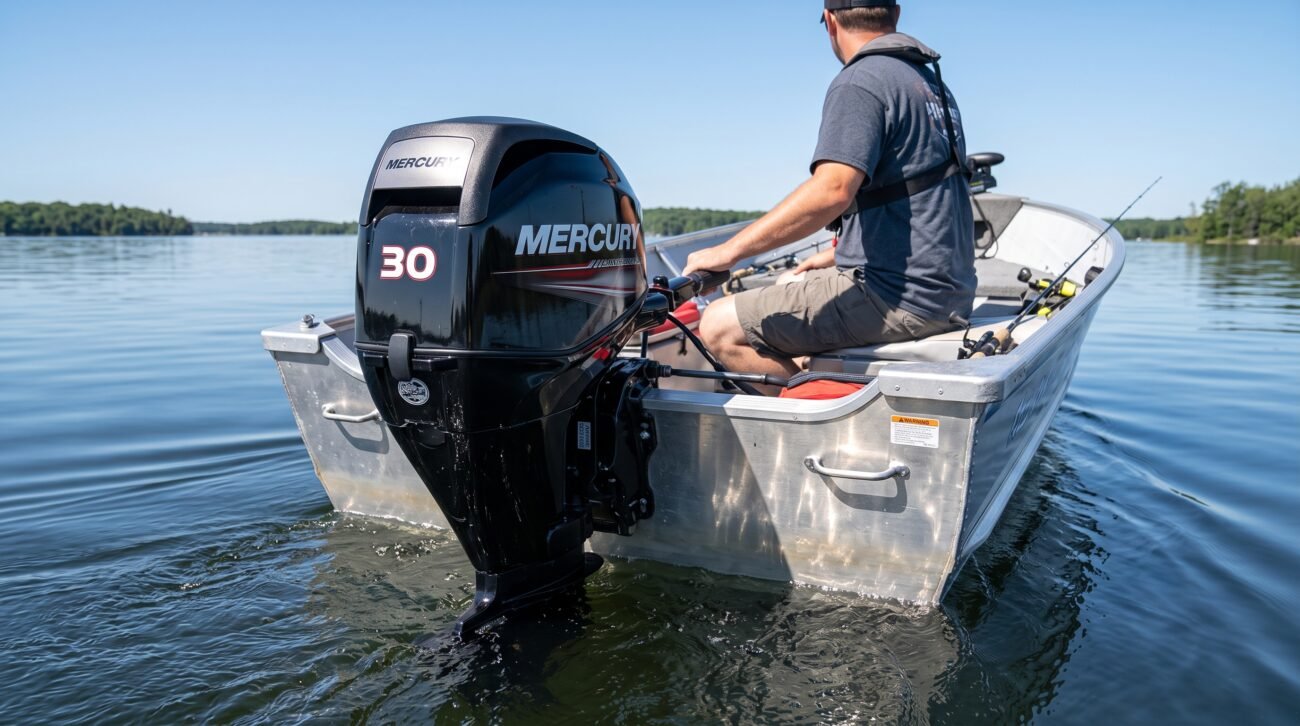
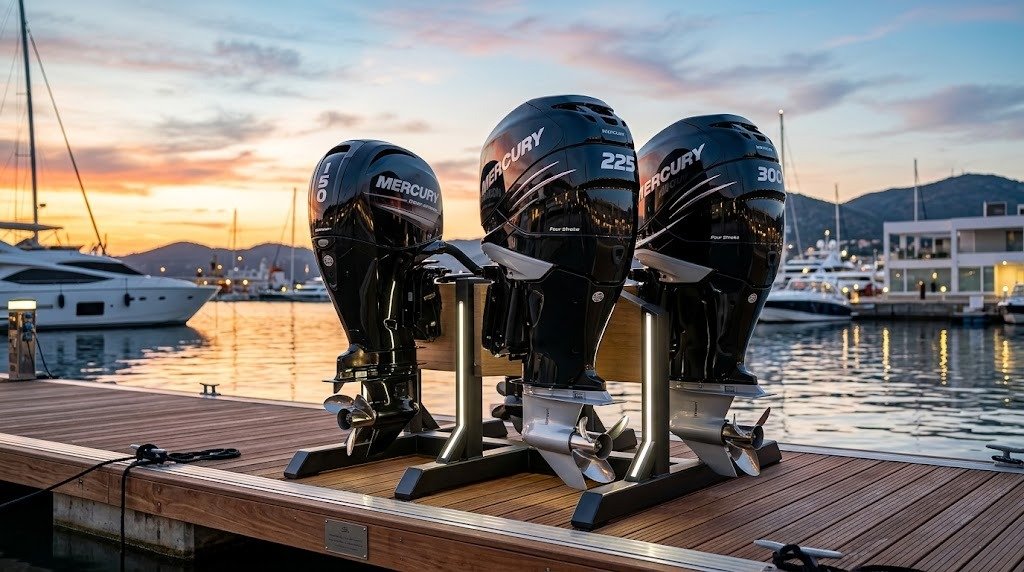
Mercury 60 HP Outboard
Mercury offers outboards across a broad range of horsepower categories. Its 60 HP models have been used on fishing boats, recreational boats, and other applications where the boat is rated for that power.
When comparing a Mercury 60 HP model, check the specific model year because specifications, features, and available configurations can differ.
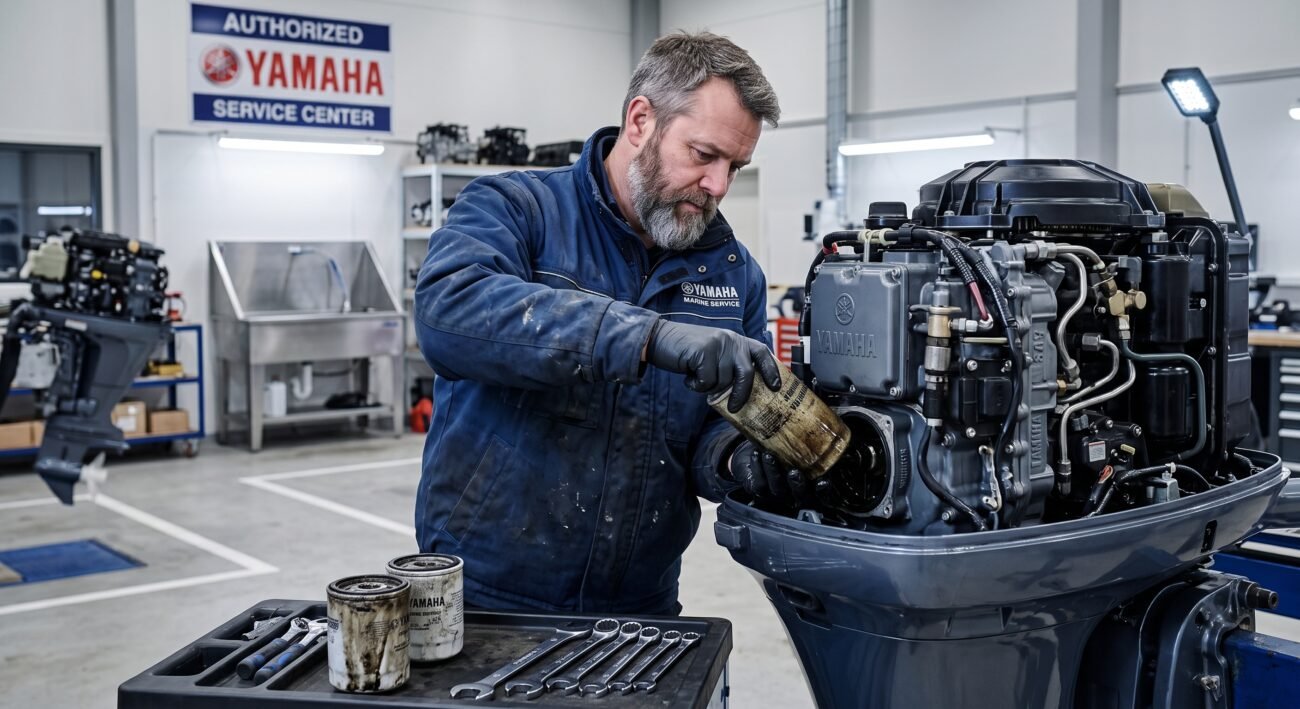
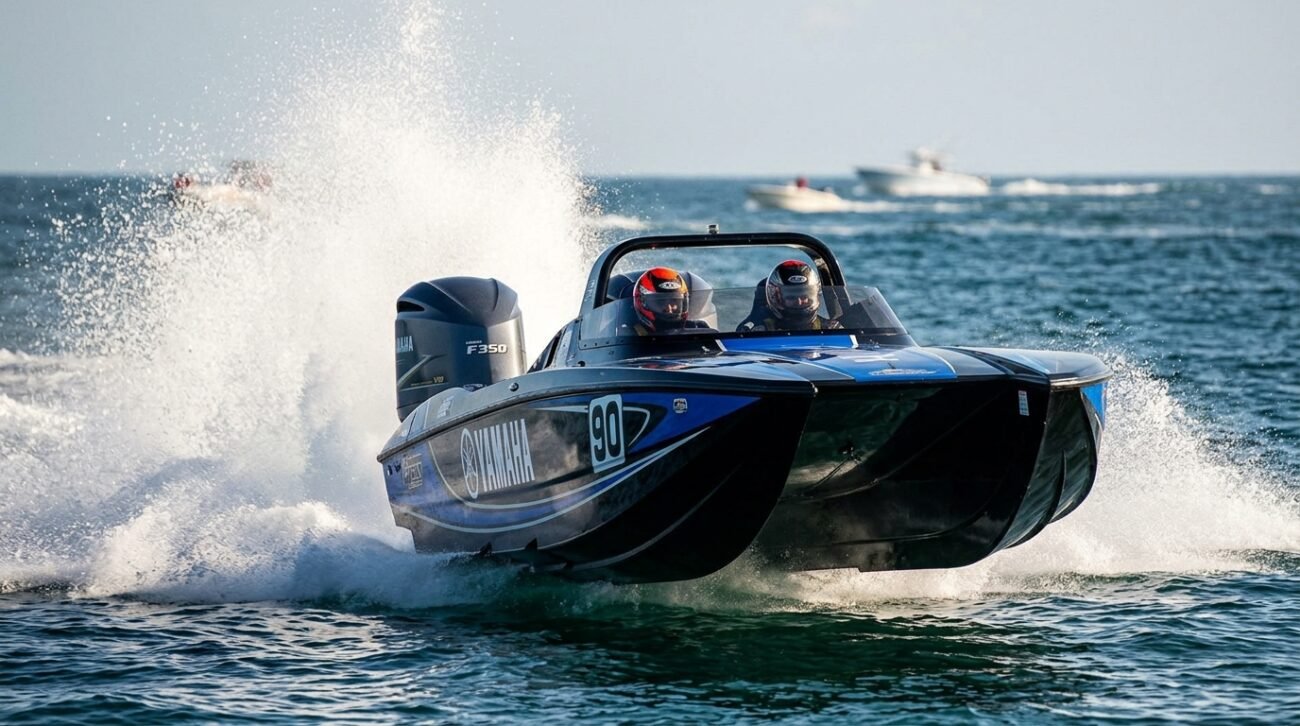
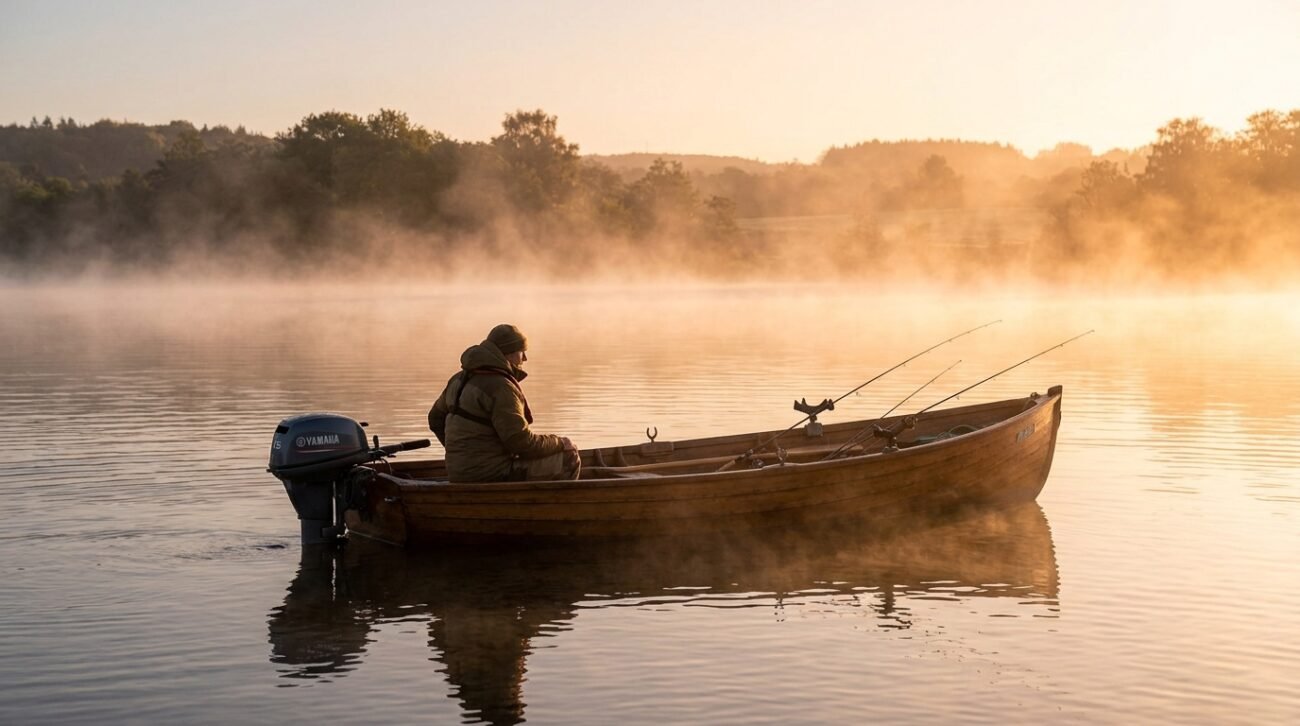
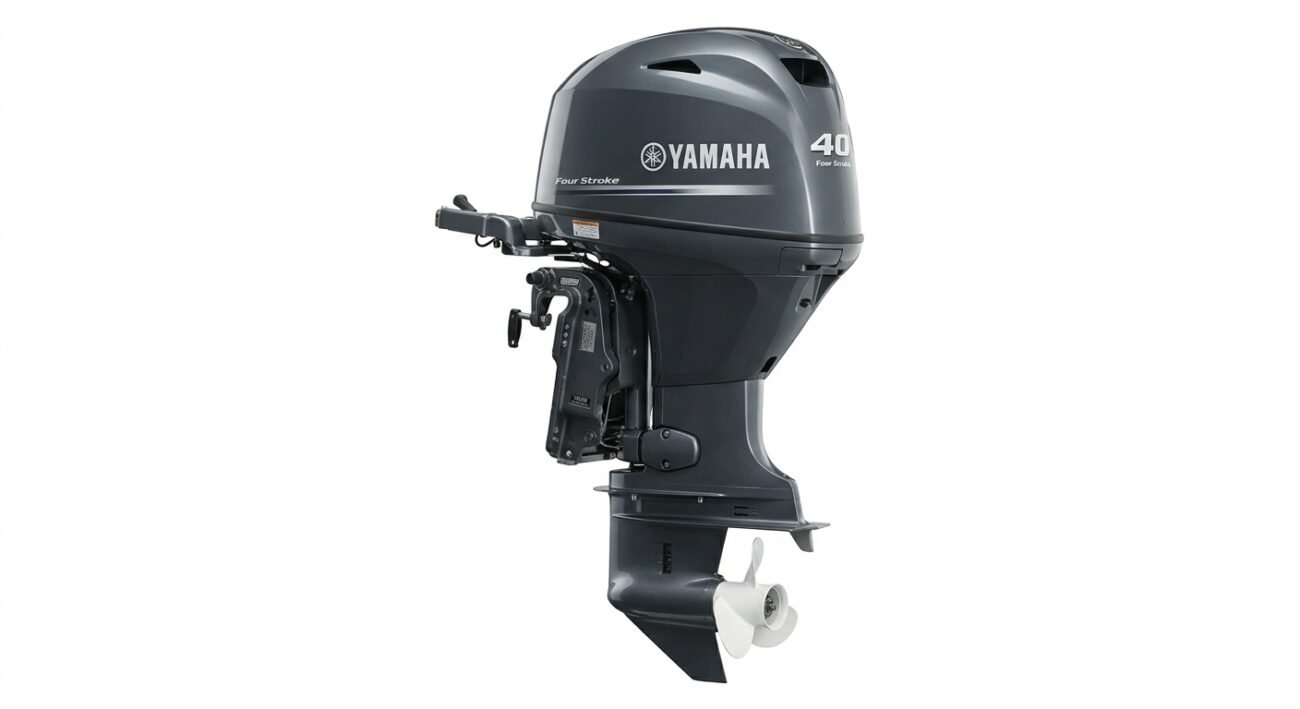
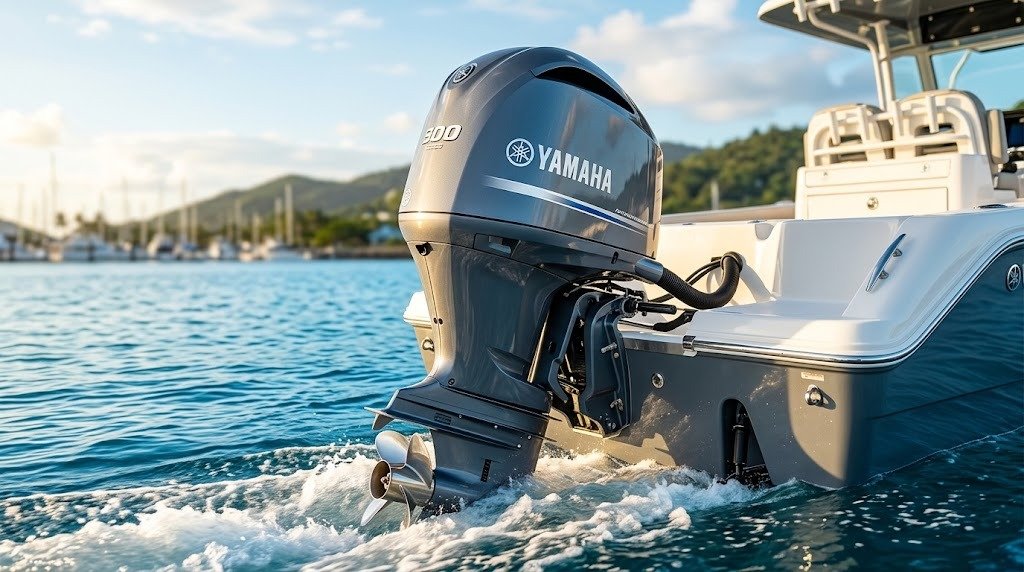
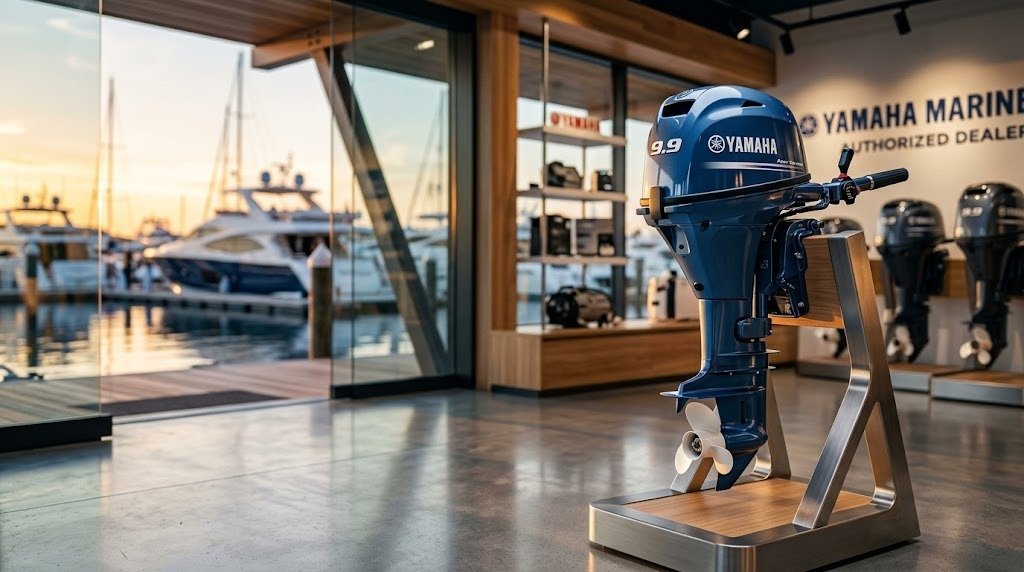
Yamaha 60 HP Outboard
Yamaha is another well-known manufacturer in the marine industry. Its 60 HP outboards are commonly associated with recreational and fishing applications.
Buyers should compare the exact engine specifications, weight, shaft length, control system, and service requirements rather than comparing horsepower alone.
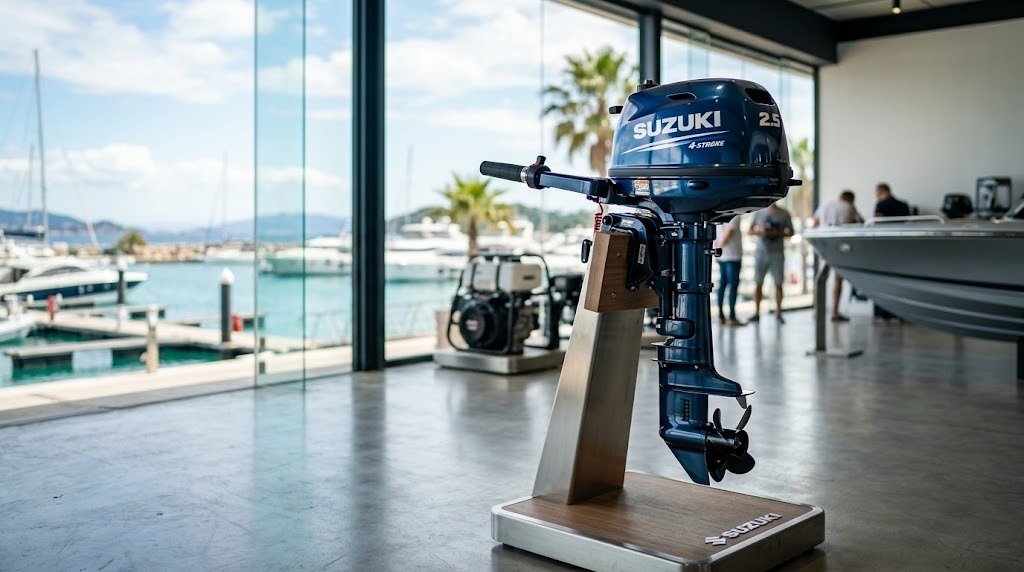
Suzuki 60 HP Outboard
Suzuki also produces outboards in the 60 HP category. Depending on the model and market, features can include electronic fuel injection, electric starting, and power trim and tilt.
A buyer should verify current specifications with an authorized dealer or the manufacturer’s documentation.
Honda 60 HP Outboard
Honda Marine has produced four-stroke outboards covering a wide range of applications. A Honda 60 HP outboard may be considered for boats approved for that horsepower.
As with other brands, the exact weight and equipment depend on the particular model and configuration.
Tohatsu 60 HP Outboard
Tohatsu is another established outboard manufacturer. Its engines are used in various recreational and commercial marine applications.
When comparing brands, local dealer support and parts availability can be just as important as the engine’s advertised specifications.
How Much Does a 60 HP Outboard Engine Cost?
The price of a 60 HP outboard engine can vary widely depending on the manufacturer, model year, condition, features, location, and whether the engine is new or used.
A new engine typically costs substantially more than an older used model. However, the purchase price is only one part of the total cost of ownership.
New 60 HP Outboard Pricing
New engines can cost more because they typically include newer technology, manufacturer warranty coverage, and modern emissions and fuel-system technology.
Prices can also vary between models with different controls, shaft lengths, steering systems, and trim configurations.
Used 60 HP Outboard Pricing
Used engines can provide a lower purchase price, but buyers need to inspect them carefully.
An inexpensive engine with corrosion, poor compression, damaged wiring, a worn lower unit, or an incomplete service history can become more expensive after purchase.
Additional Costs
Remember to budget for expenses such as:
- Installation
- Controls
- Steering components
- Propeller
- Batteries
- Fuel system components
- Rigging
- Maintenance
- Registration where applicable
The total cost can therefore be considerably higher than the advertised engine price.
What to Look for When Buying a 60 HP Outboard Engine
Buying an outboard should begin with compatibility rather than price.
The engine needs to match the boat’s approved horsepower range, transom design, shaft requirements, steering system, and intended use.
Check the Boat’s Maximum Horsepower
Never install an engine that exceeds the boat manufacturer’s maximum rated horsepower.
The boat’s capacity information should be checked before purchasing the engine. If the documentation is unavailable, contact the boat manufacturer or a qualified marine professional.
Check the Shaft Length
Outboards commonly come in different shaft lengths. The correct length depends on the boat’s transom and design.
A shaft that is too short can prevent the propeller from sitting at the correct depth. An excessively long shaft can also create installation and performance problems.
Inspect the Engine Condition
When purchasing a used 60 HP outboard, inspect the exterior for corrosion, cracks, damaged wiring, oil leaks, and signs of poor maintenance.
The lower unit deserves particular attention because repairs can be expensive.
Ask for Service Records
Maintenance records can provide useful information about how the engine has been treated.
Look for evidence of routine servicing, lubricant changes, cooling-system maintenance, and repairs.
Perform a Proper Engine Test
If possible, have the engine inspected and tested by a qualified marine technician before completing a used-engine purchase.
A professional inspection can identify issues that may not be visible during a simple visual check.
60 HP Outboard Engine Maintenance
Regular maintenance helps protect engine performance and reliability. The exact schedule depends on the manufacturer and model.
Engine Oil and Filter
Four-stroke engines require regular engine oil and filter servicing. Always use the lubricant specified by the manufacturer.
Running an engine with old or contaminated oil can contribute to unnecessary wear.
Cooling System
Outboards rely on water circulation to control operating temperature. A restricted water intake, damaged water pump, or other cooling-system issue can lead to overheating.
The cooling system should therefore be inspected as part of routine maintenance.
Propeller Inspection
The propeller can become damaged by underwater objects, ropes, rocks, or other hazards.
Even a small amount of propeller damage can affect performance and vibration. Inspect it regularly and replace or repair it when necessary.
Fuel System
Fuel problems can cause difficult starting, poor acceleration, rough running, and reduced performance.
Use the fuel recommended by the manufacturer and follow proper storage procedures when the boat will not be used for extended periods.
Common Problems With 60 HP Outboard Motors
Like any mechanical system, a 60 HP outboard can develop problems over time.
Engine Will Not Start
Starting problems may be related to the battery, electrical system, fuel supply, ignition system, controls, or safety systems.
A technician can diagnose the specific cause rather than replacing parts unnecessarily.
Overheating
Overheating can result from restricted water flow, a damaged water pump, blocked intake, or other cooling-system problems.
If an engine’s warning system indicates overheating, continued operation can cause serious damage.
Poor Acceleration
Poor acceleration may result from incorrect propeller selection, excessive boat weight, engine problems, fuel-system issues, or other mechanical causes.
The engine should be diagnosed rather than assuming the problem is simply insufficient horsepower.
Excessive Vibration
Unusual vibration can be associated with propeller damage, incorrect installation, mechanical problems, or other issues.
Ignoring persistent vibration can lead to additional damage.
Is a 60 HP Outboard Good for Fishing?
A 60 HP outboard can be a useful option for fishing boats that are properly rated for that horsepower.
Fishing often involves a combination of slow-speed trolling, moderate-speed cruising, and occasional higher-speed travel. An appropriately matched 60 HP engine can provide flexibility for these different situations.
The ideal engine depends on the boat, fishing environment, number of passengers, and amount of equipment carried.
Trolling Performance
Trolling generally requires controlled low-speed operation rather than maximum horsepower.
A modern outboard with appropriate controls can provide precise throttle management, although the specific low-speed characteristics vary between engines.
Carrying Fishing Equipment
Fishing boats often carry batteries, fuel tanks, coolers, tackle, electronics, anchors, and other equipment.
All of these contribute to total boat weight. When choosing an engine, consider the boat’s fully loaded operating weight rather than its empty weight.
60 HP Outboard Engine for Recreational Boating
A 60 HP engine can also work well for recreational activities when matched with an appropriately rated boat.
Families and recreational boaters may value smooth acceleration, manageable operation, and reasonable fuel consumption.
The engine should be selected according to the activities you expect to perform. A boat used mainly for relaxed cruising may have different requirements from one intended for watersports or carrying a large number of passengers.
How Long Does a 60 HP Outboard Engine Last?
There is no fixed lifespan that applies to every 60 HP outboard.
Engine longevity depends on maintenance, operating conditions, corrosion protection, storage, workload, fuel quality, and how the engine is treated.
An engine that receives regular maintenance and proper storage can remain useful for many years, while a neglected engine may develop expensive problems much earlier.
Saltwater use requires particular attention to corrosion protection. Freshwater operation can also require regular maintenance, so freshwater does not eliminate the need for servicing.
New vs. Used 60 HP Outboard Engine
Choosing between a new and used engine depends on your budget, risk tolerance, desired features, and access to service support.
A new 60 HP outboard typically offers newer technology and warranty protection. A used engine can cost less initially but requires more careful inspection.
When a New Engine May Make Sense
A new engine may be attractive if you want warranty coverage, modern fuel systems, updated controls, and predictable maintenance requirements.
It can also make sense when you intend to keep the boat for many years.
When a Used Engine May Be Considered
A used engine may be suitable when the engine has a documented maintenance history and passes a professional inspection.
Age alone does not determine an engine’s condition. A well-maintained older outboard can be more dependable than a newer engine that has been neglected.
60 HP Outboard Engine Buying Checklist
Before purchasing, work through a basic checklist.
First, confirm that your boat is approved for a 60 HP engine. Then check the required shaft length and steering configuration.
Next, compare the engine’s weight with the boat’s specifications. Check whether the engine includes the controls and rigging you need.
For a used engine, inspect the lower unit, propeller, electrical system, cooling system, fuel system, and overall condition.
Ask for maintenance records and, whenever possible, arrange a professional inspection.
Finally, investigate local dealer and parts availability. An engine can be mechanically excellent but difficult to maintain if replacement parts and qualified technicians are difficult to find in your area.
FAQs
How fast is a 60 HP outboard?
There is no single top speed for every boat using a 60 HP outboard. Speed depends on boat weight, hull design, propeller, load, trim, water conditions, and engine setup.
What size boat can a 60 HP outboard power?
A 60 HP engine can power different types of boats, but the boat must be specifically rated for that horsepower. The manufacturer’s maximum horsepower rating should always be followed.
How much does a 60 HP outboard weigh?
The weight varies by manufacturer, model, shaft length, and equipment. Always check the exact manufacturer’s specification for the model you are considering.
How much fuel does a 60 HP outboard use?
Fuel consumption depends on throttle position, boat weight, hull design, propeller, water conditions, and engine condition. Consumption is generally higher at greater engine loads.
Is a 60 HP outboard enough for a fishing boat?
It can be enough for many appropriately rated fishing boats. The boat’s size, weight, passenger capacity, and intended use determine whether 60 HP is suitable.
Is a 60 HP four-stroke outboard fuel efficient?
Modern four-stroke outboards can provide good fuel economy when properly matched to the boat and operated at appropriate speeds. Actual consumption varies by model and operating conditions.
What is the difference between a 60 HP and 75 HP outboard?
A 75 HP engine provides a higher horsepower rating and may offer more acceleration and carrying capability when the boat is designed for it. However, it may also weigh more and consume more fuel. The correct choice depends on the boat’s approved specifications.
Should I buy a new or used 60 HP outboard?
Both can be reasonable options. A new engine generally offers newer technology and warranty protection, while a used engine may have a lower purchase price. For used engines, condition and service history are especially important.
How often should a 60 HP outboard be serviced?
Follow the manufacturer’s recommended maintenance schedule for your exact model. Service intervals vary between engines, and operating conditions can also affect maintenance requirements.
Can a 60 HP outboard be used in saltwater?
Many outboards are designed for saltwater use, but saltwater increases corrosion concerns. Rinsing and maintaining the engine according to the manufacturer’s recommendations is important after saltwater operation.
Final Thoughts
A 60 hp outboard engine can provide a useful balance of power, efficiency, and versatility for many appropriately rated boats. It can be suitable for fishing, recreational cruising, transportation, and other everyday boating activities when the engine is correctly matched to the hull and intended load. However, horsepower alone should never be the only factor in your decision.
Before buying, check the boat manufacturer’s maximum horsepower rating, transom requirements, shaft length, engine weight, and recommended setup. For a used engine, pay close attention to maintenance records, corrosion, the lower unit, propeller, cooling system, electrical components, and overall operating condition. A professional inspection can also help identify problems that are difficult to spot during a quick visual check.
Fuel consumption and speed vary from boat to boat, so manufacturer specifications should be treated as a starting point rather than a guarantee of real-world performance. Choosing the correct propeller and maintaining the engine properly can also make a noticeable difference.
Whether you choose a Mercury, Yamaha, Suzuki, Honda, Tohatsu, or another established manufacturer, focus on the specific model and configuration, not just the 60 HP label. A properly matched and maintained outboard can provide dependable performance and enjoyable time on the water for years.

One thought on “60 HP Outboard Engine: Complete Guide to Power, Performance & Buying Tips”