

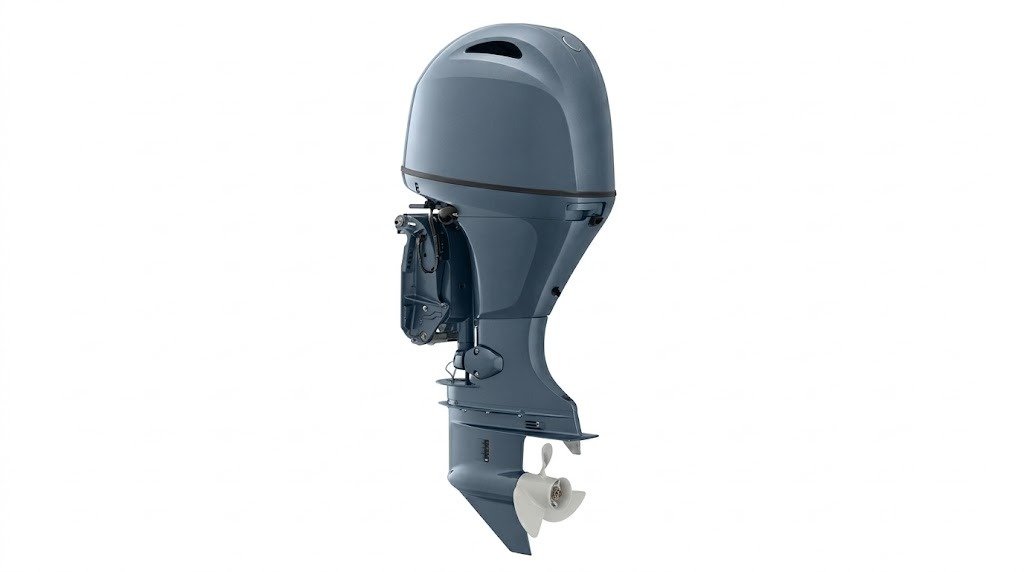
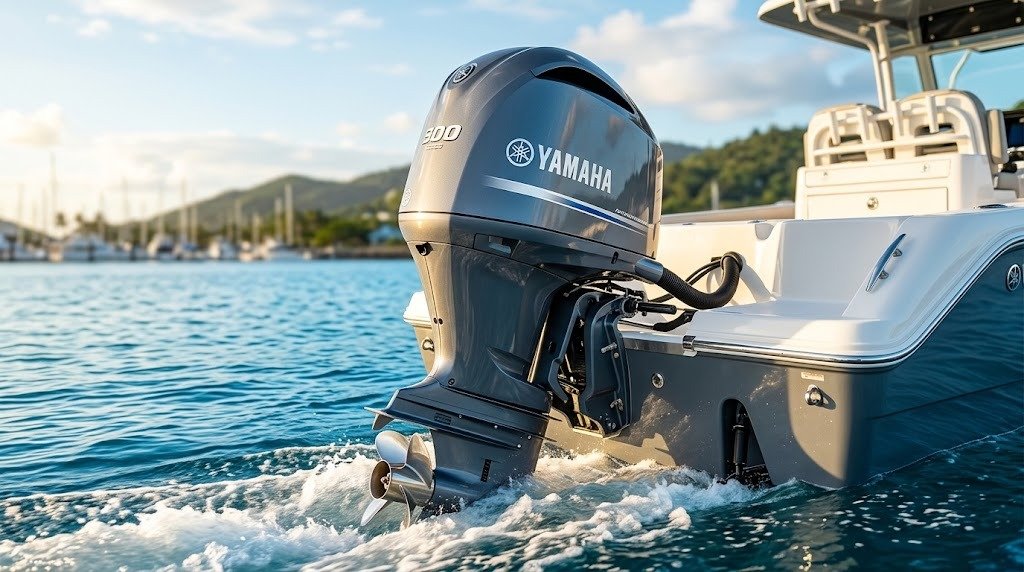
A 4 stroke outboard engine is one of the most popular choices for modern recreational boats, fishing boats, pontoons, and many other types of watercraft. These engines are known for smooth operation, good fuel economy, dependable performance, and relatively quiet running compared with many older two-stroke designs. Whether you are replacing an existing motor or choosing an engine for a new boat, understanding how four-stroke technology works can make the buying process much easier.
Choosing the right outboard is not simply about selecting the highest horsepower available. The engine needs to match the boat’s size, weight, hull design, intended use, fuel requirements, and recommended horsepower range. A properly matched engine can provide better handling and efficiency, while an unsuitable motor can affect performance and operating costs.
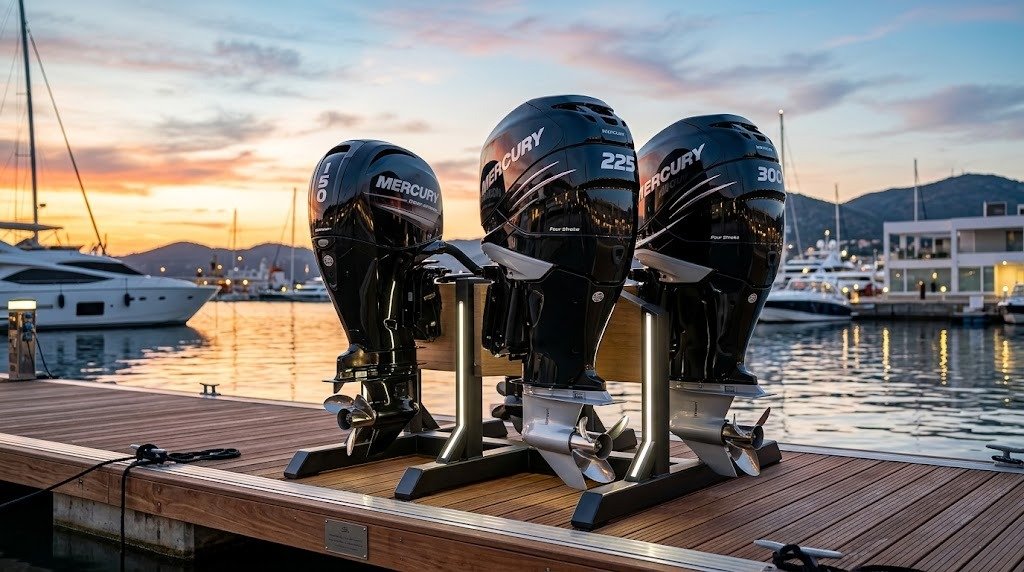
Four-stroke outboards are available in many horsepower ranges, from compact portable engines for small boats to powerful motors designed for larger recreational and commercial applications. Manufacturers also offer different shaft lengths, starting systems, control options, and technology packages.
This guide explains what a 4 stroke outboard engine is, how it works, its major benefits, maintenance requirements, common problems, fuel consumption, lifespan, and the factors you should consider before purchasing one.
What Is a 4 Stroke Outboard Engine?
A 4 stroke outboard engine is a marine engine that uses a four-stage combustion cycle to produce power. The four stages are intake, compression, power, and exhaust. Unlike a traditional two-stroke engine, a four-stroke engine completes this cycle over two crankshaft rotations.
The engine is mounted outside the boat, usually on the transom. It provides propulsion and also contains the lower unit, propeller, steering mechanism, and other components required to transfer engine power into forward or reverse movement.
Four-stroke outboards use separate engine oil for lubrication rather than mixing oil directly with gasoline in the same way many older two-stroke engines did. This design contributes to cleaner operation and allows the engine to manage lubrication more precisely.
Modern four-stroke outboards can include electronic fuel injection, computer-controlled ignition, variable valve technology, power steering, digital gauges, and other features depending on the model and horsepower.
How Does a 4 Stroke Outboard Engine Work?
The name “four-stroke” comes from the four basic movements involved in the combustion process. Each cylinder goes through four separate strokes before completing a full operating cycle.
Intake Stroke
During the intake stroke, the piston moves downward while the intake valve opens. This allows a mixture of air and fuel to enter the combustion chamber in engines using conventional gasoline injection systems.
Modern electronically fuel-injected engines carefully control how much fuel enters the cylinder. This helps maintain consistent combustion across different operating conditions.
Compression Stroke
Once the intake process is complete, the intake valve closes. The piston then moves upward and compresses the air-fuel mixture inside the combustion chamber.
Compression increases the pressure and prepares the mixture for ignition. The engine’s electronic control system determines the appropriate ignition timing based on operating conditions.
Power Stroke
At the end of the compression stroke, the spark plug ignites the mixture. The resulting combustion creates expanding gases that push the piston downward.
This downward movement is converted into rotational motion by the crankshaft. That rotational energy eventually reaches the propeller through the engine’s drivetrain.
Exhaust Stroke
After combustion, the piston moves upward again while the exhaust valve opens. This allows the burned gases to leave the cylinder.
The cycle then begins again with another intake stroke.
Because these four processes occur separately, the engine can provide smooth and controlled power delivery. The exact design varies among manufacturers and engine families, but the fundamental four-stroke principle remains the same.
Key Benefits of a 4 Stroke Outboard Engine
Four-stroke technology has become common in recreational boating because it offers several practical advantages. The exact benefits depend on the engine’s size, design, and application, but there are several characteristics that make these engines attractive.
Better Fuel Efficiency
Fuel economy is one of the main reasons boat owners consider a four-stroke outboard. The engine’s combustion and fuel-delivery systems are designed to use gasoline efficiently under different operating conditions.
However, fuel consumption is not determined by the engine alone. Boat weight, hull design, throttle position, propeller selection, water conditions, and cruising speed can all have a significant impact.
A properly sized engine operating at an appropriate cruising speed can often provide a useful balance between performance and fuel consumption.
Quieter Operation
Modern four-stroke outboards are generally designed to operate quietly and smoothly. This can be especially noticeable when cruising at lower speeds or when passengers are having conversations on board.
Lower noise can also make fishing more comfortable. Anglers may appreciate a quieter engine when moving between fishing locations or positioning a boat.
Noise levels still vary between engines, and higher horsepower motors naturally produce more mechanical and exhaust noise when operating at high RPM.
Smooth Power Delivery
A well-designed four-stroke engine can deliver smooth acceleration and predictable power. This is useful for activities such as fishing, cruising, docking, and towing.
Electronic fuel injection and computerized engine management can further improve throttle response and overall operating consistency.
Lower Emissions
Modern four-stroke outboards are designed to meet applicable marine emissions requirements. Their combustion systems can help reduce certain emissions compared with older engine technologies.
Environmental regulations differ by country and engine category, so buyers should check the specifications and certifications applicable to their location.
Reliable Everyday Performance
A quality four-stroke outboard that receives regular maintenance can provide dependable service for many years. Routine oil changes, cooling-system maintenance, fuel-system care, and proper storage are important for achieving long-term reliability.
Reliability also depends on how the engine is used. Frequent operation at excessive RPM, poor-quality fuel, neglected maintenance, or improper winterization can increase wear.
Good Low-Speed Control
Four-stroke outboards are often well suited to situations where smooth low-speed operation matters. This can be helpful while approaching a dock, maneuvering through a marina, trolling while fishing, or navigating narrow waterways.
The actual low-speed behavior depends on the engine, propeller, hull, and control system.
4 Stroke vs 2 Stroke Outboard Engine
The difference between four-stroke and two-stroke outboards is primarily related to how the engine completes its combustion cycle.
A traditional two-stroke engine completes its power cycle with fewer piston movements. Four-stroke engines use four separate strokes and typically have a different lubrication and fuel-management system.
Older two-stroke outboards were popular because they were relatively simple and could provide a strong power-to-weight ratio. Modern four-stroke engines have become widely used because of improvements in fuel efficiency, emissions, noise, and overall refinement.
Four-stroke engines can also be heavier than some comparable two-stroke designs because of their additional components and construction.
When comparing the two, buyers should look beyond horsepower. Consider the boat’s weight, intended use, fuel consumption, maintenance requirements, engine availability, and local regulations.
For many boat owners, the right choice depends more on the complete boat-and-engine combination than on the engine type alone.
How Much Fuel Does a 4 Stroke Outboard Engine Use?
There is no single fuel-consumption number that applies to every 4 stroke outboard engine. A small portable engine and a large high-horsepower motor can have dramatically different fuel requirements.
Boat owners should look at the manufacturer’s published specifications and understand that real-world fuel consumption can vary.
Engine Horsepower
Larger engines generally have greater fuel requirements when producing higher levels of power. However, a larger engine does not necessarily mean that it will always consume more fuel during every operating condition.
An oversized engine that is lightly loaded may operate differently from a smaller engine working hard to move the same boat.
Boat Weight
A heavier boat requires more energy to accelerate and maintain speed. Passengers, fuel, fishing equipment, batteries, coolers, and other equipment can all increase the boat’s total weight.
This is why the engine should be selected according to the boat manufacturer’s recommended horsepower range.
Hull Design
Hull shape has a major effect on efficiency. A boat that moves efficiently through the water can require less power to maintain a particular cruising speed than a less efficient design.
Planing boats, displacement boats, pontoons, and specialized fishing boats all behave differently.
Speed and RPM
Operating at wide-open throttle generally consumes considerably more fuel than cruising at a lower engine speed. Many boat owners therefore select a comfortable cruising RPM rather than operating continuously at maximum throttle.
The ideal cruising point depends on the specific engine and boat.
Propeller Selection
The propeller is another important part of the equation. Diameter, pitch, blade design, and material can influence acceleration, top speed, engine RPM, and efficiency.
A propeller should be selected according to the engine manufacturer’s recommendations and the boat’s intended use.
Choosing the Right 4 Stroke Outboard Engine
Buying an outboard is a significant decision, especially when the engine will be used regularly. The best approach is to start with the boat rather than the engine.
Consider Boat Size and Weight
Check the boat manufacturer’s specifications before choosing an engine. The boat should have a recommended horsepower range, maximum engine weight, and appropriate transom specifications.
Never assume that a larger engine is automatically better.
A motor that exceeds the boat’s approved capacity can create safety, handling, warranty, and insurance concerns.
Choose the Appropriate Horsepower
Horsepower determines how much power the engine can produce, but the correct horsepower depends on the boat.
A small fishing boat may require only a compact engine, while a larger offshore boat may need considerably more power.
If you are unsure, check the boat’s capacity plate and manufacturer’s recommendations before purchasing.
Check Shaft Length
Outboard engines are available with different shaft lengths. Common options include short, long, and extra-long configurations.
The correct shaft length depends on the height of the boat’s transom. If the shaft is too short, the propeller may not sit at the correct depth. If it is too long, the engine may sit unnecessarily deep.
Correct measurement is therefore important.
Consider Electric or Manual Start
Small outboards may be available with manual starting systems, while larger models commonly use electric starting.
Electric start can be convenient, especially when the engine is frequently used. Some models also offer remote controls, power trim, and other features.
Look at Fuel Efficiency and Range
If you regularly travel long distances, fuel capacity and fuel consumption deserve special attention.
Think about the distance you normally travel, available refueling points, and the amount of reserve fuel you want to maintain.
Never plan a trip based solely on the theoretical maximum range of an engine.
Consider Service Availability
A technically impressive engine is less useful if replacement parts and qualified service are difficult to obtain in your area.
Before purchasing, check whether authorized dealers, mechanics, filters, spark plugs, oil, impellers, and other maintenance parts are readily available.
Popular 4 Stroke Outboard Engine Horsepower Options
Four-stroke outboards are available across a wide range of power levels. The right option depends on the boat and application.
Small 4 Stroke Outboard Engines
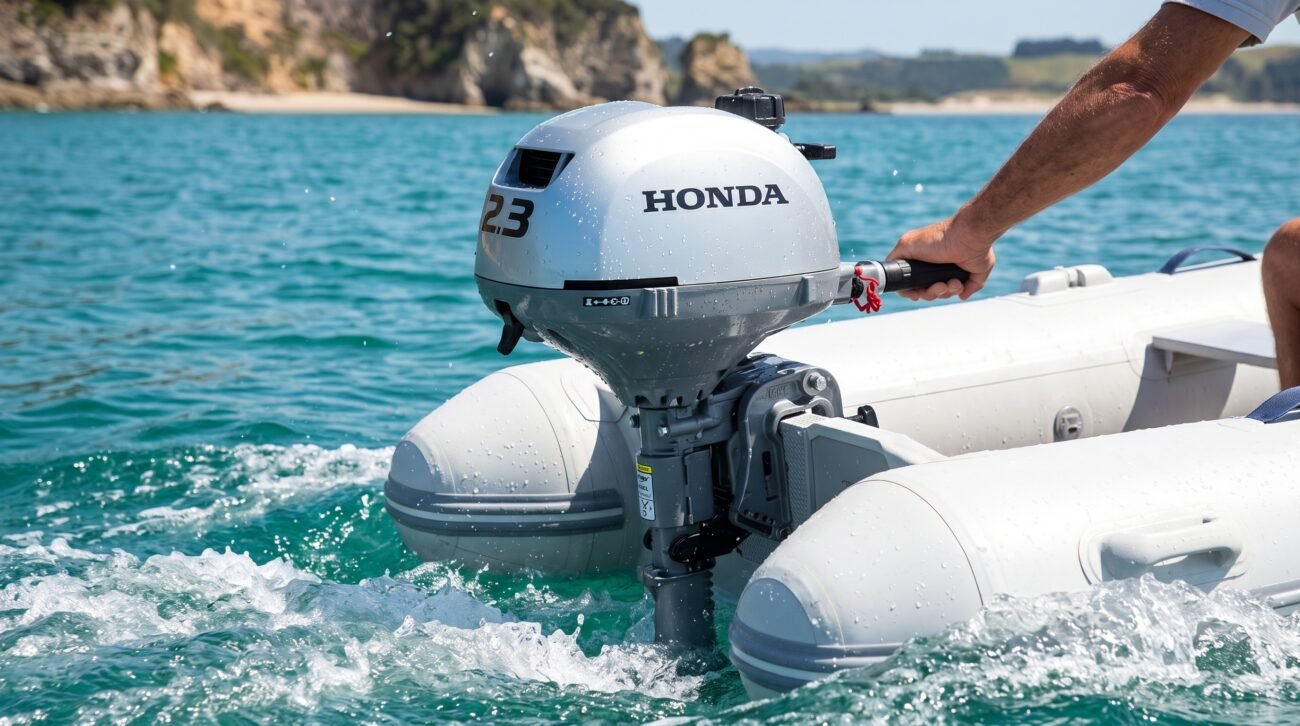
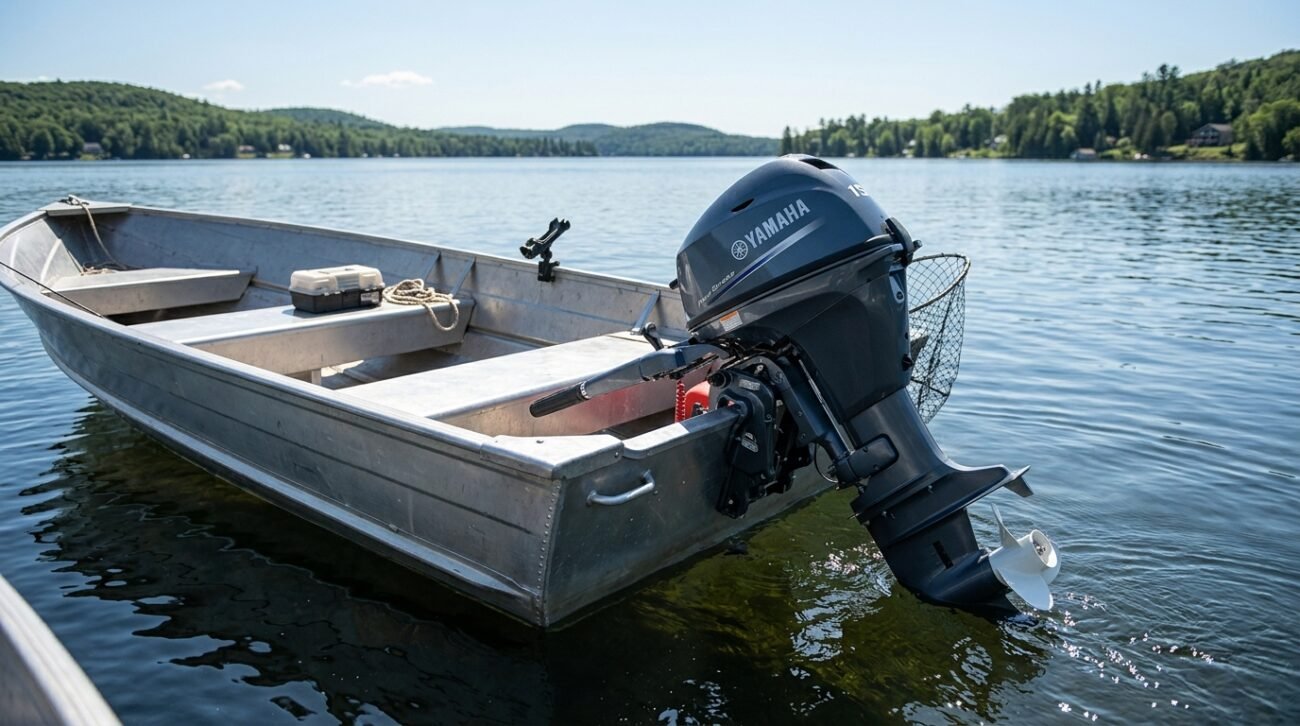
Small four-stroke outboards are commonly used on lightweight boats, dinghies, inflatable boats, tenders, and small fishing boats.
Their compact size makes them easier to transport and store. Many are designed with simple controls and portable fuel systems.
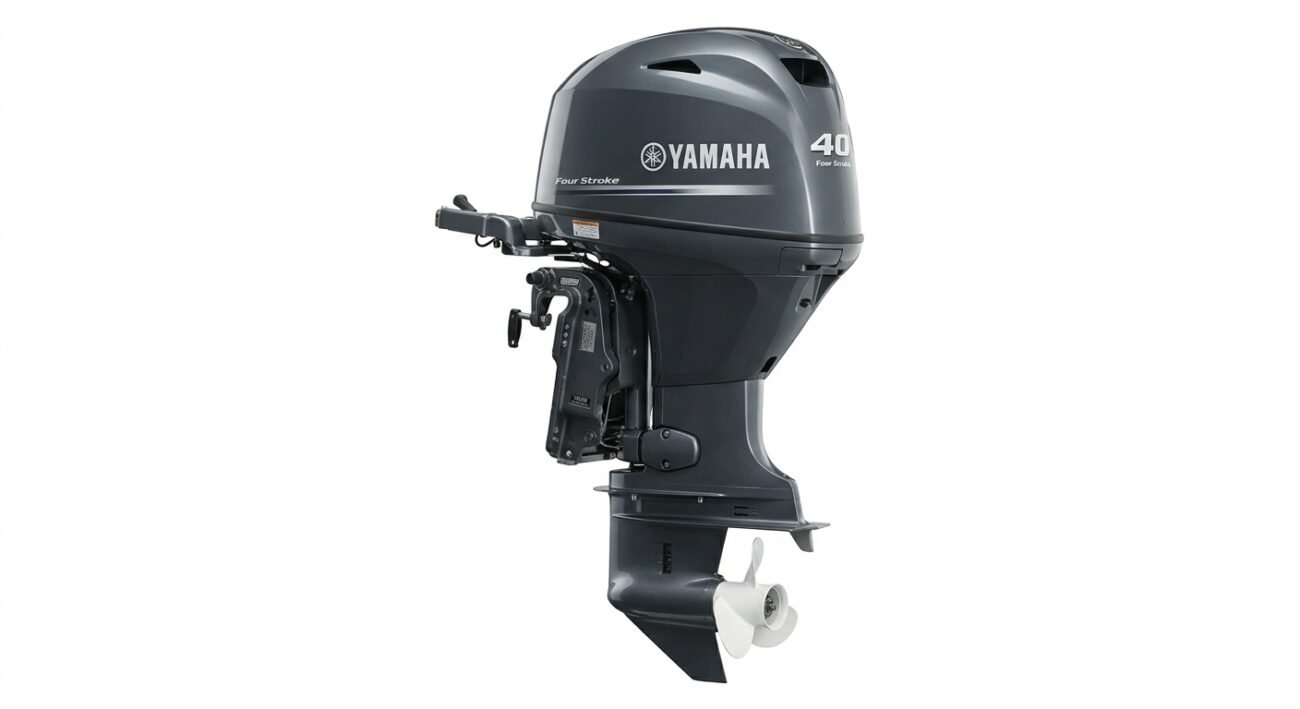
40 HP 4 Stroke Outboard Engine
A 40 HP four-stroke can be suitable for various small-to-medium boats, depending on hull design and manufacturer specifications.
It can provide a useful balance between portability and performance for certain fishing and recreational applications.
50 HP 4 Stroke Outboard Engine
A 50 HP four-stroke can offer additional power for boats that require more acceleration or carrying capacity.
Before choosing this size, make sure the boat is rated for the engine’s horsepower and weight.
60 HP 4 Stroke Outboard Engine
A 60 HP outboard is popular for a range of fishing boats, aluminum boats, pontoons, and recreational vessels.
Performance will depend heavily on the boat’s hull, weight, propeller, and load.
75–90 HP 4 Stroke Outboard Engines
Engines in the 75 to 90 HP range can provide substantial power for larger recreational and fishing boats.
They may be appropriate when a boat needs stronger acceleration or higher cruising performance while remaining within its approved capacity.
100 HP and Larger 4 Stroke Outboard Engines
Larger outboards are designed for bigger boats and applications where substantial propulsion is required.
As horsepower increases, buyers should pay closer attention to engine weight, fuel capacity, steering systems, transom strength, and overall boat compatibility.
Maintenance Tips for a 4 Stroke Outboard Engine
Regular maintenance is one of the most important factors in getting reliable performance from an outboard.
Change Engine Oil Regularly
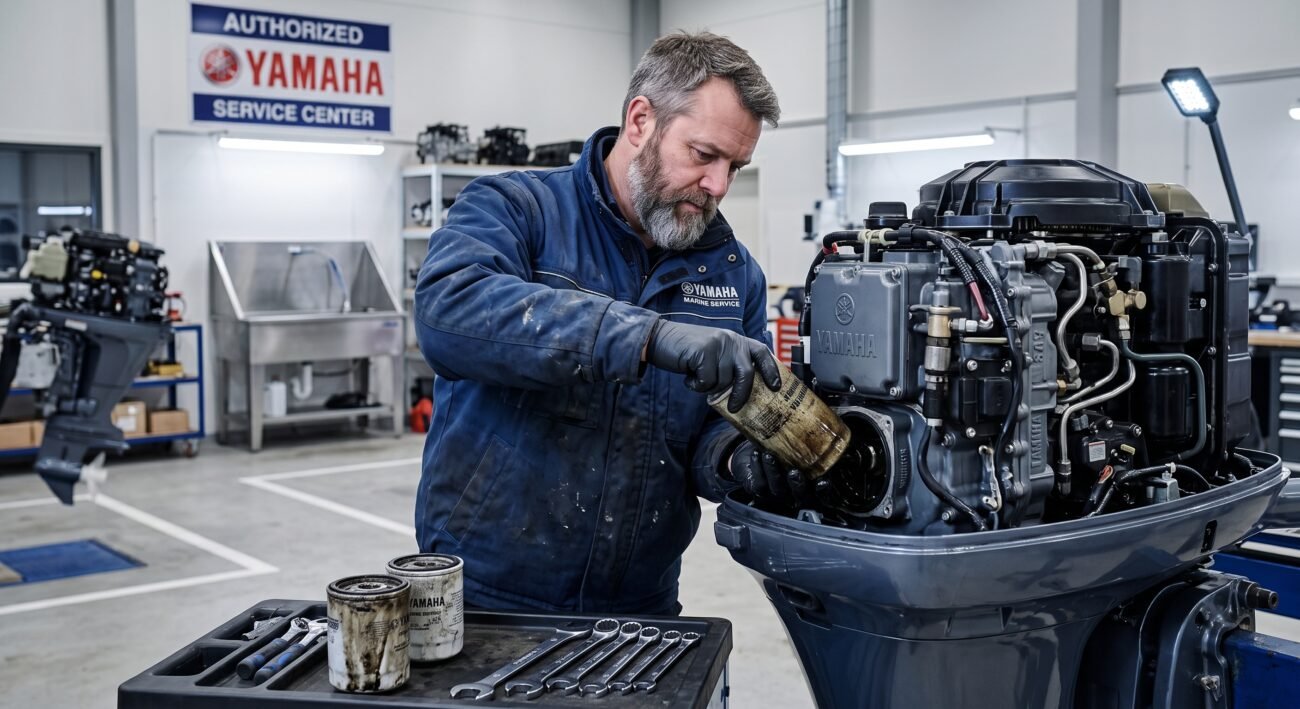
Four-stroke engines use engine oil for lubrication. Oil should be checked and replaced according to the manufacturer’s recommended service interval.
Using the correct marine-rated oil and filter is important because marine engines operate under conditions that can differ from automotive engines.
Inspect the Cooling System
The cooling system helps keep the engine operating within its intended temperature range.
The water pump and impeller should be inspected and serviced according to the manufacturer’s schedule. A weak telltale stream or overheating warning should not be ignored.
Check Spark Plugs
Spark plugs play an important role in ignition. Worn, fouled, or damaged plugs can contribute to difficult starting, poor acceleration, rough running, or reduced efficiency.
Use the correct spark plug type and gap specified by the engine manufacturer.
Maintain the Fuel System
Fuel problems are a common source of outboard starting and performance issues.
Use clean fuel from a reliable source and follow the manufacturer’s recommendations regarding fuel storage and stabilizers.
Fuel filters should also be inspected or replaced at the recommended intervals.
Inspect the Propeller
The propeller is exposed to underwater hazards and can be damaged by rocks, submerged objects, fishing line, and other debris.
Inspect the propeller regularly for bends, cracks, corrosion, or fishing line wrapped around the shaft.
Even relatively small propeller damage can affect performance and vibration.
Care for the Battery
Electric-start engines depend on a properly maintained battery.
Check the battery condition, terminals, connections, and charging system. Keeping connections clean and secure can help prevent starting problems.
Flush the Engine After Use
If the engine is used in saltwater, flushing the cooling passages with fresh water according to the manufacturer’s instructions is an important part of maintenance.
Salt and mineral deposits can contribute to corrosion and cooling-system problems.
Prepare the Engine for Long-Term Storage
If the boat will not be used for an extended period, follow the manufacturer’s storage procedure.
Depending on the engine, this may involve fuel treatment, oil service, corrosion protection, battery maintenance, and other steps.
The exact procedure varies by manufacturer, so always follow the owner’s manual.
Common 4 Stroke Outboard Engine Problems
Even reliable engines can develop problems. Recognizing common symptoms can help boat owners address issues before they become more serious.
Engine Will Not Start
A no-start condition can have several possible causes, including a weak battery, fuel delivery issue, ignition problem, emergency-stop switch position, or electrical fault.
Start with the basic checks recommended in the owner’s manual before attempting more complicated repairs.
Engine Overheating
Overheating can be related to restricted water flow, an aging water-pump impeller, blocked passages, low cooling-water intake, or other mechanical problems.
An overheating warning should be treated seriously. Continuing to operate an overheating engine can cause expensive damage.
Poor Acceleration
Poor acceleration may result from incorrect propeller selection, excessive boat loading, fuel problems, spark plug issues, or engine-management faults.
A qualified technician can diagnose the problem when basic checks do not identify the cause.
Excessive Vibration
Unusual vibration can sometimes be caused by a damaged propeller or fishing line wrapped around the propeller shaft.
More serious vibration can indicate mechanical or mounting problems and should be inspected promptly.
Increased Fuel Consumption
A sudden change in fuel consumption may indicate a maintenance issue, propeller problem, incorrect engine setup, or changes in how the boat is being operated.
Comparing current performance with previous operating conditions can help identify changes.
Difficulty Maintaining RPM
If the engine cannot reach or maintain the manufacturer’s recommended operating range, possible causes can include propeller selection, boat loading, fuel problems, or mechanical issues.
The manufacturer’s specifications should be used when checking operating RPM.
How Long Does a 4 Stroke Outboard Engine Last?
The lifespan of a four-stroke outboard depends heavily on maintenance, operating conditions, engine quality, and usage.
An engine used occasionally in freshwater and maintained carefully will experience different conditions from an engine used heavily in saltwater every week.
Operating habits also matter. Running an engine at appropriate RPM, avoiding unnecessary overheating, maintaining clean fuel, and following service schedules can contribute to long-term reliability.
Engine hours are useful when evaluating a used outboard, but hours alone do not tell the complete story. Maintenance records, compression condition, corrosion, service history, and general appearance can provide additional information.
A professionally inspected used engine can sometimes be a practical alternative to purchasing a new one.
Is a 4 Stroke Outboard Engine Good for Fishing and Recreational Boating?
For many fishing and recreational applications, a four-stroke outboard can be a practical choice.
Fishing boats often benefit from smooth low-speed operation, reliable starting, and predictable throttle response. Fuel efficiency can also be important when anglers spend several hours traveling between locations.
For recreational boating, lower noise and smooth operation can improve the experience for passengers.
Four-stroke engines can also be used on pontoons and other recreational boats when the engine’s horsepower and weight are compatible with the vessel.
However, the ideal engine depends on the specific boat. A motor that works well on one hull may not provide the same results on another.
How Much Does a 4 Stroke Outboard Engine Cost?
The cost of a four-stroke outboard can vary considerably. Horsepower is one of the biggest factors, but it is not the only one.
Brand, engine technology, shaft length, starting system, steering configuration, controls, warranty, and optional features can all influence the final price.
The total cost of ownership may also include installation, controls, steering components, propeller upgrades, batteries, fuel-system components, maintenance, and storage.
Used outboards may have a lower purchase price, but buyers should consider the engine’s service history and potential repair costs.
When comparing prices, look at the complete package rather than only the engine’s advertised price.
4 Stroke Outboard Engine Buying Checklist
Before purchasing an engine, review the following points:
- Confirm the boat’s maximum recommended horsepower.
- Check the maximum permitted engine weight.
- Measure the required shaft length.
- Decide whether manual or electric start is appropriate.
- Consider tiller or remote controls.
- Check fuel-system requirements.
- Compare manufacturer warranty coverage.
- Confirm local dealer and service availability.
- Check the availability and cost of replacement parts.
- Select an appropriate propeller.
- Consider freshwater or saltwater use.
- Estimate annual maintenance expenses.
- Compare new and used options.
- Review the manufacturer’s specifications carefully.
Taking time to check these details can prevent expensive compatibility problems later.
How to Improve 4 Stroke Outboard Engine Performance
Good performance starts with correct setup rather than simply adding more power.
The engine should be mounted at the correct height and positioned according to the boat manufacturer’s recommendations. The propeller should also allow the engine to operate within its recommended RPM range.
Boat loading matters as well. Distributing passengers and equipment properly can improve balance and handling.
Keeping the bottom of the boat clean can also help maintain efficient movement through the water. Marine growth and excessive fouling can increase resistance.
Regular maintenance is equally important. Clean fuel, fresh oil, properly functioning spark plugs, a healthy cooling system, and an undamaged propeller all contribute to consistent performance.
New vs Used 4 Stroke Outboard Engine
Buying a new engine provides advantages such as current technology, manufacturer warranty, and a known service history.
A used engine can potentially reduce the initial purchase cost, but it requires more careful inspection.
When considering a used four-stroke outboard, ask for maintenance records and check the engine for corrosion, damaged wiring, oil leaks, unusual noises, and propeller damage.
If possible, have the engine inspected by a qualified marine technician before completing the purchase.
A compression test, diagnostic scan, lower-unit inspection, and sea trial may provide useful information depending on the engine.
4 Stroke Outboard Engine Safety Tips
Safe operation is just as important as engine performance.
Always follow the boat manufacturer’s capacity limits and the engine manufacturer’s operating instructions. Make sure the operator understands the controls, emergency procedures, and navigation rules.
Passengers should remain seated or positioned safely while the boat is moving. Everyone should have an appropriate personal flotation device available.
Regularly inspect fuel lines, electrical connections, steering components, and other safety-critical systems.
Boat owners should also understand the local boating regulations that apply to their waterways.
The National Marine Manufacturers Association provides industry information, while local maritime authorities can provide rules specific to individual waterways.
FAQs
Are 4 stroke outboard engines better than 2 stroke engines?
Four-stroke and two-stroke engines have different designs and characteristics. Modern four-stroke outboards are commonly chosen for their fuel efficiency, smooth operation, and emissions characteristics. The appropriate choice depends on the boat, application, budget, and local requirements.
Are 4 stroke outboard engines fuel efficient?
Four-stroke outboards can provide good fuel efficiency, but actual consumption depends on horsepower, boat weight, hull design, propeller selection, speed, load, and operating conditions.
How many hours will a 4 stroke outboard engine last?
There is no universal lifespan measured in engine hours. Maintenance, operating conditions, storage, corrosion protection, and usage patterns all affect longevity. A well-maintained engine can provide many years of service.
Do 4 stroke outboards need oil changes?
Yes. Four-stroke outboards use engine oil for lubrication and require periodic oil and filter changes according to the manufacturer’s maintenance schedule.
Can a 4 stroke outboard be used in saltwater?
Yes, many four-stroke outboards are designed for saltwater use. However, saltwater requires careful maintenance because corrosion can become a significant concern. Proper flushing and corrosion protection are important.
What horsepower 4 stroke outboard do I need?
The correct horsepower depends on the boat manufacturer’s recommended capacity, hull design, total weight, and intended use. Always stay within the boat’s approved horsepower range.
Is a 4 stroke outboard good for fishing?
A four-stroke outboard can be well suited to fishing because of its smooth operation, predictable power delivery, and fuel-efficiency characteristics. Select the right horsepower based on the fishing boat’s specifications.
How often should a 4 stroke outboard be serviced?
Service intervals vary by manufacturer and engine model. Follow the maintenance schedule in the owner’s manual for oil, filters, spark plugs, cooling-system components, and other service items.
What causes a 4 stroke outboard to lose power?
Possible causes include fuel-delivery problems, damaged propellers, incorrect propeller selection, excessive boat loading, ignition problems, restricted cooling, or other mechanical issues. A technician should diagnose persistent power loss.
Should I buy a new or used 4 stroke outboard?
Both can be reasonable options. A new engine generally provides a known history and manufacturer warranty, while a used engine may have a lower purchase price. For used engines, service history and professional inspection are particularly important.
Final Thoughts
A 4 stroke outboard engine can be a dependable and efficient power source for many types of boats. Its smooth operation, controlled fuel delivery, relatively quiet performance, and modern emissions technology have made four-stroke engines popular among recreational boaters and anglers.
The most important point when choosing an outboard is compatibility. Horsepower, engine weight, shaft length, propeller selection, boat design, and intended use should all be considered before making a purchase. A powerful engine is not automatically the right engine if it does not match the boat.
Maintenance also has a major influence on long-term performance. Regular oil changes, cooling-system inspections, propeller checks, fuel-system care, battery maintenance, and proper storage can help keep an outboard operating reliably.
Whether you are buying a new engine or evaluating a used one, take time to compare specifications and service requirements rather than focusing only on the initial price. Checking the boat manufacturer’s recommendations and the engine manufacturer’s maintenance guidance can help you make a more informed decision.
With the right engine, proper setup, and consistent care, a four-stroke outboard can provide smooth and reliable performance across many boating seasons.


One thought on “4 Stroke Outboard Engine: Benefits, Performance, Maintenance & Buying Guide”