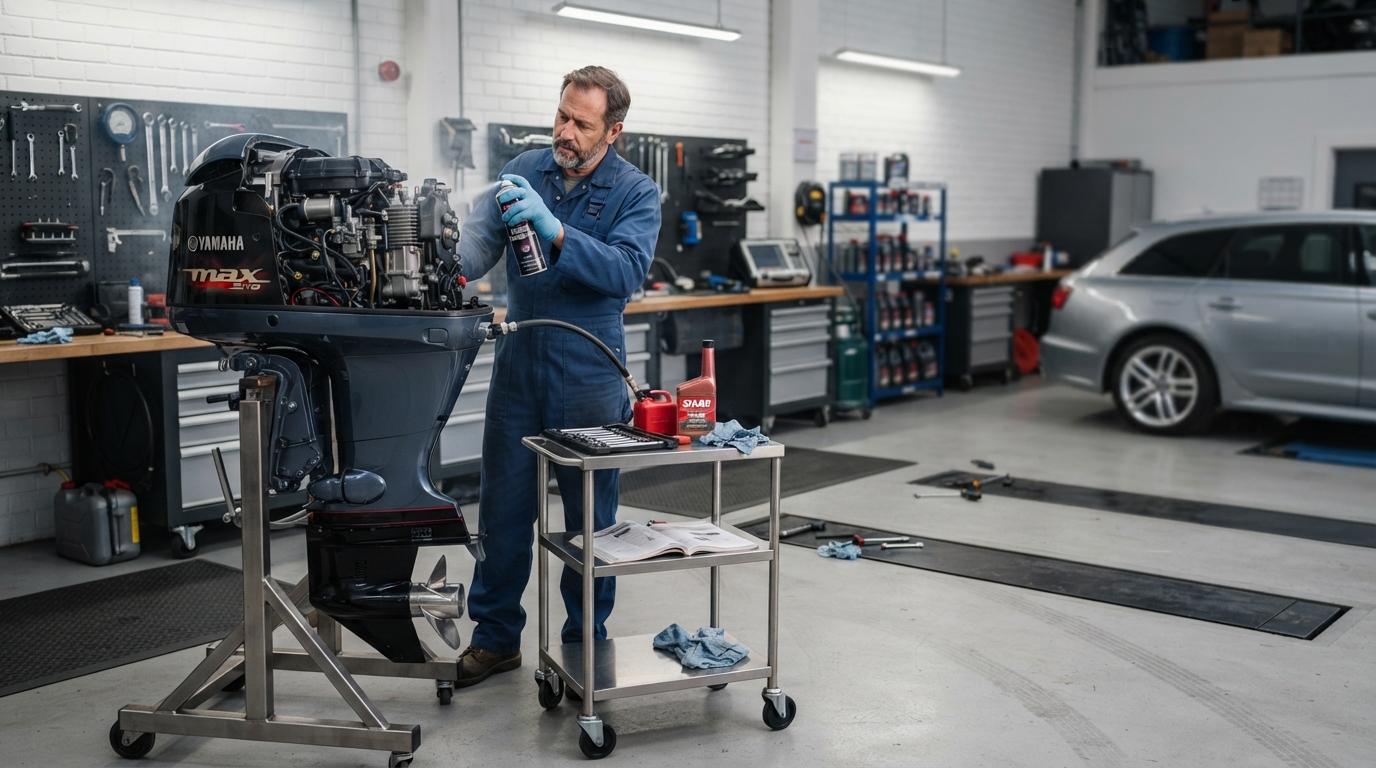
If you plan to store your boat and outboard motor for an extended period, knowing how to winterize a 2 stroke outboard motor is an important part of protecting your equipment. Winterization is the process of preparing an outboard engine for long-term storage by protecting its fuel system, internal components, cooling system, lower unit, and other parts from damage while the motor is not being used.
Proper winterization matters because an engine that sits unused for weeks or months can develop problems that may not be immediately visible. Fuel can deteriorate and leave deposits in the fuel system, while moisture can contribute to corrosion on important metal components. Internal engine deposits may also build up, and water remaining in certain areas can create problems during storage. The lower unit, seals, propeller area, and other components also benefit from proper preparation. If your boat uses a battery, preparing it for storage can help prevent unnecessary discharge as well.
By taking the time to winterize your 2-stroke outboard correctly, you can reduce the risk of storage-related problems and make it easier to return the motor to service when you are ready to use your boat again.
Keep in mind that the exact winterization procedure can vary depending on the manufacturer, engine size, model, and year. Some motors may have specific requirements for fuel treatment, lubrication, fogging, and lower-unit service. Always check your owner’s manual before beginning the process and follow the manufacturer’s recommendations.
Key takeaway: Proper winterization helps protect a 2-stroke outboard during extended storage and makes it easier to return the motor to service.
Why Should You Winterize a 2-Stroke Outboard Motor?
Winterizing a 2-stroke outboard motor is important because an engine that remains unused for an extended period can be affected by moisture, fuel deterioration, corrosion, and other storage-related problems. A few preventive maintenance steps before storage can help protect the motor and make it easier to get back on the water when the boating season begins again.
Protect Against Corrosion
Moisture is one of the main concerns when storing an outboard motor. Water and condensation can contribute to corrosion on metal components, particularly when the motor is stored for several months. Corrosion concerns can be even greater for boats and outboards regularly used in saltwater because salt residue can accelerate corrosion if the engine is not properly cleaned and protected. Winterization gives you an opportunity to inspect, clean, and protect vulnerable components before storage.
Protect the Fuel System
Fuel does not remain in the same condition indefinitely. During extended storage, gasoline can deteriorate and may contribute to deposits or other fuel-system problems. Depending on the manufacturer’s recommendations, preparing the fuel system with fresh fuel and an appropriate fuel stabilizer can help reduce these concerns. Following the specific instructions in your owner’s manual is important because fuel-storage procedures vary between engines.
Protect the Engine
Proper storage preparation helps reduce moisture and corrosion concerns inside and around the engine. Lubrication and other manufacturer-recommended maintenance can provide additional protection for internal and external components while the motor is sitting unused.
Protect the Lower Unit
The lower unit should also be included in your storage preparation. Check the gear lubricant for signs of contamination and inspect the area around the seals for potential leaks or damage. Addressing problems before storage can help prevent more serious issues later.
Make Spring Startup Easier
A properly winterized outboard is generally easier to return to service because many common storage-related concerns have already been addressed. Instead of discovering deteriorated fuel, corrosion, or lubrication problems when you are ready to launch, you can begin the boating season with a motor that has been prepared for storage.
When Should You Winterize a 2-Stroke Outboard?
The best time to winterize a 2-stroke outboard depends on your local climate, boating season, expected storage period, temperature, and where the motor will be stored. While the term “winterization” is often associated with freezing temperatures, preparing an outboard for storage is useful whenever the engine will remain unused for an extended period.
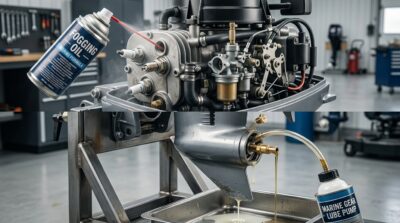
how to winterize a 2 stroke outboard motor
At the End of the Boating Season
For many boat owners, the ideal time to winterize is at the end of the regular boating season. Once you know the boat will not be used for several weeks or months, completing the recommended storage procedures can help protect the motor during its downtime.
Before Extended Periods Without Use
You do not necessarily have to wait for winter. If you expect to leave your 2-stroke outboard unused for an extended period, it is worth following the manufacturer’s storage recommendations. This is particularly important when fuel will remain in the system for a long time.
During Cold-Weather Storage
In areas where temperatures can fall below freezing, winterization becomes especially important. Water trapped in certain components can freeze and potentially cause damage. The exact precautions required depend on the engine design and the manufacturer’s instructions.
For Long-Term Storage
Even in warmer climates, long-term storage can create concerns such as fuel deterioration, moisture, corrosion, and lubrication issues. An outboard stored indoors, outdoors, on a trailer, or in another location may also require different considerations.
Ultimately, winterization is not only for places with harsh winters. Any extended period of storage can justify proper preparation. Check your owner’s manual for the recommended storage interval and procedures for your specific 2-stroke outboard, and complete the necessary maintenance before putting the motor away.
Tools and Supplies You May Need
Before you begin winterizing your 2-stroke outboard, gather the tools and supplies required for your particular engine. Having everything ready can make the process more organized and help you avoid stopping halfway through the maintenance. The exact products and quantities vary by manufacturer and model, so always check the owner’s manual first.
Preparation Checklist
- Manufacturer-approved fuel stabilizer — Choose a product recommended or approved for your engine and fuel system.
- Appropriate engine oil or 2-stroke oil — Use the correct oil specified by the manufacturer.
- Gear lubricant — Select the recommended lubricant for the outboard’s lower unit.
- Replacement gear-lube seals or washers — Have replacements available if the manufacturer recommends replacing them during lubricant service.
- Fresh fuel — Fresh, appropriate fuel may be needed when preparing the fuel system for storage.
- Manufacturer-recommended grease — Use the specified grease for lubrication points such as fittings and other serviceable components.
- Basic hand tools — Keep commonly required wrenches, screwdrivers, sockets, and other tools nearby.
- Drain pan — Useful for collecting old lubricant or other fluids during maintenance.
- Oil-change or lubricant pump — Use one where it is appropriate for your specific outboard and service procedure.
- Cleaning supplies — Have suitable cloths, brushes, and cleaning products available for removing dirt, salt, and residue.
- Protective covers — A suitable cover can help protect the motor from dust, moisture, and environmental exposure during storage.
- Battery charger or maintainer — If your boat uses a battery, an appropriate maintainer can help keep it ready during storage.
Important: Always use products, lubricants, tools, and quantities specified or approved by the motor manufacturer. Never substitute fluids or additives simply because they appear similar. Your owner’s manual should be the primary reference for the correct winterization supplies and procedures.
How to Winterize a 2 Stroke Outboard Motor: Step-by-Step
Learning how to winterize a 2 stroke outboard motor involves more than simply covering the engine and putting the boat away. Proper preparation should address the fuel system, engine, gearcase, lubrication points, propeller, and battery when equipped. The exact procedure varies by manufacturer, engine model, and year, so use the owner’s manual as your primary guide throughout the process.
Step 1: Read the Owner’s Manual
Before performing any winterization work, read the storage and maintenance instructions for your specific outboard. Confirm the recommended winterization procedure, including the correct fluids, lubricants, fuel-storage products, and service intervals.
Pay particular attention to model-specific requirements. Some 2-stroke outboards may have different procedures for internal engine protection, fuel treatment, lubrication, or battery storage. Do not assume that a procedure suitable for one engine will be correct for another.
Step 2: Clean the Outboard
Start with a clean motor. Remove dirt, mud, salt deposits, and other debris from the exterior of the outboard. If the motor has been used in saltwater, cleaning is especially important because salt residue can contribute to corrosion.
Rinse the motor according to the manufacturer’s instructions and use only the recommended flushing method. Allow the appropriate areas to drain and dry before continuing with storage preparation. Avoid directing water into areas where the manufacturer warns against doing so.
Step 3: Inspect the Motor
A detailed inspection can help you identify problems before the motor sits unused. Check the following components:
- Propeller: Look for damage, excessive wear, corrosion, or fishing line around the shaft.
- Cowl: Check for cracks, damage, or problems with the seal.
- Hoses and fuel lines: Look for deterioration, cracks, loose connections, or leaks.
- Wiring: Inspect visible wiring and connections for damage, corrosion, or loose connections.
- Fasteners: Check accessible fasteners for looseness or obvious damage.
- Anodes: Inspect the condition of sacrificial anodes and replace them according to manufacturer guidance.
- Corrosion: Look for visible corrosion around metal components and fittings.
Document any problems you find. Taking photographs or making notes can help you remember which repairs or replacement parts are needed before the next boating season.
Step 4: Prepare the Fuel System
Fuel preparation is an important part of long-term outboard storage, but the correct procedure varies between manufacturers and models. Check the owner’s manual to determine whether the manufacturer recommends fresh fuel, fuel stabilizer, a particular storage procedure, or another approach.
If recommended, use a manufacturer-approved fuel stabilizer and follow the product and engine manufacturer’s instructions for the correct application. Do not guess the stabilizer amount.
Some outboards require the engine to be run for a specified period after adding the treatment so that the treated fuel reaches the appropriate parts of the fuel system. Follow the manufacturer’s winterization instructions for operating the engine during this stage.
Avoid improvising with fuel-storage procedures. Using the wrong product, incorrect quantity, or inappropriate method could create additional problems rather than protecting the fuel system.
Step 5: Protect the Engine Internally
Many 2-stroke outboards have a manufacturer-approved storage or fogging procedure designed to provide internal protection during extended storage. The purpose is to help reduce corrosion concerns in internal engine components while the motor is not operating.
However, the exact method differs considerably between engines. Follow the instructions provided by your outboard manufacturer and use only products specifically recommended or approved for that engine.
Do not assume that every 2-stroke motor should be fogged in exactly the same way. Some models may have specific storage products, application points, or procedures. If the owner’s manual provides a particular method, follow it rather than using a generic technique.
Step 6: Check the Gearcase
The lower unit, or gearcase, should receive careful attention before long-term storage. Inspect the area for visible lubricant leaks and check the gear lubricant according to the manufacturer’s maintenance procedure.
If the lubricant is due for replacement, change it using the correct lubricant specified for your outboard. During inspection, look for signs that water may have entered the gearcase, such as unusual changes in the lubricant’s appearance or other indications described in the owner’s manual.
When servicing the gearcase, replace seals or washers when the manufacturer specifies that they should be replaced. Proper sealing helps protect the lubricant and internal components from contamination.
If you discover significant water contamination, damaged seals, or an unexplained lubricant leak, address the problem before placing the motor into long-term storage.
Step 7: Lubricate Required Components
Identify the lubrication points listed in your owner’s manual. Apply the manufacturer’s recommended grease to specified fittings and lubricate applicable moving parts according to the service instructions.
Using the correct lubricant is important because different components may require different products. Avoid applying grease or oil to areas where lubrication is not specified, and do not over-lubricate components.
A small amount in the correct location is generally preferable to applying excessive lubricant. Excess material can collect dirt or create other maintenance issues.
Step 8: Inspect the Propeller
The propeller deserves its own inspection because damage or fishing line around the propeller shaft can sometimes be overlooked.
Check the propeller for:
- Damage or deformation
- Fishing line wrapped around the shaft
- Corrosion
- Loose or damaged hardware
- Unusual wear
Follow the manufacturer’s instructions if the propeller needs to be removed. If removal is recommended as part of your maintenance procedure, inspect the shaft and surrounding components and apply the specified lubricant where instructed.
If fishing line has entered the propeller-shaft area, do not simply ignore it. It can interfere with seals and contribute to lubricant leaks or other problems. If you are unsure how to inspect or remove the propeller safely, consult the owner’s manual or a qualified marine technician.
Step 9: Prepare the Battery
If your boat is equipped with a battery, prepare it according to the battery and outboard manufacturer’s recommendations. Depending on the system and storage conditions, this may involve disconnecting or removing the battery.
Before storage, inspect the terminals and clean them if necessary using an appropriate method. Store the battery in a suitable location and follow the manufacturer’s recommendations for charging and temperature conditions.
A suitable battery charger or maintainer may be recommended for maintaining the battery during storage. Use a device compatible with your particular battery type and follow its instructions.
Do not overlook battery preparation simply because the engine itself has been winterized. A discharged or poorly stored battery can create an unnecessary problem when you are ready to use the boat again.
By completing these steps according to the manufacturer’s instructions, you can address many of the common storage concerns associated with a 2-stroke outboard. Always prioritize the specific procedures in your owner’s manual over generic winterization advice.
How to Prepare the Fuel System for Winter Storage
Preparing the fuel system is an important part of learning how to winterize a 2 stroke outboard motor. Fuel that remains in a motor or tank for an extended period can change over time, potentially creating problems when the engine is started again. Because fuel-storage procedures differ between outboard models, always follow the recommendations provided by the manufacturer.
Why Fuel Matters
Gasoline can degrade during extended storage. As fuel ages, its quality can change, and deposits may develop within parts of the fuel system. These deposits can contribute to problems with fuel delivery and engine operation when the motor is returned to service.
Moisture is another concern. Water can enter a fuel system through condensation, environmental exposure, or other circumstances. Depending on the fuel system and storage conditions, moisture and fuel-related deposits may contribute to corrosion or operating problems.
For these reasons, fuel preparation should be treated as an important part of long-term outboard storage rather than something to address only when the boating season begins again.
Fuel Stabilizer
A fuel stabilizer may be recommended by the manufacturer to help maintain fuel quality during storage. Stabilizer products are designed for particular fuel types and applications, so the product you use should be compatible with both the fuel and your outboard’s requirements.
Do not assume that every stabilizer is suitable for every engine or fuel system. Check the owner’s manual and the stabilizer manufacturer’s instructions before using a product. Follow the specified application method and quantity rather than estimating the amount yourself.
Some manufacturers may also recommend operating the engine after adding treated fuel so that the treated fuel reaches the relevant parts of the fuel system. If this is part of your model’s winterization procedure, follow the manufacturer’s instructions carefully.
Fuel Tank Storage
There is no single fuel-storage method that applies to every 2-stroke outboard. The appropriate approach can depend on the tank type, fuel system, manufacturer, and storage environment.
For example, the recommended procedure for a portable fuel tank may differ from the procedure for a built-in tank. Similarly, an outboard stored in a dry, protected location may have different considerations from one stored outdoors in a humid or changing environment.
Your owner’s manual should specify whether the manufacturer recommends storing fuel in the tank, draining particular components, treating the fuel, or following another procedure. Follow those instructions rather than applying a universal rule.
Proper fuel preparation can help reduce storage-related fuel problems and make the transition back to normal operation easier when you are ready to use the outboard again.
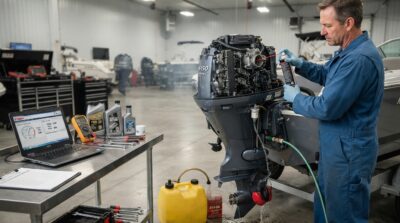
how to winterize a 2 stroke outboard motor
How to Protect a 2-Stroke Outboard From Corrosion
Corrosion is an important concern when storing a 2-stroke outboard, particularly if the motor is regularly used in saltwater. Salt residue, moisture, and prolonged exposure to the elements can affect exposed metal components and other parts of the engine. Taking a few preventive steps before storage can help protect the outboard and reduce the chance of corrosion-related problems.
Freshwater Rinse
A freshwater rinse is especially important after saltwater use. Salt residue can remain on the exterior of the motor and around various components after boating. If left in place during extended storage, it can contribute to corrosion.
Rinse the outboard according to the manufacturer’s instructions and use the appropriate flushing procedure for your specific model. Avoid using a cleaning or flushing method that is not approved for the engine. After rinsing, allow the appropriate areas to drain and dry before covering the motor for storage.
External Protection
Before storage, clean dirt, mud, salt, and other residue from exposed surfaces. Pay attention to areas where moisture or debris may collect. Once the motor has been properly cleaned and dried, a manufacturer-approved corrosion protection product may be used where appropriate.
Always verify that the product is suitable for your particular outboard and follow its application instructions. Do not spray or apply corrosion-protection products indiscriminately, especially around electrical connections, sensors, belts, or other components where the manufacturer advises against it.
Internal Protection
External cleaning alone does not address every corrosion concern. Some manufacturers recommend a specific storage or fogging procedure to provide internal protection during extended storage.
Follow the manufacturer’s instructions for your exact 2-stroke model. Use only the recommended storage products and apply them according to the specified procedure. Because internal engine designs differ, avoid assuming that a generic fogging or storage method is appropriate for your motor.
Inspect Sacrificial Anodes
Sacrificial anodes are designed to help protect certain metal components of the outboard from galvanic corrosion. They gradually deteriorate while providing this protective function, so their condition should be checked as part of routine maintenance.
Inspect the anodes for excessive wear or deterioration and compare their condition with the manufacturer’s replacement guidelines. Replace them when required rather than waiting until they are completely consumed.
Regular cleaning, proper rinsing, suitable corrosion protection, internal storage preparation, and timely anode replacement can all contribute to better corrosion protection during long-term storage.
Should You Change the Gear Oil Before Winter Storage?
Changing or inspecting the gear oil is commonly included in seasonal outboard maintenance because the lower unit needs protection while the motor is stored. Before putting a 2-stroke outboard away for an extended period, check the gear lubricant according to the manufacturer’s maintenance procedure.
Check Lubricant Condition
Inspect the gear oil for unusual appearance, contamination, or other signs that it may need attention. The condition of the lubricant can provide useful information about the condition of the lower unit.
Look for Water Contamination
One important reason to inspect gear oil before storage is to look for signs of water contamination. Water inside the gearcase can indicate a problem with a seal or another component. Finding contamination before storage gives you an opportunity to investigate and address the issue rather than discovering it when the next boating season begins.
Follow the Maintenance Schedule
Whether you should replace the gear oil immediately depends on the manufacturer’s recommended maintenance schedule and the condition of the lubricant. Some owners may choose to perform the service as part of their seasonal maintenance, while others may follow a specific service interval.
Always check your owner’s manual for the correct procedure and service interval.
Use the Correct Lubricant
If the gear oil needs to be replaced, use the lubricant specified or approved by the manufacturer. Different outboards can have different lubricant requirements, so do not substitute a product simply because it appears similar.
Replace Sealing Washers When Required
During gear-oil service, inspect the drain and fill plugs and replace sealing washers or other seals when the manufacturer specifies. Proper sealing helps protect the gearcase from water entering the lubricant system.
Completing this inspection before storage can help identify leaks or contamination early and give you time to address potential lower-unit problems before the next boating season.
How to Store a 2-Stroke Outboard Motor
After completing the recommended winterization procedures, proper storage is the next important step. Even a well-maintained 2-stroke outboard can be affected by moisture, dirt, weather exposure, or an unsuitable storage position if it is left in poor conditions for an extended period.
Storage Location
Ideally, store the motor in a dry, clean location protected from direct weather exposure. A sheltered storage area can reduce exposure to rain, humidity, dirt, and other environmental conditions.
Good ventilation may also be important depending on the storage environment, particularly where fuel or fuel vapors may be present. Follow all applicable safety recommendations and the manufacturer’s storage guidance.
Motor Position
The correct storage position depends on the outboard design. Store the motor in the position recommended by the manufacturer rather than assuming that one position is suitable for every model.
If the motor remains mounted on the boat, follow the manufacturer’s instructions for the appropriate tilt or vertical position during storage. If the motor is removed, use a suitable stand or support designed to hold it securely.
Covering the Motor
An appropriate outboard cover can help protect the motor from dust and environmental exposure. Choose a cover designed for the application and follow the manufacturer’s recommendations.
Avoid using a cover or storage arrangement that traps excessive moisture around the motor. The goal is to protect the engine while still allowing appropriate ventilation and drainage according to the manufacturer’s guidance.
Avoid Improper Storage
Do not store the outboard in conditions that conflict with the manufacturer’s recommendations. Avoid unstable positioning, excessive moisture, direct exposure to harsh weather, or any location that creates unnecessary safety or maintenance concerns.
Proper storage is essentially the final stage of winterization. A clean, protected, correctly positioned motor is better prepared to remain in storage until you are ready to return it to service.
What About Freezing Temperatures?
Freezing temperatures add another reason to prepare a 2-stroke outboard carefully for storage. Water that remains inside parts of the cooling system or other areas of the motor can freeze as temperatures drop. Because water expands when it freezes, trapped water can potentially cause damage to components.
Water in Cooling Passages
After the motor has been used, water may remain in areas of the cooling system. The correct method for allowing the engine to drain depends on the outboard’s design. Do not assume that simply tilting the motor in a particular direction is sufficient for every model.
Potential Freeze Damage
If water becomes trapped and freezes, expansion can place stress on components that are not designed to withstand it. This makes proper cold-weather preparation particularly important in regions where temperatures regularly reach freezing levels.
Follow the Correct Drainage Procedure
Use the drainage and flushing procedure specified by the manufacturer. Some outboards are designed to drain when positioned in a particular way, while others may have additional storage requirements.
The owner’s manual should explain how the cooling system and other water-containing areas should be handled before freezing-weather storage.
Storage Position Matters
The correct storage position can be especially important in cold conditions. Follow the manufacturer’s instructions for whether the motor should remain vertical, tilted, or stored in another specified position.
Cold-Weather Storage Requirements
Cold-weather storage requirements vary according to outboard design, cooling-system configuration, climate, and manufacturer recommendations. Avoid relying on a generic procedure if you are unsure about your specific motor.
If freezing temperatures are expected, complete the manufacturer’s recommended winterization and drainage procedures before storing the engine. Taking these precautions can help reduce the risk of freeze-related damage and make the motor easier to return to service when warmer weather arrives.
Common Mistakes When Winterizing a 2-Stroke Outboard
Even a basic winterization procedure can be less effective if important steps are skipped or performed incorrectly. Avoiding common mistakes can help protect a 2-stroke outboard during extended storage.
Ignoring the Owner’s Manual
One of the biggest mistakes is assuming that every 2-stroke outboard uses the same winterization procedure. Manufacturer requirements can vary significantly. Always check the owner’s manual before selecting fluids, lubricants, storage products, or procedures.
Storing Old or Untreated Fuel
Leaving fuel in storage without following the manufacturer’s recommended fuel-storage procedure can contribute to fuel deterioration and deposits. Use the fuel treatment or storage method specified for your engine.
Skipping Corrosion Protection
Dirt, salt, and moisture can contribute to corrosion. Clean the motor properly and follow the manufacturer’s recommendations for external and internal corrosion protection.
Forgetting the Lower Unit
The gearcase should not be overlooked. Check the lubricant, inspect for leaks, and look for signs of water contamination. Complete any required lubricant service before storage.
Ignoring Damaged Fuel Lines
Inspect visible fuel lines and connections for cracks, deterioration, leaks, or other damage. Problems discovered during winterization should be documented and addressed before returning the motor to regular use.
Leaving Fishing Line Around the Propeller Shaft
Fishing line around the propeller shaft can interfere with seals and potentially contribute to lubricant leaks. Inspect the propeller area and follow the manufacturer’s procedure for removing the propeller when necessary.
Neglecting the Battery
If the boat has a battery, prepare it according to the manufacturer’s recommendations. A battery that is improperly stored or allowed to discharge can create problems when you are ready to start the boat again.
Storing the Engine Improperly
The motor should be stored in the position and environment recommended by the manufacturer. Avoid excessive moisture, unstable positioning, and exposure to unsuitable weather conditions.
Using the Wrong Lubricant
Do not substitute engine oil, gear lubricant, grease, or other products without checking compatibility. Use products specified or approved by the manufacturer.
Failing to Inspect for Leaks
Finally, inspect the engine, fuel system, and lower unit for visible leaks before storage. Identifying a leak early gives you an opportunity to correct the problem before the next boating season.
Can You Winterize a 2-Stroke Outboard Yourself?
Yes, many boat owners can handle basic 2-stroke outboard winterization themselves if they are comfortable performing routine maintenance and carefully following the manufacturer’s instructions. However, the level of work you should perform depends on your experience, the condition of the motor, and the specific requirements of the outboard.
Several basic tasks are generally suitable for an owner who understands routine maintenance. These can include cleaning and rinsing the motor, performing a visual inspection, lubricating specified points, and checking the propeller and sacrificial anodes. Battery care may also be manageable if you follow the battery and boat manufacturer’s recommendations.
Fuel-system preparation can also be performed by an owner when the procedure is clearly explained in the owner’s manual. If the manufacturer recommends using a fuel stabilizer or another storage procedure, follow the specified product, quantity, and application method rather than relying on a generic process.
Internal engine storage procedures require additional care. If your owner’s manual provides a specific procedure that you understand and can safely perform, you may be able to complete it yourself. If the procedure is unclear, however, professional assistance is a better choice.
When to Get Professional Help
Consider having a qualified marine technician inspect or winterize the outboard when:
- The engine has serious or extensive corrosion.
- You discover fuel-system problems or suspected fuel leaks.
- The lower unit may have internal damage or significant water contamination.
- You are unsure about the correct winterization procedure.
- Major repairs or component replacement are required.
Professional assistance can be particularly valuable when a problem is discovered during the winterization inspection. Addressing an issue before long-term storage may prevent it from becoming more complicated later.
The key is knowing your limits. Routine maintenance can often be handled by a careful owner, but manufacturer-specific procedures and major mechanical problems should not be treated as guesswork.
Winterization Checklist
Use this simple checklist to keep track of the major tasks involved in preparing a 2-stroke outboard for extended storage. Always compare it with your owner’s manual because the required procedures vary by manufacturer and model.
- Read the owner’s manual and confirm the manufacturer’s storage procedure.
- Clean and rinse the motor according to the recommended procedure.
- Inspect the exterior for damage, corrosion, loose components, and other issues.
- Check the fuel system for damaged lines, connections, leaks, or other concerns.
- Treat the fuel if the manufacturer recommends a fuel stabilizer or another storage method.
- Perform the approved internal storage procedure according to the manufacturer’s instructions.
- Check the gear lubricant and inspect for leaks or signs of water contamination.
- Inspect the propeller for damage, corrosion, fishing line, and loose hardware.
- Lubricate required points using the specified grease or lubricant.
- Inspect the sacrificial anodes and replace them when required.
- Prepare the battery according to the battery and boat manufacturer’s recommendations.
- Store the motor correctly in the recommended position and environment.
- Cover and protect the motor using an appropriate cover without unnecessarily trapping moisture.
- Record the maintenance completed, including any problems that need attention before the next boating season.
Keeping a written record of completed maintenance can make future servicing easier and help you remember which repairs or inspections should be performed before the motor returns to regular use.
Spring Startup After Winter Storage
Winterization is only half of the storage process. Before returning a 2-stroke outboard to regular service, perform a careful inspection and follow the manufacturer’s startup procedure. Taking a few minutes to check the motor can help identify storage-related problems before they affect normal operation.
Inspect the Motor
Start with a general inspection of the outboard. Look for signs of corrosion, damage, loose components, or fluid leaks. Check areas that were serviced before storage and confirm that everything appears to be in the expected condition.
Check the Fuel
Inspect the fuel system and fuel supply before starting the engine. Check for damaged fuel lines, loose connections, leaks, or other visible problems. Follow the manufacturer’s recommendations for returning the fuel system to normal operation after storage.
Check Oil and Lubricant Levels
Check engine oil, 2-stroke oil, or other applicable fluid levels according to the specific outboard’s requirements. Also verify the condition and level of the lower-unit lubricant where applicable. Use only the products specified or approved by the manufacturer.
Inspect the Propeller
Check the propeller for damage, corrosion, fishing line, or loose hardware. If the propeller was removed during maintenance, make sure it has been reinstalled correctly according to the manufacturer’s instructions.
Check the Battery
If the boat uses a battery, inspect its condition and connections before attempting to start the motor. Make sure the battery is adequately charged and installed or connected according to the manufacturer’s recommendations.
Follow the Manufacturer’s Startup Procedure
Do not immediately assume the engine is ready to operate normally after storage. Follow the manufacturer’s recommended startup and initial operation procedure. This may include specific checks or precautions before returning to regular boating use.
During the first operation, pay attention to how the motor performs. Unusual noises, fluid leaks, warning indicators, or poor running conditions should be investigated before normal operation continues. If you notice anything unexpected, stop and consult the owner’s manual or a qualified marine technician.
A careful spring inspection helps complete the winterization process and gives you an opportunity to identify storage-related issues before they become larger problems on the water.
FAQ
How to winterize a 2 stroke outboard motor?
To winterize a 2-stroke outboard, start by reading the owner’s manual and confirming the model-specific storage procedure. Clean and rinse the motor, inspect the exterior and fuel system, and prepare the fuel according to the manufacturer’s recommendations. Perform any approved internal storage or fogging procedure, check the gear lubricant, inspect the propeller and sacrificial anodes, lubricate specified points, and prepare the battery if equipped. Finally, store the motor in the recommended position and protect it from unsuitable environmental conditions.
Do 2-stroke outboard motors need to be winterized?
Yes, preparing a 2-stroke outboard for seasonal or long-term storage is important. Fuel can deteriorate, moisture can contribute to corrosion, and components can develop storage-related problems when a motor remains unused for an extended period. Proper preparation helps protect the engine and makes it easier to return the motor to service.
Should I use fuel stabilizer in a 2-stroke outboard?
A fuel stabilizer may be appropriate if the manufacturer recommends one for your particular outboard and fuel system. Use only a compatible product and follow the manufacturer’s instructions for application and quantity. Do not assume that the same stabilizer or dosage is suitable for every 2-stroke motor.
Should I change the gear oil before winter storage?
Checking the gear oil is commonly included in seasonal maintenance. Inspect its condition and look for signs of water contamination or leaks. If the lubricant is due for replacement according to the maintenance schedule, service it using the correct lubricant and replace sealing washers or other components when specified.
Do I need to fog a 2-stroke outboard?
It depends on the specific engine. Some manufacturers recommend an approved fogging or internal storage procedure, while the requirements can vary between models. Follow the procedure in your owner’s manual and use only products recommended by the manufacturer.
Can I leave fuel in a 2-stroke outboard over winter?
Fuel-storage recommendations vary according to the tank type, fuel system, manufacturer, and storage environment. Some engines may have specific procedures for treating and storing fuel, while others may require different preparation. Follow your owner’s manual rather than assuming that one fuel-storage method applies to every outboard.
How do I protect my 2-stroke outboard from freezing?
Proper drainage and storage preparation are important when freezing temperatures are expected. Water remaining in certain cooling passages or other components can potentially cause freeze-related damage. Follow the manufacturer’s recommended flushing, drainage, and storage-position procedures for your particular outboard.
Can I winterize my outboard myself?
Many owners can perform routine tasks such as cleaning, visual inspection, basic lubrication, fuel preparation, and battery care when they are comfortable with maintenance and can follow the owner’s manual. Professional service is preferable when the motor has serious corrosion, fuel-system problems, suspected lower-unit damage, or requires major repairs.
Should I remove the battery during winter?
Battery-storage requirements depend on the battery type, boat setup, and manufacturer’s recommendations. Some setups may call for disconnecting or removing the battery, while others may have different requirements. Follow the battery and boat manufacturer’s instructions and use a suitable maintainer when recommended.
How do I start a 2-stroke outboard after winter storage?
Before starting the motor, inspect it for corrosion, leaks, damage, and loose components. Check the fuel system, applicable oil and lubricant levels, fuel lines, propeller, and battery condition. Then follow the manufacturer’s recommended startup procedure. If you notice unusual noises, warning indicators, leaks, or poor running, investigate the problem before returning the motor to normal operation.
Conclusion
Knowing how to
winterize a 2 stroke outboard motor can help protect your engine during seasonal or long-term storage and make it easier to return to the water when the boating season begins again. The process does not have to be complicated, but it should be completed carefully and according to the requirements of your specific outboard.
Start by cleaning and inspecting the motor, removing dirt, salt, and debris and checking for visible damage, corrosion, leaks, and worn components. Prepare the fuel system using the storage method recommended by the manufacturer, including an approved fuel stabilizer when appropriate. Protect the engine against corrosion by following the recommended external and internal storage procedures.
The gearcase should also be inspected for leaks and signs of water contamination, with the lubricant replaced when required by the maintenance schedule. Lubricate specified components, inspect the propeller and sacrificial anodes, and prepare the battery if equipped. Finally, store the outboard in the recommended position and use appropriate protection against environmental exposure.
Remember that winterization procedures can vary significantly by make, model, year, and engine design. Your manufacturer’s owner’s manual should always be the final authority. If you are unsure about a procedure or discover a significant mechanical problem, consider consulting a qualified marine technician.
Final Takeaway
Clean it, inspect it, protect the fuel system, service the gearcase as required, protect against corrosion, and store the outboard according to the manufacturer’s instructions. Proper seasonal maintenance can help protect a 2-stroke outboard during extended storage and prepare it for reliable use when you are ready to get back on the water.If you plan to store your boat and
outboard motor for an extended period, knowing how to winterize a 2 stroke outboard motor is an important part of protecting your equipment. Winterization is the process of preparing an outboard engine for long-term storage by protecting its fuel system, internal components, cooling system, lower unit, and other parts from damage while the motor is not being used.
Proper winterization matters because an engine that sits unused for weeks or months can develop problems that may not be immediately visible. Fuel can deteriorate and leave deposits in the fuel system, while moisture can contribute to corrosion on important metal components. Internal engine deposits may also build up, and water remaining in certain areas can create problems during storage. The lower unit, seals, propeller area, and other components also benefit from proper preparation. If your boat uses a battery, preparing it for storage can help prevent unnecessary discharge as well.
By taking the time to winterize your 2-stroke outboard correctly, you can reduce the risk of storage-related problems and make it easier to return the motor to service when you are ready to use your boat again.
Keep in mind that the exact winterization procedure can vary depending on the manufacturer, engine size, model, and year. Some motors may have specific requirements for fuel treatment, lubrication, fogging, and lower-unit service. Always check your owner’s manual before beginning the process and follow the manufacturer’s recommendations.
Key takeaway: Proper winterization helps protect a 2-stroke outboard during extended storage and makes it easier to return the motor to service.
Why Should You Winterize a 2-Stroke Outboard Motor?
Winterizing a 2-stroke outboard motor is important because an engine that remains unused for an extended period can be affected by moisture, fuel deterioration, corrosion, and other storage-related problems. A few preventive maintenance steps before storage can help protect the motor and make it easier to get back on the water when the boating season begins again.
Protect Against Corrosion
Moisture is one of the main concerns when storing an
outboard motor. Water and condensation can contribute to corrosion on metal components, particularly when the motor is stored for several months. Corrosion concerns can be even greater for boats and outboards regularly used in saltwater because salt residue can accelerate corrosion if the engine is not properly cleaned and protected. Winterization allows you to inspect, clean, and protect vulnerable components before storage.
Protect the Fuel System
Fuel does not remain in the same condition indefinitely. During extended storage, gasoline can deteriorate and may contribute to deposits or other fuel-system problems. Depending on the manufacturer’s recommendations, preparing the fuel system with fresh fuel and an appropriate fuel stabilizer can help reduce these concerns. Following the specific instructions in your owner’s manual is important because fuel-storage procedures vary between engines.
Protect the Engine
Proper storage preparation helps reduce moisture and corrosion concerns inside and around the engine. Lubrication and other manufacturer-recommended maintenance can provide additional protection for internal and external components while the motor is sitting unused.
Protect the Lower Unit
The lower unit should also be included in your storage preparation. Check the gear lubricant for signs of contamination and inspect the area around the seals for potential leaks or damage. Addressing problems before storage can help prevent more serious issues later.
Make Spring Startup Easier
A properly winterized outboard is generally easier to return to service because many common storage-related concerns have already been addressed. Instead of discovering deteriorated fuel, corrosion, or lubrication problems when you are ready to launch, you can begin the boating season with a motor that has been prepared for storage.
When Should You Winterize a 2-Stroke Outboard?
The best time to winterize a 2-stroke outboard depends on your local climate, boating season, expected storage period, temperature, and where the motor will be stored. While the term “winterization” is often associated with freezing temperatures, preparing an outboard for storage is useful whenever the engine will remain unused for an extended period.
At the End of the Boating Season
For many boat owners, the ideal time to winterize is at the end of the regular boating season. Once you know the boat will not be used for several weeks or months, completing the recommended storage procedures can help protect the motor during its downtime.
Before Extended Periods Without Use
You do not necessarily have to wait for winter. If you expect to leave your 2-stroke outboard unused for an extended period, it is worth following the manufacturer’s storage recommendations. This is particularly important when fuel will remain in the system for a long time.
During Cold-Weather Storage
In areas where temperatures can fall below freezing, winterization becomes especially important. Water trapped in certain components can freeze and potentially cause damage. The exact precautions required depend on the engine design and the manufacturer’s instructions.
For Long-Term Storage
Even in warmer climates, long-term storage can create concerns such as fuel deterioration, moisture, corrosion, and lubrication issues. An outboard stored indoors, outdoors, on a trailer, or in another location may also require different considerations.
Ultimately, winterization is not only for places with harsh winters. Any extended period of storage can justify proper preparation. Check your owner’s manual for the recommended storage interval and procedures for your specific 2-stroke outboard, and complete the necessary maintenance before putting the motor away.
Tools and Supplies You May Need
Before you begin winterizing your 2-stroke outboard, gather the tools and supplies required for your particular engine. Having everything ready can make the process more organized and help you avoid stopping halfway through the maintenance. The exact products and quantities vary by manufacturer and model, so always check the owner’s manual first.
Preparation Checklist
- Manufacturer-approved fuel stabilizer — Choose a product recommended or approved for your engine and fuel system.
- Appropriate engine oil or 2-stroke oil — Use the correct oil specified by the manufacturer.
- Gear lubricant — Select the recommended lubricant for the outboard’s lower unit.
- Replacement gear-lube seals or washers — Have replacements available if the manufacturer recommends replacing them during lubricant service.
- Fresh fuel — Fresh, appropriate fuel may be needed when preparing the fuel system for storage.
- Manufacturer-recommended grease — Use the specified grease for lubrication points such as fittings and other serviceable components.
- Basic hand tools — Keep commonly required wrenches, screwdrivers, sockets, and other tools nearby.
- Drain pan — Useful for collecting old lubricant or other fluids during maintenance.
- Oil-change or lubricant pump — Use one where it is appropriate for your specific outboard and service procedure.
- Cleaning supplies — Have suitable cloths, brushes, and cleaning products available for removing dirt, salt, and residue.
- Protective covers — A suitable cover can help protect the motor from dust, moisture, and environmental exposure during storage.
- Battery charger or maintainer — If your boat uses a battery, an appropriate maintainer can help keep it ready during storage.
Important: Always use products, lubricants, tools, and quantities specified or approved by the motor manufacturer. Never substitute fluids or additives simply because they appear similar. Your owner’s manual should be the primary reference for the correct winterization supplies and procedures.
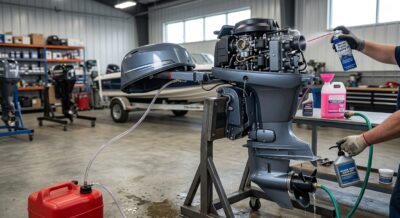
how to winterize a 2 stroke outboard motor
How to Winterize a 2 Stroke Outboard Motor: Step-by-Step
Learning how to
winterize a 2 stroke outboard motor involves more than simply covering the engine and putting the boat away. Proper preparation should address the fuel system, engine, gearcase, lubrication points, propeller, and battery when equipped. The exact procedure varies by manufacturer, engine model, and year, so use the owner’s manual as your primary guide throughout the process.
Step 1: Read the Owner’s Manual
Before performing any winterization work, read the storage and maintenance instructions for your specific outboard. Confirm the recommended winterization procedure, including the correct fluids, lubricants, fuel-storage products, and service intervals.
Pay particular attention to model-specific requirements. Some 2-stroke outboards may have different procedures for internal engine protection, fuel treatment, lubrication, or battery storage. Do not assume that a procedure suitable for one engine will be correct for another.
Step 2: Clean the Outboard
Start with a clean motor. Remove dirt, mud, salt deposits, and other debris from the exterior of the outboard. If the motor has been used in saltwater, cleaning is especially important because salt residue can contribute to corrosion.
Rinse the motor according to the manufacturer’s instructions and use only the recommended flushing method. Allow the appropriate areas to drain and dry before continuing with storage preparation. Avoid directing water into areas where the manufacturer warns against doing so.
Step 3: Inspect the Motor
A detailed inspection can help you identify problems before the motor sits unused. Check the following components:
- Propeller: Look for damage, excessive wear, corrosion, or fishing line around the shaft.
- Cowl: Check for cracks, damage, or problems with the seal.
- Hoses and fuel lines: Look for deterioration, cracks, loose connections, or leaks.
- Wiring: Inspect visible wiring and connections for damage, corrosion, or loose connections.
- Fasteners: Check accessible fasteners for looseness or obvious damage.
- Anodes: Inspect the condition of sacrificial anodes and replace them according to manufacturer guidance.
- Corrosion: Look for visible corrosion around metal components and fittings.
Document any problems you find. Taking photographs or making notes can help you remember which repairs or replacement parts are needed before the next boating season.
Step 4: Prepare the Fuel System
Fuel preparation is an important part of long-term outboard storage, but the correct procedure varies between manufacturers and models. Check the owner’s manual to determine whether the manufacturer recommends fresh fuel, fuel stabilizer, a particular storage procedure, or another approach.
If recommended, use a manufacturer-approved fuel stabilizer and follow the product and engine manufacturer’s instructions for the correct application. Do not guess the stabilizer amount.
Some outboards require the engine to be run for a specified period after adding the treatment so that the treated fuel reaches the appropriate parts of the fuel system. Follow the manufacturer’s winterization instructions for operating the engine during this stage.
Avoid improvising with fuel-storage procedures. Using the wrong product, incorrect quantity, or inappropriate method could create additional problems rather than protecting the fuel system.
Step 5: Protect the Engine Internally
Many 2-stroke outboards have a manufacturer-approved storage or fogging procedure designed to provide internal protection during extended storage. The purpose is to help reduce corrosion concerns in internal engine components while the motor is not operating.
However, the exact method differs considerably between engines. Follow the instructions provided by your outboard manufacturer and use only products specifically recommended or approved for that engine.
Do not assume that every 2-stroke motor should be fogged in exactly the same way. Some models may have specific storage products, application points, or procedures. If the owner’s manual provides a particular method, follow it rather than using a generic technique.
Step 6: Check the Gearcase
The lower unit, or gearcase, should receive careful attention before long-term storage. Inspect the area for visible lubricant leaks and check the gear lubricant according to the manufacturer’s maintenance procedure.
If the lubricant is due for replacement, change it using the correct lubricant specified for your outboard. During inspection, look for signs that water may have entered the gearcase, such as unusual changes in the lubricant’s appearance or other indications described in the owner’s manual.
When servicing the gearcase, replace seals or washers when the manufacturer specifies that they should be replaced. Proper sealing helps protect the lubricant and internal components from contamination.
If you discover significant water contamination, damaged seals, or an unexplained lubricant leak, address the problem before placing the motor into long-term storage.
Step 7: Lubricate Required Components
Identify the lubrication points listed in your owner’s manual. Apply the manufacturer’s recommended grease to specified fittings and lubricate applicable moving parts according to the service instructions.
Using the correct lubricant is important because different components may require different products. Avoid applying grease or oil to areas where lubrication is not specified, and do not over-lubricate components.
A small amount in the correct location is generally preferable to applying excessive lubricant. Excess material can collect dirt or create other maintenance issues.
Step 8: Inspect the Propeller
The propeller deserves its own inspection because damage or fishing line around the propeller shaft can sometimes be overlooked.
Check the propeller for:
- Damage or deformation
- Fishing line wrapped around the shaft
- Corrosion
- Loose or damaged hardware
- Unusual wear
Follow the manufacturer’s instructions if the propeller needs to be removed. If removal is recommended as part of your maintenance procedure, inspect the shaft and surrounding components and apply the specified lubricant where instructed.
If fishing line has entered the propeller-shaft area, do not simply ignore it. It can interfere with seals and contribute to lubricant leaks or other problems. If you are unsure how to inspect or remove the propeller safely, consult the owner’s manual or a qualified marine technician.
Step 9: Prepare the Battery
If your boat is equipped with a battery, prepare it according to the battery and outboard manufacturer’s recommendations. Depending on the system and storage conditions, this may involve disconnecting or removing the battery.
Before storage, inspect the terminals and clean them if necessary using an appropriate method. Store the battery in a suitable location and follow the manufacturer’s recommendations for charging and temperature conditions.
A suitable battery charger or maintainer may be recommended for maintaining the battery during storage. Use a device compatible with your particular battery type and follow its instructions.
Do not overlook battery preparation simply because the engine itself has been winterized. A discharged or poorly stored battery can create an unnecessary problem when you are ready to use the boat again.
By completing these steps according to the manufacturer’s instructions, you can address many of the common storage concerns associated with a 2-stroke outboard. Always prioritize the specific procedures in your owner’s manual over generic winterization advice.
How to Prepare the Fuel System for Winter Storage
Preparing the fuel system is an important part of learning how to winterize a 2 stroke
outboard motor. Fuel that remains in a motor or tank for an extended period can change over time, potentially creating problems when the engine is started again. Because fuel-storage procedures differ between outboard models, always follow the recommendations provided by the manufacturer.
Why Fuel Matters
Gasoline can degrade during extended storage. As fuel ages, its quality can change, and deposits may develop within parts of the fuel system. These deposits can contribute to problems with fuel delivery and engine operation when the motor is returned to service.
Moisture is another concern. Water can enter a fuel system through condensation, environmental exposure, or other circumstances. Depending on the fuel system and storage conditions, moisture and fuel-related deposits may contribute to corrosion or operating problems.
For these reasons, fuel preparation should be treated as an important part of long-term outboard storage rather than something to address only when the boating season begins again.
Fuel Stabilizer
A fuel stabilizer may be recommended by the manufacturer to help maintain fuel quality during storage. Stabilizer products are designed for particular fuel types and applications, so the product you use should be compatible with both the fuel and your outboard’s requirements.
Do not assume that every stabilizer is suitable for every engine or fuel system. Check the owner’s manual and the stabilizer manufacturer’s instructions before using a product. Follow the specified application method and quantity rather than estimating the amount yourself.
Some manufacturers may also recommend operating the engine after adding treated fuel so that the treated fuel reaches the relevant parts of the fuel system. If this is part of your model’s winterization procedure, follow the manufacturer’s instructions carefully.
Fuel Tank Storage
There is no single fuel-storage method that applies to every 2-stroke outboard. The appropriate approach can depend on the tank type, fuel system, manufacturer, and storage environment.
For example, the recommended procedure for a portable fuel tank may differ from the procedure for a built-in tank. Similarly, an outboard stored in a dry, protected location may have different considerations from one stored outdoors in a humid or changing environment.
Your owner’s manual should specify whether the manufacturer recommends storing fuel in the tank, draining particular components, treating the fuel, or following another procedure. Follow those instructions rather than applying a universal rule.
Proper fuel preparation can help reduce storage-related fuel problems and make the transition back to normal operation easier when you are ready to use the outboard again.
How to Protect a 2-Stroke Outboard From Corrosion
Corrosion is an important concern when storing a 2-stroke outboard, particularly if the motor is regularly used in saltwater. Salt residue, moisture, and prolonged exposure to the elements can affect exposed metal components and other parts of the engine. Taking a few preventive steps before storage can help protect the outboard and reduce the chance of corrosion-related problems.
Freshwater Rinse
A freshwater rinse is especially important after saltwater use. Salt residue can remain on the exterior of the motor and around various components after boating. If left in place during extended storage, it can contribute to corrosion.
Rinse the outboard according to the manufacturer’s instructions and use the appropriate flushing procedure for your specific model. Avoid using a cleaning or flushing method that is not approved for the engine. After rinsing, allow the appropriate areas to drain and dry before covering the motor for storage.
External Protection
Before storage, clean dirt, mud, salt, and other residue from exposed surfaces. Pay attention to areas where moisture or debris may collect. Once the motor has been properly cleaned and dried, a manufacturer-approved corrosion protection product may be used where appropriate.
Always verify that the product is suitable for your particular outboard and follow its application instructions. Do not spray or apply corrosion-protection products indiscriminately, especially around electrical connections, sensors, belts, or other components where the manufacturer advises against it.
Internal Protection
External cleaning alone does not address every corrosion concern. Some manufacturers recommend a specific storage or fogging procedure to provide internal protection during extended storage.
Follow the manufacturer’s instructions for your exact 2-stroke model. Use only the recommended storage products and apply them according to the specified procedure. Because internal engine designs differ, avoid assuming that a generic fogging or storage method is appropriate for your motor.
Inspect Sacrificial Anodes
Sacrificial anodes are designed to help protect certain metal components of the outboard from galvanic corrosion. They gradually deteriorate while providing this protective function, so their condition should be checked as part of routine maintenance.
Inspect the anodes for excessive wear or deterioration and compare their condition with the manufacturer’s replacement guidelines. Replace them when required rather than waiting until they are completely consumed.
Regular cleaning, proper rinsing, suitable corrosion protection, internal storage preparation, and timely anode replacement can all contribute to better corrosion protection during long-term storage.
Should You Change the Gear Oil Before Winter Storage?
Changing or inspecting the gear oil is commonly included in seasonal outboard maintenance because the lower unit needs protection while the motor is stored. Before putting a 2-stroke outboard away for an extended period, check the gear lubricant according to the manufacturer’s maintenance procedure.
Check Lubricant Condition
Inspect the gear oil for unusual appearance, contamination, or other signs that it may need attention. The condition of the lubricant can provide useful information about the condition of the lower unit.
Look for Water Contamination
One important reason to inspect gear oil before storage is to look for signs of water contamination. Water inside the gearcase can indicate a problem with a seal or another component. Finding contamination before storage gives you an opportunity to investigate and address the issue rather than discovering it when the next boating season begins.
Follow the Maintenance Schedule
Whether you should replace the gear oil immediately depends on the manufacturer’s recommended maintenance schedule and the condition of the lubricant. Some owners may choose to perform the service as part of their seasonal maintenance, while others may follow a specific service interval.
Always check your owner’s manual for the correct procedure and service interval.
Use the Correct Lubricant
If the gear oil needs to be replaced, use the lubricant specified or approved by the manufacturer. Different outboards can have different lubricant requirements, so do not substitute a product simply because it appears similar.
Replace Sealing Washers When Required
During gear-oil service, inspect the drain and fill plugs and replace sealing washers or other seals when the manufacturer specifies. Proper sealing helps protect the gearcase from water entering the lubricant system.
Completing this inspection before storage can help identify leaks or contamination early and give you time to address potential lower-unit problems before the next boating season.
How to Store a 2-Stroke Outboard Motor
After completing the recommended winterization procedures, proper storage is the next important step. Even a well-maintained 2-stroke outboard can be affected by moisture, dirt, weather exposure, or an unsuitable storage position if it is left in poor conditions for an extended period.
Storage Location
Ideally, store the motor in a dry, clean location protected from direct weather exposure. A sheltered storage area can reduce exposure to rain, humidity, dirt, and other environmental conditions.
Good ventilation may also be important depending on the storage environment, particularly where fuel or fuel vapors may be present. Follow all applicable safety recommendations and the manufacturer’s storage guidance.
Motor Position
The correct storage position depends on the outboard design. Store the motor in the position recommended by the manufacturer rather than assuming that one position is suitable for every model.
If the motor remains mounted on the boat, follow the manufacturer’s instructions for the appropriate tilt or vertical position during storage. If the motor is removed, use a suitable stand or support designed to hold it securely.
Covering the Motor
An appropriate outboard cover can help protect the motor from dust and environmental exposure. Choose a cover designed for the application and follow the manufacturer’s recommendations.
Avoid using a cover or storage arrangement that traps excessive moisture around the motor. The goal is to protect the engine while still allowing appropriate ventilation and drainage according to the manufacturer’s guidance.
Avoid Improper Storage
Do not store the outboard in conditions that conflict with the manufacturer’s recommendations. Avoid unstable positioning, excessive moisture, direct exposure to harsh weather, or any location that creates unnecessary safety or maintenance concerns.
Proper storage is essentially the final stage of winterization. A clean, protected, correctly positioned motor is better prepared to remain in storage until you are ready to return it to service.
What About Freezing Temperatures?
Freezing temperatures add another reason to prepare a 2-stroke outboard carefully for storage. Water that remains inside parts of the cooling system or other areas of the motor can freeze as temperatures drop. Because water expands when it freezes, trapped water can potentially cause damage to components.
Water in Cooling Passages
After the motor has been used, water may remain in areas of the cooling system. The correct method for allowing the engine to drain depends on the outboard’s design. Do not assume that simply tilting the motor in a particular direction is sufficient for every model.
Potential Freeze Damage
If water becomes trapped and freezes, expansion can place stress on components that are not designed to withstand it. This makes proper cold-weather preparation particularly important in regions where temperatures regularly reach freezing levels.
Follow the Correct Drainage Procedure
Use the drainage and flushing procedure specified by the manufacturer. Some outboards are designed to drain when positioned in a particular way, while others may have additional storage requirements.
The owner’s manual should explain how the cooling system and other water-containing areas should be handled before freezing-weather storage.
Storage Position Matters
The correct storage position can be especially important in cold conditions. Follow the manufacturer’s instructions for whether the motor should remain vertical, tilted, or stored in another specified position.
Cold-Weather Storage Requirements
Cold-weather storage requirements vary according to outboard design, cooling-system configuration, climate, and manufacturer recommendations. Avoid relying on a generic procedure if you are unsure about your specific motor.
If freezing temperatures are expected, complete the manufacturer’s recommended winterization and drainage procedures before storing the engine. Taking these precautions can help reduce the risk of freeze-related damage and make the motor easier to return to service when warmer weather arrives.
Common Mistakes When Winterizing a 2-Stroke Outboard
Even a basic winterization procedure can be less effective if important steps are skipped or performed incorrectly. Avoiding common mistakes can help protect a 2-stroke outboard during extended storage.
Ignoring the Owner’s Manual
One of the biggest mistakes is assuming that every 2-stroke outboard uses the same winterization procedure. Manufacturer requirements can vary significantly. Always check the owner’s manual before selecting fluids, lubricants, storage products, or procedures.
Storing Old or Untreated Fuel
Leaving fuel in storage without following the manufacturer’s recommended fuel-storage procedure can contribute to fuel deterioration and deposits. Use the fuel treatment or storage method specified for your engine.
Skipping Corrosion Protection
Dirt, salt, and moisture can contribute to corrosion. Clean the motor properly and follow the manufacturer’s recommendations for external and internal corrosion protection.
Forgetting the Lower Unit
The gearcase should not be overlooked. Check the lubricant, inspect for leaks, and look for signs of water contamination. Complete any required lubricant service before storage.
Ignoring Damaged Fuel Lines
Inspect visible fuel lines and connections for cracks, deterioration, leaks, or other damage. Problems discovered during winterization should be documented and addressed before returning the motor to regular use.
Leaving Fishing Line Around the Propeller Shaft
Fishing line around the propeller shaft can interfere with seals and potentially contribute to lubricant leaks. Inspect the propeller area and follow the manufacturer’s procedure for removing the propeller when necessary.
Neglecting the Battery
If the boat has a battery, prepare it according to the manufacturer’s recommendations. A battery that is improperly stored or allowed to discharge can create problems when you are ready to start the boat again.
Storing the Engine Improperly
The motor should be stored in the position and environment recommended by the manufacturer. Avoid excessive moisture, unstable positioning, and exposure to unsuitable weather conditions.
Using the Wrong Lubricant
Do not substitute engine oil, gear lubricant, grease, or other products without
checking compatibility. Use products specified or approved by the manufacturer.
Failing to Inspect for Leaks
Finally, inspect the engine, fuel system, and lower unit for visible leaks before storage. Identifying a leak early gives you an opportunity to correct the problem before the next boating season.
Can You Winterize a 2-Stroke Outboard Yourself?
Yes, many boat owners can handle basic 2-stroke outboard winterization themselves if they are comfortable performing routine maintenance and carefully following the manufacturer’s instructions. However, the level of work you should perform depends on your experience, the condition of the motor, and the specific requirements of the outboard.
Several basic tasks are generally suitable for an owner who understands routine maintenance. These can include cleaning and rinsing the motor, performing a visual inspection, lubricating specified points, and checking the propeller and sacrificial anodes. Battery care may also be manageable if you follow the battery and boat manufacturer’s recommendations.
Fuel-system preparation can also be performed by an owner when the procedure is clearly explained in the owner’s manual. If the manufacturer recommends using a fuel stabilizer or another storage procedure, follow the specified product, quantity, and application method rather than relying on a generic process.
Internal engine storage procedures require additional care. If your owner’s manual provides a specific procedure that you understand and can safely perform, you may be able to complete it yourself. If the procedure is unclear, however, professional assistance is a better choice.
When to Get Professional Help
Consider having a qualified marine technician inspect or winterize the outboard when:
- The engine has serious or extensive corrosion.
- You discover fuel-system problems or suspected fuel leaks.
- The lower unit may have internal damage or significant water contamination.
- You are unsure about the correct winterization procedure.
- Major repairs or component replacement are required.
Professional assistance can be particularly valuable when a problem is discovered during the winterization inspection. Addressing an issue before long-term storage may prevent it from becoming more complicated later.
The key is knowing your limits. Routine maintenance can often be handled by a careful owner, but manufacturer-specific procedures and major mechanical problems should not be treated as guesswork.
Winterization Checklist
Use this simple checklist to keep track of the major tasks involved in preparing a 2-stroke outboard for extended storage. Always compare it with your owner’s manual because the required procedures vary by manufacturer and model.
- Read the owner’s manual and confirm the manufacturer’s storage procedure.
- Clean and rinse the motor according to the recommended procedure.
- Inspect the exterior for damage, corrosion, loose components, and other issues.
- Check the fuel system for damaged lines, connections, leaks, or other concerns.
- Treat the fuel if the manufacturer recommends a fuel stabilizer or another storage method.
- Perform the approved internal storage procedure according to the manufacturer’s instructions.
- Check the gear lubricant and inspect for leaks or signs of water contamination.
- Inspect the propeller for damage, corrosion, fishing line, and loose hardware.
- Lubricate required points using the specified grease or lubricant.
- Inspect the sacrificial anodes and replace them when required.
- Prepare the battery according to the battery and boat manufacturer’s recommendations.
- Store the motor correctly in the recommended position and environment.
- Cover and protect the motor using an appropriate cover without unnecessarily trapping moisture.
- Record the maintenance completed, including any problems that need attention before the next boating season.
Keeping a written record of completed maintenance can make future servicing easier and help you remember which repairs or inspections should be performed before the motor returns to regular use.
Spring Startup After Winter Storage
Winterization is only half of the storage process. Before returning a 2-stroke outboard to regular service, perform a careful inspection and follow the manufacturer’s startup procedure. Taking a few minutes to check the motor can help identify storage-related problems before they affect normal operation.
Inspect the Motor
Start with a general inspection of the outboard. Look for signs of corrosion, damage, loose components, or fluid leaks. Check areas that were serviced before storage and confirm that everything appears to be in the expected condition.
Check the Fuel
Inspect the fuel system and fuel supply before starting the engine. Check for damaged fuel lines, loose connections, leaks, or other visible problems. Follow the manufacturer’s recommendations for returning the fuel system to normal operation after storage.
Check Oil and Lubricant Levels
Check engine oil, 2-stroke oil, or other applicable fluid levels according to the specific outboard’s requirements. Also verify the condition and level of the lower-unit lubricant where applicable. Use only the products specified or approved by the manufacturer.
Inspect the Propeller
Check the propeller for damage, corrosion, fishing line, or loose hardware. If the propeller was removed during maintenance, make sure it has been reinstalled correctly according to the manufacturer’s instructions.
Check the Battery
If the boat uses a battery, inspect its condition and connections before attempting to start the motor. Make sure the battery is adequately charged and installed or connected according to the manufacturer’s recommendations.
Follow the Manufacturer’s Startup Procedure
Do not immediately assume the engine is ready to operate normally after storage. Follow the manufacturer’s recommended startup and initial operation procedure. This may include specific checks or precautions before returning to regular boating use.
During the first operation, pay attention to how the motor performs. Unusual noises, fluid leaks, warning indicators, or poor running conditions should be investigated before normal operation continues. If you notice anything unexpected, stop and consult the owner’s manual or a qualified marine technician.
A careful spring inspection helps complete the winterization process and gives you an opportunity to identify storage-related issues before they become larger problems on the water.
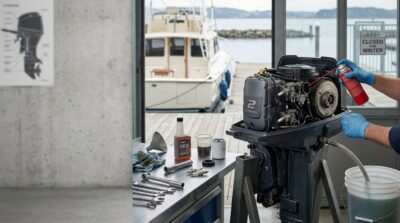
how to winterize a 2 stroke outboard motor
FAQ
How to winterize a 2-stroke outboard motor?
To winterize a 2-stroke outboard, start by reading the owner’s manual and confirming the model-specific storage procedure. Clean and rinse the motor, inspect the exterior and fuel system, and prepare the fuel according to the manufacturer’s recommendations. Perform any approved internal storage or fogging procedure, check the gear lubricant, inspect the propeller and sacrificial anodes, lubricate specified points, and prepare the battery if equipped. Finally, store the motor in the recommended position and protect it from unsuitable environmental conditions.
Do 2-stroke outboard motors need to be winterized?
Yes, preparing a 2-stroke outboard for seasonal or long-term storage is important. Fuel can deteriorate, moisture can contribute to corrosion, and components can develop storage-related problems when a motor remains unused for an extended period. Proper preparation helps protect the engine and makes it easier to return the motor to service. how to winterize a 2 stroke outboard motor how to winterize a 2 stroke outboard motor how to winterize a 2 stroke outboard motor how to winterize a 2 stroke outboard motor how to winterize a 2 stroke outboard motor
Should I use fuel stabilizer in a 2-stroke outboard?
A fuel stabilizer may be appropriate if the manufacturer recommends one for your particular outboard and fuel system. Use only a compatible product and follow the manufacturer’s instructions for application and quantity. Do not assume that the same stabilizer or dosage is suitable for every 2-stroke motor.
Should I change the gear oil before winter storage?
Checking the gear oil is commonly included in seasonal maintenance. Inspect its condition and look for signs of water contamination or leaks. If the lubricant is due for replacement according to the maintenance schedule, service it using the correct lubricant and replace sealing washers or other components when specified.
Do I need to fog a 2-stroke outboard?
It depends on the specific engine. Some manufacturers recommend an approved fogging or internal storage procedure, while the requirements can vary between models. Follow the procedure in your owner’s manual and use only products recommended by the manufacturer.
Can I leave fuel in a 2-stroke outboard over winter?
Fuel-storage recommendations vary according to the tank type, fuel system, manufacturer, and storage environment. Some engines may have specific procedures for treating and storing fuel, while others may require different preparation. Follow your owner’s manual rather than assuming that one fuel-storage method applies to every outboard.
How do I protect my 2-stroke outboard from freezing?
Proper drainage and storage preparation are important when freezing temperatures are expected. Water remaining in certain cooling passages or other components can potentially cause freeze-related damage. Follow the manufacturer’s recommended flushing, drainage, and storage-position procedures for your particular outboard.
Can I winterize my outboard myself?
Many owners can perform routine tasks such as cleaning, visual inspection, basic lubrication, fuel preparation, and battery care when they are comfortable with maintenance and can follow the owner’s manual. Professional service is preferable when the motor has serious corrosion, fuel-system problems, suspected lower-unit damage, or requires major repairs.
Should I remove the battery during winter?
Battery-storage requirements depend on the battery type, boat setup, and manufacturer’s recommendations. Some setups may call for disconnecting or removing the battery, while others may have different requirements. Follow the battery and boat manufacturer’s instructions and use a suitable maintainer when recommended.
How do I start a 2-stroke outboard after winter storage?
Before starting the motor, inspect it for corrosion, leaks, damage, and loose components. Check the fuel system, applicable oil and lubricant levels, fuel lines, propeller, and battery condition. Then follow the manufacturer’s recommended startup procedure. If you notice unusual noises, warning indicators, leaks, or poor running, investigate the problem before returning the motor to normal operation.
Conclusion
Knowing how to winterize a 2-stroke outboard motor can help protect your engine during seasonal or long-term storage and make it easier to return to the water when the boating season begins again. The process does not have to be complicated, but it should be completed carefully and according to the requirements of your specific outboard.
Start by cleaning and inspecting the motor, removing dirt, salt, and debris and checking for visible damage, corrosion, leaks, and worn components. Prepare the fuel system using the storage method recommended by the manufacturer, including an approved fuel stabilizer when appropriate. Protect the engine against corrosion by following the recommended external and internal storage procedures.
The gearcase should also be inspected for leaks and signs of water contamination, with the lubricant replaced when required by the maintenance schedule. Lubricate specified components, inspect the propeller and sacrificial anodes, and prepare the battery if equipped. Finally, store the outboard in the recommended position and use appropriate protection against environmental exposure.
Remember that winterization procedures can vary significantly by make, model, year, and engine design. Your manufacturer’s owner’s manual should always be the final authority. If you are unsure about a procedure or discover a significant mechanical problem, consider consulting a qualified marine technician. how to winterize a 2 stroke outboard motor how to winterize a 2 stroke outboard motor how to winterize a 2 stroke outboard motor how to winterize a 2 stroke outboard motor how to winterize a 2 stroke outboard motor
Final Takeaway
Clean it, inspect it, protect the fuel system, service the gearcase as required, protect against corrosion, and store the outboard according to the manufacturer’s instructions. Proper seasonal maintenance can help protect a 2-stroke outboard during extended storage and prepare it for reliable use when you are ready to get back on the water.