

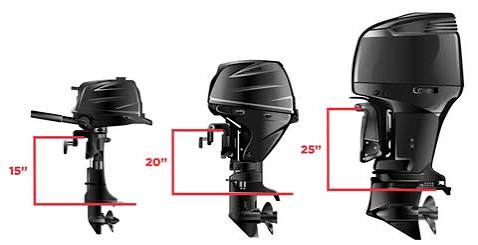
Choosing the correct outboard motor shaft length is an important part of setting up a boat. The shaft length affects where the lower unit and propeller sit in the water, so choosing the wrong size can affect performance, handling, and efficiency.
If you are wondering how to measure an outboard motor shaft length, the process is fairly simple once you know which points to measure. The important part is using the correct reference points and comparing the measurement with your boat’s transom height.
An outboard that is too short may position the propeller too high, while an outboard that is too long may place the lower unit deeper than intended. Neither situation is ideal, which is why accurate measurements are better than guessing.
In this guide, we will explain how to measure an outboard motor shaft length step by step. We will also cover how to measure transom height, understand short and long shaft categories, avoid common mistakes, and choose the right outboard for your boat.
How to Measure an Outboard Motor Shaft Length
When learning how to measure an outboard motor shaft length, the first thing to understand is that shaft length is not the same as the overall height of the engine. Measuring from the top of the engine cover all the way to the bottom of the lower unit will give you an overall dimension, how to measure an outboard motor shaft length but it will not give you the shaft measurement you need.
The shaft measurement is related to the distance between the motor’s mounting reference point and the anti-ventilation plate. how to measure an outboard motor shaft length. The exact method can vary between manufacturers, so the owner’s manual or official installation instructions should be your first reference.
Find the Correct Starting Point
Start by locating the mounting area of the outboard. how to measure an outboard motor shaft length: This is the section that attaches to the boat’s transom. You need to identify the manufacturer’s specified reference point rather than choosing an easy-to-reach location on the engine.
This step matters because an outboard has many different surfaces and components. If you start measuring from the wrong point, the final number may differ by several inches from the actual shaft length.
If you have the owner’s manual, check the shaft-length diagram or installation section before measuring. Manufacturer documentation can provide the exact measurement method for your particular model.
Measure Toward the Anti-Ventilation Plate
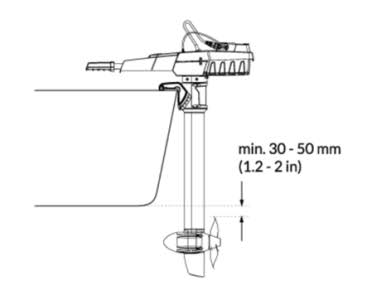
Once you have found the correct starting point, use a tape measure to measure toward the anti-ventilation plate. This plate is located above the propeller and is an important reference point when determining outboard shaft length.
Keep the tape measure how to measure an outboard motor shaft length straight and avoid following the curves of the motor housing. A straight and consistent measurement will give you a more useful result.
After taking the measurement, write it down. It is worth measuring a second time to make sure the first measurement was accurate. If the two measurements are noticeably different, check your starting and ending points before continuing.
Compare the Measurement With Manufacturer Specifications
After you have measured the motor, do not immediately assume that the number tells you which shaft category to purchase. The next step is to compare the measurement with the manufacturer’s specifications.
Different manufacturers may use slightly different terminology or measurement conventions. A “long shaft” from one manufacturer should not automatically be assumed to have exactly the same dimensions as a long shaft from another manufacturer.
This is why understanding how to measure an outboard motor shaft length is useful, but manufacturer specifications should still be the final reference.
For accurate installation information, always compare your measurements with the specifications and recommendations provided by the outboard motor
What Is Outboard Motor Shaft Length?
Outboard motor shaft length describes the vertical dimension that determines how the motor’s lower unit and propeller sit in relation to the boat.
It is an important measurement because the outboard needs to be positioned correctly relative to the boat’s transom and hull. The goal is to have the motor installed according to the design requirements of both the boat and the outboard.
Understanding the Shaft
An outboard how to measure an outboard motor shaft length motor contains several major sections, including the powerhead, midsection, driveshaft area, lower unit, and propeller.
When people talk about shaft length, how to measure an outboard motor shaft length they are generally referring to the measurement associated with the distance between the mounting area and the anti-ventilation plate.
This is why measuring the entire motor does not provide the information needed to choose the correct shaft.
Why Shaft Length Matters
Shaft length affects the position of the propeller in the water. The propeller needs to operate at an appropriate depth for the boat and motor combination.
If the motor is positioned too high, the propeller may not receive the water flow expected by the design. If it is positioned too low, the lower unit may create additional underwater drag.
The correct installation can therefore affect propulsion, handling, efficiency, and the general behavior of the boat.
Shaft Length Is Not Overall Motor Length
This distinction is especially important for beginners. An outboard may look tall, but that does not mean the entire height should be used when choosing a shaft.
For example, the engine cover, powerhead, mounting bracket, and lower unit all contribute to the overall physical size of the motor. Shaft length refers to a specific measurement rather than the complete height.
How to Measure Your Boat’s Transom Height
Knowing how to measure an outboard motor shaft length is only part of choosing the correct motor. You also need to understand your boat’s transom height.
The motor and the boat how to measure an outboard motor shaft length have to be compatible. A correctly measured motor can still be the wrong choice if its shaft does not match the boat’s transom.
What Is a Boat Transom?
The transom is the rear section of the boat where the outboard motor is mounted.
Different boats have different transom heights. Some boats are designed for shorter outboard shafts, while others have taller transoms that require longer shaft configurations.
The transom provides the mounting structure that determines where the outboard sits relative to the hull.
Measure the Transom Carefully
Before measuring, make sure you understand the correct points for your particular boat and motor combination.
Use a tape measure and keep it straight while taking the measurement. Record the result so you can compare it with the outboard specifications.
Avoid making assumptions about how to measure an outboard motor shaft length based only on the size or type of boat. Two boats that look similar can have different transom dimensions.
Compare the Two Measurements
Once you know your boat’s transom height and the motor’s shaft measurement, compare those figures with the manufacturer’s recommendations.
This comparison is much more useful than simply asking whether you need a “short shaft” or “long shaft.”
The exact installation requirements depend on the hull, motor design, mounting arrangement, and manufacturer’s instructions.
Outboard Short Shaft vs. Long Shaft vs. Extra-Long Shaft
Outboard motors are commonly divided into short, long, and extra-long shaft categories.
These terms are useful for general understanding, but they should not replace actual measurements.
Short-Shaft Outboards
Short-shaft outboards are generally designed for boats with lower transoms.
They are often associated with smaller boats and particular hull configurations. However, boat size alone is not enough to determine whether a short shaft is correct.
The transom measurement should be checked before choosing the motor.
Long-Shaft Outboards
Long-shaft outboards are designed for boats with taller transoms than those typically suited to short-shaft motors.
The additional shaft length positions the lower unit farther below the mounting area.
A long shaft is not automatically better than a short shaft. It is simply a different configuration intended for a different installation.
Extra-Long or X-Long Shafts
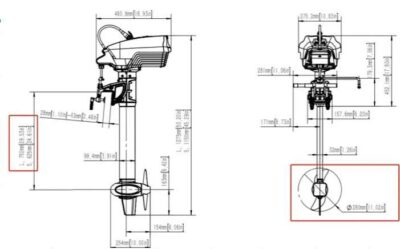
Some boats require even more shaft length than a standard long-shaft configuration provides.
These motors may be described as extra-long or X-long. How to measure an outboard motor shaft length The exact terminology can differ between manufacturers.
If you are considering an extra-long motor, pay particular attention to the manufacturer’s dimensions rather than relying on the name alone.
Why Measurements Matter More Than Names
A common mistake is assuming that every manufacturer uses identical measurements for short, long, and extra-long shafts.
That assumption can lead to an incorrect motor choice.
Instead, measure your boat, determine the required shaft length, and then check the exact specifications for the motor you are considering.
What Happens If the Outboard Shaft Is Too Short?
A shaft that is too short can cause the outboard to sit higher than intended relative to the boat.
This can affect the position of the propeller and lower unit in the water.
The Propeller May Sit Too High
When the motor is mounted too high, the propeller may not remain at the appropriate depth during operation.
The result can be inconsistent propulsion or changes in boat performance.
The exact effect depends on the hull, propeller, water conditions, trim position, and other factors.
Performance May Change
A poorly matched shaft can contribute to changes in acceleration, handling, and propeller performance.
However, how to measure an outboard motor shaft length? These symptoms are not proof that shaft length is the problem. Propeller selection, engine condition, loading, and hull condition can produce similar symptoms.
Correct Installation Is Important
If you believe an outboard shaft is too short, do not immediately make modifications.
First, check the manufacturer’s installation instructions. If the measurements are unclear, consult a qualified marine technician.
What Happens If the Outboard Shaft Is Too Long?
A shaft that is too long can how to measure an outboard motor shaft length position the lower unit deeper in the water than intended.
This can also affect how the boat and motor operate.
The Motor May Sit Too Deep
When the lower unit sits deeper than recommended, more of the motor remains below the waterline.
This can change the relationship between the propeller and hull.
Additional Drag May Occur
A deeper-than-intended lower unit can increase underwater drag.
Depending on the boat-motor combination, how to measure an outboard motor shaft lengththis may affect acceleration, efficiency, and handling.
Again, these symptoms can have multiple possible causes, so they should be investigated rather than automatically attributed to shaft length.
Follow the Manufacturer’s Guidance
The manufacturer’s installation specifications are the best starting point.
If the existing installation does not match those specifications, professional advice on how to measure an outboard motor shaft length can help determine what adjustment, if any, is appropriate.
Tools Needed to Measure an Outboard Motor Shaft
The tools required to measure an outboard motor shaft length are generally simple.
You do not need specialized workshop equipment for an initial measurement.
Basic Tools
A basic measurement can usually be performed with a tape measure. Depending on the installation, a straightedge can also be useful for establishing a clear reference.
You should also have something available to record the measurement, such as a notebook or phone.
Most importantly, keep the manufacturer’s owner’s manual or installation guide nearby if you have access to it.
Why Accurate Measurement Matters
A small measurement error can cause confusion when deciding between shaft categories.
Taking an extra minute to check your measurement twice can prevent an expensive purchasing mistake.
If your measurement does not seem to match any manufacturer’s specifications, do not force the result into a category. Recheck the measurement and consult the relevant documentation.
Understanding common mistakes can make how to measure an outboard motor shaft length much easier.
Measuring the Entire Motor
The most common mistake is measuring from the top of the engine cover to the bottom of the lower unit.
That measurement represents overall motor dimensions, not shaft length.
Always use the manufacturer’s specified shaft measurement points.
Starting From the Wrong Location
Another common mistake is starting from a convenient location rather than the correct mounting reference point.
Even a small difference at the starting point can significantly change the final measurement.
Ignoring Transom Height
Some buyers measure the how to measure an outboard motor shaft length motor but forget about the boat.
This is a problem because shaft selection is based on the relationship between the motor and the boat.
Assuming All Manufacturers Are the Same
Shaft categories are not necessarily identical across all manufacturers.
Always check the exact model specifications before purchasing.
Guessing From an Existing Motor
The motor currently installed on a boat is not necessarily proof that its shaft length is correct.
Previous owners may have changed motors or installed equipment without following the ideal setup.
Measure the boat yourself and compare it with the new motor’s specifications.
How to Choose the Right Outboard Shaft Length
Once you understand how to measure an outboard motor shaft length, you can use the information to make a more informed buying decision.
Start With the Boat
Measure your boat’s transom carefully.
Record the measurement and keep it available when researching outboard motors.
Check the Motor
Find the exact outboard model and check its manufacturer’s shaft-length specification.
Do not rely solely on a seller’s description.
Consider the Boat’s Design
Transom height is important, but hull design and mounting arrangements also matter.
A particular boat may have installation requirements that are not obvious from its appearance.
Get Professional Advice When Needed
If the measurement is unclear or the motor does not appear to match the boat, contact a qualified marine technician or authorized dealer.
Professional advice is particularly valuable when buying a high-value outboard or changing the boat’s existing motor configuration.

How to Check an Existing Outboard Installation
If your boat already has an outboard, how to measure an outboard motor shaft length you can perform a basic visual assessment of the installation.
This does not replace a professional inspection, but it can help you identify questions worth investigating.
Look at the Motor’s Mounting Position
Observe how the motor sits against the transom.
Compare the installation with the manufacturer’s recommended mounting position.
Do not make adjustments simply because the motor appears high or low. Proper mounting depends on the specific boat and motor.
Examine the Propeller Position
Look at where the propeller sits relative to the hull and waterline.
If it appears unusually high or low, check the manufacturer’s installation instructions before making conclusions.
Pay Attention to Performance
A poorly matched installation can how to measure an outboard motor shaft lengthsometimes be associated with unusual spray, poor acceleration, reduced efficiency, or handling changes.
However, these symptoms can also come from other problems, including propeller selection, trim, loading, hull condition, and engine performance.
Ask for the Exact Model
Get the complete model information from the seller.
The exact model and configuration can help you find the correct manufacturer’s specifications.
Measure Your Boat
Do not depend only on the seller’s description of the motor.
Measure your own boat’s transom and compare it with the motor’s published information.
Ask for Documentation
If possible, review the owner’s manual, manufacturer’s specification sheet, or installation guide.
These documents can provide information that a general online listing may not include.
Confirm Unusual Measurements
If your boat has an unusual transom or your measurement falls between common shaft categories, ask a marine professional before purchasing.
It is much easier to resolve a measurement question before buying the motor than after installation.
Why Proper Shaft Length Matters for Boat Performance
The reason how to measure an outboard motor shaft length is important is that the motor’s position affects its interaction with the water.
Propeller Position
The propeller how to measure an outboard motor shaft length should operate at an appropriate depth for the boat and motor.
An incorrect position can affect water flow around the propeller.
Water Flow
The lower unit and propeller are designed to work within a particular water environment.
If the motor is mounted incorrectly, how to measure an outboard motor shaft length the water flow around the lower unit and propeller may not match the intended setup.
Handling
Motor position can influence the way a boat responds while accelerating, turning, and operating at different speeds.
However, handling problems how to measure an outboard motor shaft length should always be evaluated carefully because they can have many possible causes.
Efficiency
A properly matched installation can help the boat and motor operate as designed.
Correct shaft length is only one part of the equation. Propeller selection, engine condition, hull design, boat weight, trim, and operating conditions also affect efficiency.
Yes. Boat design can have a major influence on the required shaft length.
Smaller Boats
Many smaller boats have how to measure an outboard motor shaft length lower transoms and may use shorter shaft configurations.
However, how to measure an outboard motor shaft length, the exact measurement should still be checked rather than assumed.
Fishing Boats
Fishing boats can have many different hull designs and transom heights.
Two fishing boats of similar size can require different outboard configurations.
Larger Boats
Larger boats may have taller transoms and can require long or extra-long shaft configurations.
The exact requirement depends on the specific hull and outboard.
Inflatable Boats
Inflatable boats with rigid transoms can also have different mounting dimensions.
Always check the boat manufacturer’s recommendations before choosing an outboard.
How Often Should You Check an Outboard Installation?
You do not necessarily need to measure the shaft length every time you use the boat.
However, it is worth checking the installation if you purchase a used boat, how to measure an outboard motor shaft length, replace the outboard, modify the transom, or notice unusual changes in performance.
If a different motor is installed, how to measure an outboard motor shaft length verify the shaft length and mounting specifications before operating the boat.
Regularly inspecting the mounting hardware and general motor position can also help identify obvious problems.
FAQ :
To determine how to measure an outboard motor shaft length, start from the manufacturer’s specified mounting reference point and measure toward the anti-ventilation plate. Record the measurement and compare it with the manufacturer’s specifications.
There is no single standard that applies to every outboard. Short, long, and extra-long categories are common, but exact dimensions can vary between manufacturers and applications.
Measure the boat’s transom height using the appropriate reference points. Then compare the result with the shaft-length recommendations for the specific outboard you are considering.
The motor may sit too high, which can affect propeller immersion and water flow. Performance may change depending on the boat and operating conditions.
The motor may sit too deep, potentially increasing drag and affecting efficiency or handling.
No. how to measure an outboard motor shaft length The correct shaft depends on the boat’s transom, hull design, motor, and manufacturer’s installation requirements.
Yes. A tape measure can be useful for a basic measurement as long as you identify the correct reference points first.
No. Manufacturers can use different how to measure an outboard motor shaft length or measurement conventions, so the exact manufacturer’s documentation should be used whenever possible.
Incorrect installation can affect the motor’s operation and performance. Always follow the manufacturer’s mounting and installation guidance.
Yes. If you cannot determine the correct shaft length or your boat has an unusual transom, professional advice can help prevent an incorrect installation.
Transom height is an important factor, but it is not necessarily the only consideration. The boat, hull, motor, and manufacturer’s installation requirements all need to be considered together.
Yes. Measuring twice is a simple way to catch an error before purchasing a motor.
You can use it as a reference, but you should not assume it is automatically correct. Measure the boat and check the replacement motor’s specifications.
Propeller size and shaft length are different specifications. However, both are important parts of selecting a suitable outboard setup.
Yes. A different motor model may have different mounting requirements, so always verify the shaft specification before installation.
No. Shaft length describes a dimension of the outboard, while transom height describes a dimension of the boat. They need to be compared to determine compatibility.
Some installations allow adjustments within manufacturer-specified limits, but the correct mounting height depends on the particular boat and motor. Follow the manufacturer’s guidance before making changes.
The safest approach is to measure the boat’s transom, identify the exact outboard model, check its manufacturer’s specifications, and ask a marine professional if anything remains unclear.
Conclusion :
Learning how to measure an outboard motor shaft length is an important step when buying, replacing, or installing an outboard motor. The process is not simply a matter of measuring the entire engine from top to bottom. Instead, you need to identify the correct mounting reference point and measure toward the anti-ventilation plate according to the manufacturer’s method.
The boat’s transom height is equally important. An outboard shaft and boat transom need to work together so that the lower unit and propeller are positioned appropriately in the water. How to measure an outboard motor shaft length. This is why measuring both the motor and the boat is much more reliable than guessing based on terms such as “short shaft” or “long shaft.”
A shaft that is too short may place the propeller too high, while a shaft that is too long may place the lower unit too deep. Either situation can affect water flow, drag, handling, and performance. However, these symptoms can also be caused by other factors, so they should not be used as the only way to diagnose an installation problem.
Before buying an outboard, take your measurements carefully and check the exact specifications for the motor model. If your measurements do not clearly match the manufacturer’s recommendations, getting advice from a qualified marine technician or authorized dealer is a smart step.
The key takeaway is simple: measure carefully, compare the motor and transom dimensions, follow manufacturer specifications, and avoid guessing. That approach gives you the best starting point for selecting the appropriate outboard shaft length for your boat.
