
Engine Warning Lights

9 Important can you drive with check engine light on

can you drive with check engine light on

Can you drive with check engine light on? The answer depends on how the warning light appears and how your vehicle is behaving. A check engine light can point to a relatively minor issue, such as a fuel-cap problem, or a more serious engine, emissions, or ignition fault. Because the warning system covers many different components, the light itself cannot tell you exactly what has gone wrong.

A steady check engine light is generally less urgent than a flashing one, especially when the vehicle feels and sounds normal. However, it should not simply be ignored. A flashing check engine light, particularly when accompanied by shaking, major power loss, overheating, smoke, or unusual noises, requires much more caution.

Knowing the difference can help you make a better decision about what to do next. In this guide, you will learn what the check engine light means, when you may be able to drive, when you should stop, common reasons the light comes on, what you can safely check, how diagnostic scanning works, and why timely maintenance matters.


When a Steady Check Engine Light May Allow Continued Driving

A steady check engine light does not automatically mean that you must stop the vehicle immediately. If the vehicle starts normally, drives normally, does not overheat, and has no serious symptoms, you may sometimes be able to drive a short distance to a repair facility.

However, this should not be treated as a guarantee that the vehicle is safe. The check engine light indicates that the vehicle’s onboard diagnostic system has detected a condition requiring attention. can you drive with check engine light on

For example, the vehicle may appear to drive normally while still having an emissions-related fault or a developing engine problem. can you drive with check engine light on. Arranging a diagnostic check can help determine the cause of the warning. can you drive with check engine light on

If you are planning a long trip, it is better to identify the cause before leaving when practical. A problem that seems minor can sometimes become more noticeable or cause additional issues. can you drive with check engine light on

When You Should Stop Driving

A flashing check engine light is more concerning, especially when it occurs with other symptoms. You should take extra care if the vehicle is:

  • Shaking or running very roughly
  • Losing significant power
  • Producing smoke
  • Overheating
  • Making serious or unusual engine noises
  • Producing a strong unusual odor
  • Struggling to accelerate normally

If these symptoms appear, continuing to drive can create additional risks. When it is safe to do so, pull over and arrange professional assistance rather than deliberately continuing to test the vehicle.

Why You Should Not Ignore the Light

Ignoring a warning does not make the underlying issue disappear. Some faults can affect engine operation, emissions, fuel economy, or other components.

That does not mean every check engine light will immediately damage the engine. The important point is that you need to identify the cause before deciding how serious the problem is.

What Does the Check Engine Light Mean?

The check engine light is connected to the vehicle’s onboard diagnostic system. Modern vehicles use computers and sensors to monitor many aspects of engine and emissions operation.

When the system detects a condition outside an expected range, it can store a diagnostic trouble code and illuminate the warning light.

What the Warning Light Is Telling You

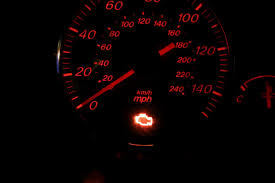
The check engine light is essentially a signal that the vehicle’s computer has detected a problem that requires further investigation.

However, the light does not identify the exact failed component. can you drive with check engine light on

For example, a diagnostic code related to an oxygen sensor does not always mean that replacing the oxygen sensor will automatically solve the problem. The code is a starting point for diagnosis.

A technician may need to inspect wiring, connectors, sensors, vacuum systems, fuel systems, or other components before identifying the actual cause.
can you drive with check engine light on

Why the Light Comes On

There are many possible reasons for a check engine light, including:

  • Engine performance problems
  • Emissions-system faults
  • Sensor problems
  • Fuel-system issues
  • Ignition problems
  • Catalytic-converter-related faults
  • Evaporative emissions leaks
  • Fuel-cap problems on some vehicles

The exact cause depends on the vehicle and the diagnostic information stored by its computer. can you drive with check engine light on

Check Engine Light vs. Other Dashboard Lights

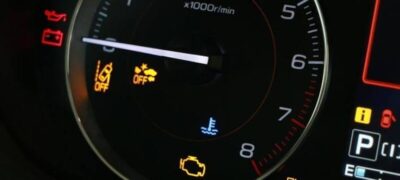
The check engine light is not the same as every other warning light on your dashboard.

Other warning indicators can include:

  • Oil-pressure warning
  • Engine-temperature warning
  • Battery or charging warning
  • Brake warning

These systems can require different responses. For example, an oil-pressure or engine-temperature warning may indicate a condition that requires immediate attention.

If several warning lights appear at the same time, do not focus only on the check engine light. Consider the entire dashboard and how the vehicle is behaving.

What a Steady Check Engine Light Means

A steady light generally means the diagnostic system has detected a fault, but the situation is not necessarily being treated as an immediate severe condition.

If your vehicle feels completely normal, you may sometimes be able to drive carefully to a repair shop for diagnosis.

Still, do not assume that a steady light means there is no problem. The cause could range from a relatively minor emissions issue to a problem that may become more serious. can you drive with check engine light on

What a Flashing Check Engine Light Means

A flashing check engine light is more concerning. It can indicate a serious engine-management problem, particularly when the engine is misfiring or running poorly. can you drive with check engine light on

If the light is flashing and the vehicle is shaking, losing power, overheating, or producing unusual sounds or smells, continuing to drive is not a good idea.

Safely stopping and arranging professional assistance can help prevent the situation from becoming worse.

What Other Warning Signs Should You Watch For?
can you drive with check engine light on

Pay attention to changes such as:

  • Loss of power
  • Rough engine operation
  • Shaking
  • Overheating
  • Smoke
  • Unusual sounds
  • Unusual smells
  • Poor acceleration
  • Significant changes in vehicle performance

The combination of the warning light and these symptoms is more useful than the warning light alone.

Loose or Faulty Fuel Cap

On some vehicles, the fuel system monitors whether the fuel system is properly sealed.

A fuel cap that is loose, damaged, or not installed correctly can sometimes trigger a warning.

If the light appears shortly after refueling, checking that the fuel cap is properly installed may be a reasonable first step.

However, do not assume the fuel cap is always the cause. If the light remains on, the vehicle should still be diagnosed.

Oxygen Sensor Problems

Oxygen sensors provide information that helps the engine computer manage combustion and emissions.

If an oxygen sensor or its related wiring develops a fault, the vehicle may detect an abnormal reading and illuminate the check engine light.

A sensor problem may affect engine operation or emissions, depending on the specific fault.

Spark Plug or Ignition Problems

Spark plugs and other ignition components are important for gasoline engines.

A problem with the ignition system can contribute to rough running or engine misfires. In some situations, a misfire can cause the check engine light to flash.

If the engine suddenly begins shaking or running very roughly, do not assume it is a minor warning.

Catalytic Converter Problems

The catalytic converter is part of the vehicle’s emissions system. It helps reduce certain harmful pollutants in exhaust gases.

Problems involving the catalytic converter or related systems can trigger diagnostic warnings.

Because catalytic-converter-related faults can have different causes, replacing the converter without proper diagnosis may not solve the original problem.

Mass Airflow or Other Sensor Problems

Modern vehicles depend on many sensors to measure operating conditions.

Depending on the vehicle, these can include sensors that monitor airflow, oxygen levels, temperature, pressure, and other conditions. can you drive with check engine light on

When sensor information is incorrect or outside the expected range, the vehicle’s computer may store a diagnostic code.

Because the check engine light can be related to emissions systems, readers can also learn more about vehicle emissions from the U.S. Environmental Protection Agency.

EVAP or Emissions-System Problems

The evaporative emissions system helps control fuel vapors.

Leaks or faults in this system can sometimes trigger a check engine light even when the vehicle appears to drive normally.

This is one reason you can drive with check engine light on  why a check engine light does not always mean the engine itself has suffered major damage.

Driving a short distance and driving hundreds of miles are not necessarily the same situation.

Short Trips

If the check engine light is steady and the vehicle is operating normally, a short trip to a qualified repair facility may sometimes be reasonable. can you drive with check engine light on

Before driving, consider:

  • Is the light steady or flashing?
  • Is the engine running normally?
  • Is the vehicle overheating?
  • Is there significant power loss?
  • Are there unusual noises or smells?
  • Are other warning lights illuminated?

If the vehicle is showing serious symptoms, do not rely on the fact that the check engine light is the only warning you noticed.

Highway or Long-Distance Driving

A long-distance journey is harder to recommend when you do not know why the light is on.

Even if the vehicle seems normal, an unresolved fault could potentially worsen during a long trip.

If possible, have the vehicle can you drive with check engine light on  diagnosed before traveling a long distance. This can give you a better understanding of the problem and whether repairs are needed.

When Not to Continue

Avoid continuing to drive when the warning is accompanied by serious symptoms such as:

  • Flashing check engine light
  • Severe shaking
  • Major power loss
  • Overheating
  • Smoke
  • Serious unusual engine noises can you drive with check engine light on.

If you are already driving and the vehicle develops these symptoms, prioritize getting to a safe location and seeking professional assistance.

If your vehicle is also experiencing unusual bouncing, handling changes, or other ride-related problems, you can learn more about what the suspension does in a car.

What Should You Do When the Check Engine Light Comes On?

Knowing what to do next can prevent unnecessary panic and unnecessary repairs.

Check the Dashboard

Look at the entire dashboard rather than focusing only on the check engine light.

Check whether another warning light has appeared, especially one related to engine temperature, oil pressure, braking, or charging.

Notice How the Vehicle Is Running

Ask yourself:

  • Is the engine shaking?
  • Is acceleration normal?
  • Does the vehicle feel different?
  • Is there a strange smell?
  • Is the engine overheating?
  • Is there smoke?
  • Are there unusual sounds?

These observations can provide useful information for a mechanic.

Check the Fuel Cap

If your vehicle uses a conventional fuel cap, make sure it is properly installed after refueling. can you drive with check engine light on

A loose fuel cap can cause an emissions-system warning on some vehicles. can you drive with check engine light on

However, tightening the cap is not a substitute for diagnosis if the warning remains. can you drive with check engine light on

Get the Vehicle Scanned

An OBD-II diagnostic scan can retrieve diagnostic trouble codes stored by the vehicle’s computer.

These codes can help identify the system where the vehicle detected a problem.

However, a diagnostic code is not always a direct instruction to replace a specific part.

For example, a code related to a sensor can result from the sensor itself, wiring, connectors, or another condition affecting the sensor’s reading.

Have the Problem Diagnosed

Once a code has been retrieved, proper diagnosis is important. can you drive with check engine light on.

A qualified technician can use the code along with symptoms, visual inspection, measurements, and other diagnostic information to determine the likely cause.

Replacing parts based only on a code can lead to unnecessary repairs. can you drive with check engine light on.

Yes, a check engine light can sometimes turn off after the vehicle no longer detects the condition that caused it.

Temporary Problems

Some faults may occur temporarily.

For example, a vehicle may detect an unusual reading and illuminate the warning. If the condition does not happen again during later driving cycles, the light may eventually turn off.

This does not mean every temporary warning should be ignored.

Does a Turned-Off Light Mean the Problem Is Fixed?

Not necessarily.

A warning light turning off may mean the vehicle is no longer detecting the condition, but the underlying issue may still deserve attention if the warning repeatedly returns.

Diagnostic information may also remain stored in the vehicle’s computer.

If the check engine light repeatedly comes on and goes off, consider having the vehicle scanned and inspected rather than simply waiting for the light to disappear again. can you drive with check engine light on.

How Much Does It Cost to Diagnose a Check Engine Light?

There is no single price for diagnosing a check engine light.

The cost can vary depending on:

  • Vehicle make and model
  • Repair shop
  • Location
  • Diagnostic equipment
  • Complexity of the fault
  • Time required for diagnosis

A basic code scan and a complete diagnostic investigation are not necessarily the same service.

A scan may identify a stored code quickly, while finding the actual cause can require additional testing.

For this reason, ask the repair shop whether the quoted price covers only the initial scan or a more complete diagnostic process. can you drive with check engine light on

It is also useful to ask for a written estimate before approving repairs.

Remember that diagnosis and repair are separate costs. The diagnostic code may help identify where to investigate, but the final repair cost depends on what is actually found.

Follow the Maintenance Schedule

Follow the maintenance schedule recommended by your vehicle manufacturer.

Regular maintenance can include items such as:

  • Engine oil service
  • Filter replacement
  • Spark plug replacement where applicable
  • Inspection of belts and hoses
  • Scheduled fluid service
  • Other manufacturer-recommended checks

The correct maintenance schedule depends on your specific vehicle.

Use the Correct Fuel and Fluids

Use the fuel and fluids specified by the vehicle manufacturer.

If your owner’s manual recommends a particular specification, follow it rather than choosing products based only on price or general recommendations. can you drive with check engine light on.

Address Warning Signs Early

Do not wait for the check engine light if your vehicle already shows unusual symptoms.

Pay attention to:

  • Rough running
  • Poor acceleration
  • Unusual noises
  • Unusual smells
  • Changes in fuel economy
  • Difficulty starting

Early diagnosis may help identify problems before they become more complicated.

Check Engine Light and Driving Safety

Dashboard warning lights are designed to give drivers information about vehicle systems. They should not be ignored simply because the vehicle continues to move normally.

A check engine light alone does not tell you exactly how safe the vehicle is to drive. You also need to consider:

  • Whether the light is steady or flashing
  • How the engine is running
  • Whether the vehicle has lost power
  • Whether the engine is overheating
  • Whether other warning lights are active can you drive with check engine light on
  • Whether there are unusual noises, smells, or smoke can you drive with check engine light on

A steady light with no noticeable symptoms can be very different from a flashing light accompanied by severe shaking. can you drive with check engine light on

If the warning persists, professional diagnosis is the best way to determine what is happening.

For general vehicle safety and maintenance, it is also useful to understand related systems such as the car suspension system and how to check a car suspension system.

can you drive with check engine light on

FAQ:

Sometimes, but it depends on the light and the vehicle’s symptoms. A steady check engine light with a normally operating vehicle may allow a short trip to a repair facility, but the cause should still be diagnosed. A flashing light or serious symptoms such as shaking, overheating, smoke, or major power loss require much more caution can you drive with check engine light on.

There is no universal time or mileage limit. The cause of the warning determines how serious the situation may be. If the light stays on, arrange a diagnostic check rather than relying on a specific number of miles.

A steady light does not automatically mean immediate danger. If the vehicle is running normally, a short trip for diagnosis may sometimes be possible. However, the warning should not be ignored.

A flashing check engine light is more concerning. If it is accompanied by rough running, shaking, power loss, overheating, or other serious symptoms, stop driving when it is safe to do so and seek professional assistance.

There is no single cause for every vehicle. Common possibilities include emissions-system faults, sensor problems, ignition issues, can you drive with check engine light on fuel-system problems, and other engine-management faults.

Oil-related problems can trigger different warning systems depending on the vehicle. A dedicated oil-pressure warning should be treated seriously. If an oil-pressure warning appears, follow the vehicle manufacturer’s guidance and do not assume it is simply a check engine issue. can you drive with check engine light on

Disconnecting the battery is not a reliable way to repair the problem. It can also erase useful diagnostic information or reset certain vehicle settings. Finding and fixing the underlying problem is a better approach. can you drive with check engine light on

Yes, a diagnostic scan can retrieve stored trouble codes and provide useful information about the system that detected a fault. Remember that a code does not always identify the exact failed part, so further diagnosis may be necessary.

Conclusion:

So, can you drive with check engine light on? Sometimes, but the answer depends on whether the light is steady or flashing and how your vehicle is behaving.

A steady check engine light on a vehicle that runs normally may allow you to drive a short distance to a repair facility. However, you should still arrange a diagnostic check rather than ignoring the warning.

A flashing check engine light is more concerning, particularly when it appears with severe shaking, major power loss, overheating, smoke, unusual noises, or other serious symptoms. In that situation, safely stopping and seeking professional assistance is the safer choice. can you drive with check engine light on

Remember that the check engine light does not identify the exact problem by itself. An OBD-II scan can provide diagnostic trouble codes, but additional testing may be needed to determine the real cause can you drive with check engine light on.

Regular maintenance, paying attention to unusual vehicle behavior, and addressing warning lights promptly can help you make better decisions about your vehicle. When you are uncertain about a serious warning or the vehicle does not feel safe to drive, professional inspection is the best next step. can you drive with check engine light on

Leave a Reply

Your email address will not be published. Required fields are marked *