

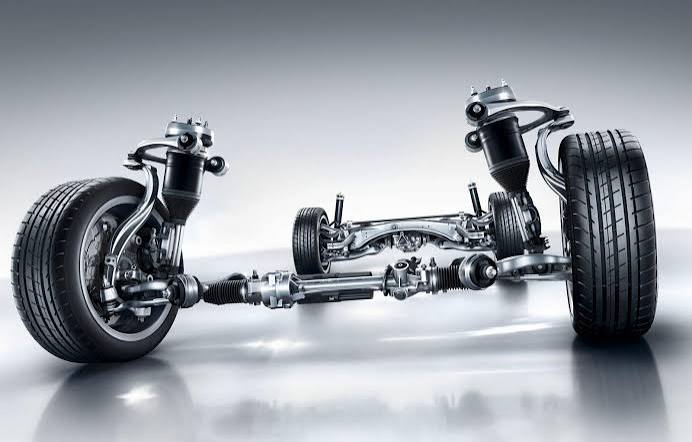
What does the suspension do in a car? If you have ever driven over a rough road and wondered why the ride feels smooth instead of harsh, your car’s suspension system is a big part of the answer. The suspension is much more than a set of springs. It is a group of components that helps support the vehicle, absorb bumps, control body movement, and keep the tires in contact with the road. what does the suspension do in a car
A properly working suspension system plays an important role in ride comfort, handling, stability, steering, and braking. It helps the wheels move over uneven surfaces while reducing the amount of movement transferred to the vehicle’s body and passengers. It also helps the tires maintain contact with the road, which is important for predictable vehicle control. what does the suspension do in a car
In this guide, we will explain what does the suspension do in a car, how the suspension system works, and the main parts involved. You will also learn about different types of suspension, common signs of suspension problems, basic maintenance tips, and why worn suspension components should not be ignored. Whether you are a new driver or simply want to understand your car better, this guide will give you a clear introduction to one of the vehicle’s most important systems. what does the suspension do in a car
What Does the Suspension Do in a Car?
The suspension system is one of the most important parts of a vehicle because it helps the car move safely and comfortably over different types of roads. If you are wondering what does the suspension do in a car, its main job is to control the movement of the wheels while supporting the vehicle’s weight and helping the tires stay in contact with the road. what does the suspension do in a car
The Main Purpose of a Car Suspension
A car’s suspension helps absorb bumps, potholes, and other road imperfections. When a vehicle travels over an uneven surface, the wheels need to move up and down without causing excessive movement throughout the car. Springs absorb and store some of the energy created by these bumps, while shock absorbers or struts help control the movement. This makes the ride more comfortable for everyone inside the vehicle.
Another important job of the suspension is to help keep the tires connected with the road. Good tire contact is essential because the tires are responsible for providing traction for steering, braking, and acceleration. If the wheels lose consistent contact with the road, the vehicle may become harder to control.
The suspension also contributes to vehicle stability. It helps manage body movement when the car accelerates, brakes, or turns. For example, during a corner, the suspension helps control excessive body roll and allows the vehicle to respond more predictably to steering.
Finally, the suspension works closely with the steering and handling systems. Components such as control arms, ball joints, springs, dampers, and bushings help guide and control wheel movement. When these parts are in good condition, the car can provide a smoother, more stable, and more predictable driving experience.
In simple terms, the suspension connects the vehicle to the road while helping balance comfort, control, stability, and tire contact. what does the suspension do in a car
Why Is Suspension Important?
A car’s suspension is important because it affects how the vehicle moves, handles, and responds to the road. When the suspension system is working properly, it helps the driver maintain better control while also making the ride more comfortable.
Better Control of the Vehicle
A properly functioning suspension helps the wheels respond to changes in the road surface. It can help the vehicle remain more stable when driving over uneven roads, turning, accelerating, or braking. Suspension components work together with the steering and braking systems to provide predictable vehicle behavior.
For example, when you press the brake pedal, the suspension helps manage the vehicle’s weight transfer. You can learn more about pedal functions in our related guide, Which One Is the Brake in the Car?.
More Comfortable Driving
Roads are rarely perfectly smooth. Potholes, bumps, cracks, and uneven surfaces can create movement and vibration. Springs and dampers help absorb and control this movement before it is transferred to the vehicle’s body and passengers. what does the suspension do in a car
Without a properly working suspension system, even a short drive can feel noticeably rougher and less comfortable.
Improved Tire Contact With the Road
One of the most important jobs of suspension is helping the tires maintain contact with the road. Tires need consistent contact to provide traction for steering, braking, and acceleration.
The National Highway Traffic Safety Administration (NHTSA) provides useful information about vehicle safety and tire-related safety. For additional authoritative information, see NHTSA Vehicle Safety Resources.
Helps Maintain Predictable Handling
A healthy suspension system helps control excessive body movement during cornering, braking, and acceleration. Worn or damaged components may change how a vehicle responds to steering inputs or uneven surfaces. what does the suspension do in a car
However, suspension is only one part of vehicle handling. Tire condition, wheel alignment, steering components, and braking components can also affect how a car behaves on the road. what does the suspension do in a car
Does the Suspension Support the Car’s Weight?
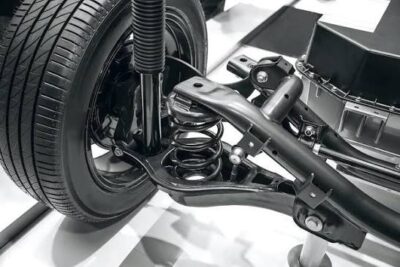
Yes. Suspension components help support the vehicle’s weight and manage the forces created as the vehicle moves. Springs are especially important because they carry much of the vehicle’s supported weight while allowing the wheels to move relative to the body.
The suspension system can include springs, shock absorbers or struts, control arms, bushings, ball joints, and other components, depending on the vehicle’s design. Each component has a specific job, but they work together as a system.
It is also important to understand that the suspension is not the same thing as the vehicle’s body or chassis. The body and chassis provide the main structural framework of the vehicle, while the suspension connects the wheels to that structure and allows controlled wheel movement. what does the suspension do in a car
For accurate vehicle-specific information, readers should also check their manufacturer’s owner’s manual or official maintenance information. As an additional authoritative resource, NHTSA Vehicle Safety Resources can support the article’s broader vehicle-safety information. what does the suspension do in a car
Main Parts of a Car Suspension
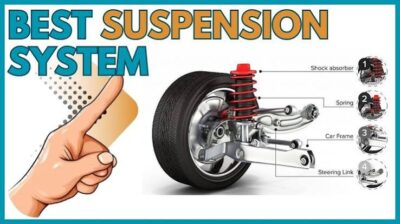
A car’s suspension is made up of several components that work together to support the vehicle, control wheel movement, absorb road impacts, and maintain contact between the tires and the road. The exact design varies by vehicle, but most suspension systems include some combination of springs, shock absorbers or struts, control arms, ball joints, bushings, and anti-roll bars.
Understanding these parts makes it easier to understand what does the suspension do in a car and why proper suspension maintenance matters. what does the suspension do in a car
Springs are a key part of the suspension because they support the vehicle’s weight and allow the wheels to move when the car travels over bumps and uneven surfaces. They also help absorb energy from road impacts.
There are several common types of suspension springs:
- Coil springs: Spiral-shaped springs commonly used in passenger cars.
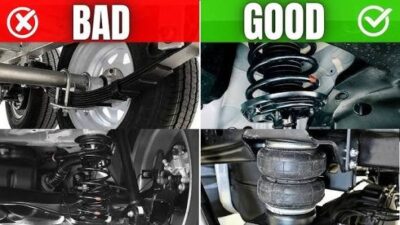
- Leaf springs: Flat, flexible spring assemblies often found on certain trucks and other vehicles.
- Air springs: Use compressed air instead of conventional metal springs and are found in some vehicles with air suspension systems.
The spring itself can absorb and store energy when it is compressed. However, springs can continue moving after passing over a bump. That’s why dampers such as shock absorbers are needed to control that movement.
Shock Absorbers and Struts
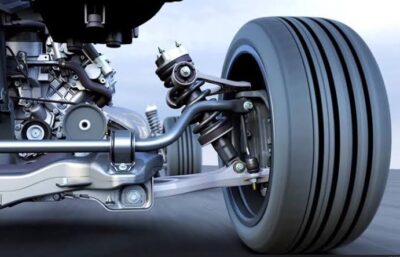
Shock absorbers and struts are designed to control the movement of the suspension. They help prevent the springs from continuing to bounce excessively after the vehicle encounters a bump.
Although the terms are sometimes used interchangeably, shocks and struts are not exactly the same. A shock absorber is primarily a damping component, while a strut can combine damping with a structural role in the suspension and steering assembly, depending on the vehicle design. what does the suspension do in a car
When a car has worn shocks or struts, drivers may notice excessive bouncing, reduced ride comfort, unusual handling, or uneven tire wear. However, these symptoms can have several possible causes, so proper inspection is important.
For additional technical information about suspension components, Monroe Shock Absorbers – Technical Resources can provide further background. what does the suspension do in a car
Control arms connect parts of the suspension to the vehicle’s chassis or body while allowing the wheel assembly to move in a controlled way. what does the suspension do in a car
Depending on the suspension design, a vehicle may have upper control arms, lower control arms, or other types of links. Control arms typically work with bushings and ball joints to allow controlled movement while helping maintain the intended position of the wheel.
If a control arm or its related components become damaged or excessively worn, the vehicle may develop handling changes, unusual noises, or alignment problems. what does the suspension do in a car
Ball joints are flexible mechanical connections that allow controlled movement between suspension and steering components. They work somewhat like a ball-and-socket connection, allowing movement in multiple directions while keeping the components connected. what does the suspension do in a car
Ball joints are particularly important because the wheel needs to move with the suspension while also responding to steering input. Their condition can therefore affect vehicle handling and steering. what does the suspension do in a car
Because suspension and steering components can be safety-critical, suspected ball-joint problems should be inspected by a qualified automotive professional. what does the suspension do in a car
Bushings are flexible components commonly made from rubber or other engineered materials. They are used at various suspension connection points to allow controlled movement while helping reduce vibration and noise.
For example, bushings may be installed where a control arm connects to the vehicle. They allow a small amount of controlled movement instead of creating a completely rigid connection.
Over time, bushings can what does the suspension do in a car wear, crack, or deteriorate. Worn bushings may contribute to unusual noises, changes in handling, or alignment-related problems.
Sway Bar or Anti-Roll Bar
A sway bar, also called an anti-roll bar or stabilizer bar, helps control excessive body movement when the vehicle corners. what does the suspension do in a car
During a turn, the vehicle naturally experiences forces that can cause the body to lean toward one side. The anti-roll bar connects parts of the suspension and helps resist excessive body roll. what does the suspension do in a car
Monroe technical resources data-end=”4749″>The goal is not to eliminate all body movement. Instead, the system helps provide more controlled and predictable handling. what does the suspension do in a car
Steering Knuckle and Other Components
The steering knuckle, sometimes called an upright or spindle depending on the vehicle design, is an important part of the wheel-end assembly. It connects several suspension and steering components and provides a mounting point for components such as the wheel hub. what does the suspension do in a car
Other suspension-related components can include tie rods, stabilizer links, wheel hubs, bearings, and various mounting hardware. The exact components depend on the vehicle’s suspension and steering design.
Because suspension systems differ significantly between vehicles, it is best to use the manufacturer’s service information when identifying individual components. The Bosch Automotive Aftermarket Technical Information resource is another useful industry source for general automotive information.
When these components work together correctly, what does the suspension do in a car the suspension can help provide a balance of comfort, stability, steering control, and tire contact with the road.
The suspension system connects the vehicle to its wheels and helps manage the forces created as the car travels over different road surfaces. When asking what does the suspension do in a car, the simplest answer is that it helps provide a balance between comfort, control, stability, and tire contact.
The suspension absorbs and controls movement caused by bumps, dips, and uneven pavement. Springs help support the vehicle’s weight and absorb energy from road impacts, while shock absorbers or struts control the movement of the springs.
Another major purpose of suspension is helping the tires maintain contact with the road. Consistent tire contact is important for steering, braking, and acceleration. If wheel movement is not controlled properly, the vehicle may feel less stable or predictable.
Suspension also helps manage body movement. During braking, the front of a vehicle may move downward, which is commonly called brake dive. During acceleration, the rear may move downward, known as acceleration squat. When cornering, the vehicle body may lean toward one side, known as body roll. Suspension components help control these movements. what does the suspension do in a car
A properly functioning suspension system can provide several important benefits.
Better vehicle control: Suspension components help the wheels respond to changes in the road and work with the steering system to provide predictable handling.
More comfortable driving: Springs and dampers help absorb and control road movement, reducing the amount of harsh movement felt inside the vehicle.
Improved tire contact: Suspension helps keep the tires connected with the road, which supports traction for steering, braking, and acceleration.
Predictable handling: A healthy suspension helps control body movement during turns, braking, and acceleration.
Shocks and struts are especially important because they help control excessive suspension movement and can influence steering, stopping, and stability. what does the suspension do in a car
For more information about braking controls, you can also read our related guide: Which One Is the Brake in the Car?
Does the Suspension Support the Car’s Weight?
Yes, suspension components help support the vehicle’s weight. Springs are particularly important because they carry the vehicle’s supported weight while allowing the wheels to move in response to the road.
However, the suspension is not the same thing as the vehicle’s body or chassis. The body and chassis provide the vehicle’s main structural framework, while the suspension connects the wheels to that structure and controls their movement. what does the suspension do in a car
The exact suspension design varies between vehicles. Some cars use coil springs and struts, while others may use leaf springs, air springs, or more complex multi-link arrangements. what does the suspension do in a car
How Does a Car Suspension System Work?
Understanding how the system works makes it easier to understand what does the suspension do in a car. Although suspension designs vary, the basic process is similar: the wheels move when the road changes, springs absorb some of the movement, and dampers control how quickly the suspension moves. what does the suspension do in a car
What Happens When a Car Hits a Bump?
When a wheel reaches a bump, the wheel and suspension move upward. The spring compresses and absorbs some of the energy created by the impact. As the wheel passes over the bump, the spring releases that stored energy.
Without damping, the spring could continue moving up and down several times. Shock absorbers or struts help control this movement by resisting the suspension’s motion. what does the suspension do in a car
This controlled movement helps the vehicle settle more quickly after passing over an uneven surface. Shocks work by controlling spring and suspension movement rather than simply making the ride softer. what does the suspension do in a car
How Suspension Keeps Tires on the Road
Tires need contact with the road to provide traction. Steering depends on the tires being able to respond to the driver’s input, while braking and acceleration also depend on available tire grip.
The suspension helps control wheel movement so the tires can maintain more consistent contact with the road surface. Shocks and struts are particularly important in controlling excessive wheel and body movement.
This is one reason the answer to what does the suspension do in a car goes beyond ride comfort. Suspension condition can also influence how predictable the vehicle feels during steering, braking, and acceleration.
Suspension and Vehicle Stability
Suspension helps control the movement of the vehicle body during different driving situations.
When you brake, weight shifts toward the front of the vehicle. This can cause the front end to move downward. During acceleration, weight shifts toward the rear, which can cause the rear to squat. When turning, the body may roll toward the outside of the corner.
A properly functioning suspension helps manage these movements. Shocks and struts are designed to reduce excessive bounce, roll, sway, brake dive, and acceleration squat.
Main Parts of a Car Suspension
A car suspension system contains several components that work together. The exact parts depend on the vehicle’s design, but common components include springs, shocks or struts, control arms, ball joints, bushings, anti-roll bars, and steering knuckles.
Springs
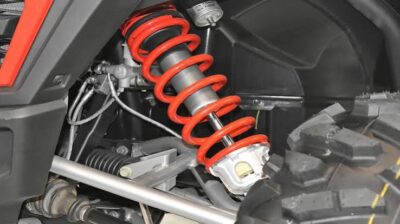
Springs support the vehicle and allow the wheels to move when the car travels over uneven surfaces.
Common types include:
- Coil springs: Spiral-shaped metal springs commonly used in passenger vehicles.
- Leaf springs: Flat spring assemblies often used on trucks and some other vehicles.
- Air springs: Use compressed air and are found in vehicles equipped with air suspension.
The basic job of a spring is to absorb and store energy when the suspension moves. However, springs alone cannot effectively control repeated bouncing. Dampers are needed to control that movement.
Shock Absorbers and Struts
Shock absorbers and struts are damping components that control suspension movement. They help reduce excessive bouncing and body movement.
A shock absorber is generally a damping component. A strut can perform a damping function while also serving as a structural part of the suspension, depending on the vehicle design.
This distinction is important when discussing what does the suspension do in a car because shocks and struts are only parts of the larger suspension system.
Struts can contribute to steering, braking, handling, and wheel alignment because of their structural role.
Control Arms
Control arms connect suspension components to the vehicle’s body or chassis. They allow controlled wheel movement while helping maintain the intended position of the wheel.
A vehicle may use upper control arms, lower control arms, or other suspension links depending on its design.
Ball Joints
Ball joints allow controlled movement between suspension and steering components. They work like flexible connections, allowing the wheel assembly to move while remaining attached to the vehicle.
Because ball joints can affect steering and suspension movement, worn or damaged components should be professionally inspected.
Bushings
Bushings are flexible components that are commonly made from rubber or engineered materials. They are used at suspension connection points to allow controlled movement and help reduce vibration and noise.
Over time, bushings can deteriorate. Worn bushings may contribute to unusual noises or changes in handling.
Sway Bar or Anti-Roll Bar
A sway bar, also called an anti-roll bar or stabilizer bar, helps control excessive body roll when a vehicle turns.
The bar connects parts of the suspension and resists differences in wheel movement. This helps the vehicle feel more controlled when cornering.
Steering Knuckle and Other Components
The steering knuckle is part of the wheel-end assembly and connects several suspension and steering components. Depending on the vehicle design, other related components may include tie rods, stabilizer links, wheel hubs, bearings, mounts, and other hardware.
Because suspension layouts vary, the best way to identify a specific component is to consult the vehicle’s service information or owner’s manual.
Different Types of Car Suspension
Not every vehicle uses the same suspension design. Engineers choose different layouts based on factors such as vehicle size, available space, handling requirements, load capacity, comfort, and manufacturing cost.
Independent Suspension
With independent suspension, movement at one wheel can occur without directly forcing the opposite wheel to move in the same way.
Many modern passenger vehicles use independent suspension because it can provide good ride comfort and controlled handling.
Dependent Suspension
With dependent suspension, the wheels on an axle are connected more directly through a common axle or assembly. Movement on one side can therefore influence the other side.
This type of arrangement is commonly associated with vehicles designed for certain load, durability, or packaging requirements. what does the suspension do in a car
MacPherson Strut Suspension
MacPherson strut suspension uses a strut as a major part of the suspension structure. It is widely used in passenger vehicles because its design can be relatively compact. what does the suspension do in a car
The strut combines damping with a structural role, helping support the suspension and maintain wheel position.
Double-Wishbone Suspension
A double-wishbone design uses upper and lower control arms to guide wheel movement.
This arrangement gives engineers significant control over wheel geometry as the suspension moves. It is used in various passenger vehicles and performance-oriented applications.
Multi-Link Suspension
Multi-link suspension uses several separate links to control wheel movement. The design allows engineers to tune different aspects of suspension behavior. what does the suspension do in a car
Multi-link systems can provide a useful balance between ride comfort, handling, and wheel control, although the exact characteristics depend on the vehicle. what does the suspension do in a car
Suspension vs. Shocks and Struts
A common source of confusion is assuming that the suspension and shocks are the same thing. They are not.
Is the Suspension the Same as the Shocks?
No. Shocks are one part of the overall suspension system.
The suspension includes multiple components that work together, including springs, dampers, control arms, bushings, ball joints, and other parts.
Suspension vs. Struts
Struts can perform more than one function. In addition to damping suspension movement, a strut can serve as a structural component of the suspension.
This is why replacing a strut can involve more than simply replacing a shock absorber.
Why This Difference Matters
Understanding the difference can make repair recommendations easier to understand. If a mechanic says your shocks or struts are worn, that does not automatically mean the entire suspension system needs to be replaced.
The exact repair depends on which components are worn or damaged and the manufacturer’s specifications.
Common Signs of Suspension Problems
Knowing the warning signs can help you understand when your vehicle may need an inspection.
Excessive Bouncing
If your car continues bouncing after going over a bump, worn damping components may be one possible cause.
However, excessive bouncing can have more than one cause, so it should be properly inspected rather than diagnosed from one symptom alone.
Vehicle Pulling or Handling Changes
If the vehicle suddenly feels different while steering or cornering, the suspension may be one possible cause. However, tires, wheel alignment, steering components, and other systems can also affect handling.
If the change is significant or persistent, professional inspection is recommended.
Uneven Tire Wear
Uneven tire wear can sometimes be related to suspension or alignment problems. Because tire pressure, alignment, tire condition, and suspension components can all contribute to wear patterns, the cause should be identified before replacing parts.
Clunking or Knocking Sounds
A clunking, knocking, or other unusual sound from the suspension area can indicate a worn or damaged component.
Possible causes can include bushings, ball joints, mounts, links, or other parts. A qualified technician can determine the actual source.
Vehicle Sitting Lower Than Normal
If one side or the entire vehicle appears lower than it used to be, a spring or another suspension component may have a problem. what does the suspension do in a car
A change in ride height should not be ignored because it can affect handling and wheel alignment.
Excessive Body Roll
Some body movement during cornering is normal. Excessive leaning, however, may indicate a problem with suspension components such as dampers or anti-roll-bar-related parts.
What Happens If You Ignore Suspension Problems?
Ignoring suspension problems can affect more than ride comfort. Worn suspension components may change how the vehicle handles, particularly when driving over uneven surfaces or during steering and braking.
Suspension problems can also contribute to unusual tire wear. In some cases, worn components may place additional stress on related steering, braking, or suspension parts.
Worn shocks and struts can reduce control of body and wheel movement and may affect steering, stopping, and stability.
However, it is important not to assume that every unusual symptom is caused by suspension. Similar symptoms can come from tires, alignment, steering components, brakes, or other vehicle systems.
If you notice a major change in handling, persistent unusual noises, or other serious symptoms, have the vehicle inspected by a qualified automotive professional.
How to Maintain Your Car’s Suspension
Good maintenance can help you identify suspension problems early and keep the vehicle operating as designed.
Inspect Suspension Components Regularly
Follow the maintenance schedule provided by the vehicle manufacturer. During inspections, technicians can check suspension components for wear, damage, leaks, or other problems. what does the suspension do in a car
Do not assume that every suspension component needs replacement at a fixed mileage. Replacement needs vary by vehicle, road conditions, driving habits, and component condition.
Check Tire Pressure and Condition
Tires and suspension work together. Maintaining the correct tire pressure helps the tires perform as intended.
Use the tire pressure recommended by your vehicle manufacturer rather than relying on a generic number.
Avoid Excessive Loads
Carrying more weight than the vehicle is designed to handle can place additional stress on tires, springs, shocks, and other components. what does the suspension do in a car
Always follow the vehicle’s specified load limits and towing information.
Address Unusual Symptoms Early
If you notice new noises, unusual bouncing, uneven tire wear, or changes in handling, consider having the vehicle inspected.
Early diagnosis may help identify a worn component before it contributes to additional problems. what does the suspension do in a car
How Much Does Suspension Repair Cost?
There is no single price for suspension repair because the total cost depends on the vehicle and the specific problem.
Common factors include:
- Vehicle make and model
- Damaged or worn component
- Replacement-part quality
- Labor rates
- Location
- Required alignment
- Additional repairs
Replacing a single bushing is very different from replacing several suspension components or a complete strut assembly.
For this reason, what does the suspension do in a car. online price estimates should be treated as general information rather than a guaranteed repair price. A written estimate from a qualified repair professional can give you a more accurate idea of the expected cost.
Suspension and Driving Safety
Suspension condition matters because it affects how the vehicle responds to the road. A properly functioning system helps control wheel movement, body movement, steering response, and tire contact.
Shocks and struts work with the tires and brakes to support steering, stopping, and vehicle stability.
If the vehicle feels unstable, bounces excessively, pulls unexpectedly, or develops unusual suspension noises, it is better to have the problem checked rather than guessing which part needs replacement.
For vehicle-specific maintenance information, always follow the manufacturer’s owner’s manual and recommended service schedule.
(FAQS):
The suspension helps support the vehicle, absorb road impacts, control wheel and body movement, maintain tire contact with the road, and provide predictable handling. It works together with the tires, steering, and brakes to help the vehicle respond to road conditions.
Common suspension parts include springs, shock absorbers or struts, control arms, ball joints, bushings, anti-roll bars, steering knuckles, and related mounting hardware. The exact components vary by vehicle.
Common warning signs can include excessive bouncing, unusual noises, uneven tire wear, changes in handling, excessive body roll, or a vehicle sitting lower than normal. what does the suspension do in a car . These symptoms can have several causes, so professional inspection is recommended. what does the suspension do in a car
There is no universal replacement interval for every suspension component. Service life depends on the vehicle, component design, road conditions, driving habits, mileage, and maintenance. Follow the manufacturer’s recommendations and have components inspected when symptoms appear.
No. Shocks are one component of the larger suspension system. The suspension also includes components such as springs, control arms, bushings, ball joints, and other parts.
Suspension condition can influence vehicle stability, weight transfer, and tire contact during braking. Worn shocks or struts can affect stopping control and handling, which is why suspension problems should be professionally inspected.
Yes, suspension or alignment problems can contribute to uneven tire wear. However, tire pressure, wheel alignment, tire condition, and other factors can also cause uneven wear.
So, what does the suspension do in a car? The suspension supports the vehicle, absorbs and controls road movement, helps keep the tires in contact with the road, and contributes to comfort, stability, steering, and handling.
The system includes many components, such as springs, shocks, struts, control arms, ball joints, bushings, and anti-roll bars. Each component has a different job, but they must work together to provide controlled wheel movement.
Understanding what does the suspension do in a car can also help you recognize warning signs such as excessive bouncing, unusual noises, uneven tire wear, changes in ride height, or unexpected handling changes.
There is no single maintenance or replacement schedule that applies to every vehicle. Always follow the manufacturer’s recommendations and have significant or persistent suspension symptoms checked by a qualified professional.
A well-maintained suspension is an important part of a comfortable and predictable driving experience.
Conclusion
So, what does the suspension do in a car? The suspension supports the vehicle, absorbs and controls road movement, helps keep the tires in contact with the road, and contributes to comfort, stability, steering, and handling.
The system includes many components, such as springs, shocks, struts, control arms, ball joints, bushings, and anti-roll bars. Each component has a different job, but they must work together to provide controlled wheel movement.
Understanding what does the suspension do in a car can also help you recognize warning signs such as excessive bouncing, unusual noises, uneven tire wear, changes in ride height, or unexpected handling changes.
There is no single maintenance or replacement schedule that applies to every vehicle. Always follow the manufacturer’s recommendations and have significant or persistent suspension symptoms checked by a qualified professional.
A well-maintained suspension is an important part of a comfortable and predictable driving experience.
