

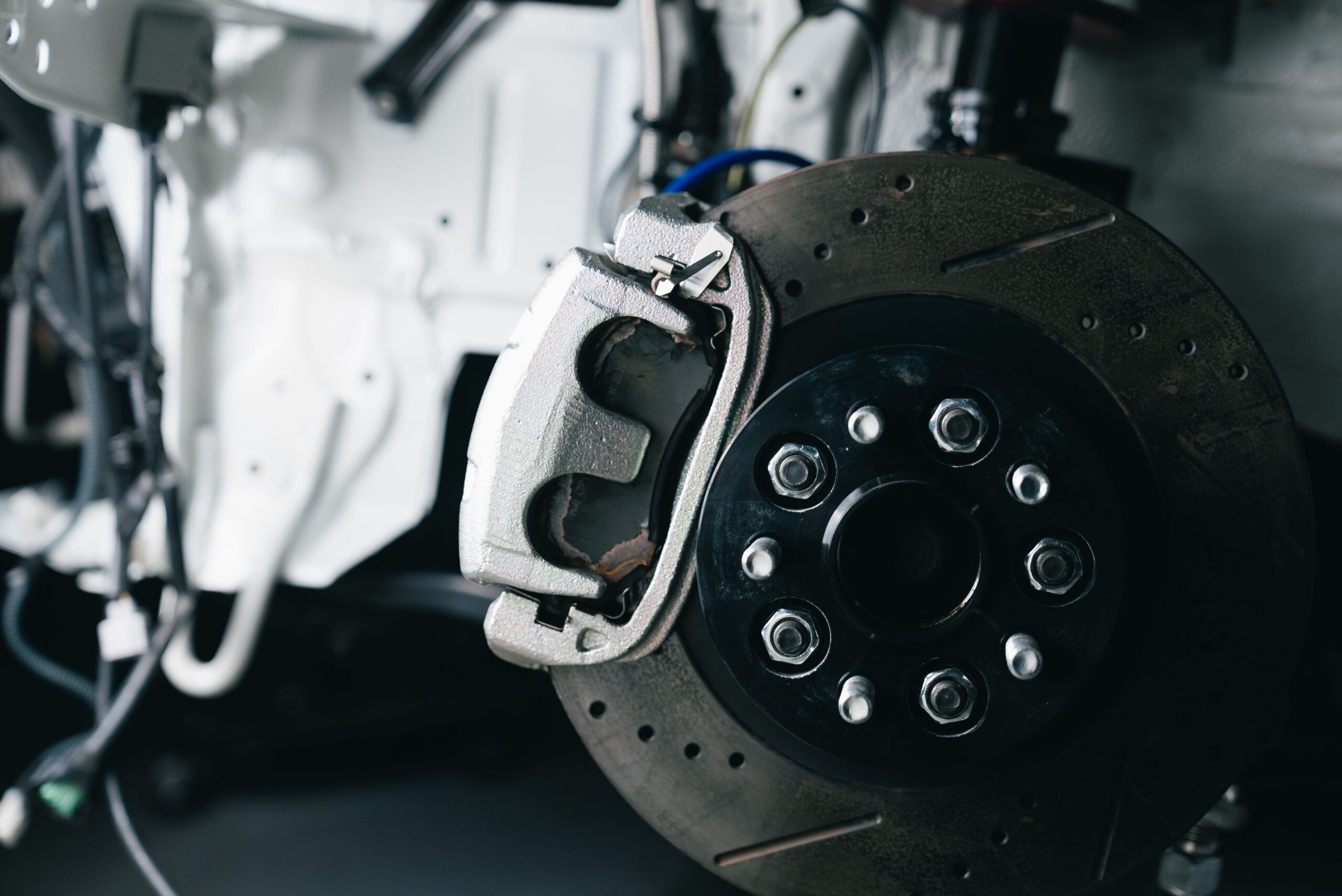
If your dashboard suddenly displays “Service Trailer Brake System,” simply clearing the warning is usually not the complete solution. The message generally indicates that the vehicle has detected a fault in the trailer brake control system, its wiring, the trailer connection, or a related electronic control module. On vehicles equipped with an Integrated Trailer Brake Control system, the warning can mean that trailer braking assistance has been disabled or limited.
This is why understanding how to reset service trailer brake system requires more than disconnecting the battery or clearing a diagnostic code. A proper reset should come after inspection and testing.
For electrical professionals, the troubleshooting principle is familiar: identify the fault, isolate the circuit, verify power and ground, inspect communication and control signals, repair the problem, and then confirm that the warning does not return.
This approach is also closely related to the electrical fault-finding practices used in marine and industrial environments. At Electrical Marine Solutions, systematic electrical troubleshooting, control-system diagnostics, preventive maintenance, switchboard maintenance, generator repairs, motor repairs, PLC programming, and automation troubleshooting all depend on the same fundamental principle: diagnose the actual fault rather than simply hiding its symptom.
Whether the problem is a corroded connector, damaged wiring, poor grounding, controller fault, or intermittent electrical connection, the correct solution starts with testing.
Quick Answer: How to Reset Service Trailer Brake System
To reset a Service Trailer Brake System warning, first park safely and switch the vehicle off. Disconnect the trailer, inspect the 7-way connector and trailer wiring, and check for obvious corrosion, damaged terminals, loose grounds, blown fuses, or damaged wiring. Restart the vehicle and check whether the warning disappears.
If the message remains, the vehicle should be scanned for trailer-brake-related diagnostic trouble codes. Do not assume that disconnecting the battery has repaired the problem. GM documentation states that when an ITBC fault is present, the system can display the warning and trailer-brake power may be unavailable.
The correct how to reset service trailer brake system procedure therefore depends on the vehicle model and the fault that triggered the warning.
If the underlying fault has been corrected, some systems may clear the warning automatically after subsequent ignition cycles or diagnostic confirmation. Others may require a compatible diagnostic scan tool or manufacturer-specific service procedure.
Never tow a heavy trailer assuming the system is working simply because the dashboard message disappeared.
Featured Snippet: How Do You Clear a Service Trailer Brake System Warning?
The safest way to clear a Service Trailer Brake System warning is to identify and repair the underlying electrical or controller fault first. Disconnect the trailer, inspect the 7-way connector, wiring, ground, fuse and trailer brake controller, then scan for diagnostic trouble codes. After repairing the fault, restart the vehicle and verify trailer-brake operation. A battery disconnect alone may not permanently reset the system.
What Does “Service Trailer Brake System” Mean?
The Service Trailer Brake System warning means that the vehicle has detected a problem involving the trailer brake control system. On vehicles with an Integrated Trailer Brake Control system, the controller communicates with the vehicle and regulates electrical output to compatible trailer brakes.
The warning can originate from several areas. These include the brake controller, trailer brake control module, wiring harness, connector, power supply, ground connection, brake output circuit, trailer-side wiring, or an electronic communication problem.
A useful way to understand the warning is to think of the trailer braking circuit as an electrical control chain. The tow vehicle provides the control signal, the trailer connector transfers electrical power and signals, and the trailer brake assemblies convert that electrical command into braking force.
If any critical part of that chain becomes open, shorted, disconnected or electrically unstable, the vehicle may identify a fault.
This explains why learning how to reset service trailer brake system should always include electrical inspection.
GM owner documentation specifically indicates that the message can appear when there is a problem with the Integrated Trailer Brake Control system.
For marine and industrial electrical professionals, this is similar to troubleshooting a control circuit: an alarm should lead the technician toward the failed component, not simply be silenced.
How the Trailer Brake System Works
An electric trailer brake system uses electrical signals from the tow vehicle to control brake assemblies installed on the trailer. When the vehicle brakes, the integrated trailer brake controller determines an appropriate electrical output according to the braking demand and the configured trailer gain.
The trailer brake display on compatible systems can show the trailer gain and brake output. GMC documentation explains that the trailer output represents the electrical braking command relative to the selected gain setting.
The basic electrical path can be simplified as:
Vehicle brake input → trailer brake controller → wiring → 7-way connector → trailer wiring → brake magnets/actuators → braking force.
A failure anywhere in this chain can cause poor braking, intermittent braking or a service warning.
This working principle is important when investigating how to reset service trailer brake system, because the reset should happen only after the electrical path has been verified.
A good technician does not begin by replacing the controller. Instead, the technician determines whether the controller is actually receiving correct power, ground and input signals and whether the output circuit is functioning correctly.
The same philosophy is used in marine electrical systems, where a control signal may travel through terminals, junction boxes, relays, PLC inputs, contactors and power distribution equipment before reaching the final load.
Major Components of a Trailer Brake System
A typical electrically controlled trailer braking system contains several important components. The exact configuration varies by vehicle and trailer, but the major components commonly include the integrated trailer brake controller, trailer brake control module, 7-way connector, wiring harness, ground circuit, fuses, relays, brake assemblies and trailer-side wiring.
The trailer brake controller is responsible for controlling electrical braking output. Depending on the vehicle, the controller may be integrated into the dashboard or connected to a separate control module.
The 7-way connector provides the electrical interface between vehicle and trailer. Because it is exposed to weather, road salt, water, dirt and mechanical stress, corrosion and poor terminal contact are common areas to inspect.
The ground circuit is equally important. A poor ground can create intermittent or misleading symptoms.
The trailer itself may contain brake magnets, electric-over-hydraulic components or other braking hardware depending on its design.
When diagnosing how to reset service trailer brake system, every component should be considered part of one electrical system rather than treated as an isolated device.
This is similar to industrial control troubleshooting, where a PLC fault may actually originate from a field sensor, cable, power supply or terminal connection.
Why Does the Service Trailer Brake Warning Appear?
There is no single cause for the Service Trailer Brake System message. Electrical faults are among the most common possibilities, particularly problems involving connectors, wiring and grounding.
A loose or corroded trailer connector can interrupt the electrical path. A damaged wire can create an open circuit or short circuit. A weak ground can cause unstable voltage readings and intermittent operation. A damaged brake-controller switch or control module can also trigger a warning.
In some cases, the fault is caused by the trailer rather than the tow vehicle. GM technical information has documented situations in which trailer-side conditions can contribute to trailer-brake control faults.
Temperature, moisture, vibration and contamination can also expose weaknesses in electrical connections.
Intermittent faults are particularly difficult because the system may operate normally during inspection and fail later.
Therefore, how to reset service trailer brake system should not be treated as a simple dashboard procedure.
Instead, technicians should ask:
- When did the warning first appear?
- Was a trailer connected?
- Does the warning occur with different trailers?
- Does it appear only during braking?
- Does temperature affect it?
- Was the vehicle recently repaired?
- Is there visible corrosion?
- Are there stored diagnostic codes?
These questions help narrow the fault before parts are replaced.
How to Reset Service Trailer Brake System Step by Step
Start by moving the vehicle to a safe location and applying the parking brake. If the warning appears while towing, do not continue at normal towing speed until you know that trailer braking is functioning correctly. Safety should always come first when learning how to reset service trailer brake system.
Switch the ignition off and disconnect the trailer from the vehicle. Inspect the 7-way connector carefully. Look for corrosion, bent terminals, dirt, moisture, loose pins or damaged housing. A thorough connector inspection is an essential part of how to reset service trailer brake system because connection problems can trigger electrical warnings.
Next, inspect accessible wiring around the connector and trailer-brake circuit. Look for crushed insulation, exposed copper, broken wires, poor splices and signs of overheating. Restart the vehicle with the trailer disconnected. If the warning disappears, reconnect the trailer carefully and observe whether the warning returns. These steps help narrow down the cause when diagnosing how to reset service trailer brake system.
If the warning remains, check the relevant trailer-brake fuse and power supply according to the vehicle manufacturer’s service information. The next step is diagnostic scanning. A compatible scan tool can identify stored or current diagnostic trouble codes associated with the trailer brake control system, making how to reset service trailer brake system more precise and effective.
After repairing the underlying fault, clear the relevant codes using the appropriate diagnostic procedure if required. Restart the vehicle and perform a controlled functional test. This is the correct philosophy behind how to reset service trailer brake system: inspect, diagnose, repair, clear and verify.
Never rely on a battery disconnect as the primary repair method. A reset is only meaningful when the underlying electrical or electronic fault has been properly identified and corrected.
Electrical Inspection and Testing Procedures
Electrical testing is one of the most important stages of how to reset service trailer brake system. Visual inspection alone cannot always identify an intermittent electrical fault.
A technician should use an appropriate multimeter, circuit tester, wiring diagram and diagnostic scan tool. Depending on the system, additional equipment may be required.
Begin by verifying battery voltage and the electrical supply to the trailer-brake system. A weak vehicle electrical system can produce unusual electronic behavior.
Then verify the relevant ground connections. Voltage-drop testing can be more useful than simply measuring resistance because a circuit can show acceptable resistance while failing under load.
Inspect the 7-way connector pin condition and test relevant circuits according to the manufacturer’s wiring diagram. Do not randomly apply power to unknown terminals.
If trailer-side testing is required, inspect the brake wiring from the connector toward each brake assembly.
A professional technician should also compare actual measurements with manufacturer specifications rather than relying on generic voltage assumptions.
This approach is identical to professional Electrical Troubleshooting in marine environments. At Electrical Marine Solutions, systematic fault finding involves understanding the circuit, measuring actual values and identifying where the expected electrical condition changes.
The objective is not simply to remove a warning. The objective is to restore a reliable electrical system.

how to reset service trailer brake system
Troubleshooting Common Trailer Brake Problems
Several problems repeatedly appear when investigating trailer brake warnings.
Corroded connectors can increase electrical resistance and cause intermittent communication. Cleaning or replacing the connector may resolve the issue if corrosion is the actual cause.
Poor grounding can create unstable braking performance. The ground connection should be mechanically secure and electrically sound.
Damaged wiring can occur near the trailer tongue, frame, axle, connector or areas exposed to movement. Look for insulation damage and poorly protected splices.
Faulty brake-controller components can produce warnings even when trailer wiring is healthy.
Blown fuses may indicate either a simple electrical failure or a deeper short circuit. Replacing a fuse without investigating why it failed is not a complete repair.
Intermittent faults are especially challenging. A connection may work when stationary and fail due to vibration, temperature or moisture.
Some GM vehicles have also had documented trailer-brake control module issues and software-related service information.
When troubleshooting, separate vehicle-side faults from trailer-side faults. Testing another known-good compatible trailer, where safe and appropriate, can help identify which side contains the problem.
What If the Reset Does Not Work?
If the warning returns immediately after resetting or clearing codes, there is probably an active fault. In this situation, understanding how to reset service trailer brake system requires identifying why the warning continues to return rather than repeatedly clearing the message.
Do not repeatedly disconnect the battery or clear diagnostic codes without investigating the cause. A fault that returns after several ignition cycles is valuable diagnostic information and can help technicians determine the correct approach to how to reset service trailer brake system.
For example, if the warning appears with no trailer connected, the vehicle-side controller, wiring, connector, module, power supply or communication network deserves closer attention. If the warning appears only when a particular trailer is connected, inspect that trailer’s wiring and brake components. These observations can significantly narrow down the fault when diagnosing how to reset service trailer brake system.
If the message appears only under braking, investigate the brake input and output circuits. If the warning is temperature-dependent, look for components or connections affected by thermal expansion. If it occurs after rain or washing, inspect moisture-sensitive connectors. Environmental and operating conditions can provide important clues when determining how to reset service trailer brake system.
Some systems can automatically clear a historical fault once the fault condition is no longer detected, while other faults require diagnostic intervention. GM technical documentation shows that some trailer-brake DTCs remain active while the fault exists and may have specific clearing conditions. Therefore, how to reset service trailer brake system depends on the exact vehicle, controller and diagnostic code.
Repair vs Replacement: Which Is Better?
Replacing a trailer brake controller may seem like the fastest way to solve a Service Trailer Brake System warning, but it is not always the best first step.
Electrical faults are often caused by inexpensive items such as corroded connectors, damaged wires, loose grounds or failed fuses. Replacing an expensive control module without confirming the circuit can waste money and may leave the original fault unresolved.
Repair is generally preferable when the problem is a damaged wire, loose terminal, corroded connector or poor ground that can be restored safely and reliably.
Replacement becomes more appropriate when a controller or control module has failed internally, cannot be repaired according to manufacturer procedures, or has a known replacement requirement.
A professional diagnosis should consider component condition, availability, repair cost, reliability and downtime.
This repair-versus-replacement philosophy is also fundamental to marine engineering. In marine electrical systems, replacing a PLC, generator controller, motor starter or switchboard component without determining why it failed can result in repeated failures.
Electrical Marine Solutions applies this engineering mindset to Marine Electrical Services, Control Systems, Marine Automation and Industrial Electrical Engineering work.
The objective should always be reliable restoration—not simply replacing parts until the warning disappears.
Maintenance Tips to Prevent Trailer Brake Electrical Faults
Preventive maintenance can significantly reduce electrical problems and make how to reset service trailer brake system less complicated when a warning eventually appears. Inspect the trailer connector regularly, especially if the vehicle operates in wet, coastal or corrosive environments.
Keep connectors clean and protected according to manufacturer recommendations. Check wiring for abrasion, crushed sections and loose mounting points. These simple inspections can help prevent the electrical faults that often lead to situations requiring how to reset service trailer brake system procedures.
Inspect trailer grounds periodically. A ground that looks acceptable may still have excessive resistance under load. Check brake wiring around axles and suspension components because movement can gradually damage insulation. Proper preventive checks are an important part of understanding how to reset service trailer brake system and preventing recurring electrical faults.
Avoid poor-quality electrical splices. Use appropriate connectors and protection suitable for the environment. After towing through water, inspect connectors and exposed wiring for moisture and corrosion. These steps can reduce the likelihood of problems that later require how to reset service trailer brake system troubleshooting.
Keep records of recurring warnings. An intermittent problem that happens every few months may reveal a pattern when environmental conditions are recorded. Preventive maintenance is especially valuable for fleets and commercial vehicles because a trailer brake failure can create safety risks and operational downtime.
The same principle applies to marine assets. Preventive electrical maintenance of switchboards, generators, motors, control panels, PLC systems and power-distribution equipment helps identify deterioration before it becomes an emergency. A structured maintenance program also makes how to reset service trailer brake system easier to approach because technicians can compare current symptoms with previous inspection and fault records.
For operators managing commercial equipment, scheduled inspection is usually more economical than waiting for an electrical failure during critical operation.
Safety Precautions When Resetting the System
Trailer brakes are safety-critical equipment. Never treat the Service Trailer Brake System warning as an ordinary dashboard notification.
If trailer braking is disabled or unreliable, stop in a safe location and avoid continuing to tow until the system has been assessed.
Always follow the vehicle and trailer manufacturer’s instructions. Use appropriate wheel chocks, parking procedures and electrical isolation practices during inspection.
Never short unknown electrical terminals to “test” the system. Incorrect connections can damage control modules.
When working beneath a vehicle or trailer, use appropriate support equipment and never rely solely on a jack.
Do not perform electrical repairs around moving components or energized circuits unless the procedure specifically requires controlled live testing and you are qualified to perform it.
For commercial or industrial equipment, follow site-specific lockout/tagout and electrical safety procedures.
Marine environments require an even stronger safety mindset because electrical systems can involve high currents, generators, switchboards, motors and complex control systems.
At Electrical Marine Solutions, professional electrical work should be approached with risk assessment, correct isolation, suitable test equipment and engineering best practices.
A warning light is never more important than physical safety. If you are uncertain about the fault, professional diagnosis is the safest option.
Professional Electrical Troubleshooting Approach
The most effective way to troubleshoot an electrical warning is to follow a logical sequence. When learning how to reset service trailer brake system, the first step is always to understand the symptom rather than immediately trying to clear the warning.
First, understand the symptom. Then obtain the wiring diagram and identify the relevant circuit. Next, verify power and ground before testing downstream components. This structured approach is essential when determining how to reset service trailer brake system because it helps identify whether the fault originates from the vehicle, trailer, wiring or control module.
After that, inspect connectors and wiring. Perform voltage and continuity tests where appropriate. Use diagnostic scanning to identify stored or active fault codes. Finally, repair the confirmed fault and retest the complete system. Following these steps makes how to reset service trailer brake system more accurate and reduces the risk of overlooking an underlying electrical problem.
This process prevents “parts swapping,” where multiple components are replaced without proving that they are defective. A proper how to reset service trailer brake system procedure should always focus on identifying and correcting the root cause before replacing expensive components.
For Electrical Marine Solutions, this same methodology forms the foundation of professional Electrical Fault Finding and Marine Electrical Services. The principles used when determining how to reset service trailer brake system are similar to the structured diagnostic methods used for complex marine and industrial electrical systems.
Marine electrical systems can contain generators, motors, switchboards, PLCs, automation equipment, control circuits and power-distribution systems. A fault in one section can create symptoms somewhere else. Understanding this relationship is also useful when investigating how to reset service trailer brake system because modern electrical systems often contain multiple interconnected components.
The same principle applies to modern vehicle electronics. Multiple modules communicate through electronic networks, so a fault may not always originate where the warning appears. This is why how to reset service trailer brake system should involve proper electrical diagnosis rather than simply clearing a dashboard warning.
Professional diagnostics therefore combine electrical measurements, system knowledge, manufacturer documentation and practical experience. When investigating how to reset service trailer brake system, the goal should be to find the exact failure point, restore the circuit and confirm reliable operation under realistic conditions.
Why Trust Electrical Marine Solutions
Electrical Marine Solutions provides professional electrical engineering support focused on marine and industrial applications. The company works across Marine Electrical Services, Marine Automation, Electrical Troubleshooting, Electrical Fault Finding, Switchboard Maintenance, Generator and Motor Repairs, PLC Programming, Control Systems, Power Distribution Systems, Preventive Maintenance and Emergency Electrical Repairs.
The company’s engineering approach is based on systematic diagnosis rather than guesswork. This matters because electrical faults can be intermittent, interconnected and difficult to identify without proper testing.
Experienced Marine Electrical Engineers understand how power systems, control circuits, automation equipment and protection systems interact. Advanced diagnostic equipment can help identify abnormal electrical conditions and support accurate troubleshooting.
For commercial vessels, cargo ships, offshore platforms and industrial facilities, electrical reliability is directly connected to operational continuity and safety.
The company also emphasizes preventive maintenance. Identifying deteriorating connections, overloaded circuits, control-system abnormalities or equipment wear before failure can reduce unexpected downtime.
Although trailer brake systems are automotive rather than marine equipment, the diagnostic principle is universal: inspect the system, understand the circuit, test the suspected fault, repair the root cause and verify performance.
For professional marine and industrial electrical support, visit Electrical Marine Solutions.
Maintenance Checklist
A practical maintenance checklist helps prevent recurring electrical faults.
Inspect the trailer connector for corrosion and physical damage. Check that terminals are tight and that the connector housing is secure.
Inspect the vehicle-side wiring from the connector toward the brake-control circuitry. Look for abrasion, heat damage, exposed conductors and poor splices.
Inspect trailer wiring along the frame and near the axles. Make sure cables are secured away from moving or sharp components.
Check ground connections and clean contact surfaces when required.
Check relevant fuses according to the vehicle’s documentation.
Test trailer brake operation before undertaking long-distance towing.
Record recurring warning messages, operating conditions and diagnostic codes.
For fleet operators, create scheduled inspection intervals rather than relying only on driver reports.
The same maintenance discipline should be applied to marine electrical infrastructure. Switchboards, generators, motors, control panels, PLC systems and power-distribution equipment benefit from documented inspection routines.
Preventive maintenance should include visual inspection, electrical testing, thermal checks where appropriate, connection inspection and functional testing.
A documented maintenance history makes intermittent problems easier to identify and helps technicians recognize recurring failure patterns.
Inspection Checklist
Before attempting to reset the warning, complete a structured inspection.
Vehicle side: inspect the trailer-brake controller, fuse protection, wiring, connector, grounds and relevant modules.
Trailer side: inspect the 7-way plug, ground, brake wiring, brake assemblies and electrical connections.
Diagnostic side: scan for current and historical diagnostic trouble codes.
Functional side: verify brake-controller response, trailer output and actual braking performance using a safe testing method.
Environmental side: consider water, salt, dirt, temperature, vibration and mechanical damage.
Documentation side: check the manufacturer’s wiring diagram and service information.
This checklist is particularly useful when a warning appears intermittently.
A professional technician should document test results rather than simply writing “system checked.” Voltage measurements, resistance or voltage-drop observations, DTCs, connector condition and repair actions provide a useful record.
The same documentation standard is valuable in marine electrical maintenance. When a commercial vessel develops a recurring generator, motor, PLC or switchboard fault, historical records can reduce diagnostic time.
A systematic inspection also improves communication between operators, engineers and maintenance teams.
Professional Tips From an Electrical Troubleshooting Perspective
Tip 1: Do not assume the controller is defective just because the dashboard reports a trailer-brake fault.
Tip 2: Always inspect the connector first. It is exposed to environmental contamination and mechanical stress.
Tip 3: Test the ground under realistic conditions. A visual inspection is not enough.
Tip 4: Separate vehicle-side and trailer-side faults whenever possible.
Tip 5: Use diagnostic trouble codes as evidence, not as the entire diagnosis.
Tip 6: Do not repeatedly clear a fault without fixing its cause.
Tip 7: Check wiring before replacing expensive electronic modules.
Tip 8: Intermittent faults require patience. Vibration, moisture and temperature can reproduce failures that are invisible during a static inspection.
Tip 9: Follow manufacturer-specific procedures because reset and calibration requirements vary.
Tip 10: Verify the repair with a functional test.
These principles apply well beyond trailer brakes. Marine automation, PLC programming, generator control, motor control and industrial power distribution all require the same disciplined fault-finding methodology.
FAQs
1. Can I reset the Service Trailer Brake System by disconnecting the battery?
Disconnecting the battery may temporarily reset some electronic modules, but it does not repair the underlying fault. If the system detects the same problem again, the warning can return. Proper diagnosis should include connector, wiring, power, ground and controller checks before considering the reset complete.
2. Why does my Service Trailer Brake System warning keep returning?
A returning warning usually means the underlying fault has not been corrected. Possible causes include intermittent wiring, poor grounding, connector corrosion, a faulty controller, damaged trailer wiring or a control-module problem. Diagnostic trouble codes can help identify which part of the system needs closer inspection.
3. Can I drive with the Service Trailer Brake System warning?
If the warning indicates that trailer braking is unavailable, towing should be avoided until the system is diagnosed. Manufacturer documentation warns that trailer-brake power may be unavailable when an ITBC fault is present. Safety should take priority over continuing a journey with a heavy trailer.
4. Does disconnecting the trailer reset the warning?
Disconnecting the trailer can help determine whether the problem originates on the trailer side or vehicle side. However, it is not guaranteed to clear a stored fault. If the vehicle continues displaying the warning without a trailer connected, further vehicle-side electrical and diagnostic testing is appropriate.
5. What causes a trailer brake controller to fail?
Trailer brake controllers can fail because of electrical overload, damaged wiring, moisture, connector problems, internal electronic failure or related circuit faults. However, a controller should not automatically be blamed. Power supply, ground, input signals and output wiring should be tested before replacing the controller.
6. Can a bad ground cause a Service Trailer Brake System warning?
Yes. A poor ground can create voltage instability and communication problems in an electrically controlled trailer-brake system. Ground faults can also cause intermittent symptoms that disappear temporarily. Proper testing should verify the ground under load rather than relying only on a visual inspection.
7. Can corrosion cause the trailer brake warning?
Yes. Corrosion at the 7-way connector or other electrical terminals can increase resistance and interrupt signals. Trailer connectors operate in harsh outdoor environments, making them vulnerable to moisture, dirt and corrosion. Cleaning or replacing a severely damaged connector may resolve the problem when confirmed by testing.
8. How do I know whether the truck or trailer is causing the problem?
One useful diagnostic approach is to inspect the vehicle without the trailer connected and, where safe and compatible, compare behavior with another known-good trailer. If the warning appears only with one trailer, trailer-side wiring or braking equipment becomes more suspicious. Diagnostic testing provides stronger evidence than guessing.
9. Do I need a scan tool to reset the system?
Not every fault requires a scan tool to disappear, but a compatible diagnostic scanner is often valuable because it can identify stored or active trouble codes. Some faults may require manufacturer-specific diagnostic procedures or module communication. Clearing codes without fixing the fault is not a complete repair.
10. Can a blown fuse cause a trailer brake warning?
Yes. A blown fuse can interrupt power to relevant trailer-brake components and trigger a warning. However, the reason the fuse failed should also be investigated. If a replacement fuse blows again, there may be a short circuit, overloaded circuit or damaged component requiring professional diagnosis.
11. Why does the warning appear when I am not towing?
A vehicle-side fault can trigger the warning even when no trailer is connected. Possible causes include the integrated brake controller, control module, connector, wiring, power supply, ground or communication circuit. If the warning appears repeatedly without a trailer, vehicle-side diagnostic testing is recommended.
12. Is the trailer brake controller the same as the trailer brake module?
Not necessarily. Vehicle designs vary. Some systems use an integrated controller with a separate control module, while others combine functions differently. The exact architecture depends on the vehicle. Always use the correct wiring diagram and service information before testing or replacing a component.
13. How often should trailer brake wiring be inspected?
Trailer brake wiring should be inspected regularly, particularly before long journeys, heavy towing or seasonal use. More frequent inspection is sensible for trailers exposed to water, salt, mud, vibration or rough roads. Fleet operators should use scheduled preventive maintenance rather than relying only on warning messages.
14. Can moisture cause intermittent trailer brake faults?
Yes. Moisture can enter connectors, terminals and wiring and create corrosion or temporary electrical paths. The problem may disappear when the system dries, making diagnosis difficult. If a warning appears after rain, washing or water exposure, inspect connectors and wiring carefully for moisture-related damage.
15. Should I replace the trailer brake controller immediately?
No. Replacement should normally follow diagnosis. A damaged connector, wiring fault, fuse, ground or trailer-side problem can create symptoms that resemble controller failure. Testing the controller’s power, ground, inputs and outputs according to manufacturer specifications can prevent unnecessary replacement and reduce repair costs.
16. What is ITBC?
ITBC stands for Integrated Trailer Brake Control. It is a vehicle-integrated system designed to control compatible trailer brakes. The system monitors relevant electrical conditions and provides braking output according to the vehicle’s braking demand and trailer-gain setting. A detected ITBC fault can produce the Service Trailer Brake System warning.
17. Can an electrical specialist diagnose trailer brake faults?
Yes. Trailer brake control is an electrical and electronic system, so technicians experienced in electrical diagnostics can often identify wiring, connector, grounding, power and control faults. For complex vehicle-specific issues, however, manufacturer service information and appropriate automotive diagnostic equipment should also be used.
18. What should I do if the warning appears while towing?
Reduce risk immediately. Find a safe location to stop and assess the situation. If trailer braking appears unavailable or unreliable, do not continue towing normally. Inspect the connection if safe and follow the vehicle manufacturer’s guidance. Professional diagnosis may be required before the trailer is used again.
Final Recommendation
Understanding how to reset service trailer brake system is ultimately about understanding the difference between resetting a warning and repairing a fault. If you are researching how to reset service trailer brake system, remember that clearing the warning is only one part of the troubleshooting process.
A proper how to reset service trailer brake system procedure should come after inspection, electrical testing, diagnosis and repair. Start with the simple possibilities—connector condition, wiring, ground, fuse and trailer connection—before moving toward controller or module replacement. This approach makes how to reset service trailer brake system safer and more reliable.
Modern electrical systems are interconnected. A single damaged terminal can create symptoms that appear to originate from a much more expensive electronic component. Therefore, anyone investigating how to reset service trailer brake system should verify the actual electrical fault before replacing major components.
The same engineering principle applies to marine and industrial systems. Whether troubleshooting a trailer-brake controller, marine switchboard, generator, motor, PLC, control system or power-distribution circuit, reliable results come from structured testing. This systematic approach is also important when determining how to reset service trailer brake system after an electrical fault has been repaired.
For professional Marine Electrical Services, Electrical Troubleshooting, Marine Automation, Generator Repairs, Switchboard Maintenance, PLC Programming, Preventive Maintenance and Industrial Electrical Engineering support, contact Electrical Marine Solutions through electricalmarinesolutions.com. If professional assistance is required after diagnosing how to reset service trailer brake system, experienced electrical engineers can help identify and troubleshoot complex electrical and control-system faults.
