

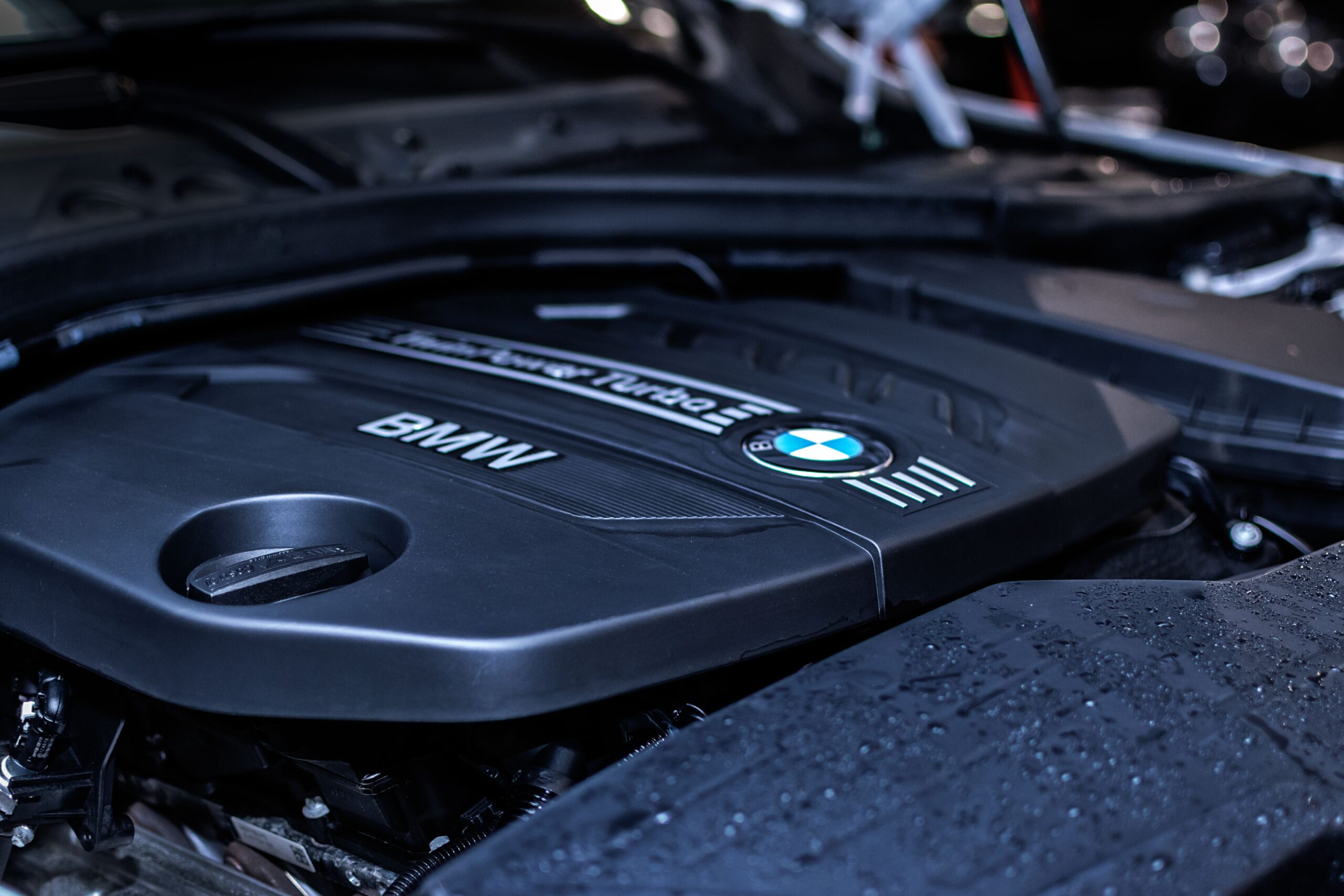
Replacing a vehicle engine is one of the biggest mechanical expenses a car owner can face. If you are searching how much is a new engine for a car, the short answer is that the total cost can range from around $2,000 to more than $15,000, depending on the vehicle, engine type, labor, parts availability, and whether you choose a new, remanufactured, rebuilt, or used engine. Luxury, performance, hybrid, and specialized vehicles can cost considerably more.
However, the engine itself is only part of the final bill. Installation labor, fluids, filters, sensors, wiring, cooling-system components, engine mounts, exhaust connections, programming, diagnostics, and other related repairs can substantially increase the total cost.
For marine and industrial applications, the same basic engineering principle applies: an engine or motor should not automatically be replaced simply because it has stopped working. Proper Electrical Troubleshooting, testing, fault finding, control-system inspection, and preventive maintenance can sometimes identify a repairable electrical or control problem instead of a complete engine replacement.
For organizations operating commercial vessels, cargo ships, offshore platforms, generators, and industrial equipment, Electrical Marine Solutions approaches engine-related electrical problems through systematic diagnosis, testing, and engineering-based maintenance.
Quick Answer: How Much Is a New Engine for a Car?
A new replacement engine for a typical car can cost approximately $4,000–$10,000 for the engine and installation, although the complete range may be about $2,000–$15,000+. A genuine brand-new factory engine is usually more expensive than a used or remanufactured engine.
The final price depends on engine size, vehicle make and model, engine availability, labor rates, additional components, ECU programming, cooling-system repairs, and the cause of the original failure. Before purchasing an engine, a professional diagnostic inspection should confirm that replacement is actually necessary.
Featured Snippet: New Car Engine Replacement Cost
How much is a new engine for a car? A complete engine replacement commonly costs between $2,000 and $15,000 or more, with many mainstream vehicles falling around $4,000–$10,000 installed. A used engine may cost less, while a brand-new manufacturer engine can cost substantially more. Labor, diagnostics, fluids, sensors, mounts, wiring, programming, and related repairs can increase the final price.
Key Takeaways
The answer to how much is a new engine for a car depends on far more than the engine price. Installation, diagnostics, replacement components, programming, fluids, and labor can significantly affect the final cost.
A professional diagnosis should always come before replacement. Some apparent engine failures are actually caused by electrical faults, failed sensors, starter problems, charging-system faults, wiring issues, ECU problems, fuel-system faults, overheating, or control-system failures.
For marine and industrial equipment, Electrical Marine Solutions provides engineering-focused support covering Marine Electrical Services, Electrical Troubleshooting, Electrical Fault Finding, Marine Automation, Generator Maintenance, Motor Repairs, PLC Programming, Control Systems, Marine Switchboards, Power Distribution Systems, and Preventive Maintenance.
What Does a New Car Engine Cost?
When people ask how much is a new engine for a car, they often mean the cost of the replacement engine alone. That number can be misleading because an engine replacement is a complete engineering and installation project rather than a simple parts purchase.
For an ordinary passenger vehicle, a replacement engine may cost approximately $2,000–$8,000 depending on whether it is used, rebuilt, remanufactured, or new. A genuine brand-new factory engine can exceed $10,000 for certain vehicles. Installation may add another $1,000–$4,000 or more.
Luxury vehicles, high-performance cars, large SUVs, trucks, hybrids, and vehicles with complicated electronic control systems can require considerably higher budgets.
The most important point is to request an itemized engine replacement estimate. Ask the repair provider to separate engine cost, labor, diagnostic charges, fluids, filters, gaskets, sensors, mounts, programming, cooling-system work, and other components.
This approach prevents an apparently inexpensive engine quote from becoming a much larger final invoice.
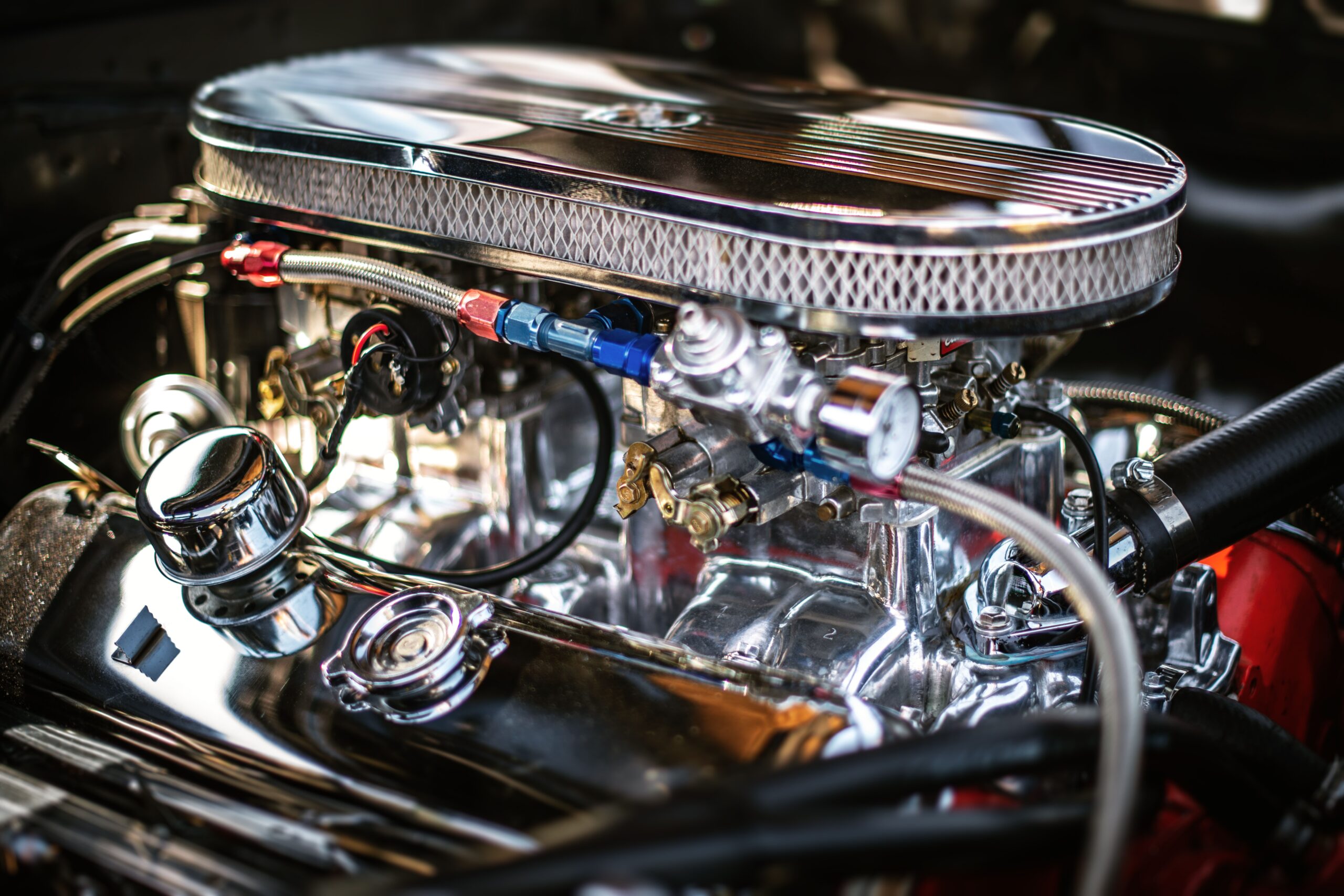
how much is a new engine for a car
What Is an Engine Replacement?
Engine replacement means removing the existing power unit from a vehicle and installing another compatible engine. Depending on the vehicle, technicians may need to disconnect electrical harnesses, fuel lines, cooling hoses, exhaust components, transmission connections, mounts, sensors, intake systems, and electronic control modules.
The replacement engine must be mechanically compatible with the vehicle and electronically compatible with its control architecture. Modern cars rely heavily on electronic sensors and computer-controlled systems, so installing an engine is no longer purely a mechanical procedure.
The technician must verify oil pressure, coolant circulation, ignition or injection operation, sensor signals, charging performance, communication between control modules, and proper engine-management operation.
The same engineering principle is important in marine environments. A marine generator or propulsion-related system may appear to have an engine failure when the actual problem is an electrical supply fault, control-system fault, sensor failure, starter circuit problem, or automation issue.
That is why systematic Electrical Fault Finding can prevent unnecessary component replacement.
How Does a Car Engine Work?
A conventional internal-combustion engine converts chemical energy from fuel into mechanical energy. Air and fuel enter the combustion chamber, the mixture is compressed, combustion occurs, and expanding gases push pistons downward.
The pistons connect to connecting rods and a crankshaft. The crankshaft converts reciprocating piston movement into rotational movement that ultimately drives the vehicle.
Modern engines depend on sensors and electronic control systems to maintain the correct fuel mixture, ignition timing, emissions performance, idle speed, and operating conditions. The engine control unit continuously receives information from sensors and adjusts actuators accordingly.
A failure in one part of this system can create symptoms that resemble mechanical engine failure. For example, a failed crankshaft-position sensor may prevent an engine from starting even though the mechanical engine remains healthy.
This distinction is important when considering how much is a new engine for a car, because replacing a complete engine will not solve a problem caused by an electrical sensor, wiring fault, ECU issue, or control-system failure.
Major Components of an Engine
A typical combustion engine contains many interconnected mechanical and electrical components. Major mechanical components include the engine block, cylinder head, pistons, connecting rods, crankshaft, camshaft, valves, timing system, bearings, oil pump, and cooling passages.
Supporting systems include fuel injection, ignition, lubrication, cooling, intake, exhaust, charging, starting, and electronic engine management.
Modern engines also include numerous sensors. Depending on the vehicle, these can include crankshaft-position sensors, camshaft-position sensors, oxygen sensors, coolant-temperature sensors, manifold-pressure sensors, airflow sensors, throttle-position sensors, and knock sensors.
A replacement engine may not always include every external component. Some engines are supplied as long blocks, while others are complete assemblies. This distinction has a major effect on price.
Before buying an engine, confirm exactly what is included in the quotation. A cheaper engine may require the transfer of existing sensors, intake components, exhaust components, injectors, alternator, starter, wiring, mounts, or other accessories.
New, Used, Rebuilt, and Remanufactured Engines
The type of replacement engine is one of the biggest factors affecting how much is a new engine for a car. A genuinely new factory engine is normally the most expensive option because it is manufactured to new-component specifications.
A used engine is removed from another vehicle and may offer the lowest purchase price. However, its previous operating history may be uncertain. Mileage, maintenance history, storage conditions, accident history, and internal wear can affect reliability.
A rebuilt engine has been disassembled and repaired using selected replacement components. The quality depends heavily on the rebuilding process and parts used.
A remanufactured engine generally undergoes a more controlled restoration process and may have components machined or replaced according to defined specifications. Warranty terms can also differ substantially between suppliers.
When comparing prices, never compare only the engine purchase price. Compare warranty length, mileage limits, included components, installation requirements, testing procedures, return policies, and supplier reputation.
Main Factors Affecting Engine Replacement Cost
Several variables determine how much is a new engine for a car. The vehicle’s make and model is one of the first factors. Common vehicles usually have better parts availability and more technicians familiar with their engines.
Engine displacement also matters. Larger and more complex engines typically cost more. Turbocharged, supercharged, hybrid, diesel, and performance engines can require specialized parts and procedures.
Labor is another major factor. Some engine bays allow relatively straightforward removal, while compact vehicles can require extensive disassembly before technicians can access the engine.
Electronic integration can also increase costs. Modern vehicles may require ECU programming, immobilizer synchronization, sensor calibration, diagnostic scanning, and communication-system verification.
Additional components may need replacement during installation. These can include engine mounts, belts, hoses, gaskets, seals, spark plugs, filters, fluids, thermostats, water pumps, sensors, or cooling-system components.
For a realistic quote, request a complete installed cost rather than an engine-only price.
Engine Replacement Process
A professional engine replacement begins with diagnosis rather than immediate removal. The technician confirms the original failure and determines whether repair is economically practical.
The vehicle is then prepared safely. The battery is isolated, fluids are drained, relevant electrical connections are identified, and the engine is supported using suitable lifting equipment.
Technicians disconnect the necessary fuel, electrical, cooling, intake, exhaust, transmission, and mounting connections. The damaged engine is carefully removed.
The replacement engine is inspected before installation. Important seals, gaskets, accessible components, and mounting points are checked.
After installation, technicians reconnect mechanical and electrical systems, refill approved fluids, verify wiring connections, and perform initial testing.
The engine is then started and monitored. Oil pressure, coolant temperature, charging voltage, operating noise, fluid leaks, sensor readings, fault codes, and engine performance are checked.
Finally, the vehicle undergoes appropriate road testing and post-installation diagnostics.
Inspection and Diagnostic Procedures
Before deciding how much is a new engine for a car, inspection should determine whether replacement is genuinely necessary. A professional inspection normally begins with the vehicle’s history, symptoms, warning lights, mileage, maintenance records, and previous repairs.
Technicians may inspect engine oil condition, coolant condition, visible leaks, wiring, battery voltage, charging voltage, starter operation, fuel delivery, ignition, and electronic fault codes.
Mechanical testing can include compression testing, leak-down testing, oil-pressure testing, cooling-system pressure testing, and inspection for abnormal engine noise.
Electronic diagnostics may reveal communication faults, sensor failures, actuator problems, or ECU-related issues.
This diagnostic approach is equally valuable in marine environments. Electrical Troubleshooting and Electrical Fault Finding can identify whether an engine-driven generator or motor-control system has a true mechanical failure or an electrical/control fault.
Engine Testing Methods
Engine testing should be systematic and evidence-based. Visual inspection is the first step because obvious leaks, damaged wiring, broken connectors, loose terminals, overheating evidence, or damaged components can immediately reveal useful information.
Battery and charging-system testing establishes whether sufficient electrical power reaches the starting and control systems.
Compression testing evaluates cylinder sealing and can identify serious internal mechanical problems. Leak-down testing can provide more detailed information about where compression is escaping.
Oil-pressure testing helps determine whether the lubrication system is functioning correctly. Cooling-system testing can identify leaks or pressure-related problems.
Electronic diagnostic scanning can retrieve stored fault codes and live sensor information. However, a fault code should not automatically be interpreted as proof that the related component needs replacement. The underlying circuit and operating conditions must be verified.
This principle is central to professional fault finding.
Common Engine Problems and Warning Signs
Several warning signs can indicate serious engine problems. Persistent knocking, severe oil consumption, heavy smoke, repeated overheating, low oil pressure, coolant contamination, loss of compression, and major internal damage may indicate that replacement should be considered.
However, other symptoms may have less serious causes. A no-start condition can result from a failed starter motor, weak battery, damaged wiring, fuel delivery issue, crankshaft sensor failure, immobilizer problem, or ECU communication fault.
A warning light does not automatically mean the engine itself has failed.
Unusual electrical behavior should also be investigated. Flickering dashboard indicators, intermittent starting, unstable charging voltage, repeated blown fuses, sensor communication faults, and intermittent control problems can point toward electrical issues.
For marine generators and industrial equipment, similar symptoms can originate from control panels, sensors, PLCs, contactors, relays, switchboards, or power-distribution faults.
Repair or Replacement: Which Is Better?
The decision between repair and replacement should be based on technical condition, reliability, total cost, downtime, warranty, and future operating requirements.
A repair may be appropriate when the engine has a localized problem, such as a gasket failure, sensor problem, accessory failure, or repairable cylinder-head issue. Replacement may make more sense when the engine has severe internal damage, extensive corrosion, cracked major components, or repair costs approaching the value of a reliable replacement unit.
Vehicle age and overall condition also matter. Installing an expensive engine in a vehicle with significant transmission, suspension, electrical, and structural problems may not be financially sensible.
For commercial and marine operators, downtime has an additional economic impact. A generator or propulsion-related system that remains unavailable can affect vessel operations and productivity.
A professional engineering assessment should therefore consider the complete system rather than one component.
Maintenance Tips to Extend Engine Life
Regular maintenance is one of the best ways to reduce the probability of premature engine replacement. If you are considering how much is a new engine for a car, remember that consistent maintenance can help prevent major engine damage and expensive replacement costs. Follow the manufacturer’s recommended oil and filter intervals and use the correct specification of lubricant.
Cooling-system maintenance is equally important. Overheating can cause severe engine damage, including warped cylinder heads, gasket failures, and internal component damage. Preventing these failures can make a significant difference when evaluating how much is a new engine for a car, especially for vehicles operating under heavy loads or demanding conditions.
Inspect belts, hoses, electrical connections, battery terminals, sensors, and visible wiring regularly. These components can affect overall engine performance, and identifying problems early can help you avoid an unexpected situation where you suddenly need to determine how much is a new engine for a car.
Do not ignore warning lights or abnormal noises. Small problems can become expensive failures when operation continues without diagnosis. Early inspection allows technicians to identify the root cause and determine whether a repair is sufficient or whether the answer to how much is a new engine for a car needs to be considered as part of a larger repair decision.
Preventive maintenance is particularly important for commercial vessels and industrial facilities. Generator Maintenance, Motor Repairs, Marine Switchboard Maintenance, Control Systems inspection, and Power Distribution Systems testing can reduce unexpected downtime. Similar preventive principles can help vehicle owners avoid premature engine replacement and better understand how much is a new engine for a car when major problems occur.
Electrical Marine Solutions emphasizes preventive engineering practices because early detection is generally safer and more economical than emergency repair. Professional inspections can identify electrical, control, and equipment-related faults before they cause significant damage or create uncertainty about how much is a new engine for a car.
A documented maintenance schedule should include inspection dates, operating hours, replaced components, test results, fault codes, and recommended follow-up work. Good records help technicians recognize recurring problems and provide better advice when assessing how much is a new engine for a car or whether repair remains economically practical.
For marine and industrial equipment, preventive maintenance should also include electrical testing, insulation checks, control-system verification, generator performance testing, and switchboard inspection. This systematic approach can improve reliability, reduce downtime, and help operators avoid unnecessary major replacements while making informed decisions about how much is a new engine for a car and similar engine-driven equipment.
Engine Replacement in Marine and Industrial Applications
Although the search term how much is a new engine for a car concerns automotive applications, similar cost considerations exist in marine and industrial environments.
Marine engines and generator systems operate under demanding conditions involving vibration, moisture, salt exposure, continuous loading, temperature variation, and long operating hours. Their electrical control systems can be considerably more complex than those found in ordinary passenger vehicles.
Commercial vessels, cargo ships, offshore platforms, and industrial facilities may use diesel generators, electric motors, automated control systems, PLCs, switchboards, and integrated power-distribution equipment.
In these environments, replacing a major engine or generator without identifying the root cause can create unnecessary expenditure.
Electrical Marine Solutions supports marine and industrial clients with Marine Electrical Services, Marine Automation, Electrical Troubleshooting, Electrical Fault Finding, Generator Maintenance, Motor Repairs, PLC Programming, Control Systems, Switchboard Maintenance, and Preventive Maintenance.
Why Electrical Diagnostics Matter
Modern engines are integrated systems rather than isolated mechanical machines. Electrical power, sensors, control modules, communication networks, actuators, and mechanical components must work together. This is why understanding how much is a new engine for a car should involve more than checking the mechanical condition of the engine alone.
A technician therefore needs to distinguish between mechanical failure and electrical failure. Proper diagnosis can prevent unnecessary replacement and provide a clearer assessment of how much is a new engine for a car when an engine-related problem occurs.
For example, an engine may crank but fail to start because an electronic control module is not receiving a correct sensor signal. A generator may fail to produce power because of excitation, protection, control, or distribution-system problems rather than because the prime mover itself is damaged. Identifying these issues can significantly change the expected answer to how much is a new engine for a car or the equivalent replacement cost for engine-driven equipment.
Electrical Troubleshooting involves measuring actual conditions rather than replacing parts based on assumptions. Voltage, current, resistance, continuity, signal quality, and system communication should be evaluated where appropriate. This evidence-based process helps determine how much is a new engine for a car by establishing whether replacement is actually required.
Marine Electrical Engineers may use multimeters, insulation testers, clamp meters, diagnostic interfaces, thermal inspection equipment, continuity testing, voltage-drop testing, and other specialized equipment to identify faults. These tools provide measurable evidence that can help technicians avoid unnecessary component replacement and make better decisions about how much is a new engine for a car.
This engineering approach helps reduce unnecessary replacement, improve reliability, and restore equipment safely. It also demonstrates why a professional diagnostic assessment should be completed before approving major repair expenditure, especially when determining how much is a new engine for a car and comparing repair versus replacement options.

how much is a new engine for a car
Why Trust Electrical Marine Solutions
Electrical Marine Solutions focuses on professional marine and industrial electrical engineering solutions where reliability, safety, and accurate fault diagnosis are essential. When researching how much is a new engine for a car, accurate diagnosis is equally important because replacing an expensive component without identifying the root cause can lead to unnecessary costs.
The company’s service scope includes Marine Electrical Services, Marine Automation, Electrical Troubleshooting, Electrical Fault Finding, Switchboard Maintenance, Generator and Motor Repairs, PLC Programming, Control Systems, Power Distribution Systems, Preventive Maintenance, Emergency Electrical Repairs, and Industrial Electrical Engineering. These services can be particularly valuable when determining whether an engine-related problem requires replacement or whether the issue is electrical or control-related, which directly affects how much is a new engine for a car.
An experienced engineering approach begins with understanding the complete system rather than replacing components without evidence. Marine electrical engineers must consider equipment specifications, electrical protection, control logic, environmental conditions, operational loads, safety requirements, and maintenance history. This systematic approach is useful when evaluating how much is a new engine for a car, because an apparent engine failure may sometimes originate from another connected system.
Advanced diagnostic equipment can help identify faults that are difficult to detect through visual inspection alone. Testing and measurement provide evidence for repair decisions and help determine whether major component replacement is actually necessary. Proper diagnostics can therefore provide a more accurate assessment of how much is a new engine for a car before money is committed to a replacement.
For commercial vessels, offshore platforms, cargo ships, and industrial facilities, reliable technical support can be particularly valuable because electrical downtime may affect operations, safety, and productivity. The same principle applies to automotive systems, where understanding how much is a new engine for a car should include the potential cost of diagnostics, repairs, installation, and related components.
Electrical Marine Solutions also supports preventive maintenance strategies designed to identify developing problems before they become emergency failures. Preventive maintenance can reduce unexpected breakdowns and help organizations make better long-term decisions about how much is a new engine for a car or other engine-driven equipment.
Professional fault finding is especially important when an engine-driven system shows starting problems, unstable operation, overheating, abnormal electrical readings, or control-system alarms. Before concluding that a complete engine replacement is necessary, technicians should investigate the connected electrical and control systems. This approach can prevent unnecessary expenditure and provide a clearer understanding of how much is a new engine for a car.
Ultimately, choosing the right technical solution should be based on evidence, safety, reliability, and lifecycle cost rather than the lowest initial price. Whether the requirement involves marine generators, motors, automation systems, or understanding how much is a new engine for a car, Electrical Marine Solutions applies an engineering-focused approach to diagnosis, maintenance, and repair.
Maintenance Checklist
A practical maintenance program should be consistent rather than performed only after equipment fails. For vehicles, follow the manufacturer’s maintenance schedule and monitor oil, coolant, filters, belts, hoses, battery condition, charging voltage, warning lights, and abnormal noises. Regular maintenance can also help you avoid unexpected expenses when considering how much is a new engine for a car.
For marine and industrial systems, maintenance should extend beyond the engine itself. Inspect generator control panels, switchboards, cables, terminals, protective devices, sensors, motors, PLC systems, automation equipment, and power-distribution components. These inspections can reduce the risk of expensive failures and help control how much is a new engine for a car or similar engine-driven equipment over its service life.
A documented maintenance history is valuable because it allows engineers to identify recurring faults and deterioration patterns. Keeping detailed records also makes it easier to evaluate whether repairing an existing unit or replacing it is the better option when determining how much is a new engine for a car.
Preventive maintenance should also include thermal inspection where appropriate, electrical connection checks, insulation testing, functional testing, control-system verification, and protection-system inspection. These procedures can identify developing faults before they become major failures and influence the overall calculation of how much is a new engine for a car.
When equipment shows unusual vibration, overheating, abnormal noise, warning lights, or unstable electrical readings, arrange professional inspection before continuing operation. Early diagnosis can help determine the actual cause and provide a more accurate understanding of how much is a new engine for a car if replacement becomes necessary.
For marine operators, preventive maintenance is especially important because generators, motors, switchboards, PLCs, and automation systems often work continuously under demanding conditions. A structured maintenance program can reduce downtime and help organizations make informed decisions about how much is a new engine for a car or the replacement cost of other engine-driven systems.
Inspection Checklist
A professional inspection should establish the actual condition of the system before major replacement decisions are made.
- Review operating and maintenance history.
- Inspect visible mechanical damage.
- Check oil and coolant condition.
- Inspect for leaks.
- Test battery and charging voltage.
- Check starter operation.
- Scan electronic fault codes.
- Verify sensor signals.
- Inspect wiring and connectors.
- Perform compression or equivalent mechanical testing when required.
- Check oil pressure.
- Inspect cooling-system performance.
- Evaluate abnormal vibration or noise.
- Confirm control-system operation.
- Document findings before approving replacement.
For marine equipment, add switchboard inspection, cable condition checks, generator output verification, protection-system testing, PLC/control-system checks, and power-distribution testing.
Professional Tips
Do not select a replacement engine based solely on the lowest advertised price. When researching how much is a new engine for a car, remember that a low-cost engine with poor warranty coverage or uncertain history may become more expensive over its operating life.
Always confirm the engine identification number, compatibility, included components, warranty, mileage or operating-hour history, and supplier reputation before deciding how much is a new engine for a car and which replacement option provides the best value.
Ask whether installation includes fluids, filters, seals, programming, diagnostics, testing, and post-installation inspection. These additional costs can significantly change how much is a new engine for a car after the complete installation is finished.
Before approving an engine replacement, compare the total installed cost rather than looking only at the engine’s advertised price. This is one of the most important considerations when determining how much is a new engine for a car.
For marine and industrial equipment, identify the root cause before replacing expensive generators, motors, control equipment, or automation components. Professional Electrical Troubleshooting can determine whether replacement is actually necessary.
Accurate diagnosis is equally important when evaluating how much is a new engine for a car, because an electrical, sensor, control-system, cooling, or fuel-related fault can sometimes create symptoms that appear to indicate major engine failure.
Maintain accurate service records. Good documentation allows engineers to recognize recurring failures, monitor equipment condition, plan preventive maintenance, and make better decisions about how much is a new engine for a car when replacement eventually becomes necessary.
Finally, never bypass protective devices simply to keep equipment running. Proper electrical protection is part of safe engineering. Whether you are evaluating how much is a new engine for a car or maintaining marine and industrial equipment, safety, accurate diagnosis, reliability, and long-term operating cost should always take priority over the lowest initial price.
Future Trends in Engine and Motor Systems
Engine technology is increasingly connected to digital monitoring, electronic control, predictive maintenance, and data-driven diagnostics. Sensors can continuously measure temperature, pressure, vibration, electrical load, and other operating conditions.
Hybrid and electric vehicles are also changing the meaning of engine replacement. Electric propulsion systems use batteries, inverters, electric motors, control electronics, thermal-management systems, and high-voltage safety procedures.
Marine and industrial systems are experiencing similar changes. Marine Automation, PLC Programming, Industrial Automation, remote monitoring, predictive maintenance, smart switchboards, and advanced control systems are becoming increasingly important.
Condition-based maintenance can identify abnormal trends before equipment reaches catastrophic failure.
For marine operators, this means future maintenance programs will increasingly combine traditional engineering inspections with real-time electrical and operational data.
FAQs
How much is a new engine for a car?
A new engine can cost approximately $4,000–$10,000 installed for many mainstream vehicles, while total replacement costs can range from about $2,000 to $15,000 or more. Luxury, performance, diesel, hybrid, and specialized vehicles may cost substantially more.
Is it cheaper to replace an engine or buy a new car?
It depends on the vehicle’s age, value, condition, and repair cost. Engine replacement may make financial sense when the rest of the vehicle is reliable. If the transmission, electrical system, suspension, and body also require expensive repairs, replacing the car may be more economical.
How much does labor cost to replace a car engine?
Engine replacement labor can commonly cost around $1,000–$4,000 or more depending on vehicle design, accessibility, local labor rates, and installation complexity. Additional diagnostic, programming, fluid, gasket, sensor, and accessory work can increase the final amount.
Is a used engine worth buying?
A used engine can be worthwhile when it comes from a reputable supplier and has documented mileage, compatibility, testing, and warranty coverage. Buyers should confirm its history and inspect or test the engine before installation whenever possible.
Is a remanufactured engine better than a used engine?
A remanufactured engine can offer greater predictability because it has generally undergone controlled inspection and rebuilding procedures. However, quality varies by supplier. Compare warranty coverage, replacement components, testing procedures, specifications, and supplier reputation before making a decision.
How long does a replacement car engine last?
A properly installed and maintained replacement engine can potentially last many years and well over 100,000 miles, depending on engine type, maintenance, driving conditions, operating temperature, lubrication, and component quality. Warranty terms should also be considered when comparing replacement engines.
What causes an engine to need replacement?
Severe internal damage, cracked blocks, extensive cylinder damage, repeated overheating, major lubrication failure, catastrophic bearing failure, or uneconomical repair costs can justify replacement. However, electrical and control-system faults should be ruled out before concluding that the engine itself has failed.
Can an electrical problem look like engine failure?
Yes. A failed crankshaft sensor, starter, battery, alternator, ECU, wiring harness, relay, fuse, or control circuit can cause starting or operating problems that may appear to be engine-related. Proper Electrical Troubleshooting can distinguish electrical faults from genuine mechanical engine damage.
Should I replace an engine with high mileage?
High mileage alone does not determine whether an engine should be replaced. Compression, oil pressure, operating condition, maintenance history, internal wear, emissions performance, and overall vehicle condition are more useful indicators when making a replacement decision.
Does engine replacement include a warranty?
Many professional engine suppliers and installers offer warranties, but coverage varies. Warranty conditions may specify mileage, operating hours, installation requirements, maintenance requirements, parts coverage, and labor coverage. Always obtain warranty terms in writing before approving the replacement.
How long does engine replacement take?
Many engine replacements can take approximately one to several working days, but complicated vehicles may require longer. Delays can occur when replacement parts, programming, specialized tools, or additional repairs are required after the old engine is removed.
Can a bad sensor cause engine replacement?
A bad sensor should not normally require complete engine replacement. Sensors are relatively small components that can cause severe operating symptoms. Proper diagnostic testing should confirm whether the sensor, wiring, control module, or another component is responsible before major mechanical work is approved.
What should be replaced with a new engine?
Depending on the engine package and vehicle condition, technicians may recommend replacing or inspecting oil, coolant, filters, spark plugs or injectors, belts, hoses, gaskets, seals, thermostat, water pump, engine mounts, sensors, and other wear components during installation.
How do I know whether my engine needs rebuilding or replacing?
A compression test, leak-down test, oil-pressure test, inspection, diagnostic scan, and assessment of internal damage can help determine whether rebuilding is practical. Compare the total rebuilding cost, warranty, expected reliability, downtime, and replacement-engine price before making the final decision.
Why is engine replacement so expensive?
Engine replacement involves a major powertrain component plus skilled labor, lifting equipment, fluids, seals, diagnostics, programming, testing, and potentially many additional components. Modern vehicles also contain sophisticated electronic systems that require specialized diagnostic procedures after installation.
Can engine maintenance prevent replacement?
Regular maintenance can significantly reduce the risk of premature engine failure. Correct oil, cooling-system maintenance, timely filter replacement, proper operating temperatures, early fault diagnosis, and preventive inspections help identify problems before they become catastrophic.
Does a new engine improve car performance?
A replacement engine can restore lost performance when the original engine was severely worn or damaged. However, it does not automatically improve the vehicle beyond its original design. Performance depends on engine specification, fuel system, electronics, transmission, exhaust, and overall vehicle condition.
What is the biggest mistake when replacing an engine?
The biggest mistake is replacing the engine without confirming the root cause of failure. If the actual problem is electrical, fuel-related, control-related, cooling-related, or caused by another system, installing another engine may not solve the problem.
How can marine electrical engineers help with engine-related systems?
Marine electrical engineers can diagnose starting circuits, charging systems, generators, sensors, control panels, switchboards, PLCs, automation systems, protection circuits, and power-distribution faults. Their work helps determine whether an apparent engine or generator problem is mechanical or electrical.
Final Thoughts: How Much Is a New Engine for a Car?
So, how much is a new engine for a car? The realistic answer is that replacement can cost approximately $2,000–$15,000+, with many conventional vehicles falling around $4,000–$10,000 installed. If you are researching how much is a new engine for a car, remember that the exact amount depends on the engine type, vehicle, replacement option, labor, additional parts, diagnostics, and programming.
Understanding how much is a new engine for a car also requires looking beyond the engine’s purchase price. Installation, sensors, wiring, fluids, filters, engine mounts, ECU programming, and post-installation testing can all affect the final cost.
Before deciding how much is a new engine for a car, the most important step is professional diagnosis. An inspection should establish whether the failure is mechanical, electrical, electronic, fuel-related, cooling-related, or control-related. This can prevent unnecessary engine replacement when a smaller repair could solve the problem.
For marine and industrial operations, understanding how much is a new engine for a car is only one part of a broader equipment-maintenance strategy. Engines, generators, motors, switchboards, PLCs, automation systems, and power-distribution equipment operate as interconnected systems, making accurate fault diagnosis essential.
Electrical Marine Solutions provides engineering-focused Marine Electrical Services, Electrical Troubleshooting, Electrical Fault Finding, Marine Automation, Generator Repairs, Motor Repairs, Switchboard Maintenance, PLC Programming, Control Systems, Preventive Maintenance, Emergency Electrical Repairs, and Industrial Electrical Engineering solutions.
When evaluating how much is a new engine for a car, professional technical assessment can help determine whether repair, rebuilding, remanufacturing, or complete replacement provides the best long-term value.
If your vessel, generator, motor, automation system, or industrial electrical equipment is experiencing an unexplained fault, Electrical Marine Solutions can help identify the root cause before unnecessary equipment replacement. This same diagnostic philosophy is important whenever you need to determine how much is a new engine for a car or the actual cost of restoring an engine-driven system.
For businesses managing marine or industrial equipment, knowing how much is a new engine for a car should never be separated from questions about reliability, maintenance, downtime, safety, and lifecycle cost. A professional inspection can provide the technical information needed to make a confident decision.
Need reliable marine or industrial electrical support? Contact Electrical Marine Solutions for professional troubleshooting, preventive maintenance, generator and motor services, switchboard maintenance, PLC programming, marine automation, and emergency electrical engineering support. If you need expert guidance related to engine-driven equipment or want to understand how much is a new engine for a car, professional diagnosis can help you choose the most practical solution.
