

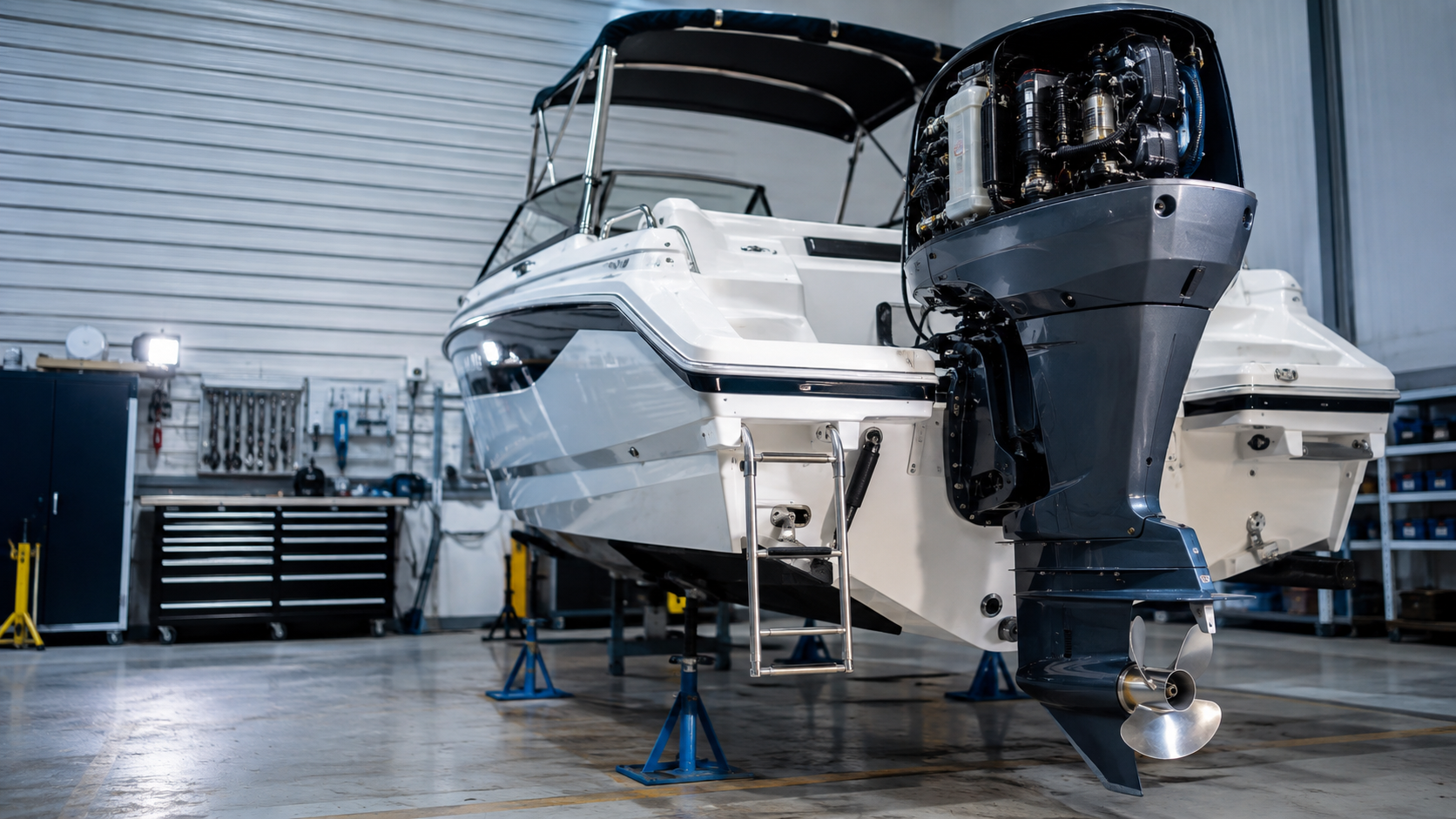
If you are shopping for a new engine, one of the first questions you may ask is, how much is a boat motor? The answer can vary a lot. A small electric trolling motor may cost only a few hundred dollars, while a large, high-horsepower outboard can cost tens of thousands of dollars.
The final price depends on several factors. Horsepower is one of the biggest. Motor type, brand, condition, technology, installation, and accessories can also change the total cost. Electric and gasoline-powered motors also have different purchase and operating costs.
When asking how much is a boat motor, it is important to look beyond the advertised price. A motor may seem affordable until you add installation, controls, steering, batteries, fuel-system parts, a propeller, and other equipment. A used motor may have a lower purchase price but need repairs or replacement parts.
The good news is that there are options for many types of boats and budgets. Small boats can often use compact motors that cost much less than engines designed for larger vessels. On the other hand, larger boats need more power, which usually means a higher purchase and installation cost.
This guide explains how much is a boat motor across different horsepower ranges, motor types, conditions, and features. It also covers installation, repowering, used-engine inspections, and long-term ownership costs.
The key point is simple: the right motor is not always the cheapest one or the most powerful one. It should match the boat, its rated capacity, your intended use, and your overall budget.
How Much Is a Boat Motor? Average Price Ranges
So, how much is a boat motor on average? There is no single price because marine engines cover a very wide range of sizes and designs.
As a broad market guide, buyers may see prices such as these:
These are broad ranges, not fixed prices. The actual price can change based on horsepower, brand, model year, dealer, location, technology, and included equipment. Used engines can have an even wider range because condition and service history have a major effect on value.
For example, a small motor for a lightweight inflatable boat is in a completely different price category from a large outboard designed for a heavy fishing boat. This is why knowing your boat’s requirements is the first step.
Installation is usually a separate expense. You may also need controls, steering equipment, wiring, a battery, fuel-system components, gauges, and a propeller.
Therefore, when someone asks how much is a boat motor, the better question is often, “How much will the complete setup cost?” Looking at the total installed price gives you a much more realistic budget.
What Determines the Price of a Boat Motor?
Several factors determine how much is a boat motor. Understanding them can help you compare different engines without focusing only on the sticker price.
Horsepower
Horsepower is one of the biggest price factors. Small engines usually cost less because they are designed for smaller and lighter boats. Medium and high-horsepower engines require more components and are generally more expensive.
However, bigger does not always mean better. Installing more horsepower than your boat needs can increase the purchase price, fuel use, and weight. Always follow the boat manufacturer’s rated horsepower.
Motor Type
The type of motor also affects how much is a boat motor.
Outboard motors are common because they are mounted outside the hull and are available in many horsepower levels. Inboard engines are installed inside the boat and are often used in different types of larger or specialized vessels. Sterndrive systems combine features of inboard and outboard designs.
Electric motors and trolling motors work differently from traditional gasoline outboards. They may have lower operating noise, but the overall system can require batteries and charging equipment.
New vs. Used
A used motor usually has a lower upfront price. However, its age, operating hours, maintenance history, and condition can make a major difference.
A well-maintained used motor can provide good value. A neglected motor can become expensive after purchase.
Brand
Established marine brands may command higher prices because buyers often value dealer support, replacement parts, service networks, and proven product lines.
When comparing how much is a boat motor, consider what is included with the brand and model rather than comparing the purchase price alone.
Features and Technology
Modern engines can include electronic fuel injection, digital controls, electric start, power trim and tilt, GPS integration, advanced steering, and improved noise or emissions technology.
These features can improve convenience and performance, but they can also raise the purchase price.
Boat Motor Prices by Horsepower
Horsepower is one of the easiest ways to compare engines. Still, the exact answer to how much is a boat motor at each horsepower depends on the manufacturer, model, condition, and features.
2–5 HP Boat Motors
Engines in the 2–5 HP range are designed for small applications. They may suit dinghies, inflatable boats, lightweight fishing boats, and other small vessels.
Portability is often a major advantage. A smaller engine can be easier to transport, install, store, and remove.
Because these motors are compact, they generally sit toward the lower end of the marine-engine price range.
how much is a boat motor
6–15 HP Motors
A 6–15 HP motor can be useful for small fishing boats, utility boats, and recreational vessels.
Compared with very small engines, these motors provide more power for carrying passengers or equipment. The exact price depends on whether you choose a basic model, a premium model, or a used engine.
20–40 HP Motors
The 20–40 HP category is popular for many medium-sized boats. These engines can work well for fishing and recreational activities when matched correctly to the boat.
At this level, buyers may begin to see more features and more substantial installation requirements.
50–90 HP Motors
A 50–90 HP motor can be suitable for larger fishing boats, family recreational boats, and higher-performance applications.
The answer to how much is a boat motor becomes more significant in this range because both the engine and supporting equipment may cost more.
100–150 HP Motors
Engines from 100–150 HP are designed for larger boats and more demanding recreational use. They can provide strong performance, but they also bring higher purchase and installation costs.
A buyer should not select this range simply because more power sounds attractive. The boat must be rated for the chosen horsepower.
200+ HP Motors
Engines above 200 HP are generally used for high-performance boats, larger vessels, and some multiple-engine setups.
These engines can represent a major investment. Installation, controls, steering, rigging, and other components may add substantially to the total project cost.
For every horsepower category, the correct size should follow the boat manufacturer’s specifications.
How Much Does a New Boat Motor Cost?
If you are researching how much is a boat motor for a new engine, expect a higher upfront investment than with many used options. New motors offer several benefits that can justify the extra cost.
Benefits of Buying New
A new boat motor may include a manufacturer warranty, current technology, and lower uncertainty about how the engine was previously used. Newer designs may also use modern fuel and emissions systems.
Parts availability can also be easier because the motor is a current or recent model. Dealer support may make routine servicing and troubleshooting more convenient.
For many owners, peace of mind is an important part of the purchase.
Potential Drawbacks
The main drawback is the higher initial cost. Installation may be separate from the engine price.
You may also need new rigging, controls, steering components, batteries, gauges, and other accessories. Dealer fees or additional setup costs can further increase the final bill.
That means the cheapest new motor is not automatically the lowest-cost choice over several years. A reliable engine with reasonable maintenance and operating costs may provide better overall value.
When comparing how much is a boat motor, ask for a complete installed price instead of looking only at the engine’s advertised price.
How Much Does a Used Boat Motor Cost?
Used motors can make boating more affordable, but how much is a boat motor in the used market depends heavily on its condition.
What Affects Used Boat Motor Prices?
Age is an obvious factor, but it is not the only one. Horsepower, engine hours, maintenance history, and previous use all matter.
Saltwater exposure deserves special attention because corrosion can affect many parts of a marine engine. Buyers should also inspect the propeller, lower unit, cooling system, electrical system, and general condition.
A motor with complete service records may be worth more than an engine with an unknown history.
Benefits of a Used Motor
The biggest advantage is a lower upfront price. A properly inspected used engine can be a good option for an older boat where installing a brand-new premium engine would not make financial sense.
Used engines can also give buyers access to a wider range of models and horsepower levels.
Risks of Buying Used
The biggest risk is an expensive hidden problem. An older engine may have mechanical issues that are not obvious during a quick inspection.
Warranty coverage may be limited or expired. Parts for very old models can also be harder to find. Previous neglect may create additional repair costs.
For an expensive purchase, a professional inspection can help reduce the risk.
Electric vs. Gas Boat Motors: Which Costs More?
The answer to how much is a boat motor changes when comparing electric and gasoline systems because their costs are structured differently.
Electric Boat Motors
Electric motors are attractive for buyers who want low operating noise and a simpler power system. However, the motor is only one part of the setup.
You may also need a battery bank and charger. Battery capacity affects how long the boat can operate before recharging.
The total range depends on the motor, battery, boat, load, speed, and operating conditions. Therefore, a low-priced electric motor does not necessarily mean the entire system will be inexpensive.
Gasoline Outboards
Gasoline outboards require fuel and routine engine maintenance. However, they can offer longer operating range in many applications and can be convenient when fuel is readily available.
They are also available across a broad range of engine sizes, from small portable motors to large high-horsepower systems.
Total Cost Comparison
Instead of asking only how much is a boat motor, compare the complete ownership equation:
Motor + battery or fuel system + installation + maintenance + operating costs
An electric system may have different upfront and running expenses than a gasoline system. The best choice depends on your boat, usage, available charging or refueling options, and long-term budget.
Boat Motor Installation Cost
Buying the engine is only part of the project. Installation can significantly change how much is a boat motor once the setup is ready to use.
Depending on the boat and motor, installation may include:
- Mounting
- Rigging
- Controls
- Steering
- Fuel lines
- Electrical connections
- Battery
- Propeller
- Gauges
- Labor
- Testing
The final labor cost can vary significantly. A straightforward replacement may require less work than installing an entirely new system.
The boat type, existing rigging, engine size, and compatibility all matter. Dealer rates and marine technician rates can also differ.
If you are repowering an older boat, some existing components may need replacement rather than reuse. This can increase the project cost.
Before purchasing, ask for a complete written quote. Make sure the quote clearly states what is included and what is not.
This approach gives you a more accurate answer to how much is a boat motor because it accounts for the equipment needed to put the motor into service.
Additional Costs to Budget For
When calculating how much is a boat motor, remember to budget for equipment beyond the engine.
Propeller
The correct propeller depends on the motor and boat. Choosing the correct setup helps the engine operate as intended.
Battery
A battery may be needed for electric-start systems, electric motors, and onboard electronics.
Electric motors can require a larger battery investment because the battery is a core part of the propulsion system.
Controls and Steering
Depending on the boat and motor, you may need compatible controls and steering equipment.
These parts should be included when comparing complete installation prices.
Fuel System
Gasoline-powered systems may require a suitable fuel tank, lines, filters, and related components.
Maintenance
Routine maintenance can include:
- Oil
- Filters
- Spark plugs where applicable
- Gear lubricant
- Cooling-system service
- Winterization where applicable
Maintenance costs should be part of your long-term budget, not an afterthought.
Safety Equipment
You should also follow local boating regulations and carry the required safety equipment for your vessel and location.
These expenses show why how much is a boat motor should be treated as a total-project question rather than a simple product-price question.
How to Choose the Right Boat Motor for Your Boat
Knowing how much is a boat motor is useful, but price should not be your only buying factor.
Boat Size and Weight
Larger and heavier boats generally require more power. Passenger weight, equipment, and fuel can also affect performance.
Manufacturer’s Horsepower Rating
Always follow the boat manufacturer’s horsepower and capacity ratings. Do not exceed the boat’s rated capacity simply to get more speed or performance.
Typical Use
Think about how you will use the boat.
Fishing may require a different setup from cruising. Water sports can place different demands on the motor. Utility work may prioritize dependable low-speed operation, while trolling may favor a quiet electric motor.
Number of Passengers
More passengers mean more weight. The engine should be appropriate for the boat’s expected load.
Water Conditions
A motor used on calm lakes may have different requirements from one used on rivers or coastal waters. Consider the conditions where you normally operate.
Fuel or Battery Availability
Think about where you will refuel or recharge. An electric motor may be convenient if reliable charging is available. A gasoline motor may make more sense for trips where refueling is easier.
Budget
Your budget should include both the upfront purchase and long-term ownership cost.
In other words:
Upfront cost + long-term ownership cost = realistic boating budget
This is the best way to evaluate how much is a boat motor for your specific situation.
How Much Does It Cost to Repower a Boat?
Repowering means removing an existing motor and replacing it with another engine.
When considering how much is a boat motor for a repower project, remember that you are paying for more than the replacement engine.
The work may include removing the old motor, installing the replacement, updating controls, checking wiring, confirming steering compatibility, adapting the fuel system, selecting a propeller, and testing the completed setup.
A replacement motor may therefore cost more than simply buying an engine for a new boat.
Compatibility is especially important. The new motor must work with the boat and its existing systems, or those systems may need upgrades.
Before buying, verify the boat’s horsepower rating and confirm that the replacement motor can be properly installed.
how much is a boat motor
How to Save Money on a Boat Motor
If you are trying to reduce how much is a boat motor without sacrificing a safe and suitable setup, compare the entire purchase carefully.
Start by getting prices from several dealers. Compare engines with similar horsepower and similar features so you are making a fair comparison.
A properly inspected used motor may provide savings. However, ask for maintenance records and information about previous service.
Always compare the total installed price. One dealer may advertise a low engine price but charge more for rigging, controls, labor, or other equipment.
Avoid buying more horsepower than your boat requires. More power can mean more upfront cost and higher operating expenses.
Seasonal promotions may also provide opportunities to save. Ask about warranty coverage before making a decision.
Finally, compare maintenance and fuel or electricity costs. A slightly higher purchase price may be worthwhile if the motor offers better reliability, service support, or ownership value.
Getting multiple installation quotes can also help control the final cost. Never save money by exceeding the boat manufacturer’s rated horsepower or capacity.
How to Inspect a Used Boat Motor Before Buying
If you are buying used, inspecting the engine is one of the most important steps in determining how much is a boat motor worth to you.
Exterior
Start with the outside of the motor. Look for corrosion, cracks, damage, missing components, and signs of poor repairs.
A clean appearance is helpful, but it does not prove that an engine is mechanically sound.
Engine
If possible and appropriate, observe the engine’s starting behavior. Pay attention to idle quality, unusual noises, leaks, and cooling-water flow.
These checks can reveal problems that are not obvious from photographs.
Lower Unit
Inspect the lower unit carefully. Check the gear lubricant and look for signs of water contamination or damage. Inspect the propeller and housing for obvious problems.
The lower unit is an important part of the motor, so damage here should not be ignored.
Electrical System
Check battery connections, wiring, controls, and gauges. Corroded or damaged electrical connections may lead to additional repair work.
Service History
Ask the seller for maintenance records, repair invoices, and engine-hour information when available.
A documented service history can give you more confidence when deciding whether the asking price is reasonable.
Professional Inspection
For an expensive used motor, consider having a qualified marine technician inspect it before you buy.
The inspection cost may be small compared with the cost of discovering a major mechanical problem after the purchase.
Boat Motor Ownership Costs
The purchase price is only one part of how much is a boat motor over its useful life.
Total cost of ownership can include fuel, electricity, maintenance, repairs, storage, winterization, propellers, batteries, insurance where applicable, installation, and rigging.
Gasoline engines require fuel and routine engine service. Electric systems require electricity and may require battery replacement over time.
Storage and seasonal service can also add to the yearly cost.
A motor with a low purchase price can become expensive if it requires frequent repairs. On the other hand, a higher-priced motor may provide better value if it offers dependable operation and reasonable maintenance costs.
This is why buyers should think in terms of total cost of ownership.
Instead of asking only how much is a boat motor, consider:
Purchase price + installation + equipment + operating costs + maintenance + repairs
That number gives you a much better picture of what owning the motor may actually cost.
how much is a boat motor
FAQ
How much is a boat motor?
So, how much is a boat motor? Broad market prices can range from about $100 for some small electric trolling motors to more than $50,000 for large premium outboards. Small outboards may start around $1,000, while mid-range and high-horsepower engines can cost several thousand to tens of thousands of dollars.
The exact price depends on horsepower, motor type, brand, model, condition, features, and whether the engine is new or used.
How much is a 20 HP boat motor?
A 20 HP motor can fall into the lower-to-mid range of outboard pricing, but there is no single fixed price. Manufacturer, model, technology, condition, and included equipment all affect the final cost.
A used 20 HP motor may cost considerably less than a new one, but its condition and maintenance history should be checked.
How much is a 50 HP boat motor?
A 50 HP motor generally costs more than a small outboard because it provides substantially more power and may require more equipment.
The final price depends on the brand, model, features, condition, and installation requirements. Buyers should compare complete installed prices rather than engine prices alone.
How much is a 100 HP boat motor?
A 100 HP motor is typically a larger investment than small and mid-range outboards. Higher horsepower generally increases the purchase price, and installation can also cost more.
The boat must be rated for the selected horsepower before you purchase the engine.
How much is a used boat motor?
There is no single answer because used motors vary greatly. Age, horsepower, engine hours, service history, saltwater exposure, corrosion, lower-unit condition, cooling performance, and electrical condition all affect value.
A professional inspection is especially useful for higher-priced used engines.
How much does it cost to install a boat motor?
Installation cost depends on the boat, motor, existing rigging, steering, controls, fuel system, wiring, and labor required.
A simple replacement may require less work than a complete repower. Ask for a written quote that lists labor and required parts.
Is it cheaper to buy a used boat motor?
A used motor usually has a lower upfront purchase price. However, savings can disappear if the engine needs major repairs or difficult-to-find parts.
The best used purchase is not necessarily the cheapest listing. Condition, service history, compatibility, and expected repair costs should all be considered.
Are electric boat motors cheaper than gas motors?
Not necessarily. An electric motor may have a competitive motor price, but batteries and charging equipment can add significant cost.
Gasoline systems have fuel and maintenance costs. Electric systems have charging and battery-related costs. Compare the complete system and expected operating costs.
What size motor do I need for my boat?
Follow the boat manufacturer’s horsepower and capacity ratings first. Consider boat size, weight, passenger load, intended use, and water conditions.
Do not exceed the manufacturer’s rated capacity. The correct motor is one that safely matches the boat and your normal operating needs.
Is a more expensive boat motor worth it?
A higher price can be worthwhile if the motor provides benefits that matter to you, such as reliability, warranty coverage, efficiency, useful technology, dealer support, and reasonable long-term ownership costs.
However, expensive does not automatically mean better for every boat. The best value comes from choosing an engine that fits your boat and intended use.
Conclusion
So, how much is a boat motor? The answer can range from a relatively affordable small electric or portable motor to a very expensive high-horsepower marine engine. The broad ranges in this guide show why there is no universal price.
Horsepower is one of the biggest factors, but it is not the only one. Motor type, brand, new or used condition, technology, installation, rigging, batteries, fuel-system components, and accessories can all affect the final cost.
When deciding how much is a boat motor for your boat, compare the total installed cost rather than the advertised engine price. Also consider fuel or electricity, maintenance, repairs, storage, and other ownership expenses.
Most importantly, choose a motor that matches the boat manufacturer’s horsepower and capacity ratings. Buying more power than the boat is designed to handle is not a smart way to improve value or performance.
